

Engineered hardwood flooring is a manufactured wood product with a genuine hardwood veneer on top and a core of plywood or high-density fiberboard beneath. It looks and feels like solid wood but performs better in spaces with fluctuating temperatures and humidity. Unlike solid hardwood, engineered planks resist warping and cupping, making them suitable for kitchens, basements, and rooms with radiant underfloor heating. The hardwood veneer delivers authentic grain and natural appearance, while the layered core provides structural stability that solid wood alone cannot achieve.
Key Takeaways

- Engineered hardwood is a multi-layer wood product with a real hardwood veneer bonded over a plywood or HDF core.
- It offers more dimensional stability than solid wood and resists warping in humidity-prone spaces.
- Most engineered planks carry a wear layer between 2mm and 6mm, which determines how many times you can refinish the floor.
- Installation is flexible: floating, glue-down, or nail-down methods all apply.
- Engineered wood suits most rooms, including basements and kitchens, where solid hardwood would not perform as well.
How Engineered Hardwood Flooring Is Constructed
Each engineered hardwood plank consists of three or more distinct layers, each serving a specific structural purpose. Understanding this construction helps explain why engineered wood performs differently from its solid counterpart.
The Wear Layer
The topmost layer is a thin slice of real hardwood, cut from species such as oak, maple, hickory, walnut, or ash. This veneer ranges from 2mm to 6mm in thickness, depending on the product grade. The thicker the wear layer, the more times you can sand and refinish the floor. A 2mm wear layer supports one light refinish, while a 6mm veneer supports two to three refinishes.
According to the National Wood Flooring Association (NWFA), the wear layer is the single most important factor in determining the long-term value of an engineered floor.
The Core Layers
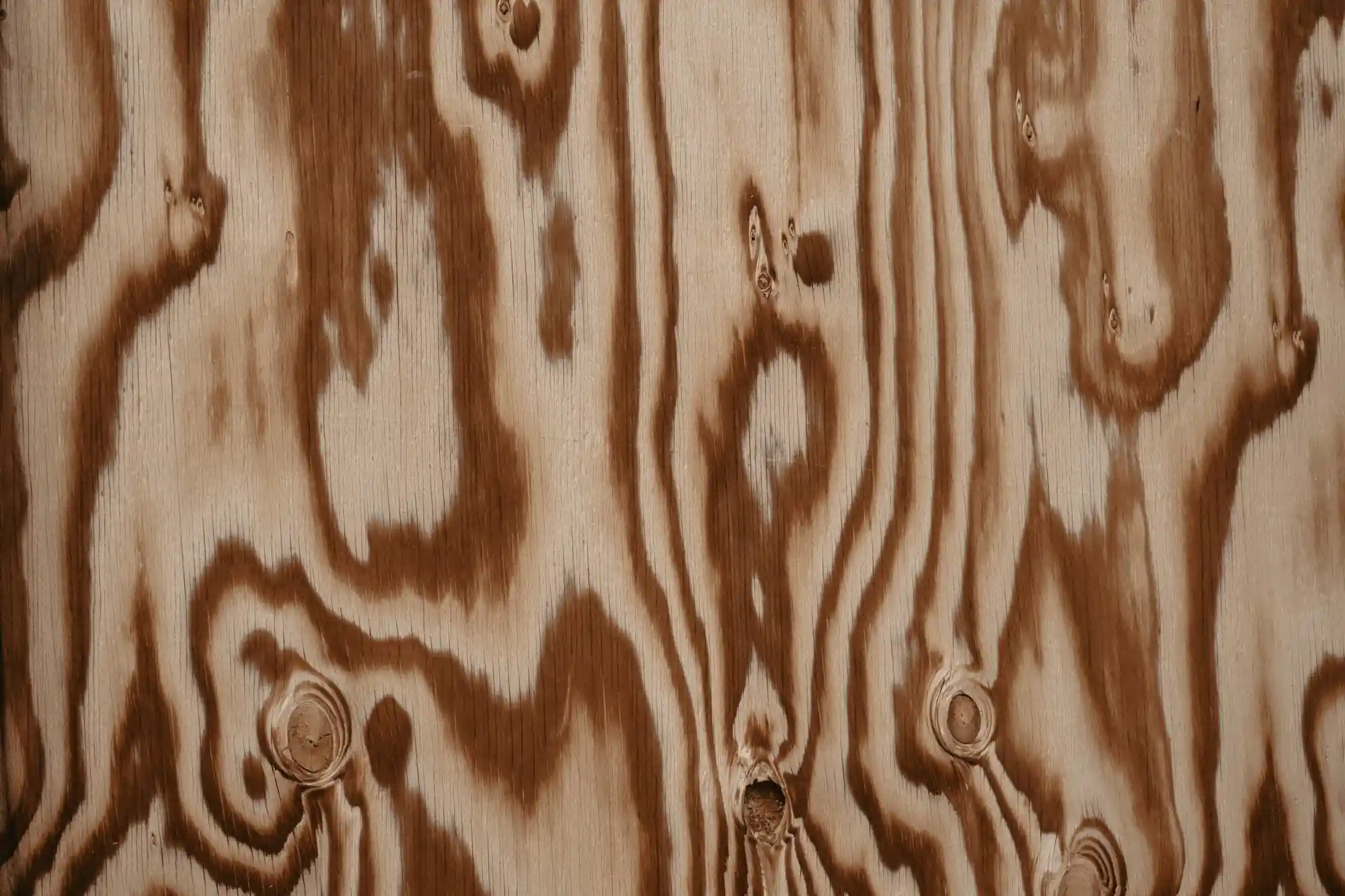
Below the veneer, manufacturers bond multiple sheets of plywood or compress wood fibers into HDF. They orient the layers in opposing directions, a process called cross-grain construction. This cross-directional arrangement counteracts the natural tendency of wood to expand with moisture and contract with dryness. The result is a plank that stays flat and stable under conditions that would cause solid wood to buckle.
Most quality-engineered products use a seven-ply or nine-ply plywood core for greater dimensional stability. Manufacturers use HDF cores in thinner planks designed for floating installations.
The Backing Layer
A final backing layer on the underside of the plank balances the tension created by the veneer above and prevents the plank from bowing. Manufacturers typically make this layer from the same species as the wear layer or from a stable softwood.
Engineered Hardwood vs. Solid Hardwood: Key Differences
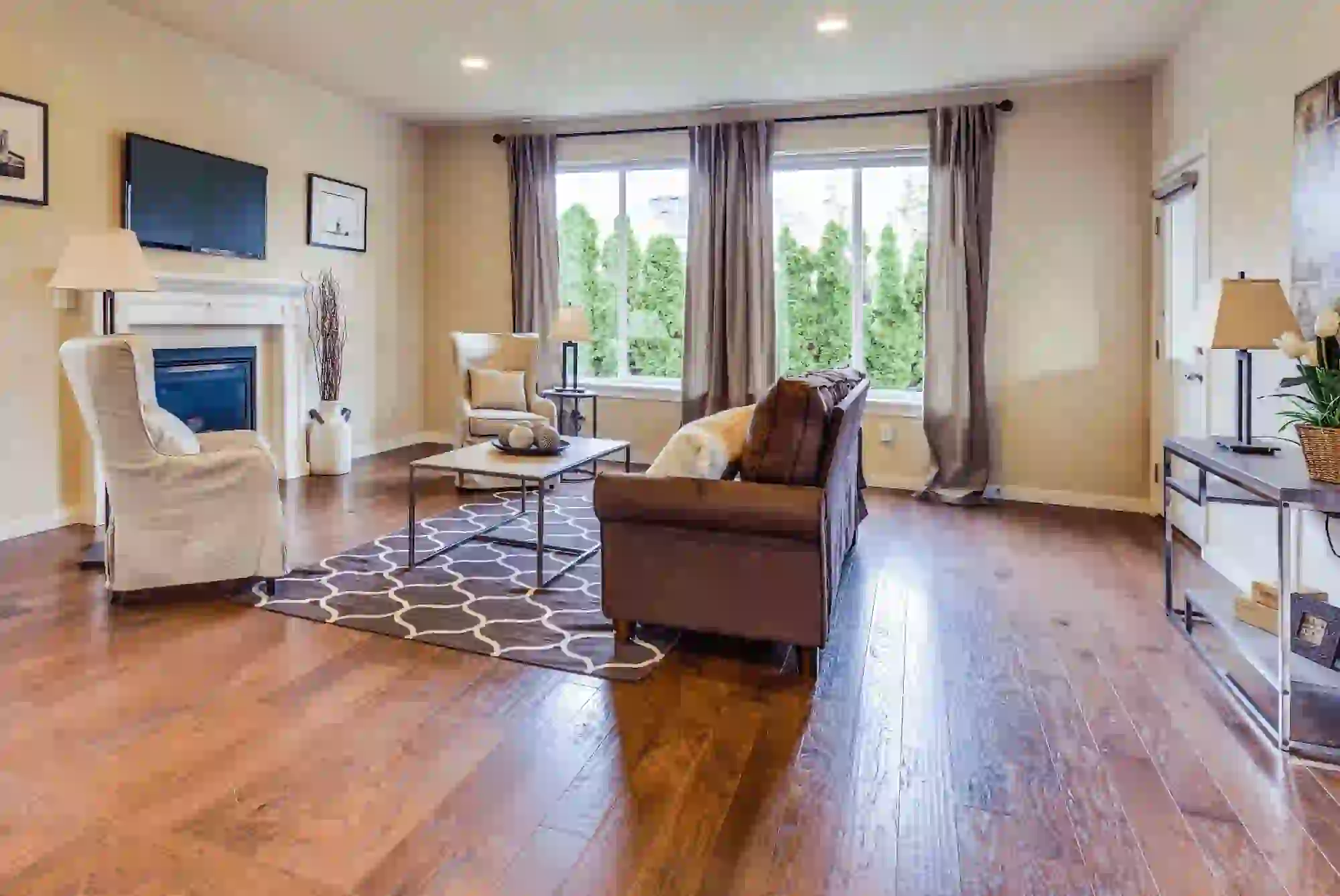
Both products deliver the visual warmth of real wood, but they differ significantly in performance, installation, and lifespan.
| Feature | Engineered Hardwood | Solid Hardwood |
|---|---|---|
| Core material | Plywood or HDF layers | 100% solid wood throughout |
| Stability | High (resists humidity swings) | Lower (expands and contracts) |
| Wear layer | 2mm to 6mm real wood veneer | Full plank depth |
| Refinishing | 1 to 3 times | 4 to 7 times or more |
| Cost (installed) | $4 to $9 per sq ft | $8 to $15 per sq ft |
| Best locations | Basements, kitchens, radiant heat | Upper floors, dry rooms |
| DIY-friendly | Yes (floating method) | Moderate (nail-down required) |
For a broader material comparison, visit our complete guide to flooring materials.
Why Stability Matters
The primary advantage of engineered wood is dimensional stability. Solid hardwood expands and contracts seasonally as indoor humidity rises and falls. In rooms below grade, over concrete subfloors, or above radiant heat systems, these movements cause gaps, squeaking, or cupping. Engineered hardwood absorbs these stresses within its layered core and maintains a flat surface year-round.
Research published by the Forest Products Journal found that cross-laminated wood products show up to 40 percent less dimensional movement than solid-sawn lumber of the same species under identical humidity changes.
Installation Methods for Engineered Hardwood
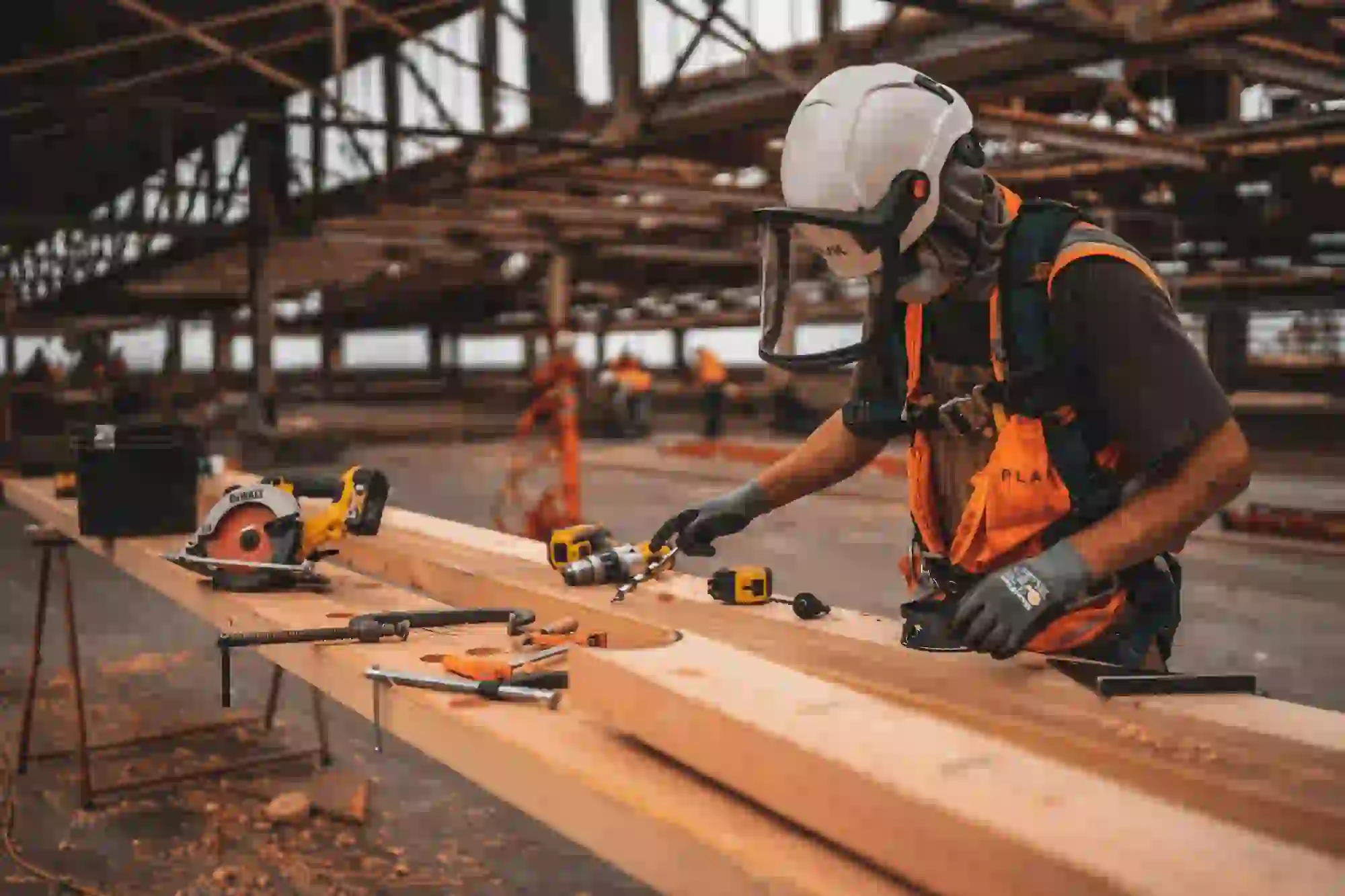
One reason engineered hardwood appeals to both professional installers and homeowners is its installation flexibility. Three primary methods apply, and the correct choice depends on the subfloor type and the room’s location.
Floating Installation
Planks click or glue to one another along their edges and float above the subfloor without direct attachment. This method is the fastest and most accessible for DIY projects. It requires an underlayment pad to absorb sound and minor subfloor imperfections. Avoid floating floors in rooms where high moisture levels could cause the planks to lift. Floating installation also works well with other products, such as cork flooring, which shares similar subfloor requirements.
Glue-Down Installation
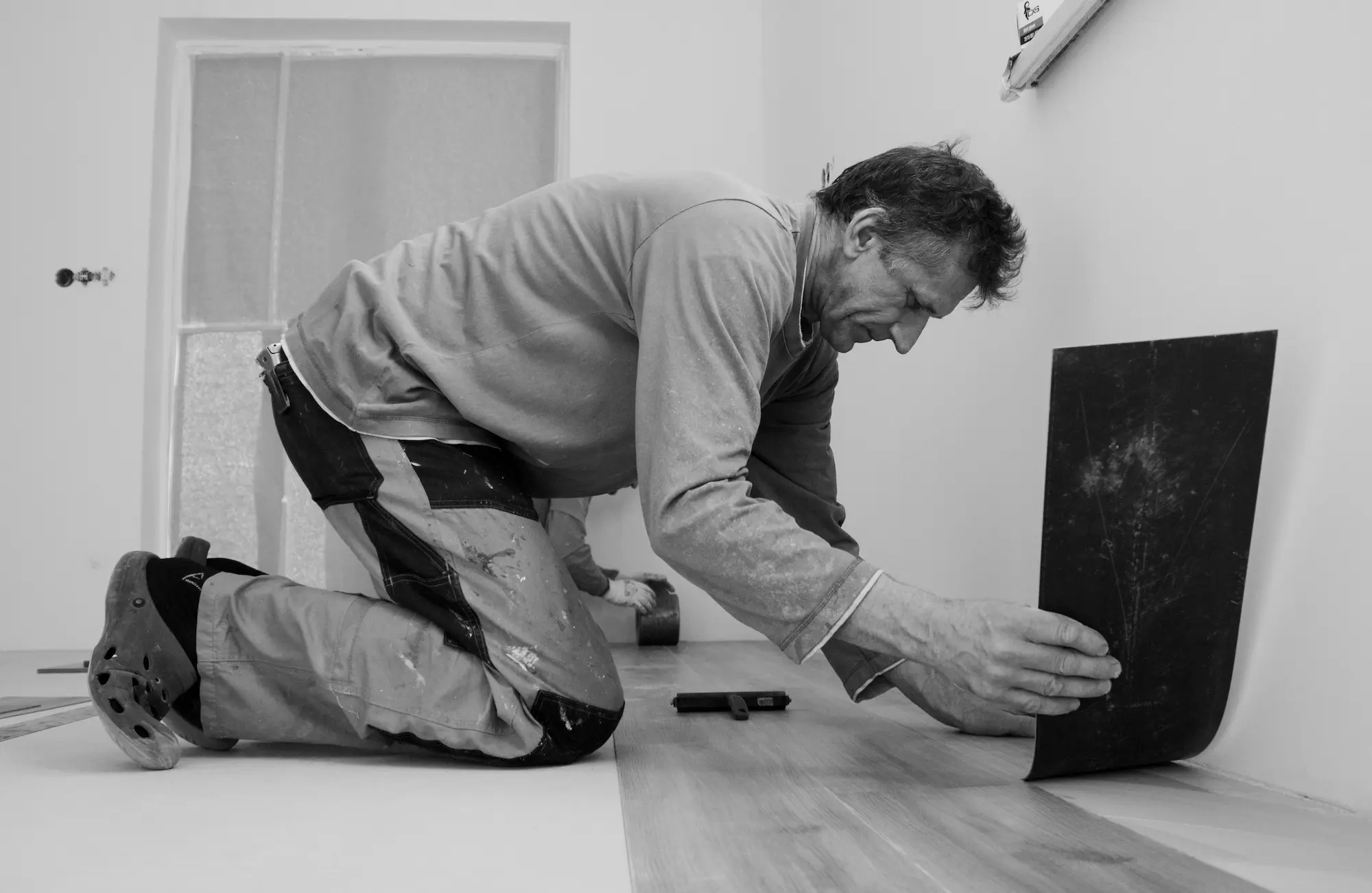
You spread an adhesive directly onto the subfloor and press each plank into it. This method creates the most solid, stable floor and reduces sound transmission between floors. Contractors prefer it over concrete slabs, and thinner engineered products often require it. Always check that the adhesive is compatible with the specific plank construction.
Nail-Down or Staple-Down Installation
A pneumatic nailer or stapler fastens planks through their tongue to a wood subfloor. This method is most similar to solid hardwood installation, and many flooring contractors prefer it for its permanence. It requires a minimum wood subfloor thickness of three-quarters of an inch.
Where Engineered Hardwood Flooring Performs Best
Engineered hardwood suits a wider range of environments than solid wood, though it does not work well in every location.
- Living rooms and bedrooms: Both products perform equally well here. Homeowners often choose engineered wood for cost savings or to achieve wider plank widths.
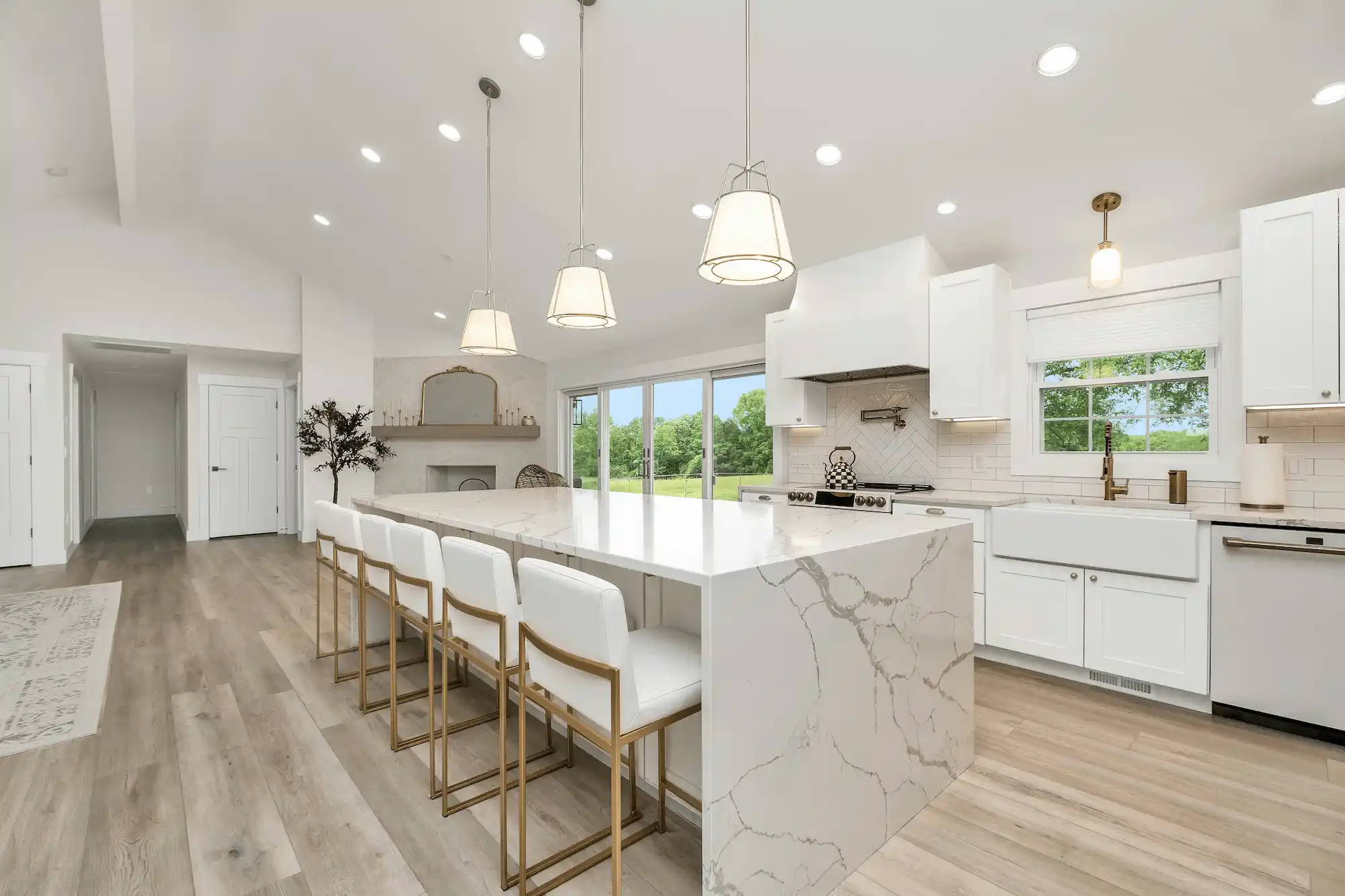
- Kitchens: Engineered hardwood handles moisture better, making it a practical choice where spills and humidity fluctuations are common.
- Basements: You can install engineered products below grade on concrete slabs. Solid hardwood is not suitable here. If moisture is a major concern, also consider LVP flooring, which offers full waterproof performance.
- Over radiant heating: Engineered wood works with radiant heat systems as long as the floor temperature stays below 80 degrees Fahrenheit. Avoid solid hardwood in this application.
- Bathrooms: Neither product is ideal, though engineered floors tolerate occasional moisture better. Always install a proper moisture barrier.
Durability, Lifespan, and Refinishing
A well-maintained engineered hardwood floor in a typical home lasts 25 to 30 years. Some high-quality products with thick wear layers carry manufacturer warranties of 30 to 50 years.
What Affects Floor Longevity
Three factors determine how long the floor looks good: the thickness of the wear layer, the hardness of the wood species, and the quality of the factory finish. Homeowners who maintain consistent indoor humidity between 35 and 55 percent extend the life of their floor significantly.
Janka Hardness and Species Selection
The Janka hardness rating measures the resistance of a wood species to surface denting and wear. White oak, one of the most popular engineered flooring species, carries a Janka rating of 1,360 pounds-force. Brazilian walnut rates above 3,600 pounds-force, making it exceptionally resistant to heavy foot traffic. Softer species such as pine or American cherry scratch more easily and need more careful maintenance.
The Wood Database, maintained by wood scientist Eric Meier, provides Janka ratings and species profiles for all commercially available flooring woods.
Factory Finish vs. Site-Applied Finish
Most engineered hardwood arrives pre-finished. Manufacturers apply aluminum oxide coatings and cure them under ultraviolet light, producing a surface significantly harder than anything you can apply on site. Site-finished floors offer more color control but require the room to stay empty during curing. For most homeowners, factory-finished engineered products deliver the best balance of durability and convenience.
Cost of Engineered Hardwood Flooring
Engineered hardwood typically costs between $4 and $9 per square foot for the material, depending on the species, wear layer thickness, and plank width. Professional labor adds $3 to $5 per square foot, bringing total installed costs to $7 to $14 per square foot.
How It Compares to Solid Hardwood
Solid hardwood runs $8 to $15 per square foot installed. For a 500-square-foot room, the cost difference between engineered and solid hardwood ranges from $1,500 to $3,000. Wide-plank engineered flooring, five inches and wider, commands a premium because it requires more veneer material.
Return on Investment
According to Remodeling Magazine’s 2025 Cost vs. Value Report, hardwood flooring upgrades recoup approximately 118 percent of their cost at resale, making wood flooring one of the highest-return home improvements available.
Environmental Considerations
Engineered hardwood uses less old-growth timber than solid hardwood. The veneer layer requires only a thin slice of the tree, and core layers often use fast-growing species or wood byproducts.
Certifications to Look For
Look for products with Forest Stewardship Council (FSC) certification, which confirms responsible harvesting practices. Also, confirm that the adhesives in the core construction meet California Air Resources Board (CARB) standards for formaldehyde emissions. Products that meet these standards carry CARB Phase 2 or GREENGUARD Gold certification.
What Flooring Experts Say
“Engineered hardwood has fundamentally changed what is possible in residential flooring. We install it in rooms where solid wood would have failed within a few years, and customers report no difference in how it looks or feels underfoot.”
— Michael Torres, NWFA Certified Flooring Inspector, Fine Homebuilding, 2024
“The key question any buyer should ask is: what is the thickness of the wear layer? A 2mm veneer gives you a floor. A 6mm veneer gives you a floor that will outlast the mortgage.”
— Sandra Ng, Senior Product Specialist, Hardwood Floors Magazine, 2023
“In high-moisture environments, the cross-laminated construction of engineered products gives them a structural advantage that no amount of finishing can replicate in solid wood.”
— Dr. Robert Falk, Research Engineer, USDA Forest Products Laboratory, Journal of Wood Science, 2022
Frequently Asked Questions
Is engineered hardwood real wood?
Yes. The top wear layer is genuine hardwood, cut from the same species available in solid form. The core uses wood-based materials such as plywood or HDF. It differs from laminate flooring, which uses a photographic image of wood printed onto fiberboard.
Can engineered hardwood be refinished?
Products with a wear layer of 3mm or more support at least one light sand and refinish. A 6mm wear layer supports two to three refinishes. Do not sand planks with a 2mm veneer, as you risk cutting through to the core layer.
How long does engineered hardwood last?
In residential use with normal maintenance, most engineered hardwood floors last 25 to 30 years. High-quality products often carry warranties of 30 to 50 years. Foot traffic, maintenance habits, and wear layer thickness all affect actual lifespan.
Is engineered hardwood better than laminate?
Engineered hardwood contains real wood, and you can refinish it, giving it a longer service life and higher resale value. Laminate uses a fiberboard base with a photographic surface layer, and you cannot refinish it. Laminate resists surface scratches and costs less, but it lacks the authenticity and long-term value of real wood flooring. For a full side-by-side comparison of real wood options, read our guide to types of wood flooring.
Can you install engineered hardwood over concrete?
Yes, with proper preparation. The concrete must be flat, clean, and dry. Test the moisture vapor transmission before installation. It should not exceed 3 to 5 pounds per 1,000 square feet per 24 hours using the calcium chloride test. Use a moisture barrier underlayment and the glue-down installation method for best results. If your concrete slab has high moisture readings, LVP flooring may be a more practical alternative.
What is the best wood species for engineered hardwood?
White oak is the top recommendation due to its balance of hardness, stability, and grain character. Hickory is harder but shows more grain variation. Maple suits contemporary interiors but is harder to stain evenly. Walnut offers rich, dark tones but marks more easily in high-traffic areas.
Conclusion
Engineered hardwood flooring extends the practical applications of real wood into spaces where solid hardwood would not hold up. Its layered construction provides dimensional stability, its genuine hardwood veneer delivers natural beauty, and its installation flexibility suits a wide range of subfloor conditions.
Ask yourself three practical questions before choosing: Where is the room? What are the local humidity conditions? How long does the floor need to last before refinishing? A NWFA-certified inspector can assess your subfloor, measure moisture levels, and recommend the right product for your home.
To explore how engineered hardwood fits within the broader landscape of flooring choices, visit the complete guide to Types of Flooring for a structured overview of every major flooring category, including installation comparisons, cost benchmarks, and room-by-room suitability ratings.


Pingback: Types of Wood Flooring Explained | Complete Guide