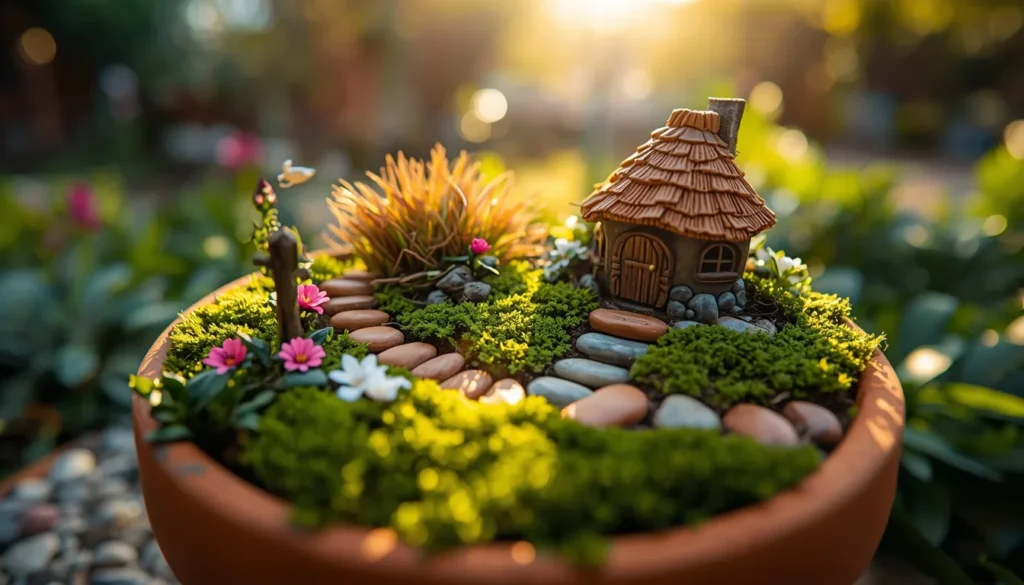

Have you ever wanted to create a tiny magical world right in your own home or backyard? Fairy pot gardens are one of the most enchanting and creative gardening projects you can start — whether you are a complete beginner or an experienced gardener looking for something new.
A fairy pot garden is a miniature landscape created inside a pot or container, filled with tiny plants, whimsical accessories, miniature houses, and decorative elements that together create the feeling of a magical world where fairies might actually live.
In this complete guide to fairy pot gardens, you will learn absolutely everything — from choosing the right container and the best plants, to setting everything up step by step, caring for your fairy pot garden through every season, and decorating it with the most magical accessories imaginable.
1. What Is a Fairy Pot Garden
A fairy pot garden is a miniature garden created inside a container or pot, designed to look like a tiny magical world. The idea is to create a small-scale landscape that feels as if it could actually be home to fairies, elves, and other magical creatures from folklore and imagination.
Miniature fairy pot gardens are built using small plants that stay compact and slow-growing, combined with accessories like tiny fairy houses, little benches, stone pathways, bridges, and decorative figurines — all arranged inside a single pot to create a complete magical world.
Fairy pot gardens can be placed indoors on a windowsill, table, or shelf, or kept outdoors on a patio, balcony, or garden bed. Both children and adults enjoy them equally, and they make beautiful gifts, home decorations, and creative weekend projects.
The key difference between a fairy pot garden and a regular container garden is the storytelling element. Every detail tells a part of a magical story — from the moss that becomes a soft green lawn to the tiny pebble pathway leading up to a miniature fairy cottage door.
2. Why Start a Fairy Pot Garden at Home
There are so many wonderful reasons to create your very own fairy pot garden at home.
Creative Expression: Every single fairy pot garden is completely unique because it reflects the imagination of the person who made it. No two fairy pot gardens are ever exactly the same, making this one of the most personal gardening projects you can ever take on.
Stress Relief and Mindfulness: Arranging tiny details, selecting miniature plants, and creating a beautiful miniature world is a deeply relaxing activity. Building and caring for fairy pot gardens improves focus, reduces stress, and promotes a deep sense of calm and wellbeing.
Educational for Children: Fairy pot gardens are one of the best ways to teach children about plants, gardening, and responsibility. When children help build and care for a fairy pot garden at home, they learn how plants grow, why watering matters, and how living things need consistent care and attention.
Perfect for Small Spaces: A single pot on a windowsill, a small corner of a balcony, or even a spot on a kitchen table is all you need. This makes fairy pot gardens perfect for apartment dwellers and people with very limited outdoor space available.
Year-Round Enjoyment: Unlike many gardens that are only beautiful for part of the year, fairy pot gardens can be enjoyed every single day — especially indoor versions that stay green and magical regardless of the weather outside.
3. Best Pots and Containers for Fairy Pot Gardens
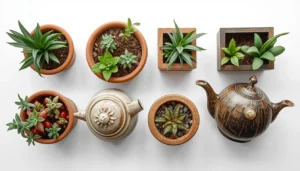
The container is the very foundation of your fairy pot garden. Choosing the right pot is the most important first decision you will make when starting your fairy pot garden.
Terracotta Pots — Most Popular for Fairy Pot Gardens
Terracotta pots are the most popular choice for fairy pot gardens everywhere. Terracotta is breathable, which is excellent for plant health, and gives a natural earthy look that fits perfectly with woodland and garden fairy themes. Terracotta is also widely available and very affordable for beginners.
The main disadvantage is that terracotta dries out faster than other materials, so your fairy pot garden plants may need more frequent watering during hot months.
Ceramic Pots — Best for Themed Fairy Pot Gardens
Ceramic pots come in a huge range of colors, patterns, and designs, making them wonderful choices for themed fairy pot gardens. A blue glazed ceramic pot works perfectly for a seaside fairy pot garden theme. Ceramic holds moisture longer than terracotta, which is helpful in hot summer months.
Wooden Planters — Best for Rustic Fairy Pot Gardens
Wooden planters give fairy pot gardens a rustic woodland cottage feel that many gardeners love. An old wooden crate, a barrel planter, or a handmade wooden box creates an instantly charming look. Always line the inside with plastic sheeting before adding soil to prevent the wood from rotting quickly.
Creative Upcycled Fairy Pot Garden Containers
Some of the most magical fairy pot gardens are created in completely unexpected containers. Old wheelbarrows, vintage teapots, cracked ceramic bowls, old boots, and hollowed-out logs can all be transformed into stunning fairy pot gardens. Any container must be deep enough to hold at least three inches of soil and must have adequate drainage.
Fairy Pot Garden Container Size Guide
For a beginner, a container between ten and sixteen inches in diameter is ideal. This gives enough space to include three or four plants and a selection of accessories without things becoming overcrowded.
Drainage Rule: Always make sure your fairy pot garden container has drainage holes in the bottom. Without drainage, soil becomes waterlogged, roots rot, and plants die quickly.
4. Fairy Pot Garden Soil and Drainage Guide
Getting the soil right is just as important as choosing the right container for your fairy pot garden at home.
Best Soil Mix for Fairy Pot Gardens
The best soil for fairy pot gardens is a high quality potting mix combined with perlite or coarse sand to improve drainage. A ratio of two parts potting mix to one part perlite works well for most fairy pot garden plants.
Never use regular garden soil in your fairy pot gardens. Garden soil is too heavy for container use, compacts easily, drains poorly, and often contains weed seeds and pests that cause serious problems over time.
Soil for Succulent Fairy Pot Gardens
If your fairy pot garden contains succulents, use a specific cactus and succulent potting mix which is designed to drain very quickly and prevent the root rot that succulents are highly susceptible to.
Soil for Moss and Fern Fairy Pot Gardens
If your fairy pot garden uses moisture-loving plants like ferns and mosses, add some coconut coir or peat moss to your potting mix to help retain a little more moisture in the soil throughout the growing season.
Setting Up Your Fairy Pot Garden Drainage Layer
Before adding soil, always place a drainage layer of small pebbles or gravel at the bottom of your container. This layer should be one to two inches deep. It prevents soil from blocking drainage holes and keeps the root zone well aerated at all times.
5. Best Plants for Your Fairy Pot Garden
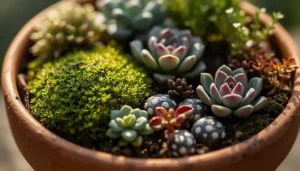
Choosing the right plants is where fairy pot gardening becomes truly creative and personal. Always select varieties that stay small, grow slowly, and have similar light and watering requirements to each other.
Best Ground Cover Plants for Fairy Pot Gardens
Irish Moss and Scotch Moss: These are among the very best ground cover plants for fairy pot gardens. Both create a beautiful velvety green carpet that looks exactly like a soft fairy lawn. They grow slowly, stay low to the ground, and work well in both sun and partial shade conditions.
Creeping Thyme: Creeping thyme stays very low, releases a beautiful fragrance when touched, and produces tiny purple flowers in summer. It creates the look of a miniature meadow and works beautifully along pebble pathways inside fairy pot gardens.
Baby Tears: Baby tears is a delicate plant with incredibly tiny leaves that cluster together and cascade beautifully over the edges of fairy pots. It creates a lush soft look that is perfect for shaded and indoor fairy pot garden positions.
Best Accent Plants for Fairy Pot Gardens
Succulents: Echeveria, hens and chicks, and string of pearls are among the most popular accent plants for sunny fairy pot gardens. All require very little watering, making them ideal low-maintenance fairy garden plants for beginners.
Miniature Ferns: Ferns create an instantly magical woodland atmosphere in any fairy pot garden. Their delicate arching fronds look like miniature trees in a fairy forest. Ferns prefer shaded or partially shaded conditions with consistently moist soil.
Polka Dot Plant: The polka dot plant adds an instant burst of color and whimsy to any fairy pot garden. It stays relatively small and can be kept compact by regularly pinching new shoots throughout the growing season.
Miniature Ivy: Miniature ivy spreads slowly and trails beautifully over fairy pot edges. It works well in both sun and partial shade and gives fairy pot gardens a classic enchanted forest feel throughout the year.
Dwarf Conifers: Small dwarf conifers are perfect for creating the look of full-sized trees in your fairy pot garden landscape. They grow very slowly, maintain a compact shape naturally, and stay green throughout the entire year.
Plants to Avoid in Your Fairy Pot Garden
Avoid fast-growing plants like Tradescantia zebrina which can quickly take over an entire container. Always check the mature size of any plant before adding it to your fairy pot garden.
6. Best Fairy Pot Garden Accessories and Decorations

The accessories and decorations are what transform a simple container garden into a truly magical fairy pot garden world. This is where your creativity and imagination can run completely free.
Fairy Houses for Your Fairy Pot Garden
A miniature fairy house is usually the centerpiece of any fairy pot garden. Fairy houses come in a huge range of styles — from rustic woodland cottages to brightly painted ceramic cottages with tiny window boxes. Position your fairy house as the main focal point and arrange everything else around it naturally.
Pathways and Bridges for Fairy Pot Gardens
Tiny pathways made from small pebbles, crushed shells, or coarse sand make fairy pot gardens feel like real miniature landscapes. A tiny wooden or stone bridge adds incredible charm and depth to any fairy pot garden design and instantly elevates the overall look.
Miniature Furniture for Fairy Pot Gardens
Miniature benches, chairs, tables, watering cans, and garden tools bring a fairy pot garden to life by suggesting that someone actually lives and works in this tiny world every day.
Natural Elements for Fairy Pot Gardens
Using natural materials makes your fairy pot garden feel organic and authentic. Small smooth pebbles, flat stepping stones, tiny seashells, pieces of driftwood, bark, pine cones, and glass gems all add wonderful texture and color throughout the design.
7. How to Build Your Fairy Pot Garden Step by Step
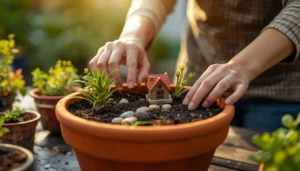
Here is a complete step by step guide to creating your very own fairy pot garden from scratch at home.
Step 1 — Choose Your Fairy Pot Garden Container
Select a container that suits your available space, your desired fairy pot garden theme, and your budget. Make sure it has drainage holes. Clean it thoroughly before starting.
Step 2 — Plan Your Fairy Pot Garden Design First
Draw a simple plan on paper before planting anything. Sketch the outline of your container and decide roughly where to place your focal point plant, fairy house, pathways, and accessories. Planning saves a lot of time later.
Step 3 — Prepare Your Fairy Pot Garden Drainage Layer
Place a one to two inch layer of small pebbles at the very bottom of your container to ensure excellent drainage throughout the entire life of your fairy pot garden.
Step 4 — Add Your Fairy Pot Garden Soil Mix
Fill your container with potting mix to within two inches of the top rim. This space at the top makes watering much easier and prevents soil from washing over the edges of your fairy pot garden.
Step 5 — Position and Plant Your Fairy Garden Plants
While plants are still in their nursery pots, place them on top of the soil and try different arrangements before planting anything permanently. Always position the tallest plant first as your focal point, then arrange smaller plants and ground cover around it.
Step 6 — Add Fairy Pot Garden Pathways and Natural Features
Press small pebbles gently into the soil surface to create winding pathways. Add flat stones, pieces of bark, crystals, or seashells to build up the landscape of your fairy world naturally.
Step 7 — Place Your Fairy House and Accessories
Position your fairy house as the main focal point and arrange all accessories around it carefully. Step back frequently to check the overall balance and adjust positions until everything looks right from every angle.
Step 8 — Water Your Fairy Pot Garden Gently
Use a watering can with a small gentle spout to water your newly planted fairy pot garden carefully. Water until moisture begins to drain slowly from the bottom drainage holes of your container.
Step 9 — Find the Perfect Spot for Your Fairy Pot Garden
Place your finished fairy pot garden in a location that suits the light requirements of your chosen plants. Most fairy pot gardens do best in bright indirect light or a spot that receives morning sun and afternoon shade.
8. Popular Fairy Pot Garden Themes and Ideas
One of the most enjoyable parts of making a fairy pot garden is choosing your theme and bringing it to life creatively.
Woodland Fairy Pot Garden: Dark green ferns, Irish moss, miniature ivy, a rustic bark fairy cottage, tiny mushrooms, stone pathways, and a miniature wooden bridge over a pebble stream. This is the most classic and beloved fairy pot garden theme of all.
Seaside Fairy Pot Garden: Succulents, air plants, seashells, glass gems for water features, a tiny driftwood fairy house, sand pathways, and a miniature lighthouse standing tall. Perfect for a sunny outdoor fairy pot garden location.
Cottage Garden Fairy Pot Garden: Creeping thyme, polka dot plants, miniature flowering annuals, a brightly painted ceramic fairy cottage, tiny flower boxes, and a pebble pathway edged with tiny lavender plants throughout.
Desert Fairy Pot Garden: Echeveria succulents, hens and chicks, small cacti, fine sand, tiny stones, and a sun-bleached driftwood fairy house as the centerpiece. Perfect for a very sunny indoor windowsill location.
9. Fairy Pot Garden Seasonal Care Guide
Spring Fairy Pot Garden Care
Spring is the perfect time to refresh and renew your fairy pot garden after the winter months. Replace any plants that did not survive the cold, add fresh plants to fill any gaps, and check all accessories for damage. Add new soil to the top of your container if the level has dropped significantly over winter.
Summer Fairy Pot Garden Care
Summer brings the fastest growth period for most fairy pot garden plants. Keep a close eye on watering during hot weather because containers dry out much faster in heat. Regularly prune plants that are growing too large and trim any growth that is obscuring your fairy house or accessories.
Autumn Fairy Pot Garden Care
As the weather begins to cool in autumn, reduce your watering frequency because plants grow more slowly and soil takes longer to dry out. Remove any summer-blooming annual plants that are finishing their season and replace them with autumn-appropriate plants to keep your fairy pot garden looking fresh.
Winter Fairy Pot Garden Care
If your fairy pot garden lives outdoors in a cold climate, move it to a sheltered position like a garage or covered porch during the coldest months. Alternatively, cover it with a frost protection cloth during severe cold spells. Indoor fairy pot gardens simply continue throughout winter with slightly reduced watering as plants enter their slower growth period.
10. Common Fairy Pot Garden Mistakes to Avoid
Even experienced gardeners make mistakes with fairy pot gardens. Here are the most common problems and exactly how to avoid them every time.
Overwatering Your Fairy Pot Garden: This is the number one killer of fairy garden plants without exception. Always check the soil moisture with your finger before watering. Only water when the top inch of soil feels completely dry to the touch.
Choosing Incompatible Plants Together: Always group plants with similar light and water requirements in the same fairy pot garden container. Mixing succulents that need dry conditions with ferns that need constant moisture in the same pot will result in one group dying very quickly.
Overcrowding Your Fairy Pot Garden: It is very tempting to add too many plants and accessories to a fairy pot garden, but overcrowding leads to poor air circulation and plants competing for resources. Always leave breathing room between every plant in your design.
Skipping Drainage in Your Fairy Pot Garden: Skipping the drainage layer or using a container without drainage holes is a guaranteed way to kill your fairy pot garden plants within weeks. Always prioritize excellent drainage as your very first step.
Using Fast-Growing Plants: Fast-growing plants will completely take over your beautiful miniature landscape within just a few weeks. Always research the growth rate and mature size of every plant before adding it to any fairy pot garden.
11. Indoor vs Outdoor Fairy Pot Gardens Compared
Indoor Fairy Pot Gardens
Indoor fairy pot gardens are perfect for people with limited outdoor space or those who want to enjoy their fairy garden year-round regardless of the weather outside. The best plants for indoor fairy pot gardens are those that tolerate lower light levels such as miniature ferns, baby tears, polka dot plants, spike moss, and miniature ivy.
Position your indoor fairy pot garden near a bright window that receives good indirect light throughout the day. East or west facing windows are usually ideal, providing gentle morning or afternoon sun without the harsh intensity of direct midday sunlight that can scorch delicate miniature plants.
Outdoor Fairy Pot Gardens
Outdoor fairy pot gardens have the wonderful advantage of natural sunlight, fresh air, and real pollinators like bees and butterflies that add genuine life and movement to your miniature world throughout the growing season.
The best plants for outdoor sunny fairy pot gardens are succulents, creeping thyme, lavender, miniature roses, and dwarf conifers. For shaded outdoor positions, ferns, Irish moss, baby tears, and hostas all work beautifully together.
Outdoor fairy pot gardens need more regular checking and maintenance than indoor ones because weather conditions change much more dramatically outside. Always move delicate outdoor fairy pot gardens to a sheltered position during severe storms, frost, or extreme heat events.
12. Quick Reference Table
| Element | Best Options | Key Requirement |
|---|---|---|
| Container | Terracotta, Ceramic, Wooden | Drainage holes essential |
| Soil | Potting mix plus perlite | Well draining |
| Ground Cover | Irish Moss, Creeping Thyme, Baby Tears | Slow growing |
| Accent Plant | Succulents, Dwarf Conifers, Ferns | Stays small |
| Color Plant | Polka Dot Plant, Miniature Viola | Bright indirect light |
| Focal Point | Miniature Fairy House | Centered in design |
| Pathway | Small pebbles, Coarse sand | Natural look |
| Furniture | Bench, Table, Birdbath | Scale appropriate |
| Watering Succulents | Every 7 to 10 days | Let soil dry out |
| Watering Ferns | Every 2 to 3 days | Keep soil moist |
| Best Indoor Position | East or West window | Bright indirect light |
| Best Outdoor Position | Morning sun afternoon shade | Protected from harsh sun |
Conclusion
Fairy pot gardens are one of the most magical, creative, and deeply satisfying gardening projects you can ever take on at home. Whether you are creating a tiny woodland world for your children, a calming creative project for yourself, or a unique enchanting gift for someone special, the joy of building and caring for a fairy pot garden is truly unlike anything else in gardening.
Start with a simple container, three or four small plants, a fairy house, and a handful of pebbles for a pathway. From that simple beginning, you can build, expand, and evolve your fairy pot garden over time — adding new plants, new accessories, new themes, and new stories with every season that passes beautifully.
The most important thing is to enjoy the process, let your imagination lead the way, and remember that in fairy pot gardening there are no rules — only magic.
FAQs
Q1: What is a fairy pot garden?
Ans: A fairy pot garden is a miniature garden created inside a pot or container designed to look like a tiny magical world. It combines small slow-growing plants with miniature accessories like fairy houses, tiny benches, pebble pathways, and figurines to create a complete enchanting miniature landscape at home.
Q2: What are the best plants for a fairy pot garden?
Ans The best plants for fairy pot gardens include Irish moss, creeping thyme, baby tears, succulents like echeveria and hens and chicks, miniature ferns, polka dot plants, miniature ivy, and dwarf conifers. Always choose plants that stay small, grow slowly, and have similar light and water requirements to each other.
Q3: What container is best for a fairy pot garden?
Ans: Terracotta pots are the most popular choice for fairy pot gardens because they are breathable, affordable, and widely available. Ceramic pots, wooden planters, and creative upcycled containers also work beautifully. The most important requirement for any fairy pot garden container is adequate drainage holes at the bottom.
Q4: How often should I water a fairy pot garden?
Ans: Succulent fairy pot gardens need watering every seven to ten days. Fern and moss fairy pot gardens need watering every two to three days. Always check the soil moisture with your finger before watering and never let your fairy pot garden container sit in standing water.
Q5: Can I make a fairy pot garden indoors?
Ans: Yes absolutely. Indoor fairy pot gardens are perfect for people with limited outdoor space. Choose plants that tolerate lower light levels like miniature ferns, baby tears, polka dot plants, and spike moss. Position your indoor fairy pot garden near a bright east or west facing window for the very best results.
Q6: What accessories do I need for a fairy pot garden?
Ans: The most popular fairy pot garden accessories include miniature fairy houses, tiny benches and furniture, pebble pathways, miniature bridges, glass gems for ponds, natural elements like bark and stones, fairy figurines, and tiny lanterns. Always choose accessories that complement your chosen theme and maintain a consistent scale throughout your entire design.
Q7: How do I keep my fairy pot garden looking good all year?
Ans: Water your fairy pot garden consistently based on your plant types, prune plants that are getting too large, replace seasonal plants as needed, clean and check accessories for damage regularly, and move the garden to a sheltered position during extreme weather. Each season brings a wonderful opportunity to refresh and update your fairy pot garden with new plants and magical decorations.