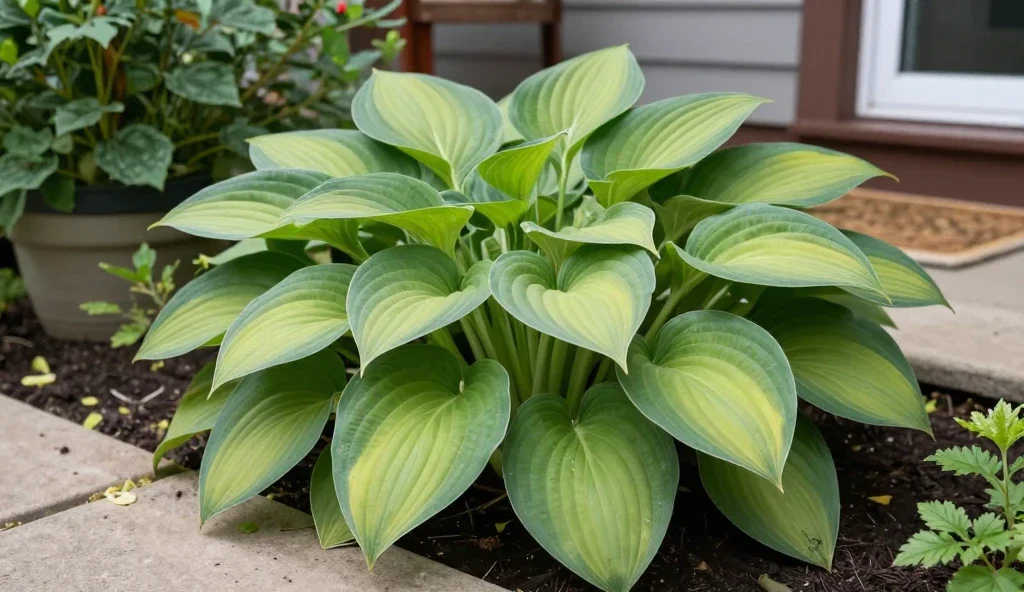

If you’re new to gardening and looking for an easy, low-maintenance plant to start with, hostas are one of the best choices. Known for their lush foliage and ability to thrive in shaded areas, hostas are perfect for beginners who want a beautiful garden without too much effort.
In this complete guide, you’ll learn everything about gardening with hostas at home—from planting and care to design ideas and common mistakes to avoid.
What Are Hostas?
Hostas are perennial plants that are mainly grown for their attractive leaves rather than flowers. They come in a variety of sizes, colors, and textures, making them a favorite among home gardeners.
These plants are especially popular in regions with moderate climates and are widely used in landscaping because of their ability to grow well in shade.
Why Choose Hostas for Home Gardening?
1. Beginner-Friendly
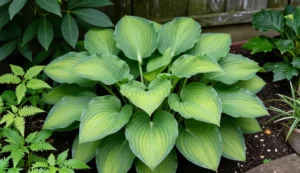
Hostas are extremely easy to grow and require minimal care, making them ideal for beginners.
2. Thrive in Shade
Most plants need sunlight, but hostas do well in partial to full shade, which is perfect for areas where sunlight is limited.
3. Low Maintenance
Once established, hostas need very little attention apart from occasional watering and feeding.
4. Variety of Options
There are hundreds of hosta varieties available, ranging in size from small to very large, with leaves in green, blue, yellow, and variegated patterns.
Best Conditions for Growing Hostas
Light Requirements
Hostas prefer partial shade to full shade. Some varieties can tolerate morning sunlight, but too much direct sun can damage the leaves.
Soil Requirements
- Well-drained soil
- Rich in organic matter
- Slightly acidic to neutral pH
Watering Needs
Hostas love moisture but don’t like soggy soil.
- Water regularly
- Keep soil consistently moist
How to Plant Hostas at Home
Step 1: Choose the Right Location
Pick a shaded or partially shaded area in your garden or yard.
Step 2: Prepare the Soil
Mix compost or organic matter into the soil to improve fertility and drainage.
Step 3: Planting
- Dig a hole twice the size of the root ball
- Place the plant in the hole
- Cover with soil and gently press down
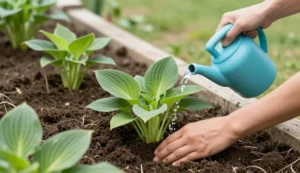
Step 4: Water Thoroughly
After planting, water the hosta deeply to help it establish roots.
Growing Hostas in Pots
If you don’t have a garden, don’t worry! Hostas can also be grown in containers.
Tips for Container Gardening
- Use a pot with drainage holes
- Choose high-quality potting soil
- Place in shaded balcony or patio
Caring for Hostas
Fertilizing
Use a balanced fertilizer in spring to promote healthy growth.
Pruning
Remove dead or damaged leaves regularly to keep the plant healthy.
Mulching
Add mulch around the plant to retain moisture and prevent weeds.
Common Problems and Solutions
1. Slugs and Snails
These pests love hostas and can damage leaves.
Solution: Use organic pest control or barriers.
2. Yellow Leaves
Caused by too much sun or poor drainage.
Solution: Move to shade and improve soil.
3. Slow Growth
Could be due to poor soil or lack of nutrients.
Solution: Add compost and fertilizer.
Best Hosta Varieties for Beginners
- Blue Angel – Large, blue-green leaves
- Golden Tiara – Small and fast-growing
- Patriot – Green leaves with white edges
- Sum and Substance – Big, bold, and bright
Garden Design Ideas with Hostas
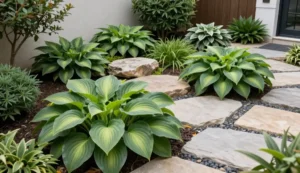
1. Shade Garden
Use hostas as the main plant in shaded areas.
2. Border Plants
Line pathways or garden edges with hostas.
3. Mix with Other Plants
Combine hostas with ferns and other shade-loving plants for a natural look.
Benefits of Growing Hostas
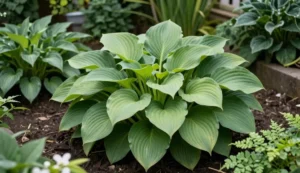
Environmental Benefits
- Improve soil quality
- Support biodiversity
Mental Health Benefits
Gardening with hostas can reduce stress and improve mood.
Aesthetic Value
They add beauty and structure to any garden space.
Common Mistakes to Avoid
- Planting in full sun
- Overwatering or poor drainage
- Ignoring pests
- Not spacing plants properly
Seasonal Care Tips
Spring
- Plant new hostas
- Fertilize and water
Summer
- Maintain moisture
- Watch for pests
Fall
- Cut back dead leaves
- Prepare for winter
Winter
- Hostas go dormant
- Minimal care needed
Final Tips for Success
- Start with a few plants
- Be consistent with care
- Observe plant behavior
- Learn and improve over time
Conclusion
Gardening with hostas at home is one of the easiest and most rewarding ways to begin your gardening journey. With their low maintenance needs and stunning foliage, hostas can transform any shaded area into a lush, green paradise.
Whether you have a backyard or a small balcony, you can successfully grow hostas and enjoy the beauty they bring to your home.
FAQs
Q1: What are hostas and why are they popular in home gardening?
Ans: Hostas are shade-loving perennial plants known for their large decorative leaves and low maintenance nature, making them ideal for beginners.
Q2: How do you plant hostas at home?
Ans: Plant hostas in well-drained soil in a shaded area, dig a hole, place the roots, cover with soil, and water thoroughly.
Q3: Do hostas need full sun or shade?
Ans: Hostas grow best in partial to full shade. Too much direct sunlight can damage their leaves.
Q4: How often should you water hostas?
Ans: Water hostas regularly to keep the soil moist, especially during hot weather, but avoid overwatering.
Q5: Can hostas be grown in pots or containers?
Ans: Yes, hostas can grow well in containers with proper drainage and good-quality potting soil.
Q6: What are the common problems when growing hostas?
Ans: Common issues include slugs, yellow leaves, and slow growth, which can be managed with proper care and pest control.
Q7: Are hostas easy to grow for beginners?
Ans: Yes, hostas are one of the easiest plants to grow, making them perfect for beginner gardeners.