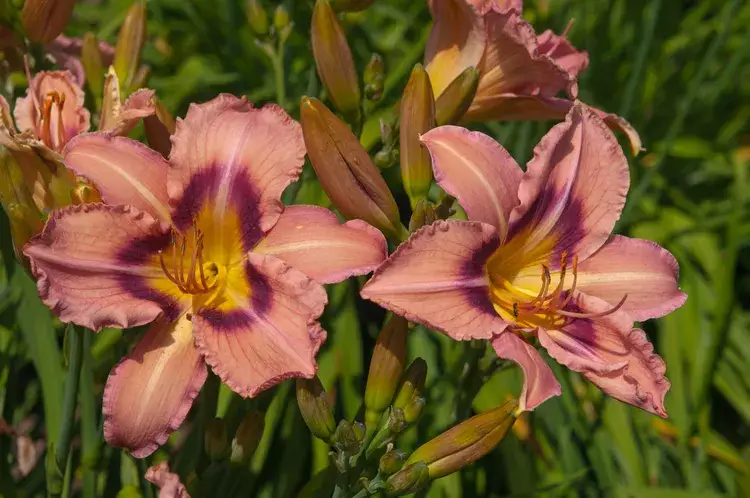

Gardening is a beautiful and relaxing activity that allows people to connect with nature while creating a peaceful and green environment at home. Many people think that gardening is difficult and requires a lot of time, effort, and experience. However, the truth is that with smart gardening techniques, anyone can grow healthy plants without stress. Smart gardening means using simple, effective, and time-saving methods that help plants grow better while reducing hard work.
In this article, we will explore easy and practical ways to grow healthy plants using smart gardening ideas that are perfect for beginners as well as experienced gardeners.
Understanding Smart Gardening

Smart gardening is all about working in an intelligent way instead of working harder. It focuses on using the right methods, tools, and techniques to make gardening easier and more productive. Instead of wasting time and resources, smart gardening helps you achieve better results with less effort.
For example, choosing plants that suit your climate, using natural fertilizers, and watering plants correctly are all part of smart gardening. These small but effective steps can make a big difference in plant health and growth.
Choosing the Right Plants for Your Environment
One of the most important steps in gardening is selecting the right plants according to your environment. Every plant has different needs, such as sunlight, water, and temperature. If you choose plants that are suitable for your local climate, they will grow faster and stay healthier.
Beginners should start with easy-to-grow plants like mint, coriander, aloe vera, tomatoes, and marigold flowers, as these plants require less care and are more resistant to common problems. By starting with simple plants, you can build confidence and gradually move to more advanced gardening.
Preparing Healthy and Nutrient-Rich Soil
Soil is the foundation of plant growth, and healthy soil leads to healthy plants. Good soil should be soft, well-drained, and full of nutrients that plants need to grow strong roots and leaves.
You can improve soil quality by adding organic matter such as compost, which is made from decomposed kitchen waste and dry leaves and provides essential nutrients to the plants. Using natural materials instead of chemical fertilizers not only improves soil health but also protects the environment and ensures long-term fertility.
Watering
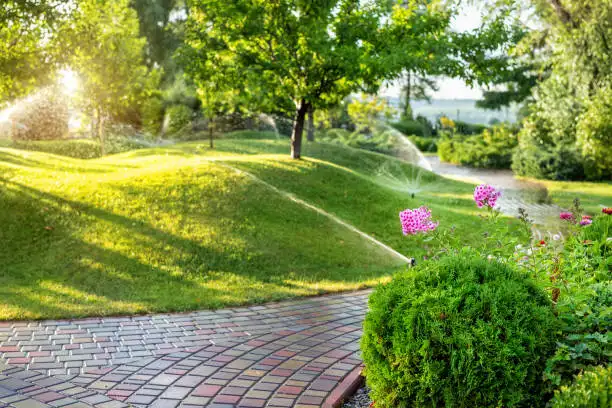
Watering is one of the most important parts of gardening, but it must be done correctly to avoid damaging the plants. Overwatering can cause root rot, while underwatering can make plants dry and weak.
A smart way to water plants is to check the soil moisture before watering and provide water only when needed. It is also better to water plants early in the morning or in the evening when the temperature is lower, as this helps reduce water loss due to evaporation. Proper watering keeps plants healthy and saves water at the same time.
Using Natural Fertilizers for Better Growth
Natural fertilizers are an important part of smart gardening because they provide essential nutrients without harming the soil or plants. They are safe, eco-friendly, and easily available.
Compost is a natural fertilizer made from decomposed kitchen waste, dry leaves, and organic materials that enrich the soil with nutrients and improve plant growth. Cow dung is another powerful organic fertilizer that has been used for centuries to increase soil fertility, strengthen plant roots, and promote healthy development. Banana peel fertilizer, which is rich in potassium and other minerals, helps plants grow stronger, improves flowering, and enhances overall plant health.
Using these natural fertilizers regularly can make your plants healthier and more productive.
Providing the Right Amount of Sunlight
Sunlight is essential for plants because it helps them produce food through a natural process called photosynthesis. Without proper sunlight, plants may become weak and unhealthy.
Most plants need about six to eight hours of sunlight daily, while some plants grow better in partial shade. It is important to understand the sunlight needs of each plant and place them accordingly. Indoor plants should be kept near windows where they can receive enough natural light.
Controlling Pests in a Natural Way
Pests and insects can damage plants and reduce their growth, but using harmful chemicals is not always the best solution. Smart gardening focuses on natural pest control methods that are safe and effective.
You can use neem oil spray, grow pest-repelling plants like basil, and keep your garden clean to prevent insect problems. Removing damaged leaves and checking plants regularly also helps control pests before they spread.
Making Gardening Easy with Simple Tools
Using the right tools can make gardening easier and more efficient. You do not need expensive equipment; simple tools are enough to manage your garden effectively.
Basic tools such as a hand trowel, watering can, pruning scissors, and garden gloves help in planting, watering, and maintaining plants properly. These tools save time and make gardening more comfortable.
Container Gardening for Small Spaces
If you have limited space, container gardening is a smart and practical solution. You can grow plants in pots, buckets, or other containers and place them on balconies, rooftops, or small areas.
Container gardening is easy to manage, portable, and suitable for urban living. Just make sure that the containers have proper drainage holes to prevent excess water from collecting.

Healthy plants need regular care and attention. Smart gardening includes simple maintenance practices such as removing weeds, trimming plants, and checking for diseases.
Spending a little time daily in your garden helps you understand your plants better and keeps them in good condition. Regular care prevents problems and supports healthy growth.
Saving Water with Smart Techniques
Water conservation is an important part of smart gardening. Instead of wasting water, you can use simple techniques to save it.
Methods such as drip irrigation, mulching to retain soil moisture, and collecting rainwater can help reduce water usage while keeping plants healthy. These techniques are both eco-friendly and cost-effective.
Learning and Improving Over Time
Gardening is a continuous learning process, and every experience teaches you something new. By observing your plants closely, you can understand their needs and improve your gardening skills.
If a plant is not growing well, try to identify the problem and make changes. With time and practice, you will become more confident and successful in gardening.
Conclusion
Smart gardening is the perfect way to grow healthy plants using simple, effective, and time-saving methods. By choosing the right plants, preparing good soil, watering properly, and using natural fertilizers, anyone can create a beautiful and healthy garden at home.
Gardening is not just about growing plants; it is about patience, care, and enjoying the process. Start small, stay consistent, and use smart techniques to make your gardening journey successful and enjoyable. With the right approach, you can turn any space into a green and refreshing environment.
FAQ
Q1: What is smart gardening?
Smart gardening is an easy and modern way of growing plants using simple techniques like proper watering, good soil, and natural fertilizers to keep plants healthy.
Q2: How can I grow healthy plants at home?
You can grow healthy plants by using good quality soil, giving enough sunlight, watering regularly, and using organic fertilizers like compost.
Q3: What are the best natural fertilizers for plants?
The best natural fertilizers include compost, cow dung, and banana peel fertilizer, as they provide important nutrients for plant growth.
Q4: How often should I water my plants?
Plants should be watered when the top soil feels dry. Avoid overwatering because it can damage the roots.
Q5: Why is sunlight important for plants?
Sunlight helps plants make food through photosynthesis, which is necessary for their growth and health.