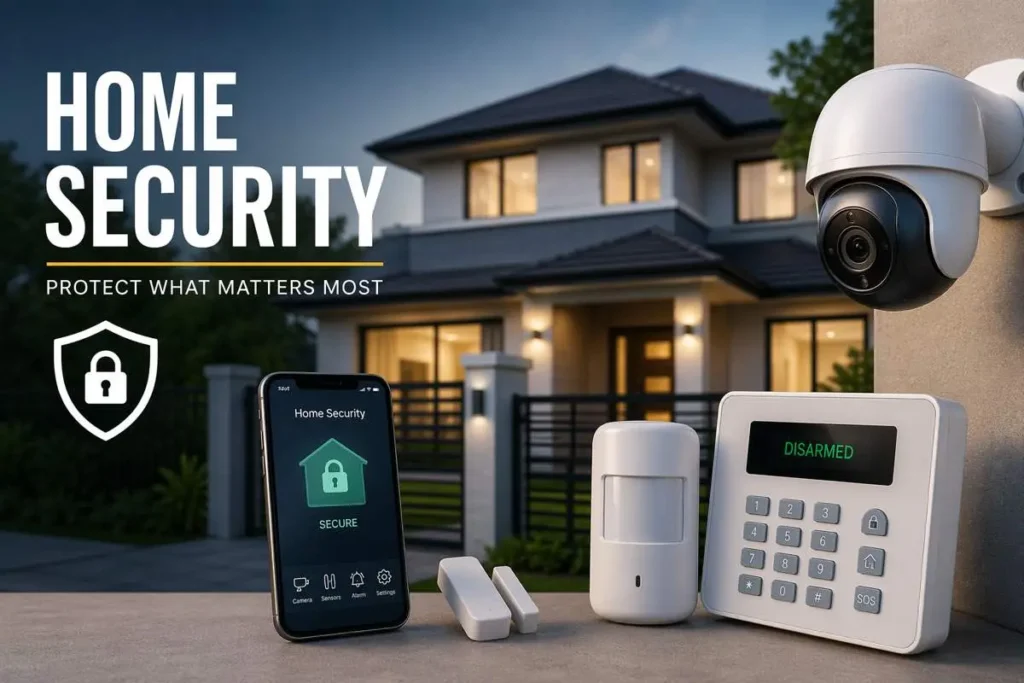

From controlling lights with your voice to monitoring your home security from your mobile phone, smart home technology is no longer a luxury—it is becoming a necessity. In 2026, the demand for home automation systems is increasing worldwide as people want comfort, safety, and control at their fingertips.
This article will guide you through everything you need to know about smart home devices, their types, benefits, and how they are shaping the future of modern living.
Table of Contents
ToggleWhat Are Smart Home Devices?
Smart home devices are electronic gadgets connected to the internet that allow users to control and automate household functions remotely. These devices use technologies like Wi-Fi, Bluetooth, and IoT (Internet of Things) to communicate with each other.
For example:
-
You can turn off lights using your smartphone.
-
You can lock your doors from anywhere in the world.
-
You can control room temperature automatically.
These devices make your home smarter, safer, and more efficient.
Types of Smart Home Devices
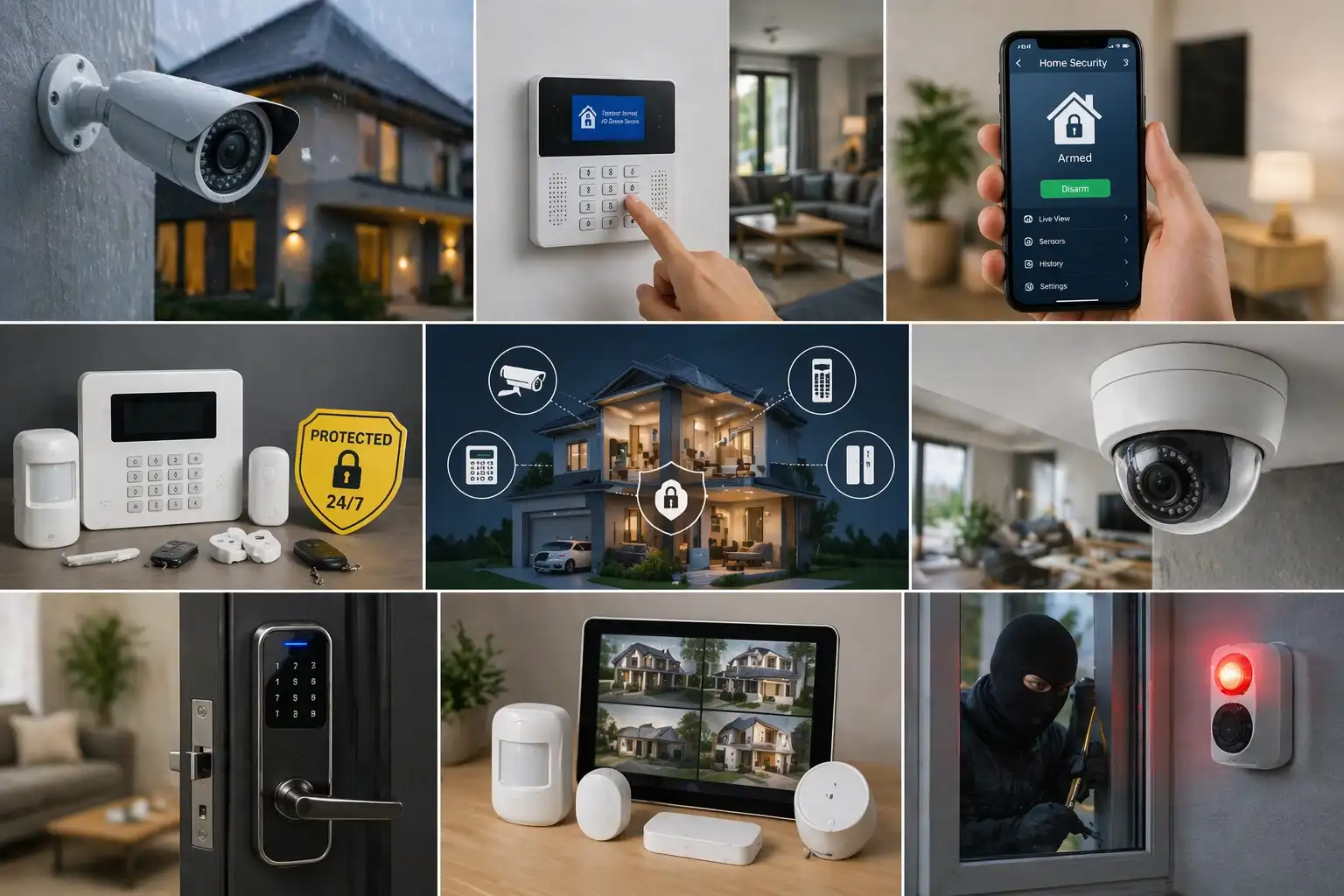
There are many types of smart home gadgets available today. Let’s explore the most popular ones:
1. Smart Lighting Systems
Smart lights allow you to control brightness, color, and timing using your phone or voice assistant.
Benefits:
-
Energy saving
-
Remote control
-
Mood lighting customization
2. Smart Security Systems
Security is one of the most important parts of any home. Smart security systems include:
-
Smart cameras
-
Motion sensors
-
Smart door locks
Benefits:
-
Real-time monitoring
-
Mobile alerts
-
Remote access control
3. Smart Thermostats
These devices automatically adjust room temperature based on your preference.
Benefits:
-
Energy efficiency
-
Comfort control
-
Cost saving on electricity bills
4. Smart Entertainment Systems
Includes smart TVs, speakers, and streaming devices.
Benefits:
-
Voice-controlled entertainment
-
Streaming apps integration
-
High-quality experience
5. Smart Home Appliances
These include smart refrigerators, washing machines, and vacuum cleaners.
Benefits:
-
Automation of daily tasks
-
Time-saving
-
Remote control through apps
How Smart Home Technology Works
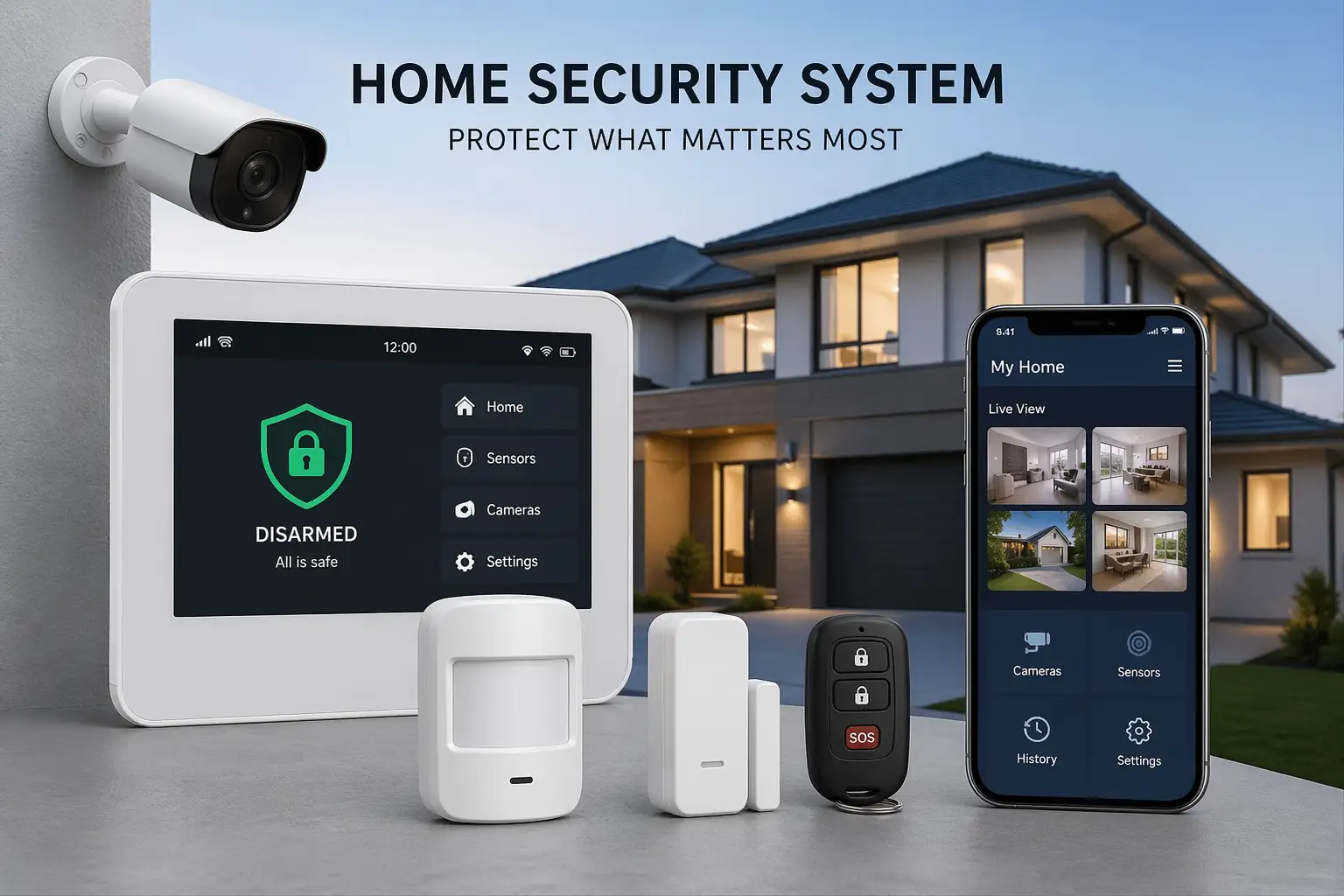
Smart home systems work using IoT (Internet of Things). Each device is connected to the internet and communicates with a central hub or mobile app.
Basic process:
-
Device collects data
-
Sends data to cloud system
-
User controls it via app or voice assistant
-
Device performs action automatically
Popular voice assistants include:
-
Google Assistant
-
Apple Siri
Benefits of Smart Home Devices
Smart home devices are transforming modern living by making homes smarter, safer, and more efficient. They not only save time but also improve overall lifestyle by adding comfort and control.
1. Convenience
Smart home devices make everyday tasks easier by allowing you to control different appliances from your smartphone or voice commands. Whether it’s turning off lights, adjusting temperature, or managing devices remotely, everything becomes quick and hassle-free.
2. Energy Efficiency
One of the biggest advantages of smart home technology is energy saving. These devices automatically adjust power usage based on your needs, helping reduce unnecessary electricity consumption and making your home more eco-friendly.
3. Enhanced Security
Smart security systems provide advanced protection through features like live monitoring, motion detection, and instant alerts. You can keep an eye on your home in real-time, even when you are not there, which increases safety and peace of mind.
4. Cost Savings
By reducing energy wastage, smart devices help lower your monthly utility bills. Although the initial investment may seem high, in the long run, it proves to be a cost-effective solution.
5. Improved Comfort & Lifestyle
Smart homes create a more comfortable and enjoyable living environment. Automation allows you to personalize settings like lighting and temperature, making your daily routine smoother, more relaxing, and stress-free.
Smart Home Setup Guide (Beginner Friendly)
If you want to build your smart home, follow these steps:
Step 1: Start Small
Begin with basic devices like:
-
Smart bulbs
-
Smart plugs
Step 2: Choose a Smart Hub
Select a platform like:
-
Google Home
-
Amazon Alexa
Step 3: Add Security Devices
Install:
-
Smart cameras
-
Door sensors
Step 4: Automate Your Home
Set routines like:
-
Lights off at bedtime
-
AC on before arriving home
Step 5: Expand Slowly
Add more devices over time.
Future of Smart Home Devices
The future of smart home technology is very promising. In the coming years, we will see:
-
AI-powered homes
-
Fully automated kitchens
-
Advanced voice assistants
-
Self-learning home systems
-
Better energy management
Smart homes will become more intelligent and independent, reducing human effort even further.
Conclusion
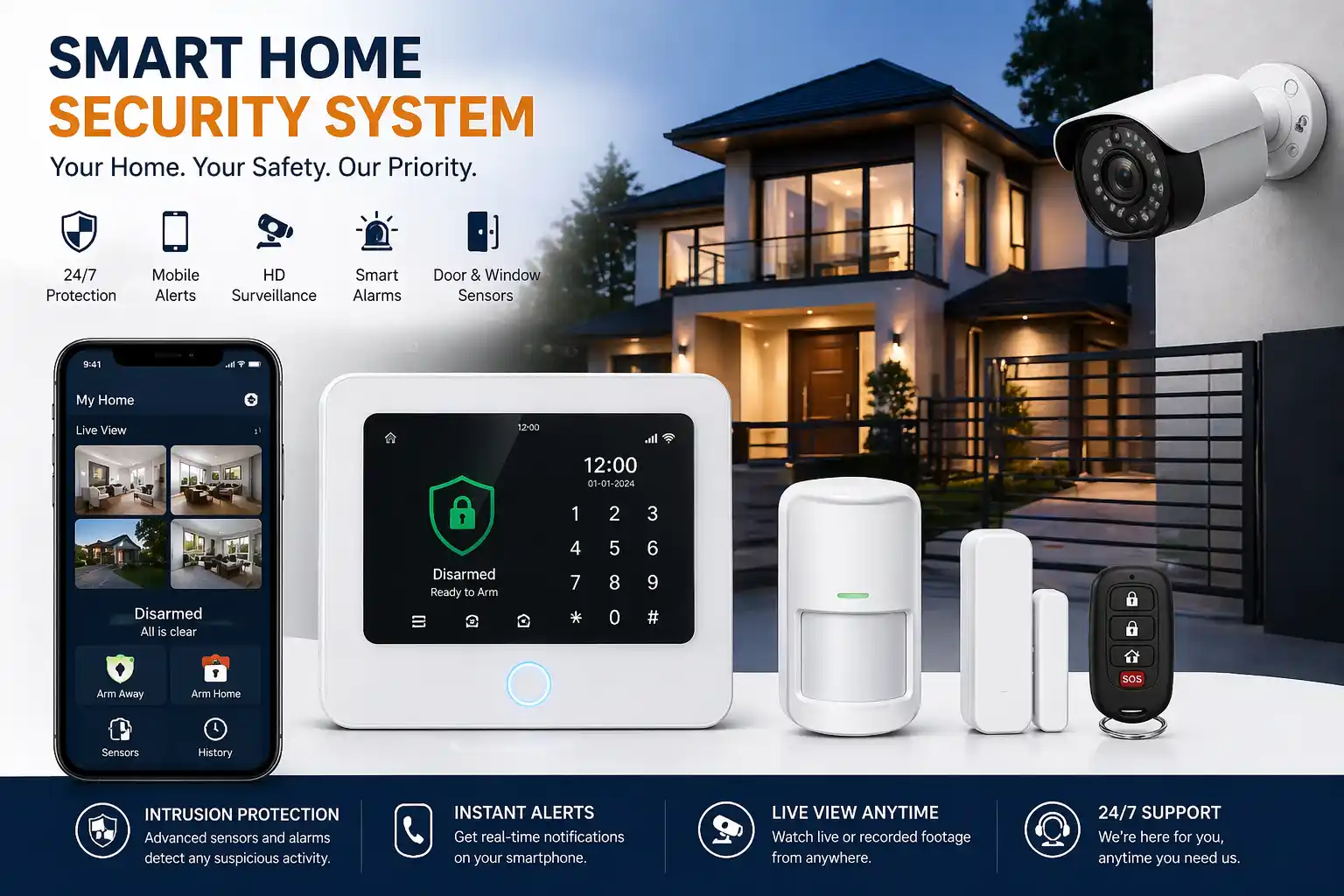
Smart home devices are changing the way we live by making homes more intelligent, safe, and efficient. From lighting to security and entertainment, everything can now be controlled with a single tap.
As technology continues to grow, smart homes will become a standard part of everyday life. Investing in home automation systems today means preparing for a smarter and more convenient future.
Explore more about smart home devices. visit newhomeessentials
FAQs
1. What are smart home devices?
Smart home devices are internet-connected gadgets that allow you to control and automate household functions like lighting, security, temperature, and appliances using a smartphone or voice assistant.
2. How do smart home devices work?
Smart home devices work using IoT (Internet of Things) technology. They connect to the internet and communicate through a central hub or mobile app, allowing users to control them remotely or automate their functions.
3. Are smart home devices expensive to install?
The cost depends on the type and number of devices you choose. Basic devices like smart bulbs and plugs are affordable, while full home automation systems with security and AI features can be more expensive.
4. What are the benefits of using smart home technology?
Smart home technology offers many benefits, including convenience, energy efficiency, improved security, cost savings, and better control over household systems from anywhere.
5. Can smart home devices improve home security?
Yes, smart home security devices like smart cameras, motion sensors, and smart locks provide real-time monitoring, alerts, and remote access, which significantly improves home safety.