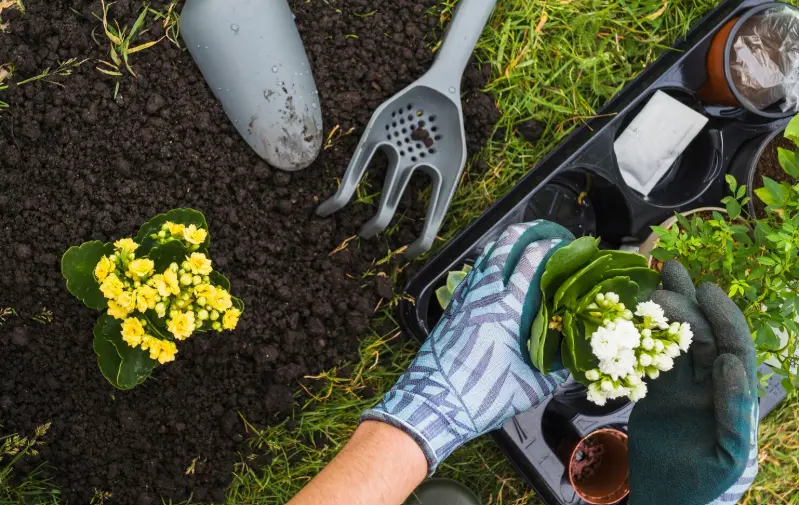

Gardening is a peaceful and rewarding hobby that anyone can start. It allows you to connect with nature, reduce stress, and make your surroundings more beautiful. Whether you have a big backyard or a small balcony, you can grow plants and enjoy their beauty. Many beginners think gardening is difficult, but in reality, it becomes easy when you follow simple steps and stay consistent. This guide will help you understand the basics of gardening in very simple and clear words.
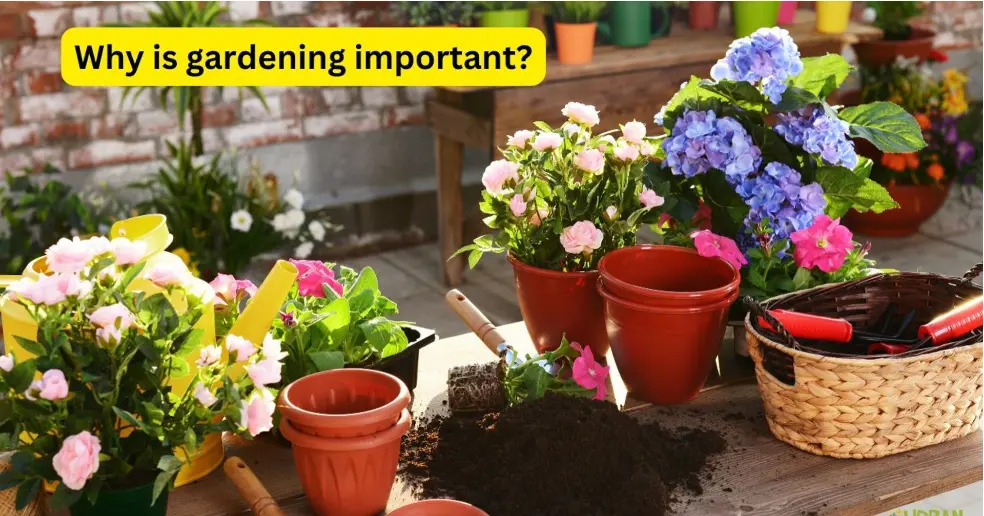
Why Gardening is Important
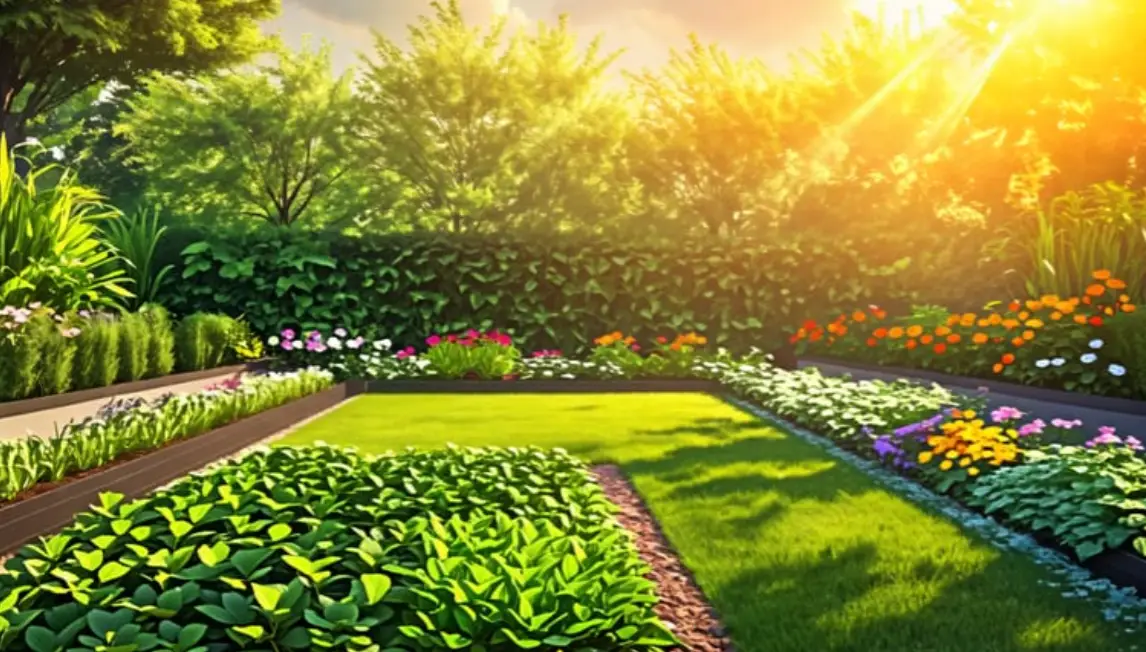
The first and most important step in gardening is selecting the right place. Plants need sunlight to grow, so choose a location where they can get at least 4 to 6 hours of sunlight daily. If you have a garden, that is great. If not, you can use a balcony, rooftop, or even a window that receives sunlight. Make sure the place has proper air and is not too crowded. Good space helps plants grow better and stay healthy.
Selecting the Best Location in Your Garden
Choosing the best location in your garden is very important for healthy plant growth. Most plants need at least 6–8 hours of sunlight daily, so pick a spot that gets enough sun. Make sure the area has good soil and proper drainage to prevent water from collecting around roots. It is also helpful to choose a place that is easy to access for watering and care. Avoid areas with strong winds or too much shade. A well-chosen location will help your plants grow faster, stay healthy, and produce better flowers or vegetables.
Decide What to Grow
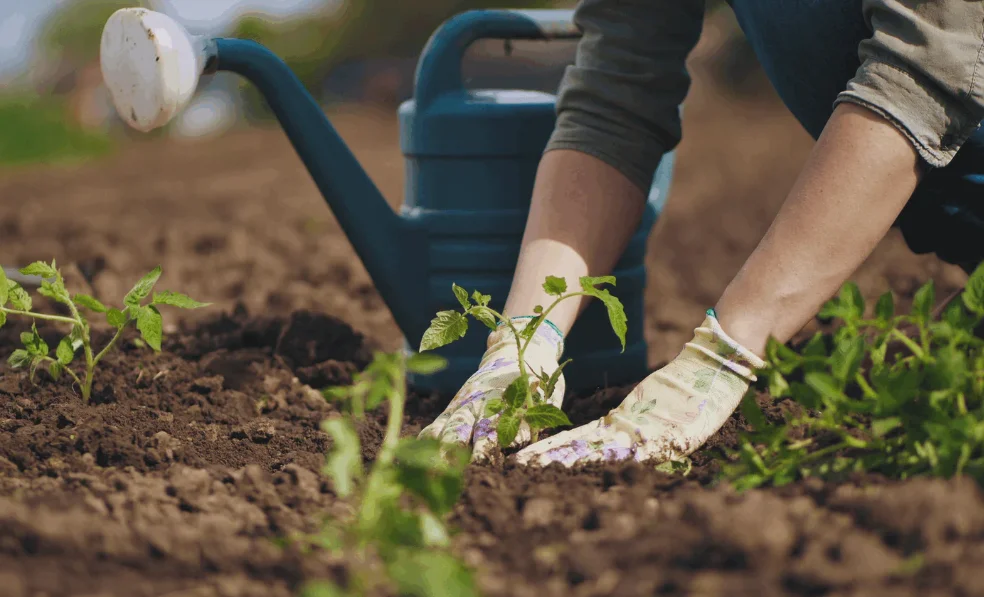
As a beginner, it is important to choose the right plants. Start with easy and low-maintenance plants. You can grow flowers like marigolds, sunflowers, or roses. Herbs like mint, coriander, and basil are also great options because they grow quickly and are useful in the kitchen. If you want to grow vegetables, try tomatoes, chilies, or spinach. Choosing simple plants will help you learn gardening without stress.
Understand Your Climate
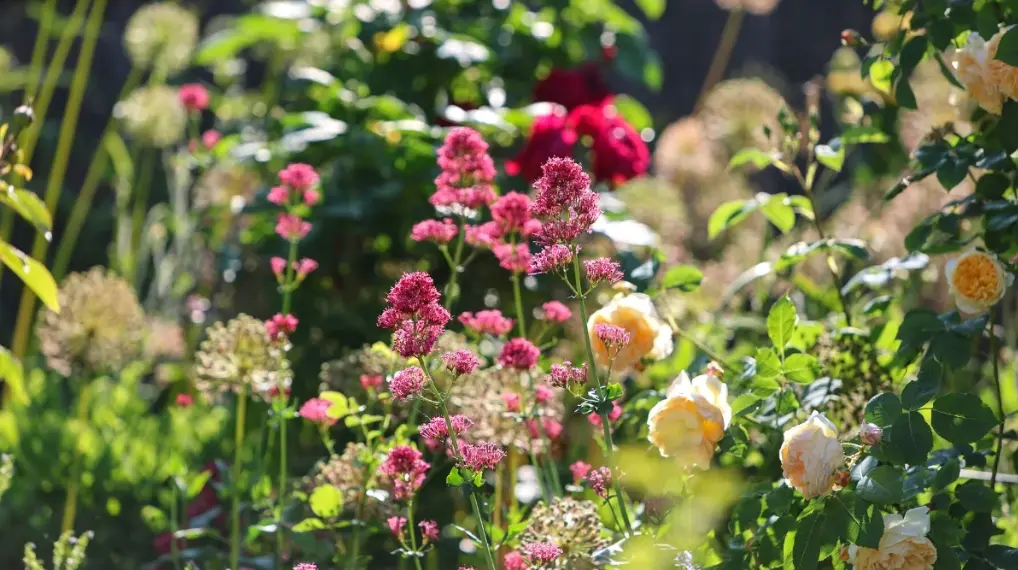
Different plants grow well in different climates. It is important to understand the weather in your area. In warm regions, plants like tomatoes and chilies grow well, while in cooler areas, leafy vegetables grow better. Also, some plants grow in specific seasons like winter or summer. Try to choose plants that match your local climate so they can grow easily and stay healthy.
Water the Plants Properly
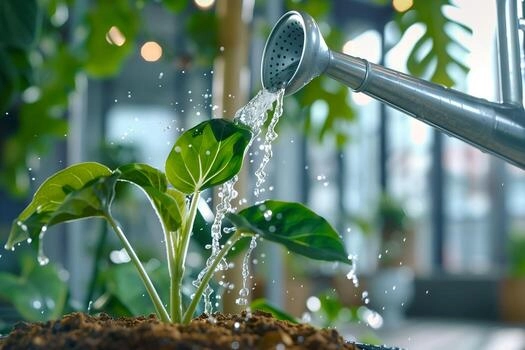
Water is very important for plants, but giving too much water can harm them. Many beginners think that more water means faster growth, but this is not true. Overwatering can cause roots to rot and plants may die. The best way is to water your plants only when the top layer of soil feels dry. You can check this by touching the soil with your finger. If it feels dry, then it is time to water. Usually, watering once a day is enough, but this depends on the weather, plant type, and pot size. In hot weather, plants may need more water because the soil dries quickly, while in winter or cooler weather, plants need less water. Always make sure that excess water can drain out from the pot to avoid waterlogging. It is also better to water plants in the morning or evening instead of the afternoon, so the water does not evaporate quickly.
Take Care of Your Plants
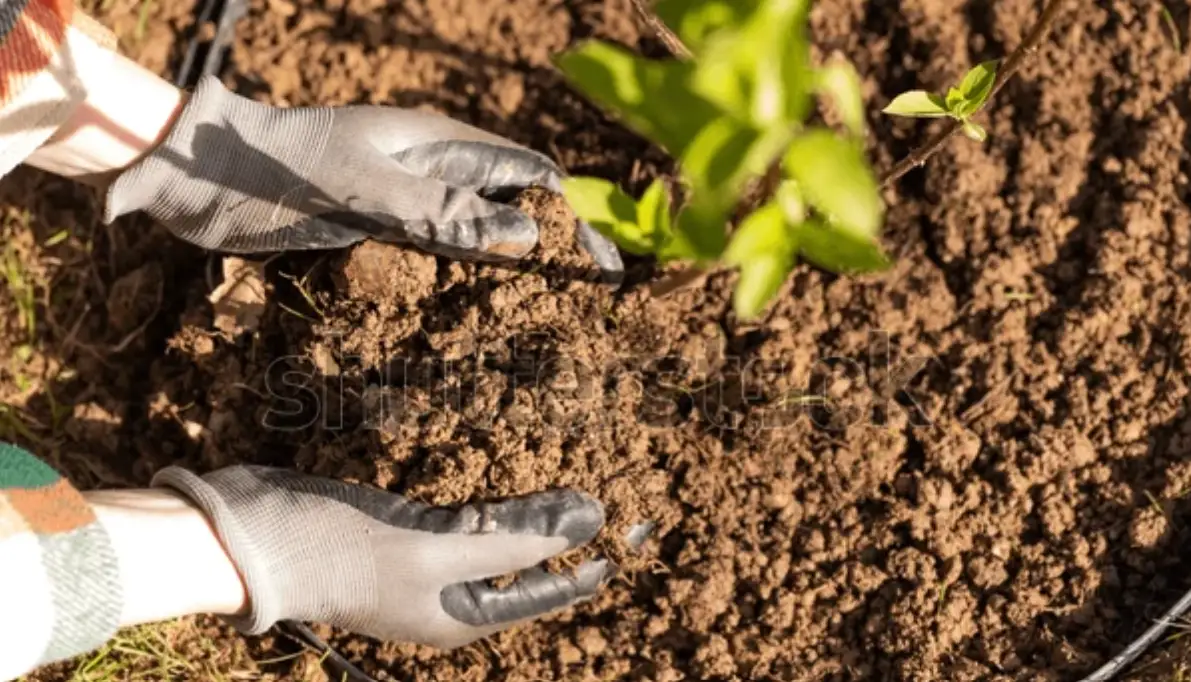
Plants need regular care and attention to stay healthy. Make it a habit to check your plants daily, even if it is just for a few minutes. Look for signs of growth or any problems like yellow leaves, dry branches, or insects. Remove dry, dead, or yellow leaves to keep the plant clean and healthy. Cleaning the plant also helps it grow better. If you notice insects or small bugs, try to remove them by hand or use natural sprays like neem oil. Avoid ignoring your plants, as small problems can become big if not treated on time. Giving proper care and attention will help your plants grow strong and beautiful.
Provide Essential Nutrients
Providing essential nutrients is important for healthy plant growth. Plants need nutrients like nitrogen, phosphorus, and potassium to grow strong roots, green leaves, and beautiful flowers. You can add these nutrients by using compost, organic fertilizers, or natural manure. Good soil also plays a key role, so make sure it is rich and well-balanced. Feeding your plants regularly helps them grow faster and stay healthy. However, avoid over-fertilizing, as it can harm the plants. By giving the right nutrients in the right amount, your plants will remain strong, vibrant, and productive throughout the growing season.
Enjoy the Process
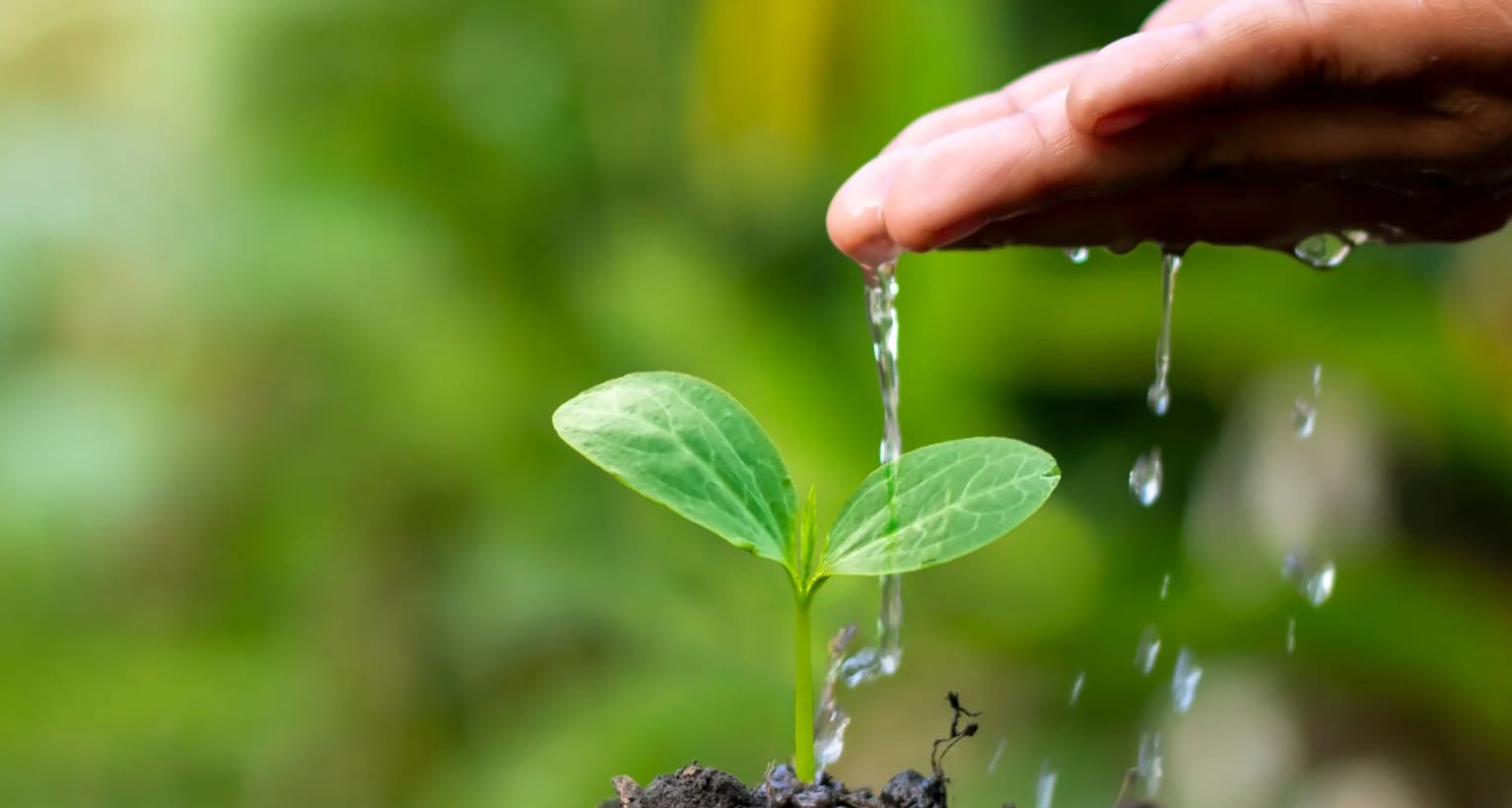
Gardening is not just about growing plants; it is also about enjoying the journey. Watching a small seed grow into a healthy plant is a beautiful and satisfying experience. It teaches patience, care, and responsibility. Spending time in your garden can make you feel relaxed and happy. Do not rush for results; take your time and enjoy every step of the process. Gardening can become a peaceful part of your daily routine.
Conclusion
Gardening is simple, enjoyable, and beneficial for everyone. By following these easy steps, you can start your gardening journey with confidence. Choose the right place, pick easy plants, prepare good soil, and take proper care of your plants. Water them carefully, give enough sunlight, and protect them from pests. With patience, learning, and regular care, your garden will grow beautifully. Start today and bring freshness, greenery, and happiness into your life.
FAQs
Some fast-growing plants include:
- Mustard greens
- Radish sprouts
- Cress (halim)
These can start growing within 5–7 days.
A beginner gardener needs:
- Good quality soil
- Seeds or small plants
- A watering can
- Sunlight
- Basic tools (small shovel, pots)