
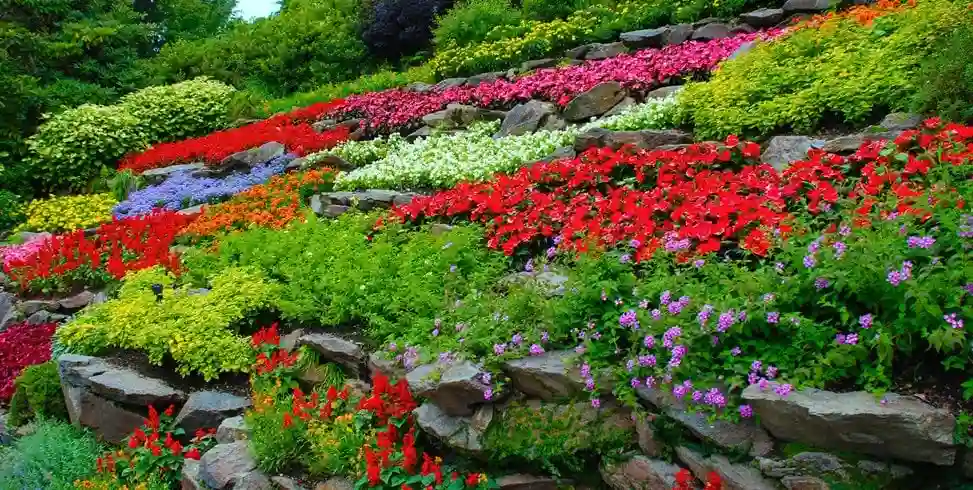

Flower gardening is one of the most rewarding and relaxing hobbies you can start. Whether you have a large backyard or a small balcony, growing flowers can bring beauty, freshness, and positivity into your space. If you are a beginner, don’t worry—this guide will help you understand the basics and get started easily.
Why Start Flower Gardening?
Flower gardening is not just about decoration; it has many benefits. It improves mental health by reducing stress, enhances the beauty of your home, and even helps the environment by attracting pollinators like bees and butterflies. For beginners, it’s a great way to connect with nature and learn a new skill.
Choosing the Right Flowers
The first step in flower gardening is selecting the right flowers. As a beginner, you should start with easy-to-grow plants. Some popular beginner-friendly flowers include:
- Marigolds
- Sunflowers
- Petunias
- Zinnias
- Roses (basic varieties)
Choose flowers based on your climate, sunlight availability, and space. For example, if your area gets a lot of sunlight, sunflowers and marigolds are excellent choices.
Selecting the Perfect Location
Flowers need proper sunlight to grow well. Most flowering plants require at least 6–8 hours of sunlight daily. Choose a location that receives enough sunlight, whether it’s your garden, rooftop, or balcony.
Also, make sure the area has good drainage. Water should not stay in the soil for too long, as it can damage the roots.
Preparing the Soil
Healthy soil is the foundation of successful flower gardening. Good soil should be:
- Well-drained
- Rich in nutrients
- Loose and airy
You can improve your soil by adding compost or organic matter. Compost provides essential nutrients and helps plants grow faster and healthier.
If you are using pots, choose a high-quality potting mix instead of regular garden soil.
Planting Your Flowers
Once your soil is ready, it’s time to plant your flowers. You can either use seeds or small plants (seedlings). For beginners, seedlings are easier to manage.
Follow these simple steps:
- Dig a small hole in the soil.
- Place the seed or plant carefully.
- Cover it lightly with soil.
- Water gently.
Make sure to leave enough space between plants so they can grow properly.
Watering and Care
Watering is one of the most important parts of flower gardening. Too much or too little water can harm your plants.
- Water your plants early in the morning or in the evening.
- Keep the soil moist, but not soggy.
- Avoid watering the leaves too much to prevent diseases.
Regular care also includes removing weeds, trimming dead flowers, and checking for pests.
Fertilizing Your Plants
Flowers need nutrients to bloom beautifully. You can use organic fertilizers like compost, manure, or liquid fertilizers.
Apply fertilizer every 2–3 weeks for best results. However, avoid over-fertilizing, as it can damage the plants.
Dealing with Pests and Diseases
Pests like insects can damage your flowers. To protect your garden:
- Use natural remedies like neem oil spray
- Keep your garden clean
- Remove infected leaves immediately
Healthy plants are less likely to get diseases, so proper care is very important.
Tips for Success
- Start small and expand gradually
- Choose seasonal flowers for better results
- Be patient—plants take time to grow
- Observe your plants daily to understand their needs
Conclusion
Flower gardening is a simple and enjoyable activity that anyone can start. With the right flowers, proper care, and a little patience, you can create a beautiful and colorful garden. As a beginner, focus on learning step by step, and soon you will gain confidence and experience.
Start your flower gardening journey today and enjoy the beauty of nature right at your home!
