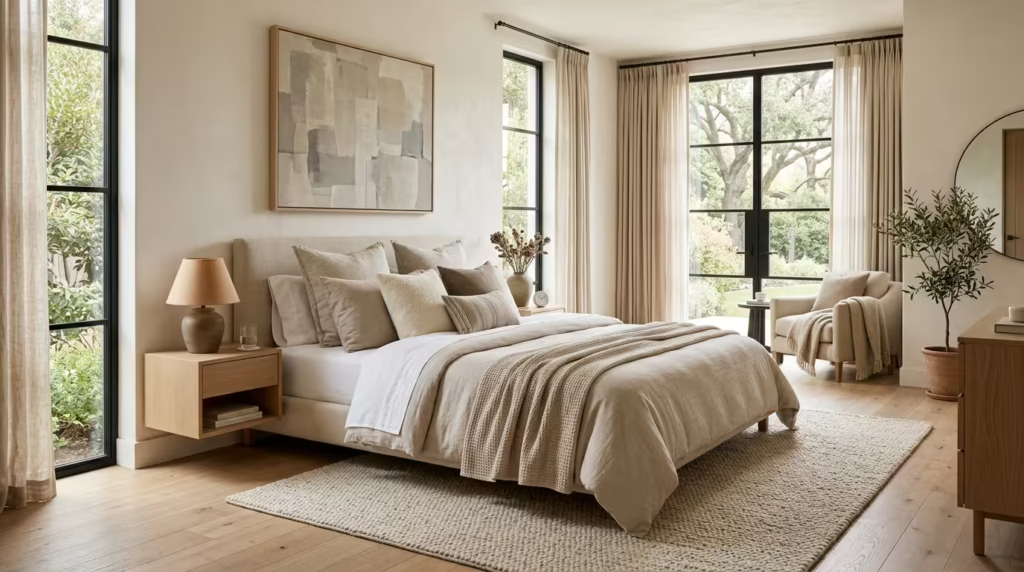

“A well-designed master bedroom begins with the bed itself, where thoughtful bedding choices define not only comfort, but the entire character of the space.”
Master bedroom bedding ideas focus on three essentials: comfort, layering, and material choice. In 2026, the strongest designs emphasize neutral palettes, breathable natural fabrics, and structured layering that balances visual calm with functional warmth. Whether furnishing a new space or refining an existing room, bedding should align with sleep quality, seasonal flexibility, and long-term durability. These principles are also central to modern new home essentials, where bedding is treated as both a design foundation and a wellness investment.
What “Master Bedroom Bedding Ideas” Really Means
Master bedroom bedding ideas refer to the selection and arrangement of bed linens, duvets, pillows, and decorative layers used to create comfort, temperature control, and visual harmony in a primary bedroom. The intent behind this search is practical: users want actionable guidance on what to buy, how to layer it, and how to achieve a balanced aesthetic.
Modern design publications consistently highlight that bedding is no longer treated as an afterthought. According to insights commonly reflected in interior design analysis from sources such as Architectural Digest and Better Homes & Gardens, bedding is now considered a central design element that influences both sleep quality and room atmosphere.
In simple terms, the goal is to create a bed that feels comfortable, looks composed, and works across seasons.
Core Principles of Master Bedroom Bedding
A well-designed master bed typically follows these principles:
- Neutral or muted base colors for long-term versatility
- Layered textiles for comfort and visual depth
- Natural, breathable materials such as cotton, linen, or bamboo
- Balanced pillow arrangement (functional + decorative)
- Seasonal adaptability (light summer, warm winter layers)
These principles form the foundation of modern new home essentials, especially in bedrooms where comfort and longevity matter more than trends.
1. Neutral Bedding as a Long-Term Design Strategy
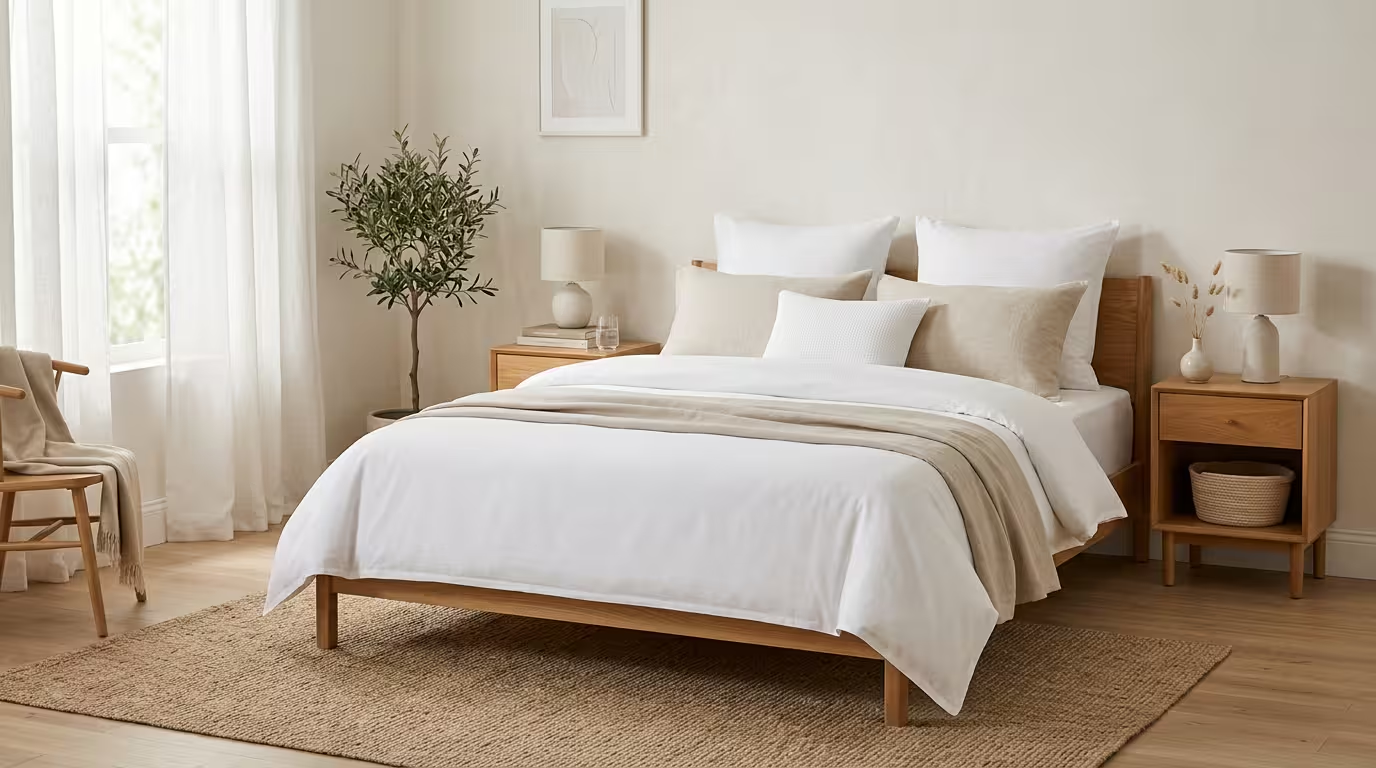
Neutral bedding remains the dominant approach in master bedrooms because it provides visual calm and design flexibility. Shades such as ivory, beige, soft grey, and muted taupe create a stable foundation that works with changing décor.
Why neutral bedding works
- Reduces visual clutter in the sleeping space
- Allows flexibility in accent colors (throws, cushions, rugs)
- Creates a hotel-inspired aesthetic that feels timeless
A commonly cited principle in interior design theory is that neutral palettes increase perceived spatial order. This is particularly important in bedrooms, where psychological rest is closely tied to visual simplicity.
2. Layering Techniques for Comfort and Depth
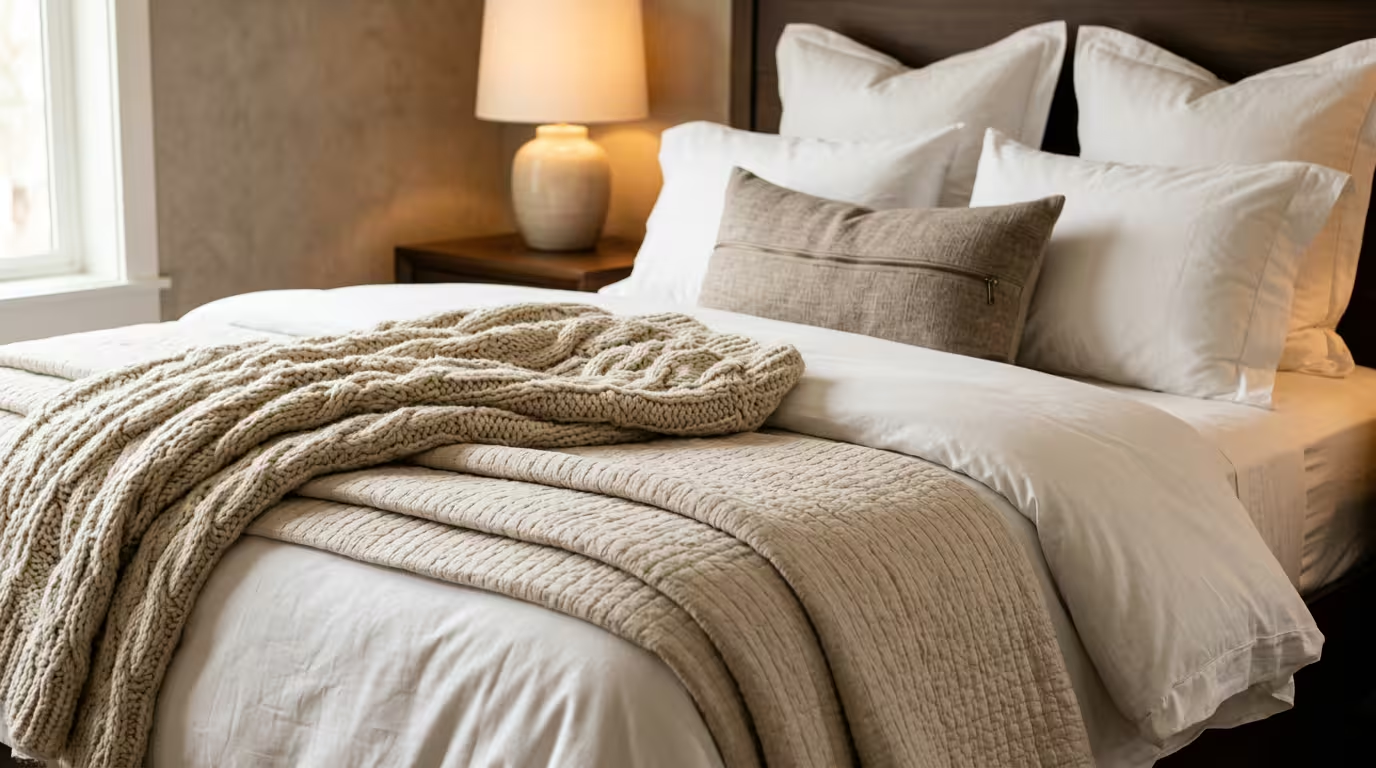
“A well-designed bed is not defined by decoration alone, but by how layers of texture and tone work together to create visual calm and functional comfort.”
Layering is the most important technical aspect of bedding design. A well-layered bed is not only visually appealing but also functionally adaptive.
Standard layering structure:
- Fitted sheet (base comfort layer)
- Flat sheet (optional in warmer climates)
- Lightweight blanket or coverlet
- Duvet or comforter
- Decorative throw
- Pillows (sleep + accent)
Practical layering insight
A layered bed allows users to adjust warmth without changing the entire bedding set. This is especially relevant in transitional climates and aligns with the principles of practical new home essentials, where adaptability is prioritized.
3. Material Selection: The Core of Sleep Quality
“Breathable natural fabrics such as cotton and linen are consistently linked with improved thermal comfort during sleep, which helps the body maintain a stable sleep cycle throughout the night.”
Material choice has a direct impact on sleep comfort, temperature regulation, and durability.
| Material | Key Benefit | Best Use |
|---|---|---|
| Cotton (Percale) | Crisp, breathable | Warm climates |
| Cotton (Sateen) | Soft, slightly glossy | Year-round luxury feel |
| Linen | Highly breathable, textured | Summer bedding |
| Bamboo | Moisture-wicking, eco-friendly | Sensitive skin |
| Microfiber | Affordable, durable | Budget setups |
Expert insight (paraphrased)
Sleep researchers frequently note that breathable natural fibers support more stable sleep temperature, which is essential for uninterrupted rest. This principle is often highlighted in bedding guides published by sleep-focused organizations and home design authorities.
4. Pillow Arrangements That Balance Function and Style
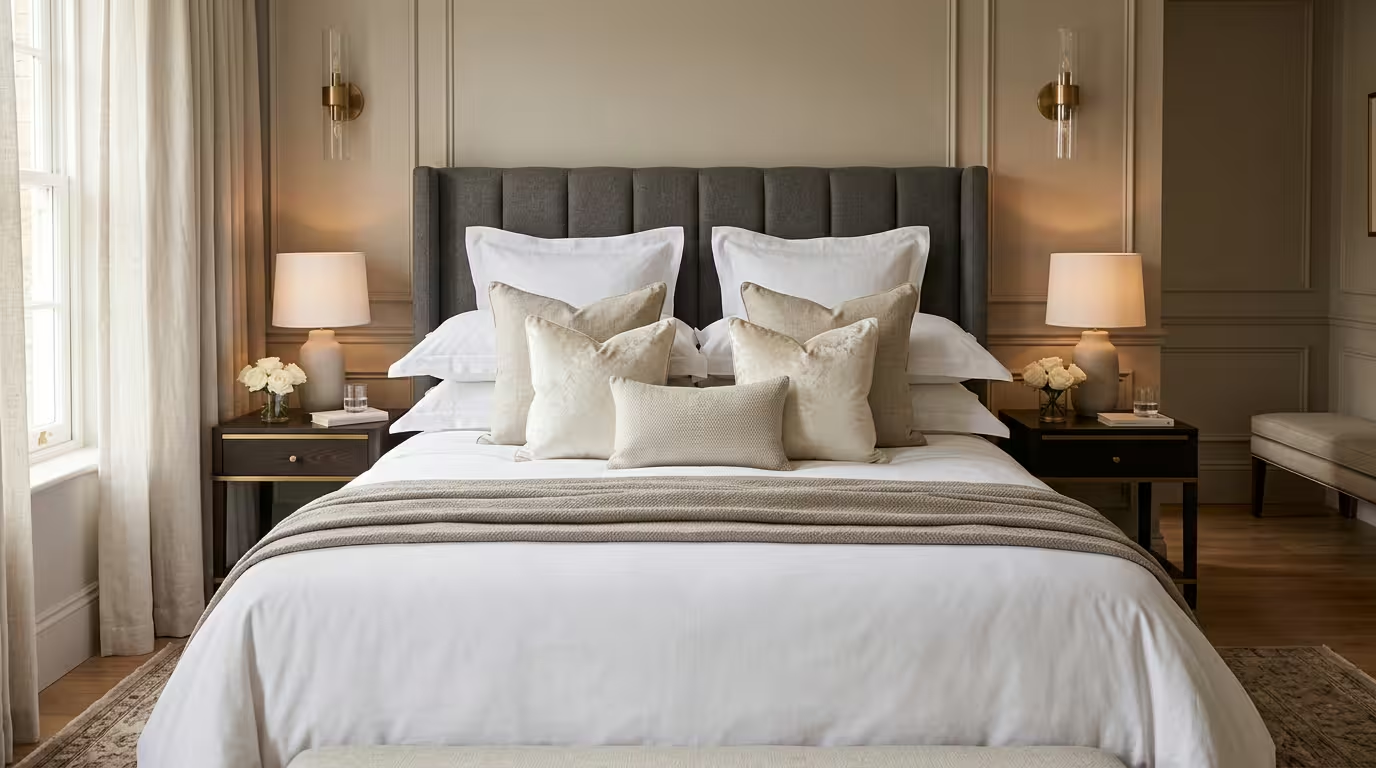
Pillows serve both ergonomic and aesthetic purposes. In master bedrooms, a structured arrangement improves both comfort and presentation.
Recommended setup:
- 2 sleeping pillows per person
- 2–4 Euro or square decorative pillows
- 1 long lumbar pillow for structure
The visual goal is symmetry with slight softness. Overcrowding the bed with pillows reduces usability, while too few can make the bed appear incomplete.
5. Color Psychology in Bedding Design
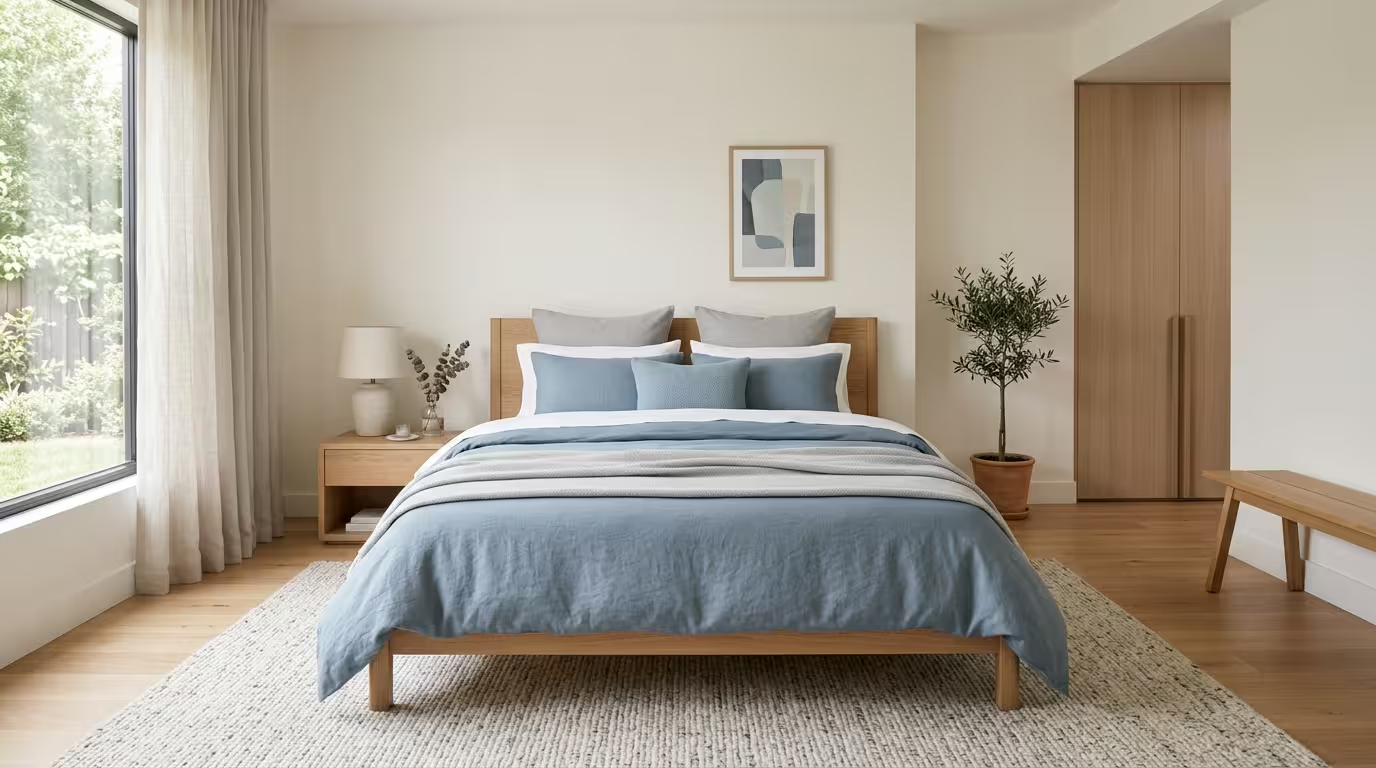
Color choice influences mood more than most people realize. In master bedrooms, calming tones are preferred because they support rest.
Common bedding color effects:
- Blue tones: calm and lower perceived stress
- Earth tones: warmth and stability
- White/cream: cleanliness and simplicity
- Grey: neutrality and modern balance
Design studies in environmental psychology often associate softer color palettes with improved sleep readiness, especially when paired with reduced visual noise.
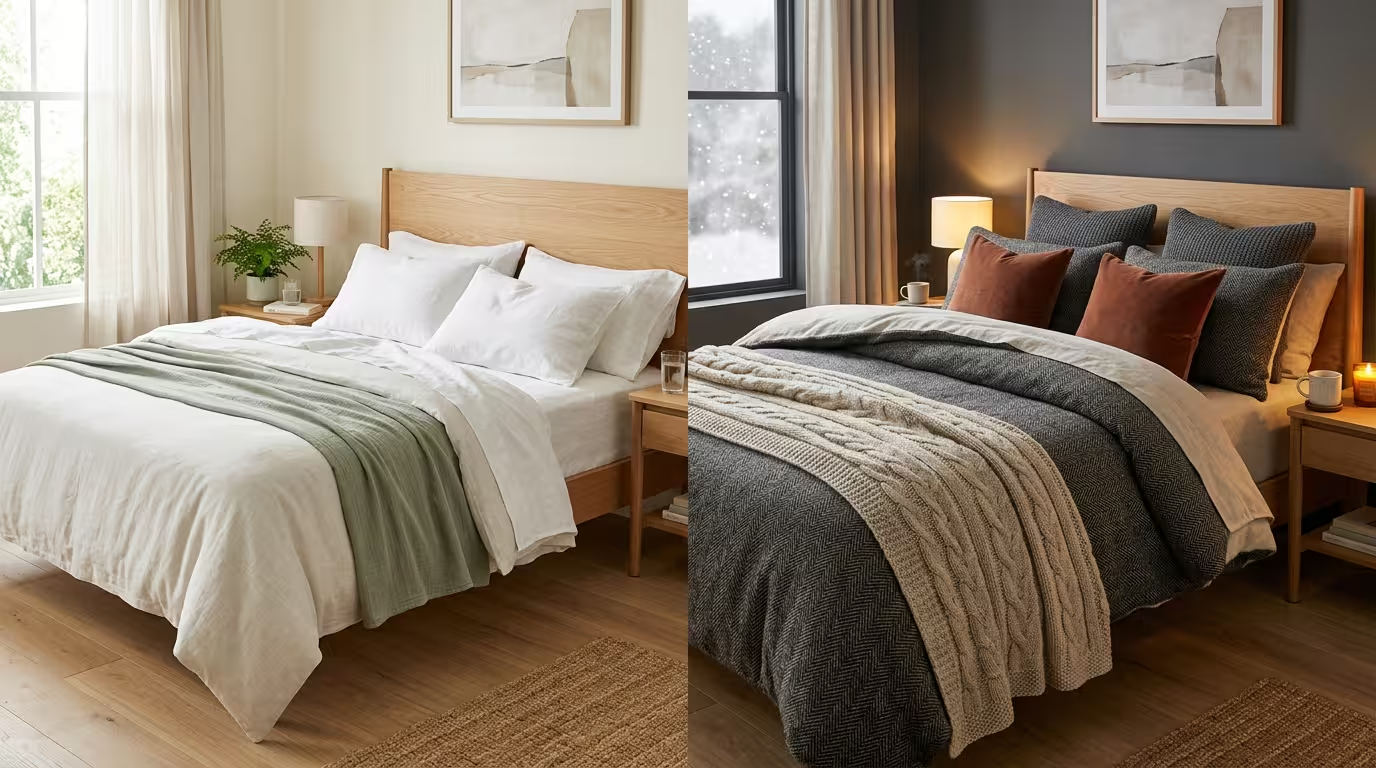
6. Seasonal Bedding Strategy
A functional master bedroom adapts to seasonal changes rather than relying on a single bedding setup year-round.
Summer setup:
- Lightweight cotton or linen sheets
- Minimal layering
- Breathable duvet or thin quilt
Winter setup:
- Flannel or sateen sheets
- Heavy duvet or comforter
- Additional throw layers
This approach supports both comfort and energy efficiency, reducing the need for excessive heating or cooling.
7. Modern Bedding Trends in 2026
“Modern bedroom design is moving toward restraint, where texture, fabric quality, and subtle tonal variation matter more than bold patterns or visual excess.”
Current bedding design trends emphasize restraint and texture over bold patterns.
Key trends:
- Monochromatic bedding schemes
- Textured neutrals (waffle, linen weave)
- Minimal decorative layering
- Sustainable fabrics
- Hotel-style bedding structure
A trend analysis from leading home design publications consistently shows a shift toward “quiet luxury,” where comfort and material quality matter more than visual complexity.
8. Bedding for New Homes: Essential Checklist
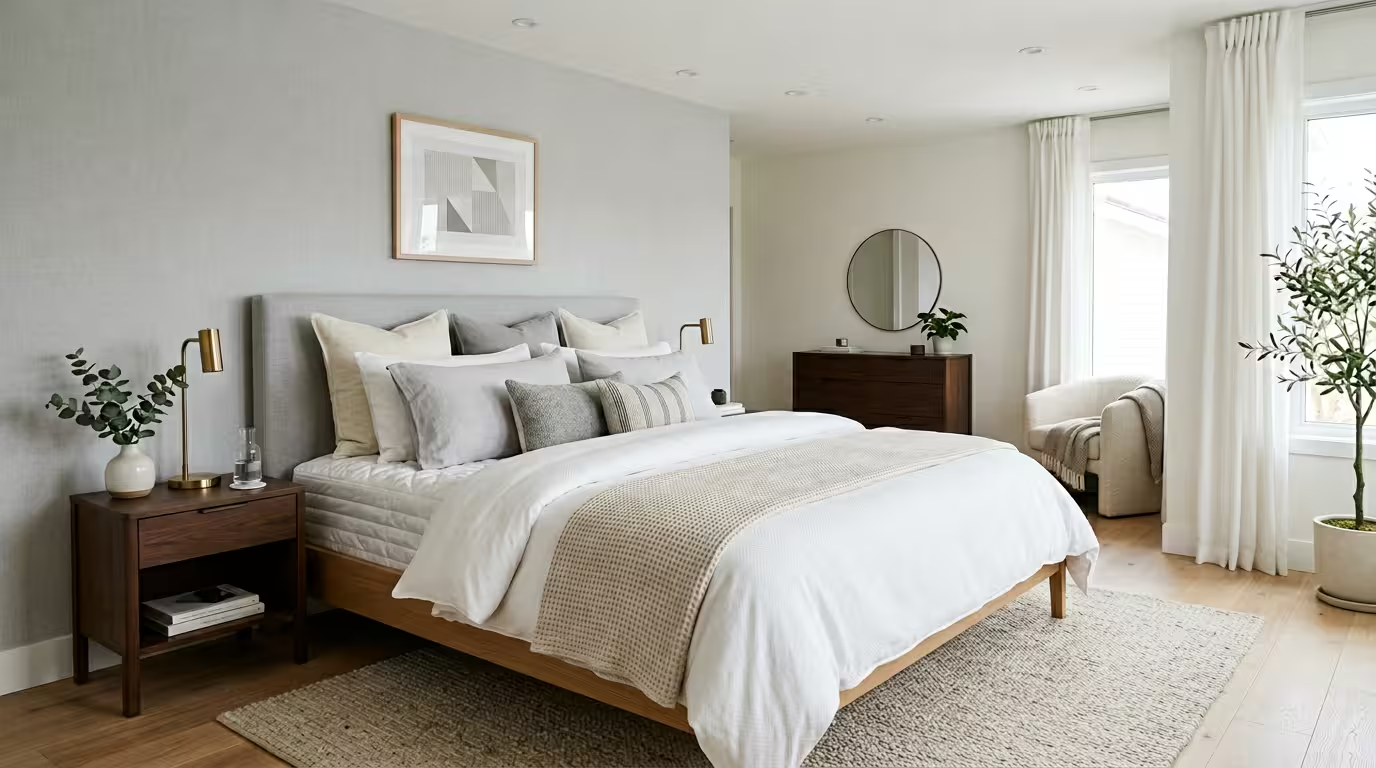
For those furnishing a new space, bedding is one of the most important new home essentials.
Essential checklist:
- 2 complete sheet sets per bed
- 1 duvet + 1 backup quilt
- Pillow set (sleep + decorative)
- Mattress protector
- Lightweight throw blanket
- Seasonal rotation option
This ensures both practicality and long-term usability without frequent replacement.
9. Common Mistakes in Master Bedroom Bedding
Even well-designed rooms often suffer from avoidable errors.
Frequent mistakes:
- Overusing decorative pillows
- Mixing too many patterns
- Choosing non-breathable materials
- Ignoring seasonal adjustments
- Poor layering structure
Correcting these issues typically results in immediate improvements in both comfort and visual appeal.
10. Practical Bedding Combinations (Ready-to-Use Ideas)
1. Minimal Neutral Setup
White cotton sheets + beige duvet + linen throw
2. Soft Luxury Setup
Sateen sheets + padded duvet + velvet accents
3. Natural Organic Setup
Linen sheets + earth-tone quilt + woven textures
4. Modern Hotel Style
White percale sheets + structured duvet + symmetrical pillows
Expert Perspective on Bedding Design (Paraphrased Insights)
- Interior designers often emphasize that bedding should be treated as the “visual anchor” of the bedroom. This concept is widely discussed in design commentary from Architectural Digest, where bedroom styling is framed around bed-first composition.
- Home styling experts frequently highlight that texture layering is more important than color variation, as it creates depth without visual overload.
- Sleep specialists consistently link breathable bedding materials with improved sleep continuity and thermal regulation, reinforcing the importance of fabric selection.
Conclusion
Master bedroom bedding ideas are ultimately about structured simplicity. The most effective designs rely on neutral foundations, breathable materials, and intentional layering that balances comfort with visual clarity. As modern homes evolve, bedding has become a central part of new home essentials, shaping not only how a room looks but how it feels to live in.
A well-planned bedding setup does not depend on trends. It depends on consistency, material quality, and thoughtful arrangement. When these elements align, the bedroom becomes both functional and restorative.
FAQs
1. What is the best bedding for a master bedroom?
The best bedding combines breathable natural fabrics like cotton or linen with layered construction for seasonal comfort.
2. How many layers should a bed have?
Typically, 4 to 6 layers, including sheets, a duvet, and optional decorative throws.
3. Which color is best for master bedroom bedding?
Neutral colors such as white, beige, and grey are preferred for long-term flexibility and calmness.
4. What is the most comfortable bedding material?
Cotton (especially percale and sateen) and linen are widely considered the most comfortable due to breathability.
5. How do I make my bed look like a hotel bed?
Use symmetrical pillow arrangements, crisp white or neutral sheets, and a structured duvet with minimal clutter.