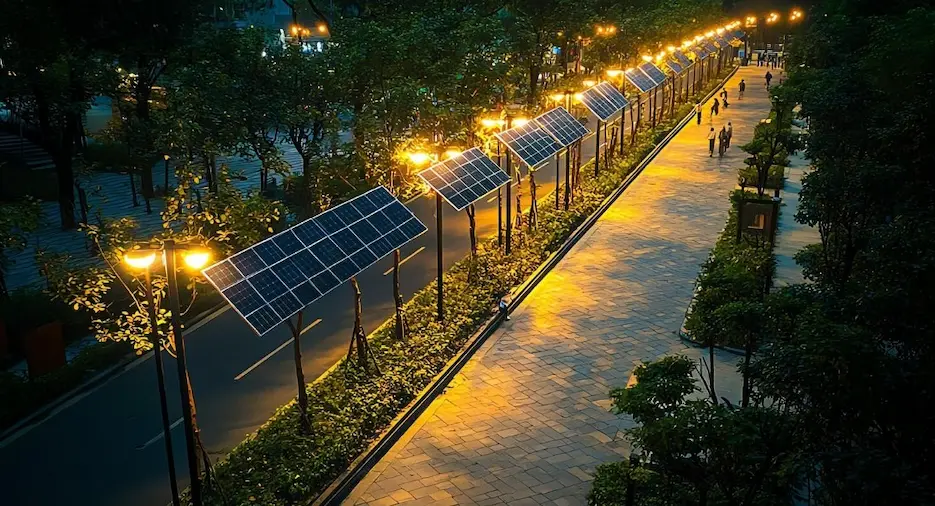

Solar lights are energy-efficient lighting systems that use sunlight to generate electricity, store it in rechargeable batteries, and automatically illuminate spaces at night. To get the best performance, install them in direct sunlight, clean the panels regularly, replace batteries when needed, and troubleshoot issues like dim lighting or faulty sensors. This guide explains everything—from how solar lights work to maintenance, problem-solving, and DIY installation—so you can use them effectively and save energy.
What Are Solar Lights?
Solar lights are outdoor lighting devices powered entirely by sunlight, making them energy-efficient and environmentally friendly. They work by capturing solar energy during the day and using it to produce light at night, without relying on electricity from the grid.
How Solar Lights Work
- Solar Panel: Captures sunlight and converts it into electrical energy through photovoltaic cells, enabling the system to function without external power sources.
- Rechargeable Battery: Stores the energy collected during the day so it can be used at night when sunlight is unavailable.
- LED Bulb: Produces bright, energy-efficient light while consuming minimal power, ensuring longer operation time.
- Sensor/Controller: Detects light levels and automatically turns the system on at night and off during the day.
Benefits of Solar Lights for Homes and Businesses
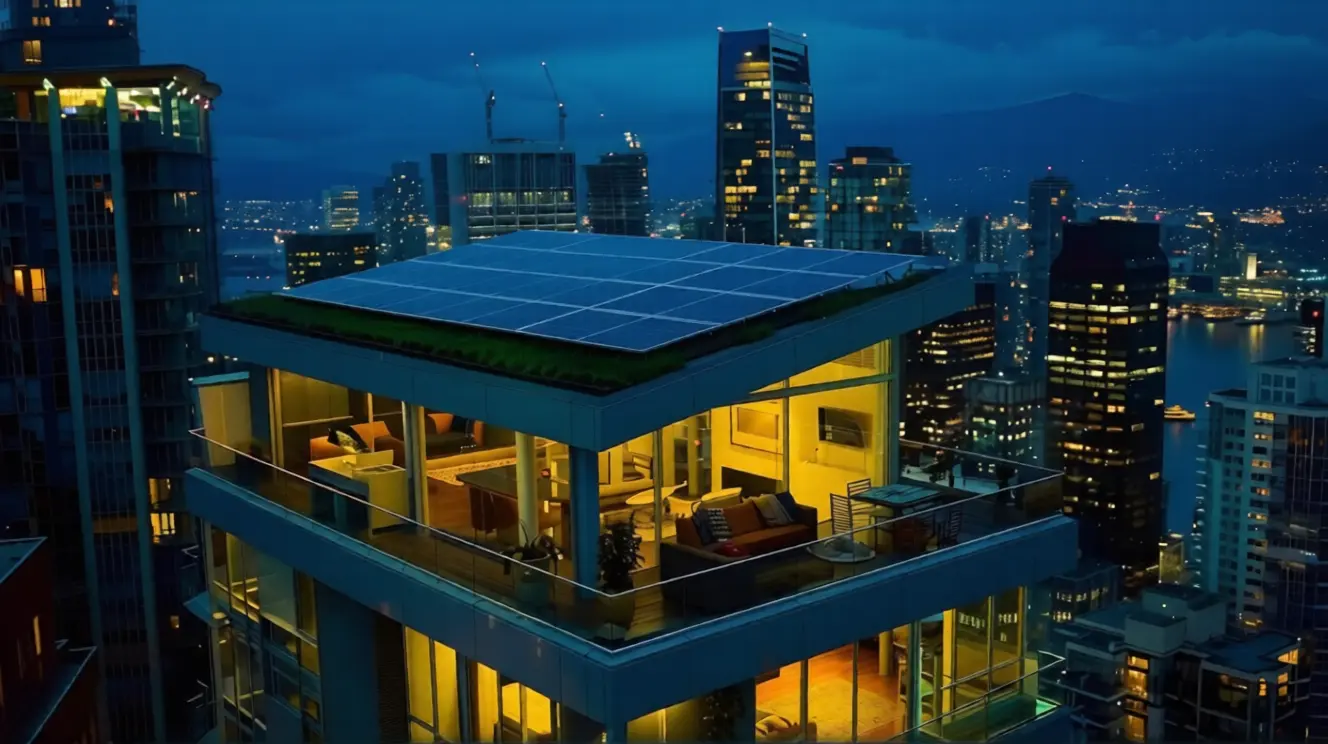
Solar lighting systems have become increasingly popular in both residential and commercial settings due to their efficiency, reliability, and ease of installation. They provide a practical lighting solution that reduces dependence on conventional electricity while supporting environmentally responsible practices. Since they operate using sunlight, they help lower energy consumption and contribute to long-term cost savings.
Key Advantages
- Lower Electricity Bills:
Solar lights use free energy from the sun, significantly reducing monthly energy expenses. - No Wiring Required:
These systems are easy to install and do not require complex electrical connections. - Eco-Friendly and Sustainable:
Solar lighting reduces carbon emissions and supports clean energy usage. - Automatic Operation:
Built-in sensors turn the lights on at night and off during the day without manual effort. - Low Maintenance:
With fewer components, solar lights require minimal upkeep and are durable over time.
According to the International Energy Agency, solar lighting reduces dependency on grid electricity and supports sustainable energy adoption.
Types of Solar Lights
If you are planning to upgrade your outdoor lighting, understanding the types of solar lights can help you choose the right option for your needs. Each type is designed for a specific purpose, from decoration to security and public lighting.
1. Garden Solar Lights

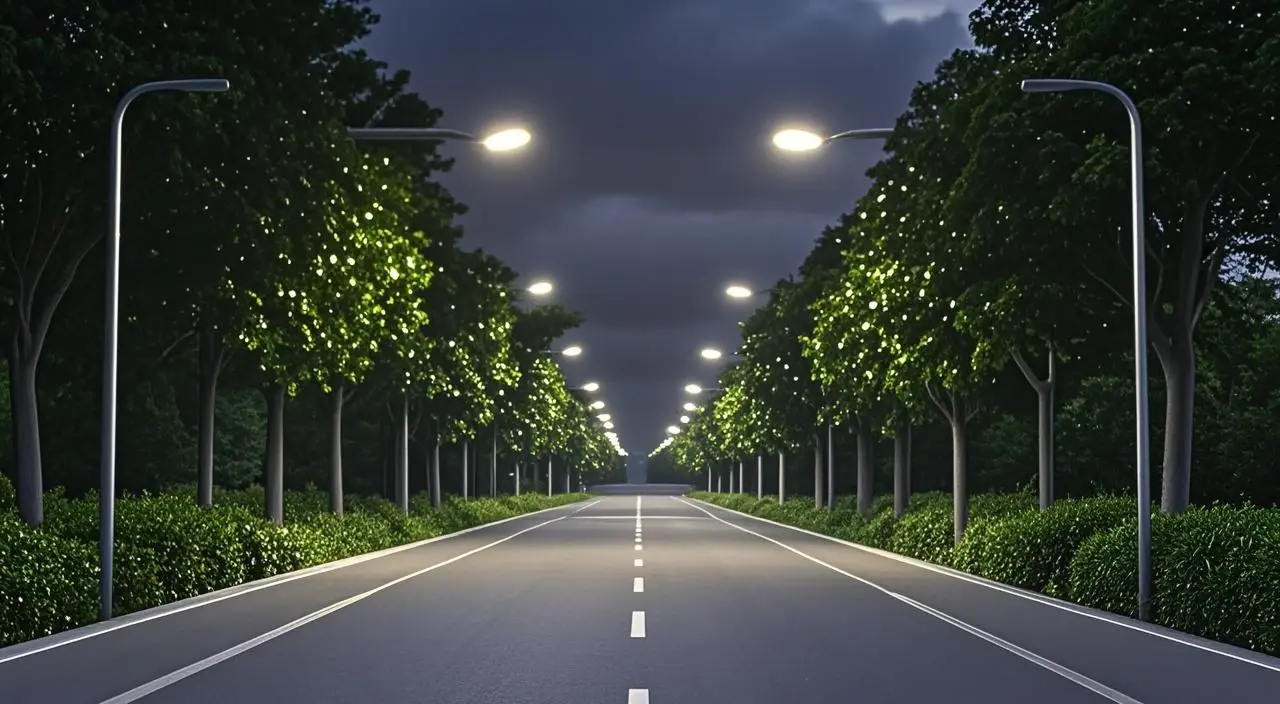
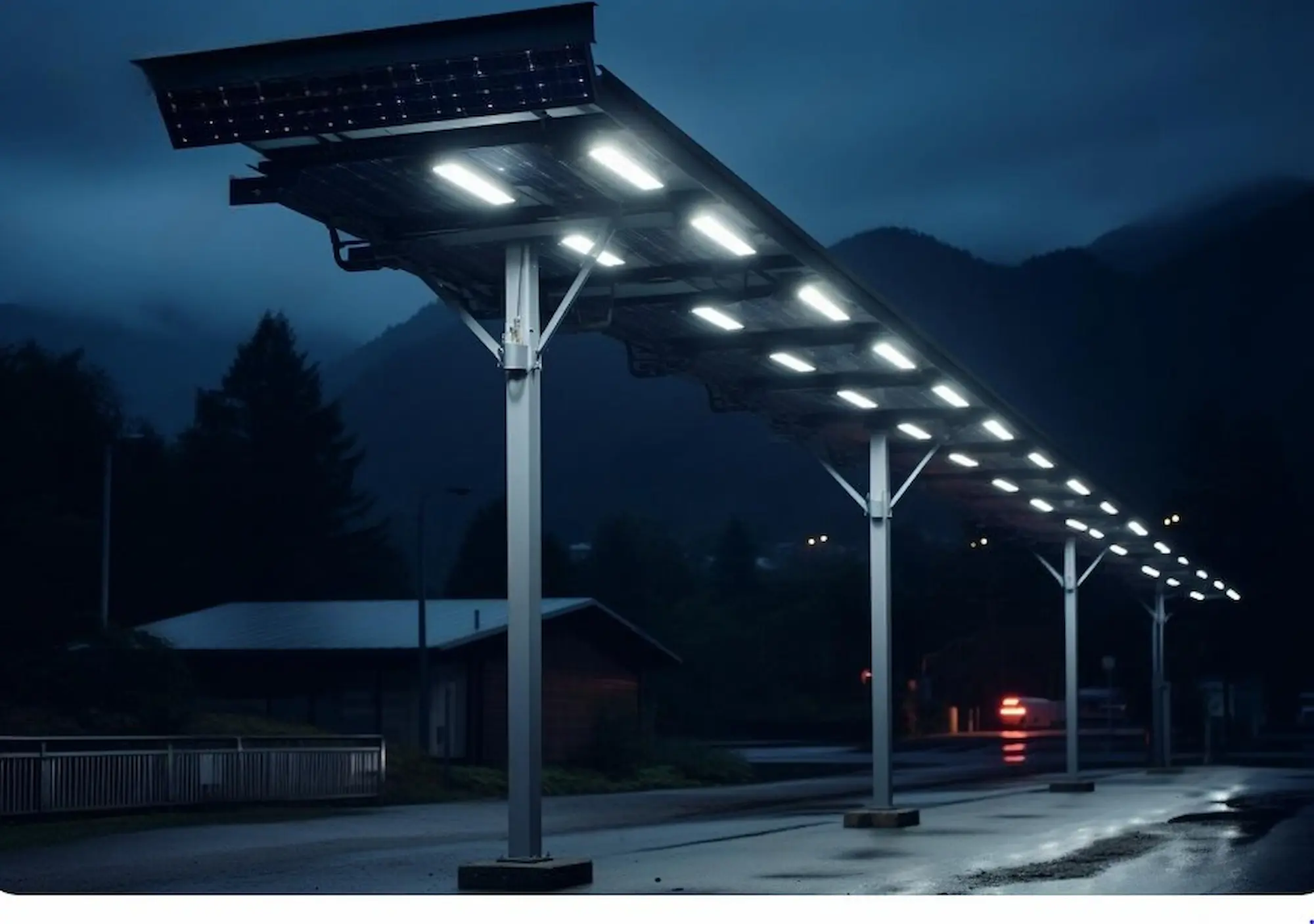
Solar street lights are energy-efficient lighting solutions widely used on roads, streets, highways, and public infrastructure. They operate using solar power, making them cost-effective and environmentally friendly. These lights provide bright and reliable illumination, improving safety, security, and visibility in large outdoor areas. Durable and low-maintenance, solar street lights are ideal for sustainable urban and rural development projects.
3. Solar Flood Lights
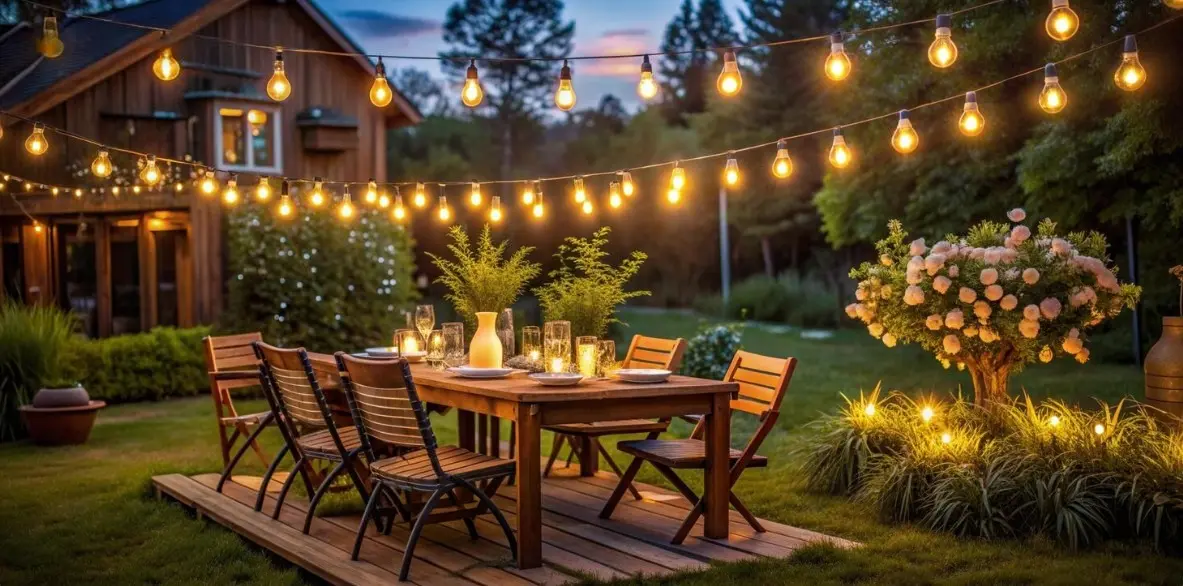
4. Solar String Lights
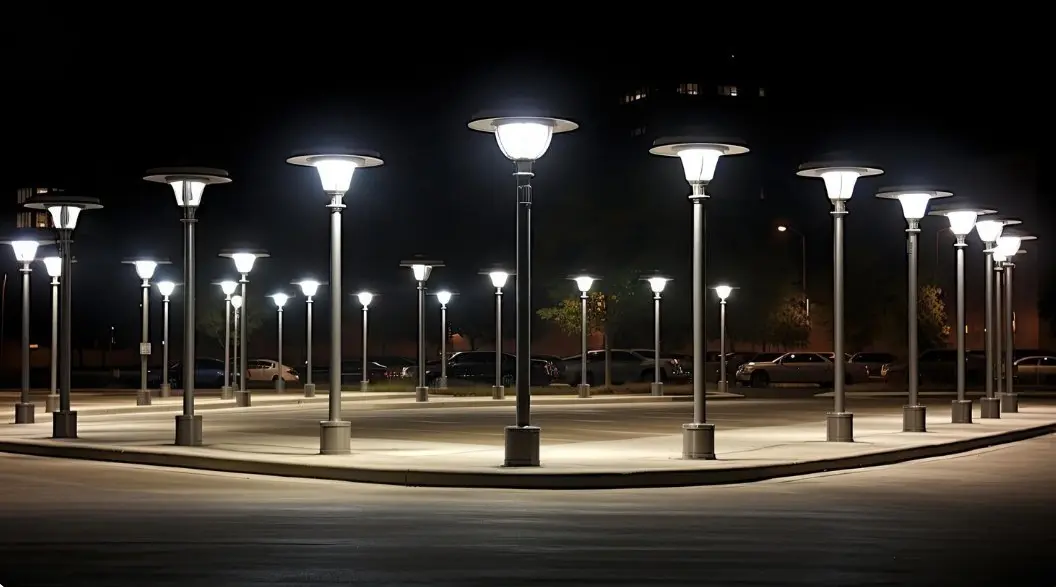
5. Solar Motion Sensor Lights
How to Use Solar Lights Effectively
Using solar lights correctly is the key to getting maximum brightness, longer battery life, and reliable night-time performance. If you have installed solar lights but they are dim or turning off too quickly, the issue is usually not the product but how it is used. Let’s go step by step.
Proper Placement for Maximum Efficiency
To get the best results from your solar lighting system, placement is the most important factor.
- Install solar lights in areas that receive direct sunlight throughout the day
- Avoid shaded locations such as under trees, roofs, or walls
- If your model allows adjustment, tilt the solar panel toward the sun for better charging
- Keep panels clean and free from dust or bird droppings
👉 A well-placed solar light can perform up to 40% better than a poorly placed one.
Charging Tips
Solar lights depend entirely on sunlight, so charging habits matter.
- Ensure 6–8 hours of direct sunlight daily for full charging
- Avoid placing lights in areas with frequent shade changes
- During cloudy or winter days, expect slightly reduced performance
- Do not expect full brightness if the panel receives partial sunlight
👉 Think of sunlight as “fuel” for your solar lights—the more consistent it is, the better your lighting output.
First-Time Setup
Many users face issues simply because the setup is incomplete or incorrect.
- Always charge solar lights fully before first use
- Make sure the power switch is turned ON
- Allow one full charging cycle before judging brightness performance
- Install in the intended location only after testing
👉 Skipping the first full charge is one of the most common reasons for weak performance.
Solar Light Maintenance Tips
If you want your solar lights to last longer and stay bright, regular maintenance is not optional—it is essential. Most performance issues are caused by dust, weak batteries, or seasonal damage, not by the solar system itself. A few simple habits can significantly improve efficiency and extend lifespan.
1. Clean Solar Panels Regularly
Have you noticed your solar lights becoming dim? The reason is often dust buildup on the panel.
- Dust blocks sunlight and reduces energy absorption
- Clean the panel every 2 to 3 weeks
- Use a soft cloth with water for safe cleaning
- Avoid harsh chemicals or rough materials
👉 A clean panel can improve charging efficiency noticeably, especially in dusty or urban environments.
2. Replace Batteries on Time
The rechargeable battery is the heart of your solar light system.
- Typical lifespan: 1 to 2 years
- Replace batteries when brightness starts decreasing
- Use compatible rechargeable batteries only
- Weak batteries reduce night-time performance even if the panel is fine
👉 If your light is turning off too quickly, the battery is usually the first thing to check.
3. Seasonal Maintenance
Different seasons can affect solar light performance in different ways.
- In winter: remove snow, frost, or debris from panels
- In rainy seasons: check for water leakage or internal moisture
- Ensure wiring and casing remain dry and secure
- Reposition lights if weather conditions reduce sunlight exposure
👉 Seasonal care prevents long-term damage and improves durability.
Maintenance Checklist
| Component | Check For | Frequency |
|---|---|---|
| Solar panel | Dirt, cracks | Monthly |
| Battery | Performance | Every 6 months |
| LED light | Brightness | As needed |
| Wiring | Damage | Yearly |
To ensure long-lasting performance of your solar lights, it is important to understand proper battery care and maintenance techniques. You can learn more about how to extend battery life, avoid common issues, and improve efficiency by following a complete guide on battery maintenance and care tips for better results.
Solar Lights Troubleshooting Guide
If your solar lights are not working properly, don’t worry—most issues are simple and can be fixed at home without any technical help. Before replacing the entire unit, it is important to identify the exact cause. Let’s go through the most common problems and their easy solutions.
Solar Light Not Working:
Is your solar light completely off even after a full day of charging? This is one of the most frequent issues users face.
Causes:
- Dead or weak rechargeable battery
- Power switch is turned OFF
- Faulty or blocked light sensor
Fix:
Before assuming the product is damaged, try these basic solutions:
- Replace the battery if it is old or not holding charge
- Make sure the switch is turned ON (many users forget this step)
- Test the light in a completely dark environment to activate the sensor
- Clean the sensor area if dust is blocking detection
Dim Solar Lights
Dim solar lights are outdoor or indoor solar-powered lights that produce low or reduced brightness instead of their normal illumination level. This usually happens when the light is not receiving or storing enough energy to function properly.
Causes:
- Dirty solar panel blocking sunlight and reducing charging efficiency
- Weak or old battery that cannot store enough energy
- Poor sunlight exposure due to shade or incorrect placement
- Dust, debris, or weather buildup affecting performance
Fix:
- Clean the solar panel regularly with a soft cloth to remove dirt and dust
- Replace the battery with a new, high-quality one if performance is low
- Move the solar light to a location with direct and sufficient sunlight
- Ensure proper positioning so the panel faces maximum sunlight during the day
Light Turns Off Quickly
This issue occurs when a solar light switches on normally but turns off after a short time instead of staying illuminated for several hours.
Causes:
- Incomplete charging due to limited sunlight during the day
- Old or worn-out battery that cannot hold sufficient charge
- Short daylight exposure caused by cloudy weather or shade
- Improper placement reducing solar panel efficiency
Fix:
- Allow the solar light to charge fully by placing it in direct sunlight for 6–8 hours
- Replace the old battery with a new, high-quality rechargeable battery
- Ensure the solar panel is clean and free from dust or debris
- Move the light to a sunnier location for better charging performance
Sensor Issues
Sensor issues occur when a solar light fails to turn on or off properly due to problems with its light-detecting sensor.
Causes:
- Dirt or dust blocking the sensor, affecting its ability to detect light changes
- Nearby artificial light sources confusing the sensor
- Debris buildup reducing sensitivity
Fix:
- Clean the sensor gently with a soft cloth to remove dirt and dust
- Relocate the light away from artificial light sources like bulbs or streetlights
- Ensure proper placement for accurate light detection
For more detailed solutions and step-by-step fixes for common issues in solar lights and other home electrical devices, you can explore a complete troubleshooting guide that covers practical tips, safety measures, and expert advice. Read the full home troubleshooting guide for electrical devices here for better understanding and support.
DIY Solar Light Setup (Step-by-Step)
Setting up your own solar light system is simple, cost-effective, and environmentally friendly. With the right materials and a few easy steps, you can create a reliable lighting solution for your home or outdoor space.
Materials Needed:
- Solar panel to capture sunlight and convert it into energy
- Rechargeable battery to store power for nighttime use
- LED light for energy-efficient illumination
- Charge controller to regulate power flow
- Connecting wires for proper circuit setup
Installation Steps:
- Connect the solar panel to the charge controller to manage incoming energy
- Attach the rechargeable battery to the controller for safe energy storage
- Connect the LED light to the system to provide illumination
- Add a sensor for automatic on/off functionality based on light conditions
- Test the system in direct sunlight to ensure everything works correctly
- Install the setup in a sunny location for maximum efficiency
By following these steps, you can build a durable and efficient DIY solar lighting system. Proper installation and placement will ensure long-lasting performance and consistent brightness.
Solar Lights vs Traditional Lighting
| Feature | Solar Lights | Traditional Lighting |
|---|---|---|
| Energy Source | Sunlight | Electricity |
| Cost | Low (long-term) | High |
| Installation | Easy | Complex |
| Maintenance | Minimal | Moderate |
| Eco Impact | Eco-friendly | Higher emissions |
Expert Insights on Solar Lighting
Conclusion
Solar lights offer a practical, eco-friendly, and cost-saving solution for modern lighting needs, making them an increasingly popular choice for homes, gardens, and outdoor spaces. They use renewable energy from the sun, reducing electricity bills and minimizing environmental impact.
The effectiveness of solar lighting largely depends on correct installation, regular maintenance, and proper troubleshooting when issues arise. Installing solar lights in direct sunlight ensures maximum energy absorption, while routine cleaning of panels helps maintain efficiency.
Replacing old batteries and checking connections can further improve performance and brightness. Whether you choose ready-made solar lighting systems or prefer building your own DIY setup, both options provide flexibility and sustainability. Solar lighting not only enhances outdoor visibility but also supports long-term energy independence. By adopting solar technology, users take a meaningful step toward a cleaner, greener, and more sustainable future while enjoying reliable and efficient illumination every day and night.
Frequently Asked Questions
1. What are solar lights and how do they work?
Ans: Solar lights use sunlight to generate electricity, store it in batteries, and power LED lights at night.
2. Why are my solar lights not working?
Ans: Common reasons include dead batteries, dirty panels, or insufficient sunlight.
3. How long do solar lights last?
Ans: Most solar lights last between 2 to 5 years, depending on usage and maintenance.
4. Do solar lights work in winter or cloudy weather?
Ans: Yes, but efficiency is reduced due to lower sunlight availability.
5. Can I replace solar light batteries?
Ans: Yes, most solar lights allow battery replacement, which extends their lifespan.