
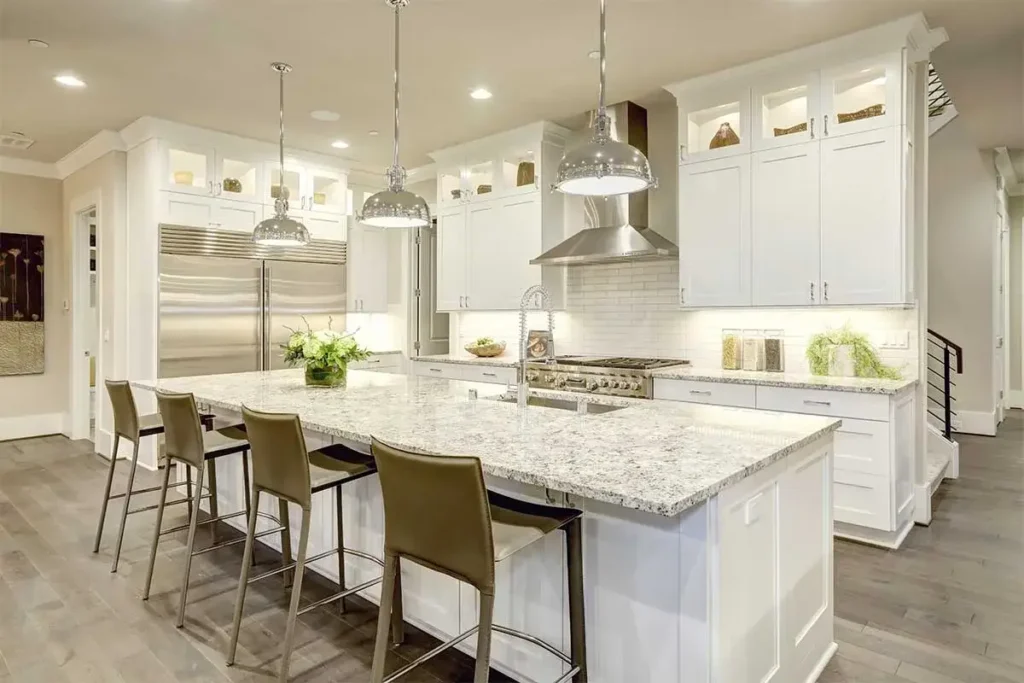

Is your kitchen a bright and welcoming space where you love to cook, dine and entertain? Or do shadows lurk in the corners, making tasks harder than they should be? If so, you’re not alone! All too often, kitchen lighting is treated as an afterthought, leading to an uninviting or impractical finished result. In reality, it should be a central part of your kitchen’s design.
At Claremont Kitchens, we can help you integrate kitchen lighting into a bespoke renovation plan. That way, you can rest assured that your new kitchen will be both practical and beautifully lit. Need some inspiration before moving forward? Read on as we outline some expert kitchen lighting design tips and popular styles to consider when making your choice
Why lighting matters: functionality and atmosphere
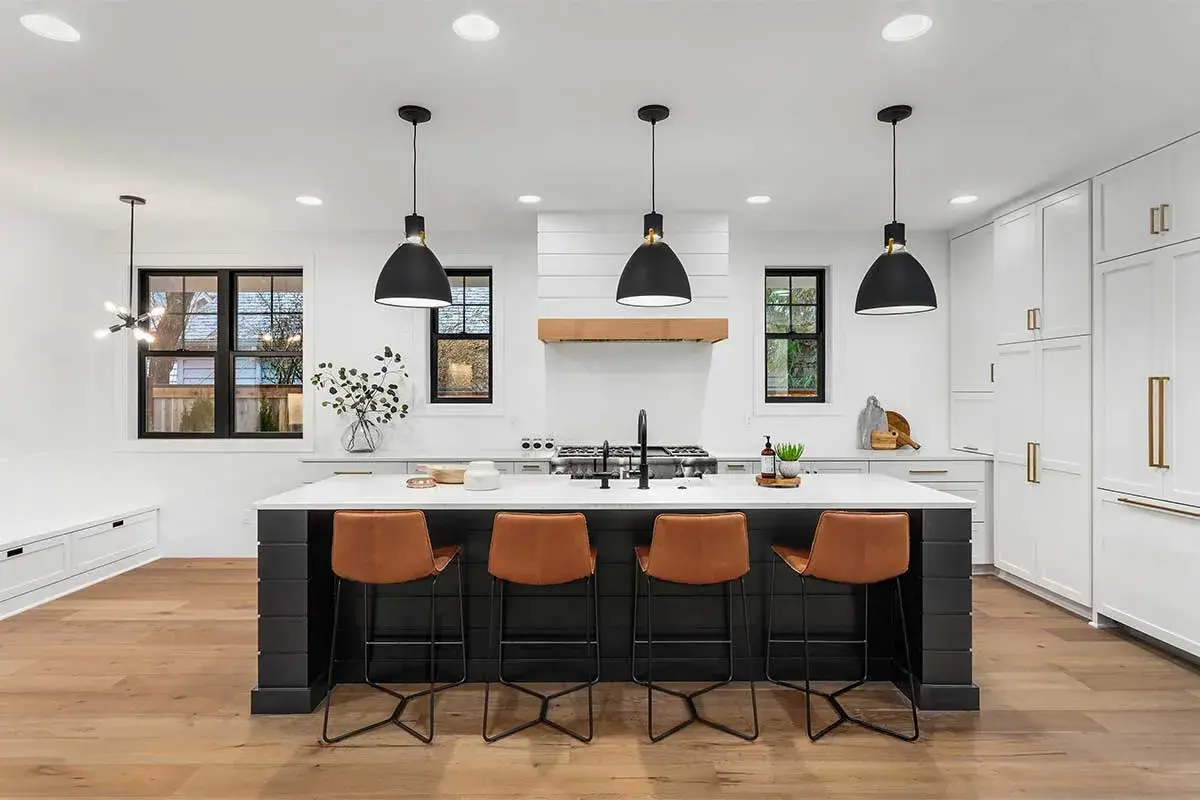
Kitchen lighting does far more than illuminate the room. It shapes how your kitchen feels and how well it works for everyday life. On a functional level, good lighting means safety and clarity. Preparing food, chopping vegetables or cleaning up after dinner all require bright, well-positioned task lighting so you can see what you’re doing.
At the same time, light plays a huge role in atmosphere. Ambient kitchen lighting creates warmth and comfort, transforming a practical kitchen into a place to gather, relax and entertain. A well-designed lighting scheme should balance these two aspects seamlessly.
The best kitchen lighting ideas don’t come from a single fixture. Instead, your kitchen should include three layers of light: task, ambient and accent. Together, they create depth, flexibility and set the mood – depending on the task at hand and the time of day.
1. Task lighting
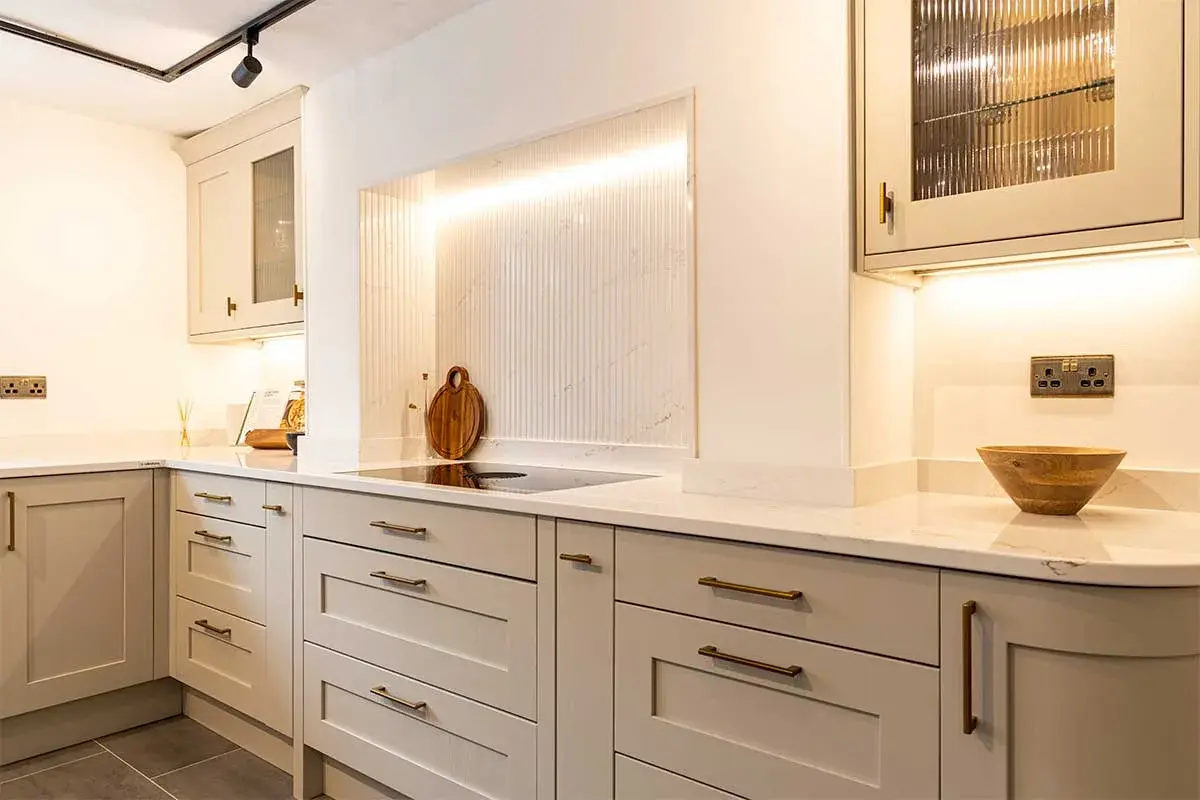
Task lighting provides bright, focused illumination for specific activities. In kitchens, this often takes the form of under cabinet lighting to brighten up worktops, or spotlights above sinks and hobs. By eliminating shadows, task lighting makes food preparation safer and more enjoyable. Recessed downlights and LED strip lights are popular as they’re powerful yet discreet
2. Ambient lighting
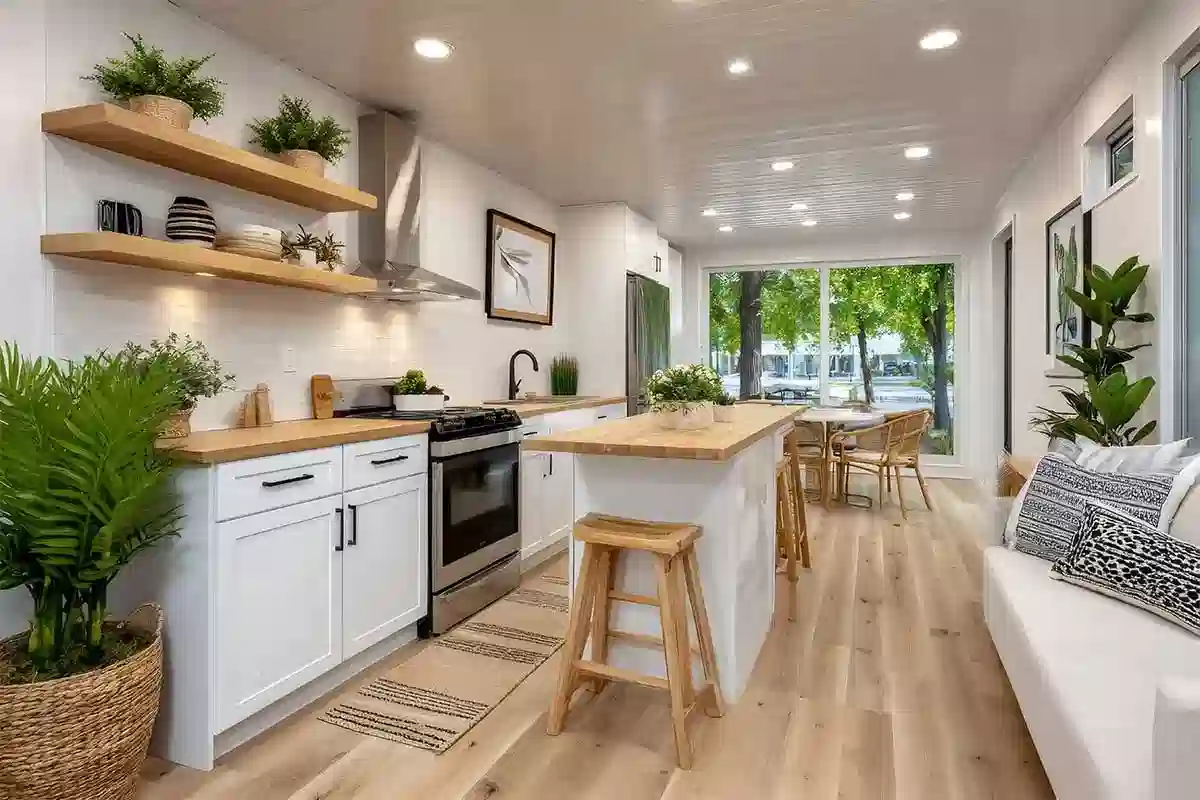
Whilst task lighting is practical, ambient kitchen lighting is all about comfort. It creates a base level of brightness across the whole room, ensuring the kitchen feels welcoming any time of day. Recessed ceiling lights or ceiling-mounted fixtures are both common. Layering ambient kitchen lighting with brighter task lights will help create the right balance for different activities.
3. Accent lighting
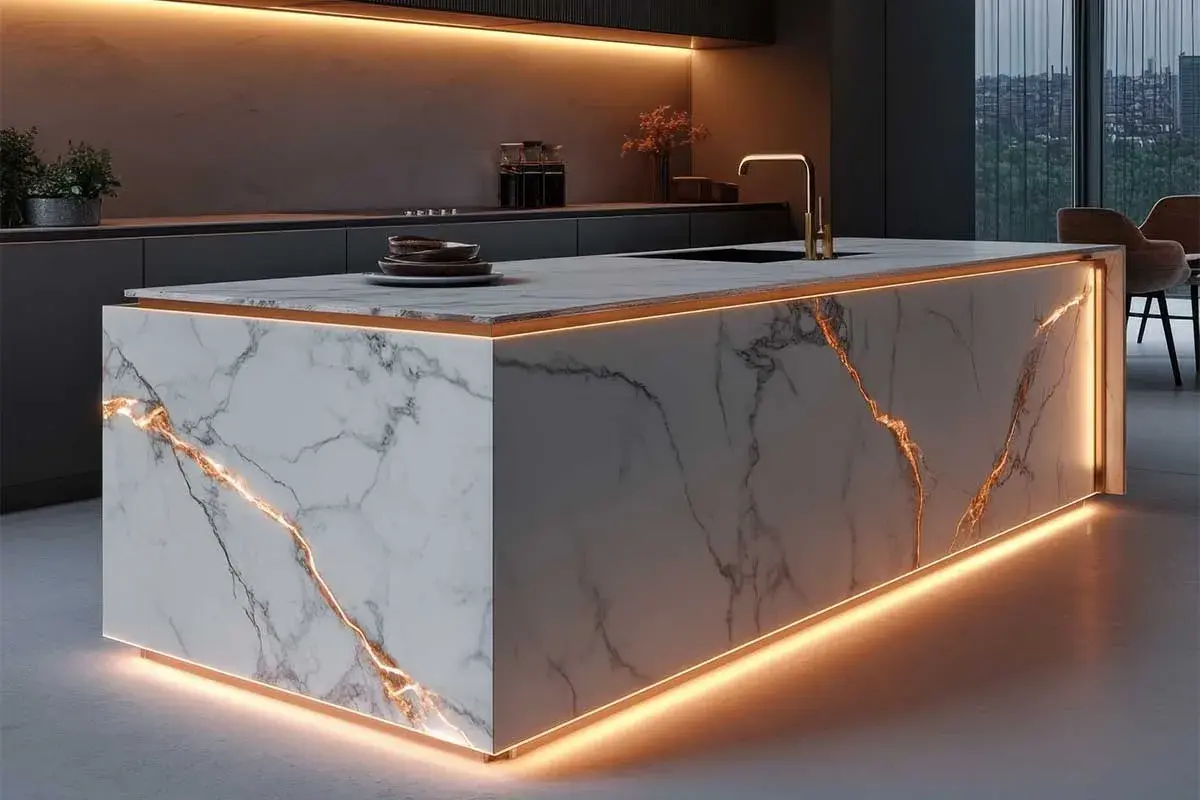
When planning a new kitchen, there are several lighting solutions that homeowners in West Sussex and beyond choose time and again. Each plays a different role, and the most effective schemes combine them in layers.
4. Pendant lights
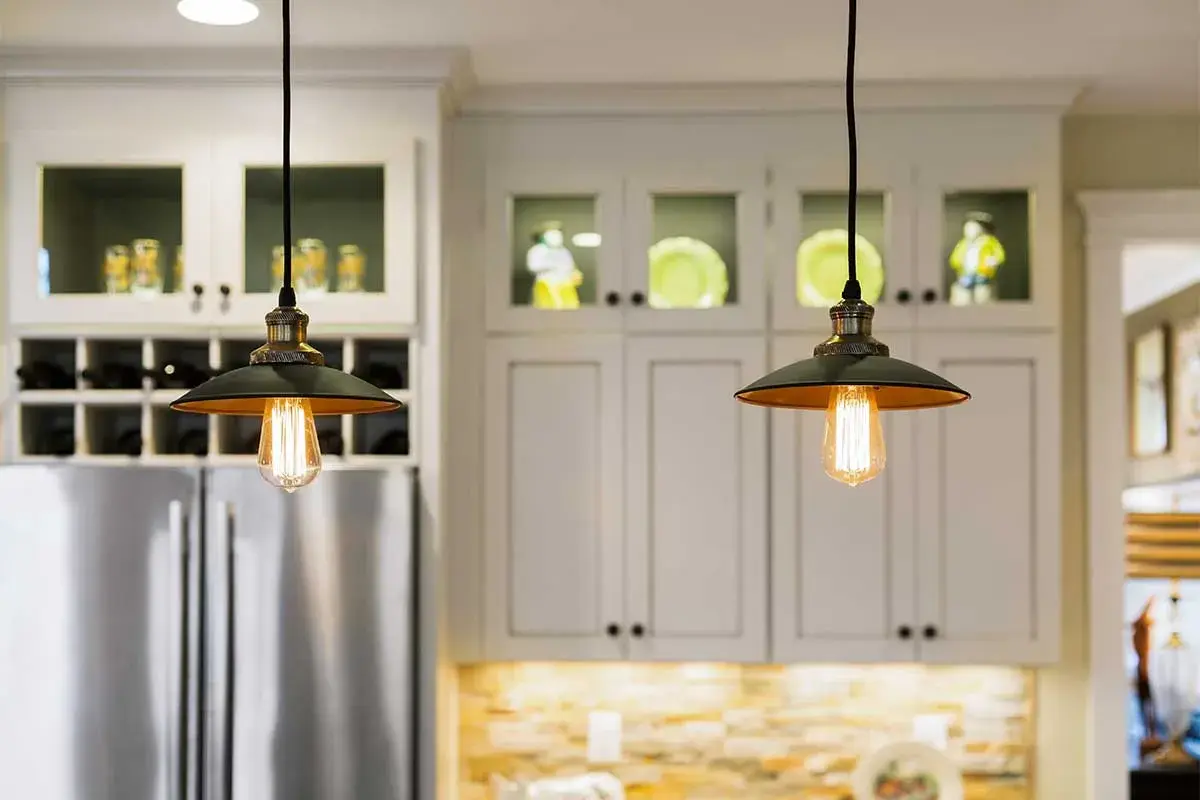
Pendants remain a stylish and versatile choice, especially over kitchen islands and dining areas. Suspended at the right height – around 70cm above a work surface or 55cm above a dining table – they create a statement while also providing useful task or accent light.
The size, shape and finish of the pendant can dramatically change the look and feel of your space. Glass shades provide a contemporary look, metallics give an industrial edge and fabric shades offer a softer feel. Clusters of smaller pendants can make a striking feature above a large island, while a single bold pendant can anchor a dining table.
Under cabinet and in-cabinet lighting
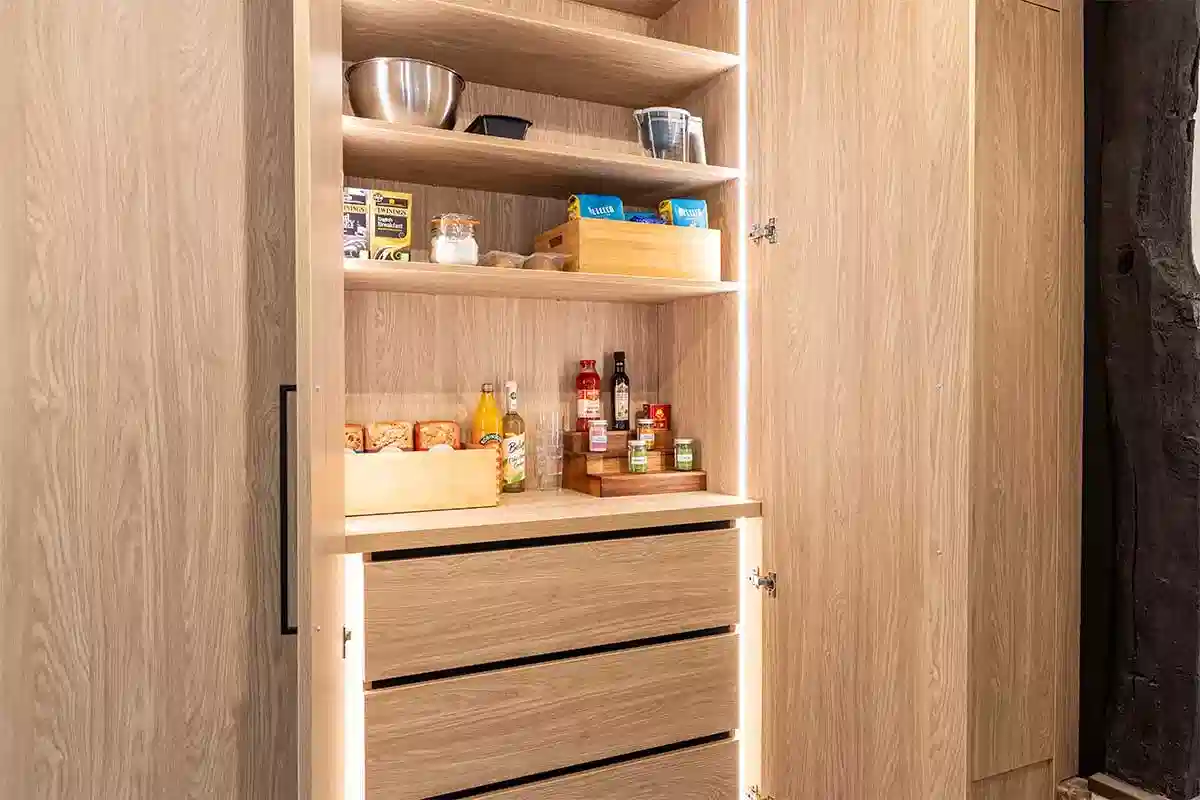
Bright under-cabinet lights – typically LED strips – ensure you can prepare food safely without any shadows blocking your view. Meanwhile, in-cabinet lighting transforms cupboards into display areas, bringing a subtle glow to glass-fronted units or open shelving. It’s a simple way to add a touch of luxury and highlight your favourite glassware or ceramics.
Recessed downlights
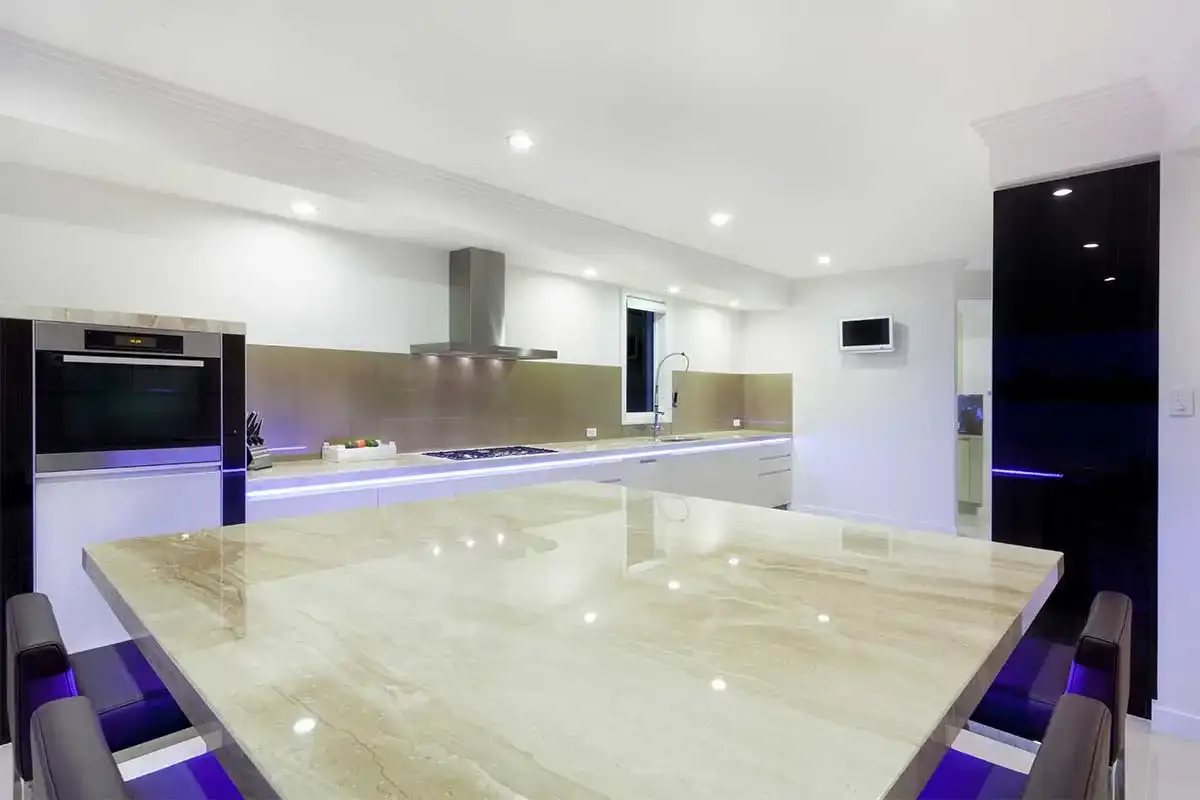
For overall brightness, recessed downlights provide clean, unobtrusive illumination. They can be positioned in grids across the ceiling for even coverage, or arranged to highlight specific areas such as a sink, hob or breakfast bar. You can even get dimmable downlights that you can adapt for different times of day – bright for cooking, then softer for entertaining.
Plinth lighting
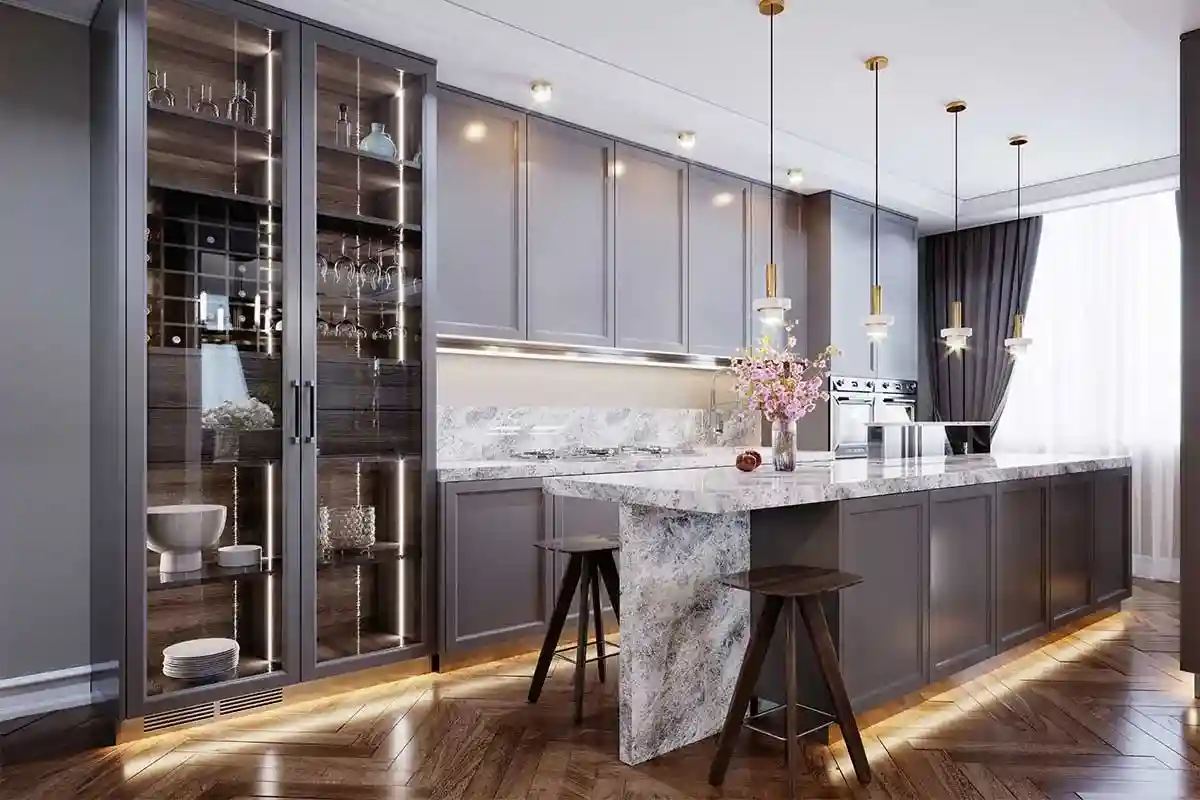
Have you considered lights at floor level? Plinth lighting offers a modern touch that is both decorative and practical. Soft light along the kickboards of cabinets creates a floating effect which adds depth to the room. It’s also useful at night, guiding you safely through the kitchen without the need to switch on bright overhead lights. Just remember to pick a warm white hue!
Together, these solutions highlight why no single light source is enough. By blending decorative pendants, under-cabinet strips, recessed downlights and plinth lighting, you can create a layered scheme that is adaptable, practical and aesthetically pleasing.
Choosing the right light color and brightness
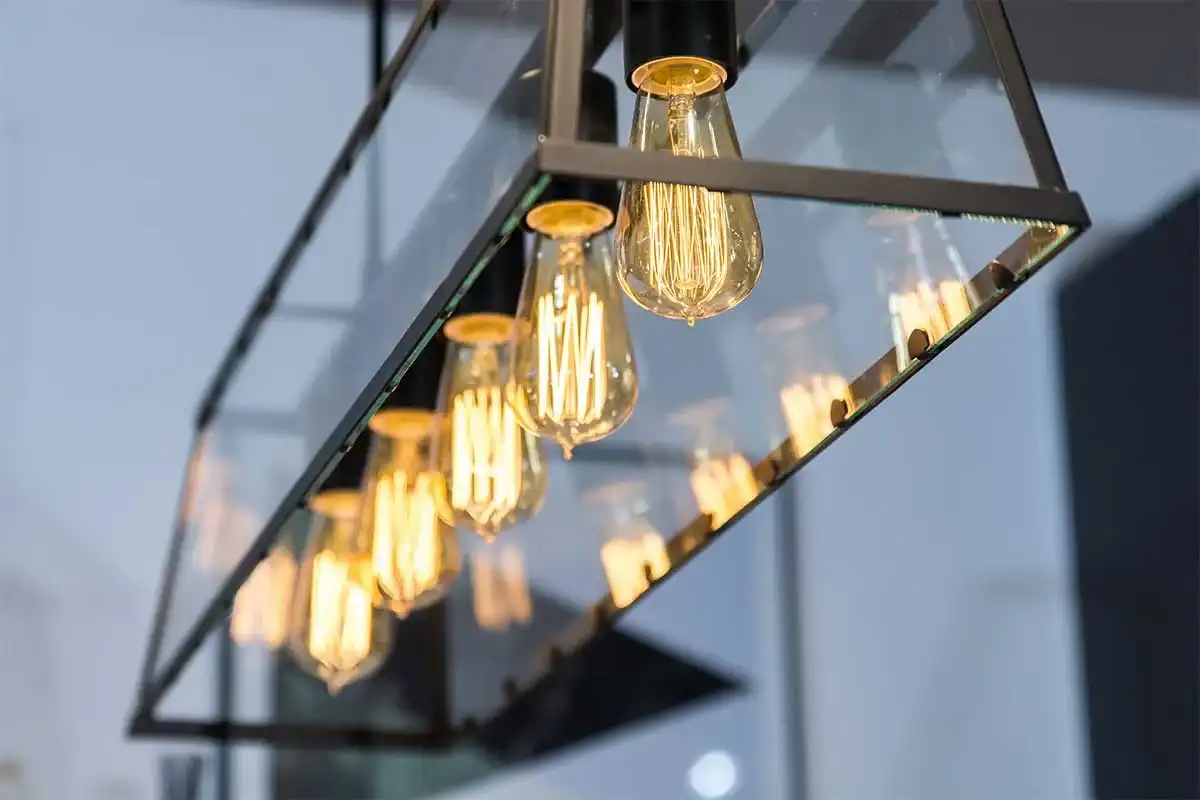
Light quality matters just as much as the type of fixture you choose. Two kitchens can have identical layouts yet feel completely different depending on the brightness and colour temperature of the lighting. As a general rule, allow around 300 lumens per square metre for general kitchen lighting. Then increase this to 500 lumens over work surfaces where you’ll be focusing on chopping, mixing or reading recipes.
The colour temperature of your bulbs also plays a big role in mood and style. Neutral to cool white light (4000–5000K) works best for task areas and complements modern kitchens best. Meanwhile, warm white light (2700–3000K) is softer and more welcoming, making it ideal for ambient and accent lighting. Imagine cosy pendant lights above a solid wood dining table or plinth lighting running underneath your custom kitchen cabinetry.
For the best kitchen lighting, opt for dimmable lights wherever possible. This will enable you to shift the mood throughout the day. Think bright and functional for mornings and food prepping, then cosier and more intimate for relaxing in the evening. By carefully mixing brightness levels and color temperatures, you can improve both the visual appeal and usability of your kitchen.
Designing Your Lighting Scheme With Claremont Kitchens
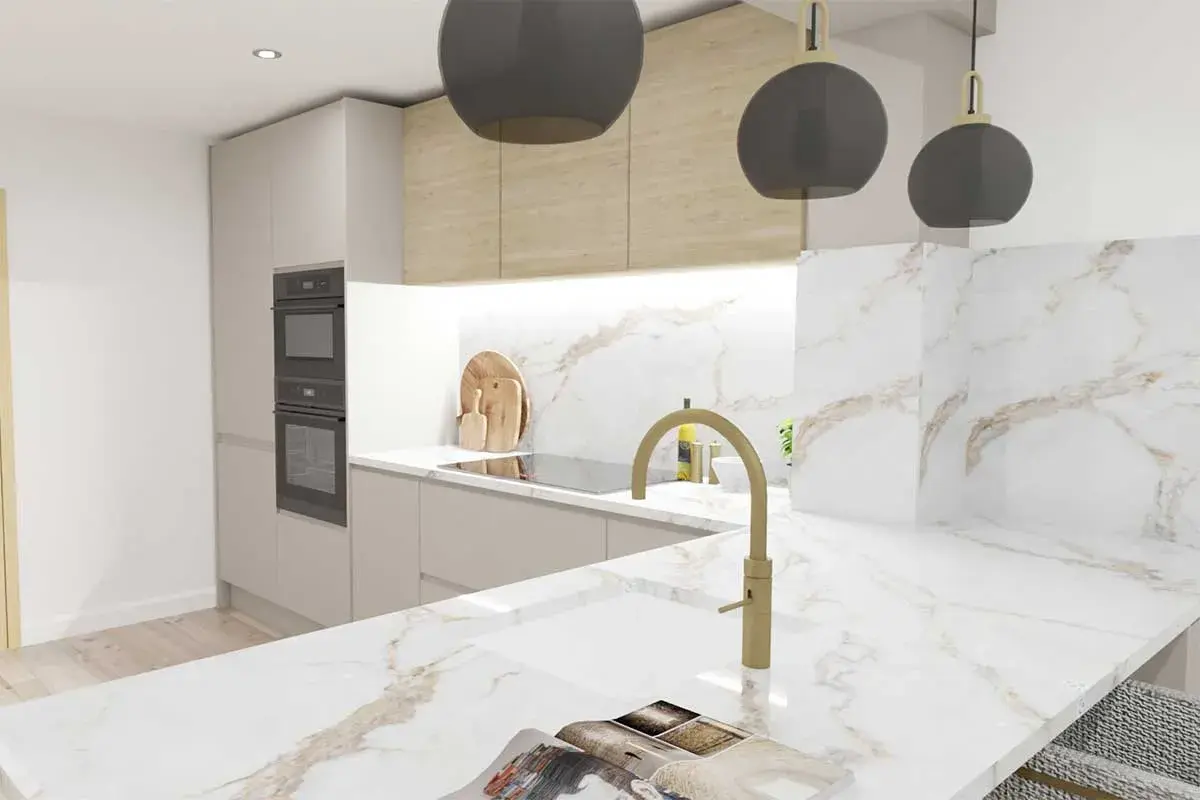
Planning a kitchen makeover or full replacement? At Claremont Kitchens, we don’t sell lighting directly, but we can help you find a style that works for you and complements your overall kitchen design. For example, a cottage might benefit from warm pendants and discreet plinth lights, while a new-build may call for sleek recessed downlights and brighter LED strip lights.
Our design process begins with a personal consultation. We’ll discuss how you use your kitchen, the atmosphere you’d like to create and the natural light your home already benefits from. From there, we’ll tailor a plan that layers task, ambient and accent lighting. We’ll advise on where to position lights to get the most out of your space. For example, to ensure worktops, sinks and hobs are well-lit, but that your lighting isn’t too close to water or grease.
We can also provide ideas on how to using lighting to create focal points around a kitchen island or dining table. Whatever your goal, we’ll cover every detail – even recommending finishes that will match your cabinet handles for cohesiveness.
Conclusion
Kitchen lighting is one of the most important elements in creating a functional and beautiful home. A well-planned lighting design not only improves visibility for cooking and cleaning but also enhances the overall atmosphere of the space. By combining ambient lighting for general brightness, task lighting for focused work areas, and accent lighting for style, you can achieve a perfectly balanced kitchen environment.
Choosing the right light colour and brightness also plays a key role in setting the mood. Warm lighting creates a cozy and welcoming feel, while neutral tones offer a clean and modern look. Proper placement of fixtures such as recessed downlights, pendant lights, and under-cabinet lighting ensures that every corner of the kitchen is well illuminated without shadows or glare.
Energy-efficient LED lighting further improves performance while reducing electricity costs, making it a smart long-term investment. Small details like plinth lighting or dimmable controls can add both convenience and luxury to your kitchen design.
In the end, a thoughtfully designed lighting scheme transforms your kitchen into more than just a cooking space—it becomes the heart of your home, where style, comfort, and functionality come together seamlessly.


Pingback: Kitchen pendant light ideas: An expert guide to styles and placement - New Home Essentials