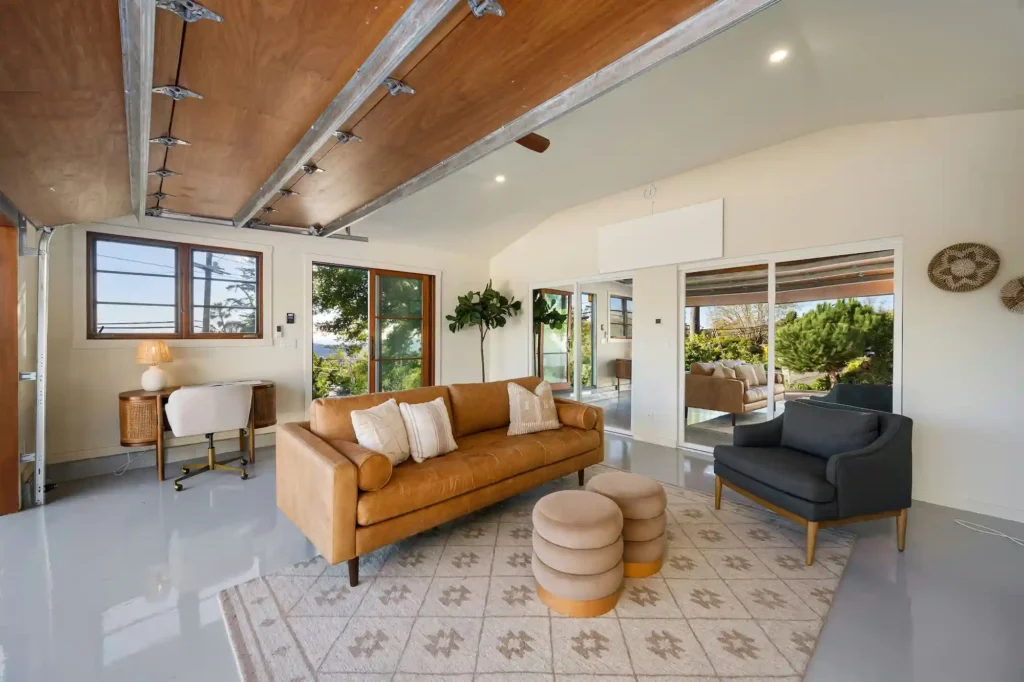

Cork flooring is a natural, renewable flooring material made from the bark of the cork oak tree (Quercus suber). It offers built-in cushioning, sound absorption, and thermal insulation, making it a practical choice for residential and light commercial interiors. For homeowners evaluating flooring options, cork delivers a distinct combination of comfort underfoot, environmental credibility, and moderate durability that few other materials match at its price point.
What Is Cork Flooring?
Cork flooring is produced from the outer bark of the cork oak, a tree native primarily to Portugal and Spain. Portugal accounts for roughly 50 percent of global cork production, according to the Cork Supply Group. The bark is harvested every nine years without harming the tree, which then regenerates. This cycle can continue for over 200 years per tree.
The material is compressed into tiles or planks, sometimes backed with high-density fiberboard (HDF) for click-lock installation systems. Its cellular structure, composed of millions of microscopic air-filled chambers, gives cork its characteristic softness, acoustic dampening, and thermal properties.
Cork flooring comes in two primary forms: glue-down tiles and floating click-lock planks. Glue-down tiles offer a more stable, permanent installation, while floating planks are easier to replace and more forgiving in rooms with minor subfloor imperfections.
Types of Cork Flooring
Cork Tiles
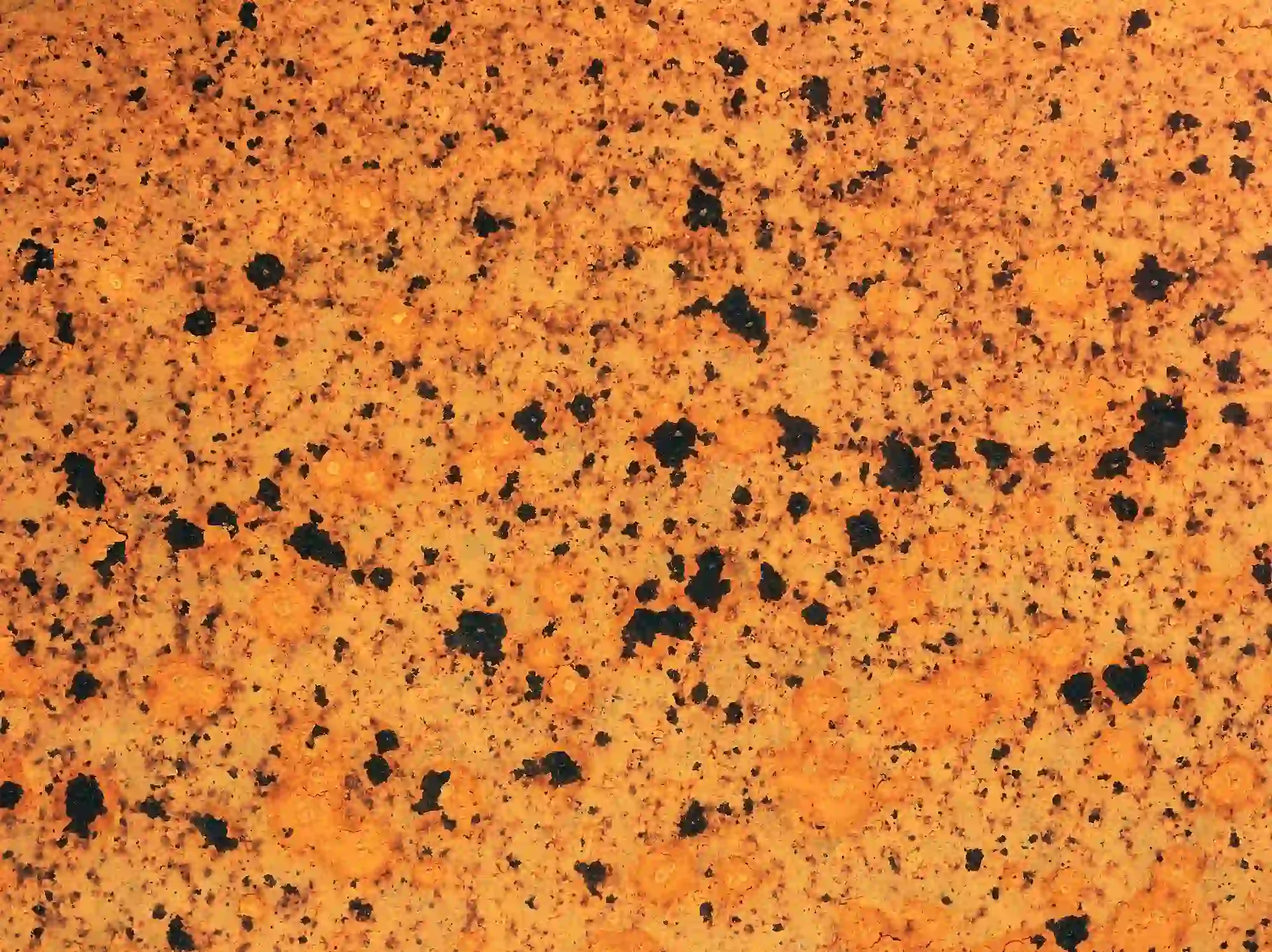
Cork tiles are typically 12 by 12 inches or 12 by 24 inches and are adhered directly to the subfloor. They offer design flexibility, as tiles can be arranged in patterns, and they provide a seamless look once installed and finished. They require professional installation in most cases, and the subfloor must be flat, dry, and structurally sound.
Floating Cork Planks
Floating planks use a tongue-and-groove or click-lock system and sit over the subfloor without adhesive. They are a popular choice for do-it-yourself projects and can be installed over existing hard flooring in many cases. The planks are typically composed of a cork veneer bonded to an HDF core, with a cork or foam underlayer on the bottom.
Engineered Cork
Some manufacturers produce engineered cork products that combine a thin cork surface layer with materials such as bamboo or reclaimed wood. These hybrids improve dimensional stability while retaining some of the acoustic and thermal benefits of pure cork.
Key Takeaways
- Cork flooring typically costs $3 to $12 per square foot, including installation
- It is harvested without cutting down trees, making it one of the most renewable flooring materials available
- Cork naturally resists mold, mildew, and insects due to suberin, a waxy compound in its cellular structure
- It is not ideal for areas with heavy moisture or prolonged standing water
- Lifespan ranges from 20 to 40 years with proper sealing and maintenance
Benefits of Cork Flooring
Cork is harvested from the bark of cork oak trees without cutting them down, making it one of the most renewable flooring materials available. Choosing cork means choosing a greener home.
Comfort and Ergonomics
Cork floors are a practical surface choice for home workout areas due to their cushioning and slip resistance. If you are setting up a home exercise space, our guide to fitness accessories for home covers the essential equipment to consider. Cork compresses slightly underfoot and then recovers its shape. This quality, known as resiliency, reduces joint stress and fatigue during prolonged standing. It is a recognized advantage in kitchens, workshops, and spaces where people stand for extended periods.
Thermal Insulation
Cork has a thermal conductivity of approximately 0.04 W/m·K, making it a modest thermal insulator. Rooms with cork floors retain heat more effectively than those with ceramic tile or stone, which can feel noticeably cold in winter months.
Acoustic Performance
The air-filled cellular structure of cork absorbs impact sound and reduces airborne noise transmission. Independent laboratory tests have measured reductions in impact sound of up to 20 dB compared to hardwood in comparable test conditions. Cork is frequently specified in multi-story residential construction for this reason.
Environmental Credentials
The cork oak forest ecosystem, known as the montado in Portugal and dehesa in Spain, supports high biodiversity. According to the World Wildlife Fund, the montado is home to several endangered species, including the Iberian lynx. Continued cork harvesting sustains the economic viability of these forests, and cork flooring is both biodegradable and recyclable. The same environmental awareness that draws buyers to cork flooring often extends to how they approach their outdoor spaces. Our complete beginner’s guide to flower gardening is a natural next step for homeowners thinking about sustainability indoors and out.
 Natural Resistance to Pests and Mold
 Natural Resistance to Pests and Mold
Suberin, a natural polymer found in cork cells, acts as a barrier against insects, mold, and mildew. This makes cork a reasonable choice in climates or rooms where biological growth is a concern, provided the flooring is properly sealed and moisture is controlled.
Limitations of Cork Flooring
While cork flooring offers many impressive benefits, it does come with a few important limitations to consider before making your decision. Cork is highly vulnerable to moisture and water damage, making it a poor choice for bathrooms or basements unless properly sealed. Its soft surface, though comfortable underfoot, makes it prone to dents from heavy furniture and scratches from pet claws or sharp objects. Prolonged exposure to direct sunlight can also cause the floor to fade and discolor unevenly over time. To maintain its durability and water resistance, cork requires regular resealing every few years — a maintenance step that many homeowners overlook. Compared to vinyl or laminate, cork tends to have a higher upfront cost, and its style options and availability are more limited in the market. Understanding these drawbacks ahead of time will help you decide whether cork flooring is truly the right fit for your home.
Vulnerability to Moisture
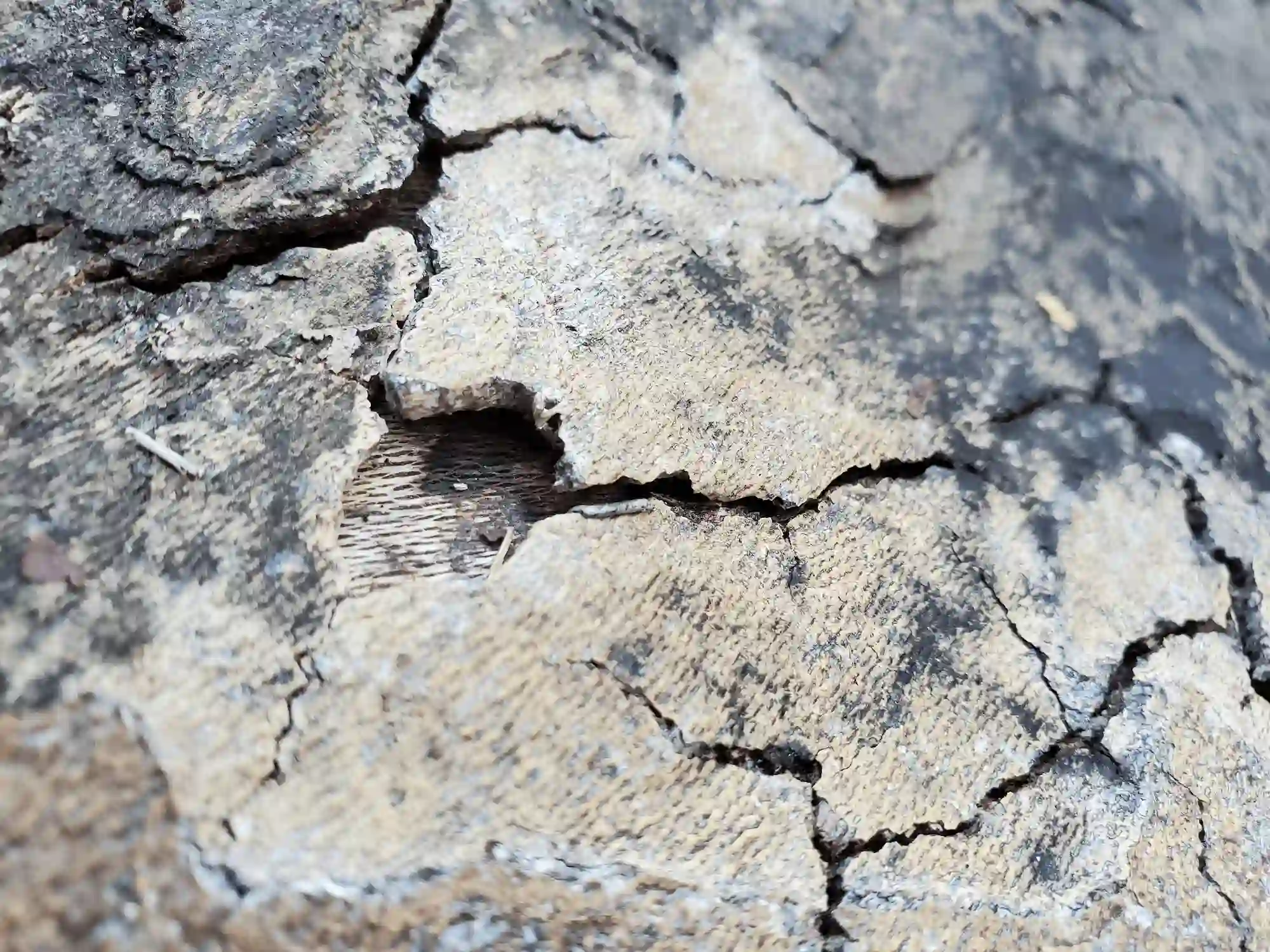 Cork is permeable. Prolonged exposure to standing water, humidity above 70 percent, or flooding will cause cork tiles or planks to swell, buckle, or delaminate. It is generally not recommended for full bathrooms, laundry rooms, or below-grade basements without careful vapor management. For bathrooms specifically, surface materials that handle humidity reliably are essential. Our guide to bathroom design and wallpaper ideas covers finishing choices better suited to wet environments.
Susceptibility to Dents and Scratches
While cork recovers from light compression, heavy furniture with narrow legs, stiletto heels, or pet claws with extended contact can leave permanent indentations. Furniture pads and routine nail trimming for pets mitigate this risk.
Fading Under UV Exposure
Prolonged direct sunlight causes cork to fade and dry out. In rooms with significant solar exposure, UV-filtering window treatments are advisable. Some manufacturers offer UV-resistant finish coatings as a factory option.
Refinishing Limitations
Solid cork tiles can be lightly sanded and refinished once or twice during their lifespan. Engineered cork and thin-veneer click-lock planks generally cannot be refinished without damaging the surface layer.
Cork Flooring Cost Breakdown
| Cost Category | Typical Range (per sq ft) |
|---|---|
| Materials only (tiles) | $2.00 – $5.00 |
| Materials only (planks) | $3.00 – $8.00 |
| Professional installation | $1.50 – $3.50 |
| Total installed cost | $3.00 – $12.00 |
| Underlayment (if needed) | $0.25 – $0.75 |
| Sealer or finish | $0.30 – $0.80 |
If you are comparing hard surface options by budget, our detailed breakdown of floor tiling costs provides a useful reference point alongside cork pricing. Costs vary by region, product quality, and whether the existing floor requires preparation or removal. Premium designer cork products from European manufacturers can exceed $12 per square foot before installation. By comparison, hardwood flooring typically costs $6 to $18 installed, while luxury vinyl plank runs $3 to $9 installed.
How to Choose Cork Flooring
Choosing the right cork flooring starts with understanding your space and how it will be used. First, consider the room — cork performs best in living rooms, bedrooms, and home offices, so avoid high-moisture areas unless the product is moisture-rated. Next, think about thickness; thicker tiles offer better cushioning and sound insulation, while thinner options are more budget-friendly. You’ll also want to decide between tiles and planks — tiles allow creative patterns and easy replacement, while planks offer a hardwood-like look with a simple click-lock installation. Don’t overlook the finish and wear layer rating, as these determine how well your floor holds up against scratches and daily wear. Finally, set a realistic budget that includes installation, underlayment, and sealing costs, and always order samples before making a final decision — seeing and feeling the material in your own space makes all the difference.
Consider the Room’s Moisture Level
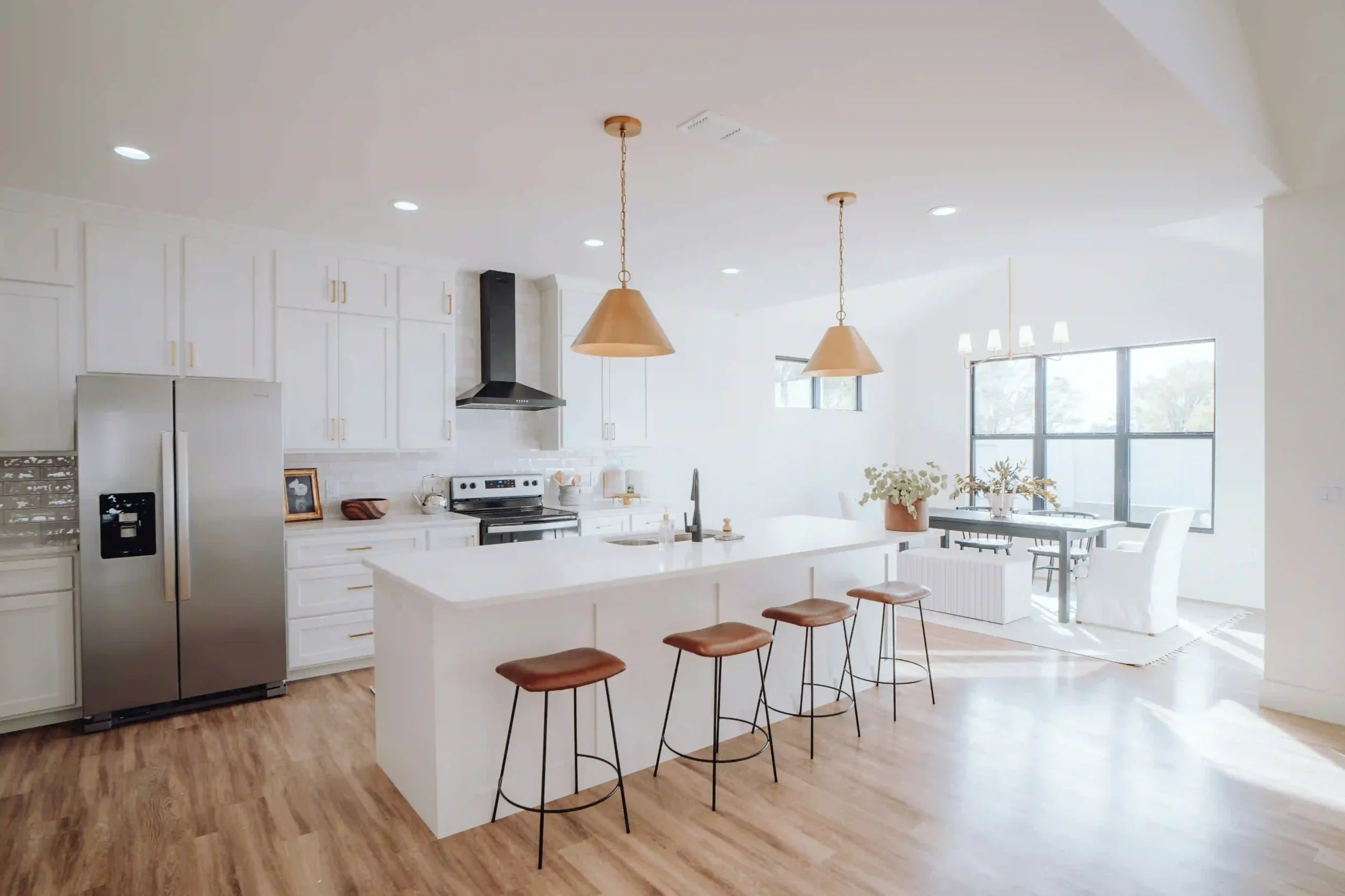 Cork is particularly well-suited to bedroom environments where comfort underfoot matters most. If you are planning a full bedroom refresh, our guide to master bedroom ideas covers layout, colour, and styling decisions alongside flooring choices. kitchens, cork can work well if spills are wiped promptly and the floor is resealed every three to five years. For bathrooms, cork is a marginal choice and should be avoided in wet-zone areas directly adjacent to showers or tubs. For living rooms, bedrooms, home offices, and hallways, cork is fully appropriate.
Evaluate Foot Traffic
Light to moderate foot traffic is cork’s natural range. High-traffic commercial environments or entryways exposed to grit and outdoor debris will degrade cork more rapidly than harder surface materials.
Select the Right Finish
Unfinished cork tiles require on-site application of polyurethane, wax, or water-based acrylic finishes. Pre-finished products from manufacturers such as Amorim (Wicanders) or Natural Cork come with factory-applied UV-cured coatings that perform consistently. For households with pets or young children, a harder polyurethane finish is more protective than wax.
Match the Installation Method to Your Skill Level
Floating click-lock planks are accessible to competent DIY installers. Glue-down tiles require more preparation, including a perfectly level subfloor, and the adhesive application demands a consistent technique. If subfloor preparation is uncertain, professional installation is the more reliable route.
Cork Flooring Installation Overview
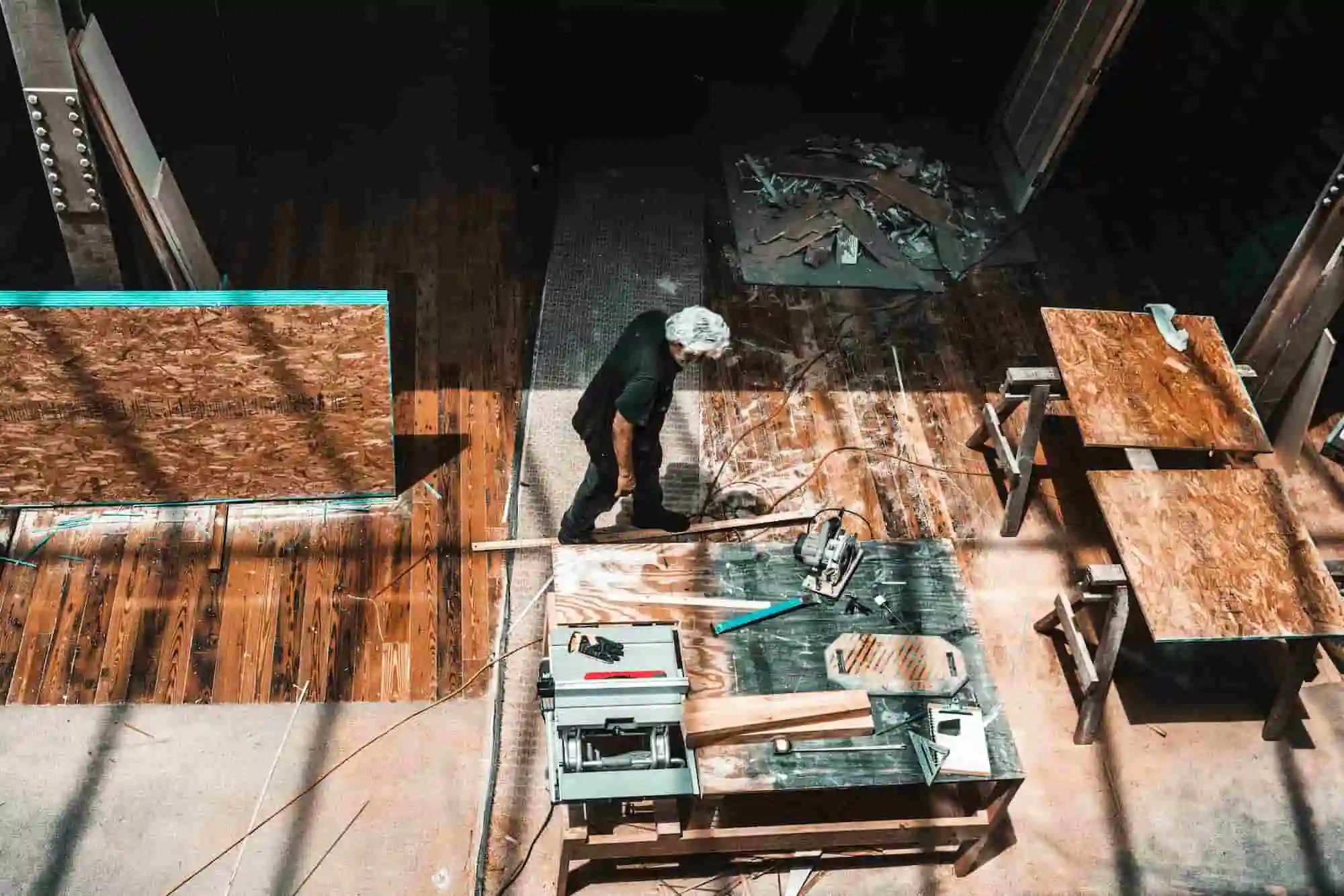 The installation process for floating cork planks follows these general steps. First, acclimate the material by storing planks in the installation room for 48 to 72 hours before work begins, allowing the material to adjust to ambient temperature and humidity. Second, prepare the subfloor so it is flat to within 3/16 of an inch per 10-foot span, clean, and dry. Third, install underlayment if the product does not include a factory-attached backing. Fourth, lay the first row along the longest, straightest wall, leaving a 3/8-inch expansion gap at all perimeter walls and fixed objects. Fifth, click planks together using the tongue-and-groove mechanism and stagger end joints by at least 8 inches between rows. Finally, install quarter-round or T-molding to cover expansion gaps at walls and transitions to adjacent flooring.
For glue-down tiles, subfloor preparation is more critical. Trowel adhesive is applied to the subfloor in sections, and tiles are pressed firmly into position. The adhesive requires 24 hours of cure time before the floor is subject to normal use. Floating cork plank installation is one of the more manageable DIY flooring projects for a prepared homeowner. For other hands-on home improvement ideas, browse our collection of easy, creative projects for your home.
Cork Flooring Maintenance
Routine maintenance for cork flooring is straightforward. Sweep or vacuum weekly using a soft-brush attachment to avoid surface scratches. Damp-mop with a pH-neutral cleaner diluted in water and avoid steam mops and excessive water entirely. Reseal the surface every three to five years with a compatible finish, or as recommended by the product manufacturer. Place protective pads under furniture legs and use entry mats at exterior doors to trap grit before it reaches the cork surface.
Cork Flooring vs. Other Flooring Types
| Feature | Cork | Hardwood | LVP | Tile |
|---|---|---|---|---|
| Comfort underfoot | High | Moderate | Moderate | Low |
| Moisture resistance | Low–Moderate | Low | High | Very High |
| Acoustic dampening | High | Low | Moderate | Low |
| Environmental impact | Very Low | Variable | Moderate–High | Moderate |
| Refinishable | Limited | Yes | No | No |
| Cost installed | $3–$12 | $6–$18 | $3–$9 | $5–$15 |
| Lifespan (years) | 20–40 | 25–100 | 15–25 | 30–50+ |
What Flooring Professionals Say About Cork
“Cork is one of the most underspecified materials in residential flooring,” says Paul Anater, a flooring design consultant and contributing editor at Floor Covering Weekly. “When clients understand its acoustic and ergonomic properties, it moves up their list quickly.”
James Gould, a certified flooring installer with over 25 years of experience, notes that the biggest mistake installers make with cork is skipping proper subfloor leveling, because cork telegraphs every imperfection in the surface beneath it.
Sustainability architect Rachel Harkness, who has written on biophilic design for the Architectural Digest design journal, describes cork as one of the few flooring materials that genuinely qualifies as a closed-loop natural resource when sourced responsibly.
Frequently Asked Questions
Is cork flooring waterproof?
No. Cork is water-resistant to a limited degree when properly sealed, but it is not waterproof. Prolonged moisture exposure will cause swelling, staining, and eventual structural damage. It is unsuitable for bathrooms and areas prone to flooding.
How long does cork flooring last?
A well-maintained, properly sealed cork floor can last 20 to 40 years. Glue-down solid cork tiles generally have a longer practical lifespan than thin-veneer click-lock planks.
Can you install cork flooring over radiant heat?
Yes, you can install cork flooring over radiant heat systems, but you must follow certain limitations. Keep the subfloor temperature below 27°C (80°F), as higher temperatures can dry out the cork and cause dimensional instability or damage the finish.
Does cork flooring smell?
New cork flooring has a faint natural scent that dissipates within a few weeks. This odor comes from suberin and other organic compounds in the material and is not harmful. Products with strong chemical odors may indicate off-gassing from adhesives or coatings; look for low-VOC certified products if sensitivity is a concern.
Is cork flooring good for people with allergies?
Cork does not trap dust, pollen, or pet dander the way carpeting does, making it a reasonable choice for allergy sufferers. Its natural mold resistance is an additional advantage. Reviewing product certifications such as FloorScore or GREENGUARD is advisable for sensitive households.
How does cork flooring perform with pets?
Light to moderate pet traffic is generally manageable. Large dogs with untrimmed nails will scratch the surface over time. Cork is softer and warmer underfoot for animals than tile, which is an advantage in colder climates. Regular nail trimming and a protective finish coating help preserve the surface.
Conclusion
Cork flooring occupies a specific and defensible position in the broader flooring market. It is not the most durable option, nor the most moisture-resistant. What it offers instead is a set of properties that are difficult to replicate with synthetic alternatives: genuine acoustic performance, natural thermal comfort, proven environmental credentials, and a tactile quality that most resilient flooring products imitate rather than deliver.
For buyers evaluating flooring options for living areas, bedrooms, home offices, or kitchens, cork merits serious consideration alongside hardwood and luxury vinyl plank. Its limitations are real but manageable with correct installation, appropriate sealing, and routine care. The practical next step is requesting physical samples from two or three manufacturers and comparing them for finish quality, thickness, and ease of assembly. A flooring retailer familiar with your regional climate can advise on the most appropriate product grade for your specific application.