
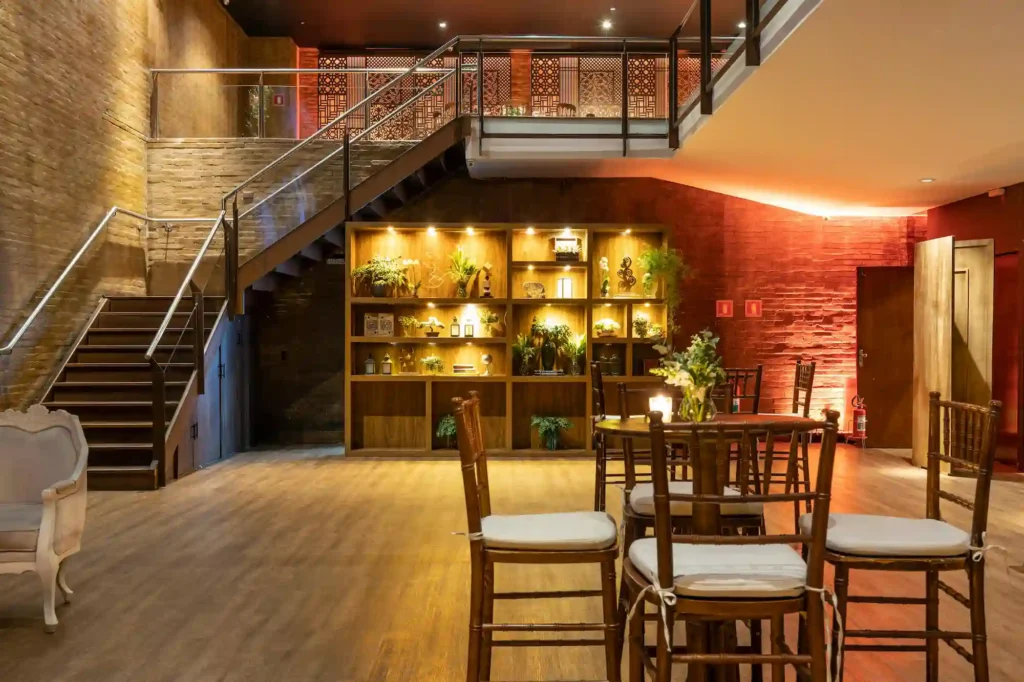

Choosing the right flooring is one of the most important decisions in home design, especially when exploring different types of wood flooring for your space. Among all available options, wood flooring stands out for its natural beauty, durability, and timeless appeal. Not only does it enhance the overall look of your home, but it also increases property value.
However, many homeowners feel confused because there are several types of wood flooring available today. Each type offers different features, benefits, and limitations. Therefore, understanding these options is essential before making a final decision.
In this complete guide, we will explore the most popular types of wood flooring, compare their features, and help you choose the best option for your home.
Main Types of Wood Flooring
There are several types of wood flooring available in the market. Below are the most common and widely used options.
1. Solid Hardwood Flooring
Solid hardwood flooring is made from a single piece of natural wood. It is one of the most traditional and premium flooring choices.
Key Features:
- Made from 100% real wood
- Typically 18–20mm thick
- Can be sanded and refinished multiple times
Advantages:
First of all, solid hardwood offers unmatched durability and longevity. With proper care, it can last for 50 years or more. In addition, it provides a classic and high-end appearance that never goes out of style.
Disadvantages:
On the other hand, it is sensitive to moisture and temperature changes. Therefore, it may expand or contract in humid conditions.
Best For:
- Living rooms
- Bedrooms
- Dining areas
2. Engineered Wood Flooring
Engineered wood flooring consists of multiple layers, with a real wood veneer on top and a stable core underneath.
Key Features:
- Multi-layer construction
- Real wood surface
- Better resistance to moisture
Advantages:
Unlike solid hardwood, engineered wood is more stable and can handle humidity changes. Moreover, it is easier to install and often more budget-friendly.
Disadvantages:
However, it cannot be refinished as many times as solid wood. Its lifespan depends on the thickness of the top layer.
Best For:
- Kitchens
- Basements
- Apartments
3. Bamboo Flooring
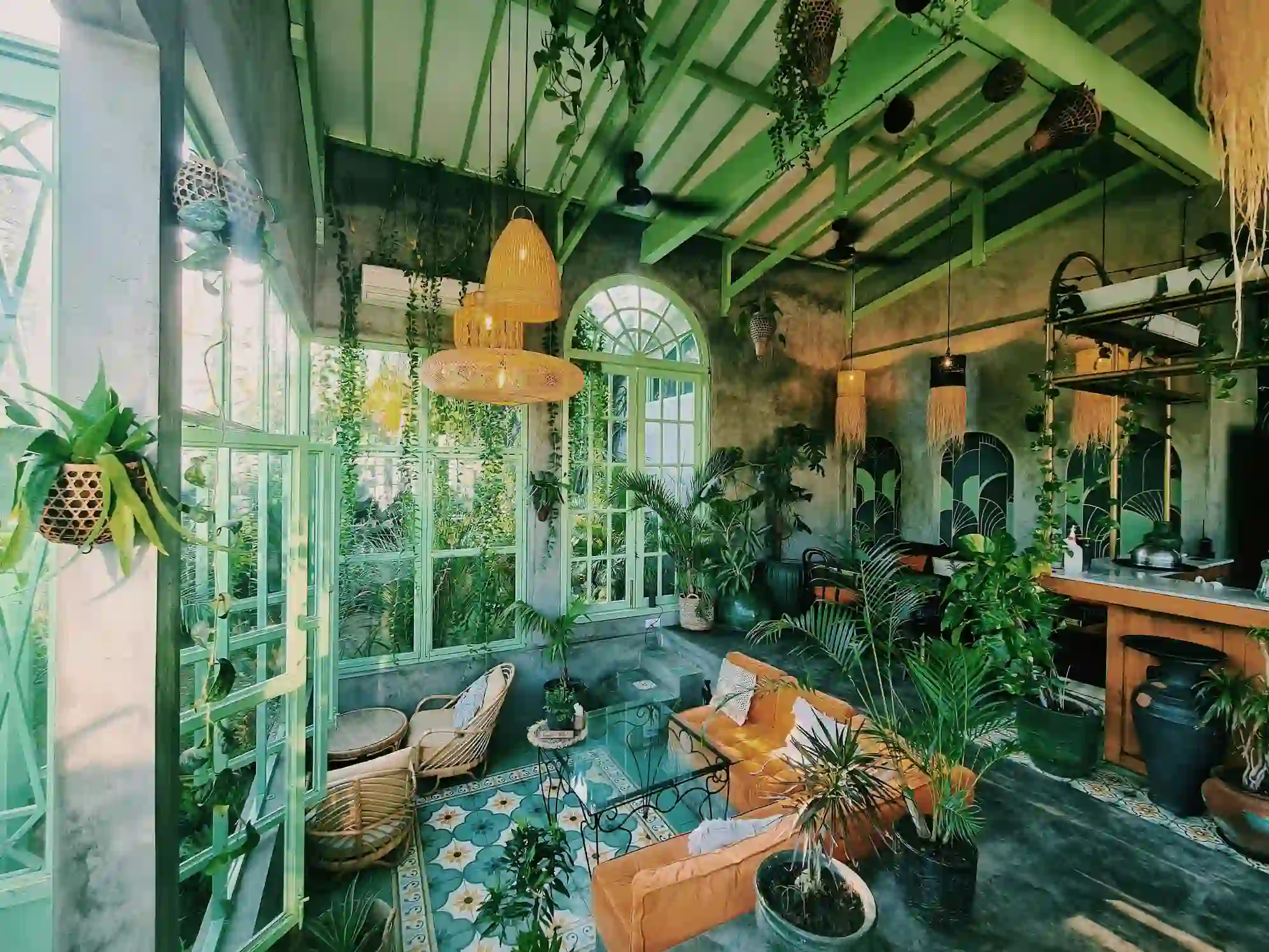
Bamboo flooring is a sustainable and eco-friendly alternative to traditional wood flooring.
Key Features:
- Made from fast-growing bamboo grass
- Durable and stylish
- Available in multiple finishes
Advantages:
Because bamboo grows quickly, it is an environmentally friendly option. Additionally, it offers good resistance to moisture and pests.
Disadvantages:
However, quality varies significantly. Low-quality bamboo may scratch or dent easily.
Best For:
- Eco-conscious homeowners
- Modern interiors
If eco-friendly flooring appeals to you, also consider cork flooring — another sustainable and comfortable option for modern homes.
4. Parquet Flooring
Parquet flooring is created by arranging small wooden pieces into decorative patterns such as herringbone or chevron.
Key Features:
- Unique geometric designs
- Luxurious appearance
Advantages:
For example, parquet flooring can transform a simple room into a stylish space. Therefore, it is often used in high-end interiors.
Disadvantages:
However, it requires professional installation and can be more expensive.
Best For:
- Hallways
- Living rooms
- Luxury spaces
5. Reclaimed Wood Flooring
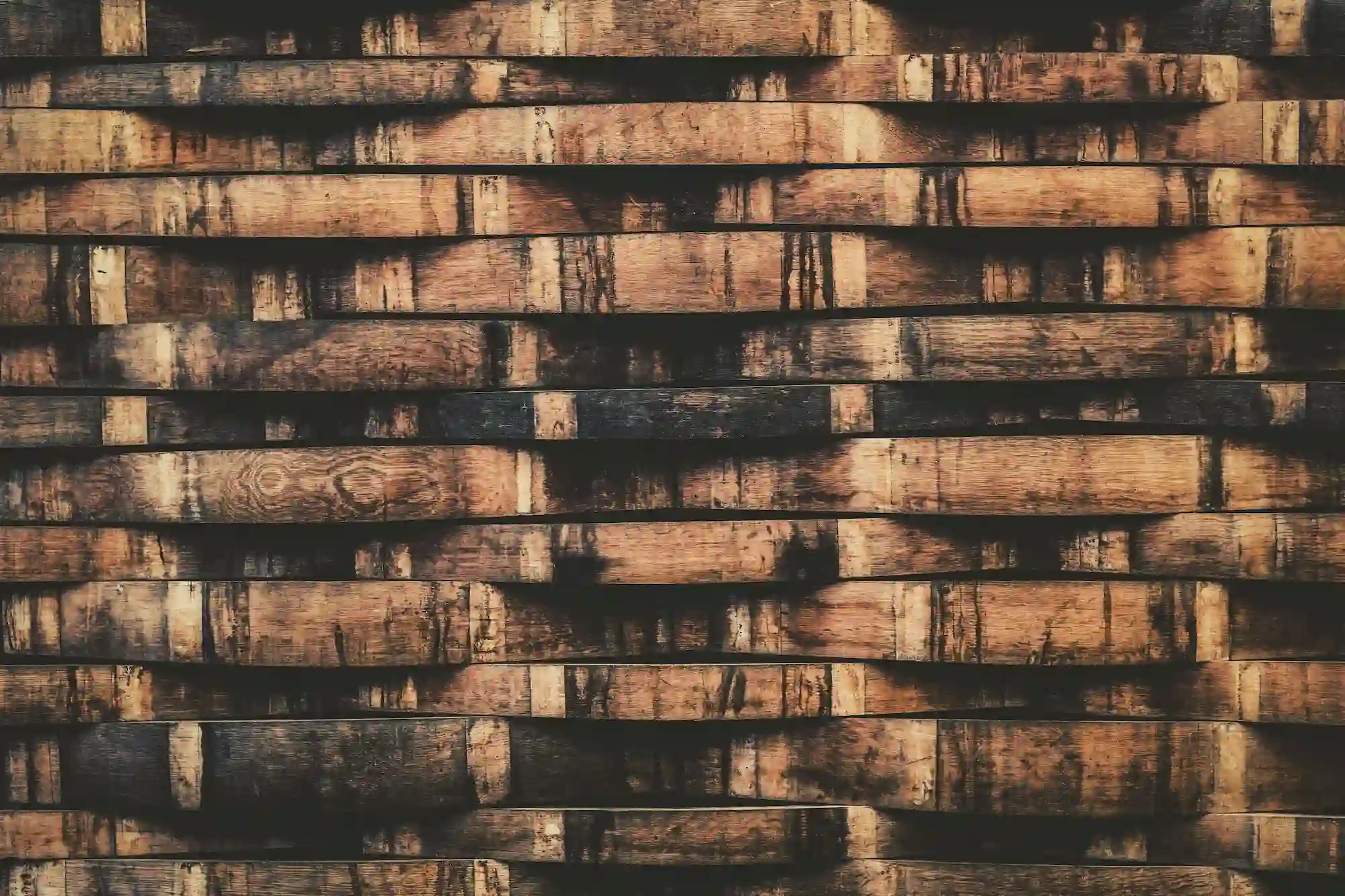
Reclaimed wood flooring is made from recycled wood sourced from old buildings, barns, or factories.
Key Features:
- Recycled material
- Aged and rustic look
Advantages:
Because it reuses old wood, it is environmentally friendly. In addition, each plank has a unique character and history.
Disadvantages:
On the downside, it can be expensive and may need additional preparation.
Best For:
- Rustic homes
- Vintage interiors
Solid vs Engineered Wood Flooring
Many homeowners compare these two options before making a decision.
Key Differences:
| Feature | Solid Hardwood | Engineered Wood |
|---|---|---|
| Material | Single wood piece | Layered construction |
| Durability | Very high | High |
| Moisture Resistance | Low | Better |
| Refinishing | Multiple times | Limited |
| Cost | Higher | Moderate |
Therefore, if you live in a humid area, engineered wood flooring is usually the better choice.
Popular Wood Species for Flooring
The type of wood species plays a major role in durability and appearance.
Oak
One of the most popular choices due to its strength and versatility.
Maple
Known for its smooth grain and light color, perfect for modern interiors.
Walnut
Offers rich, dark tones and a luxurious feel.
Hickory
Extremely durable and ideal for high-traffic areas.
Wood Flooring Finishes
The finish of your flooring affects both appearance and maintenance.
Matte Finish
Provides a natural look and hides scratches well.
Gloss Finish
Creates a shiny surface but requires more maintenance.
Satin Finish
Offers a balanced look and is the most popular choice.
How to Choose the Right Wood Flooring
Choosing the best type of wood flooring depends on several important factors.
1. Budget
If you are on a tight budget, engineered wood is a cost-effective option.
2. Location
For moisture-prone areas like kitchens, choose water-resistant flooring.
3. Lifestyle
If you have pets or children, select harder wood species such as oak or hickory.
4. Style Preference
Light tones create a modern feel, while dark tones offer a traditional look. Your flooring should complement your overall room decor. Light tones create a modern feel, while dark tones offer a traditional look. Pairing your floor with the right wall art and decor can completely transform the feel of any room.
Installation Methods
Different installation methods depend on the type of flooring:
- Nail-down method (common for solid wood)
- Glue-down method
- Floating floor method (easy DIY option)
Maintenance Tips for Wood Flooring
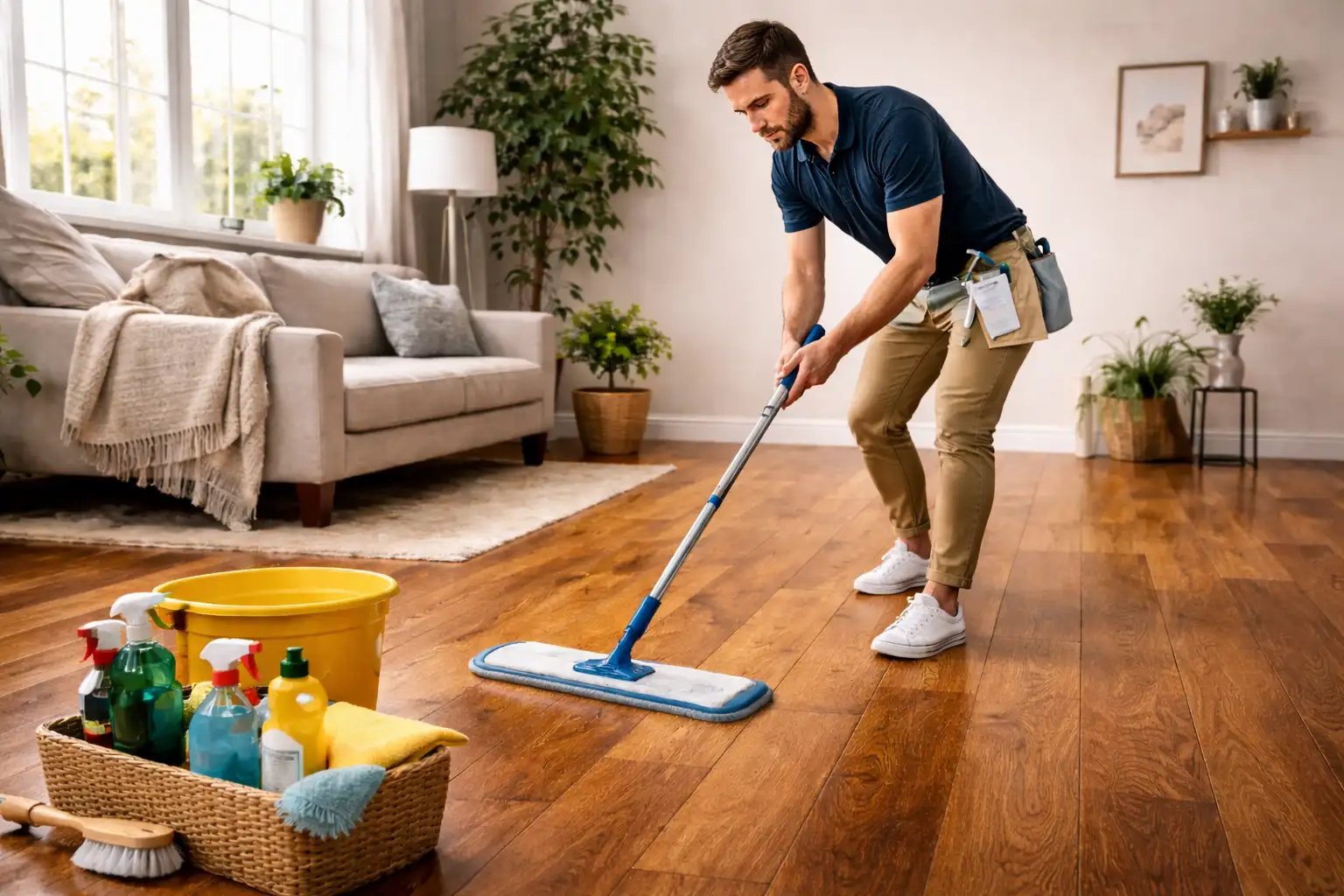
Proper maintenance helps extend the life of your flooring.
- Clean regularly using a soft broom or vacuum
- Avoid excessive water exposure
- Use furniture pads to prevent scratches
- Refinish when necessary
As a result, your flooring will stay beautiful for many years.
For professional-grade maintenance advice, the National Wood Flooring Association offers expert resources for homeowners.
Advantages of Wood Flooring
Wood flooring offers several benefits:
- Long-lasting durability
- Timeless aesthetic appeal
- Increases property value
- Easy to maintain
Disadvantages of Wood Flooring
Despite its benefits, there are some drawbacks:
- Sensitive to moisture
- Higher initial cost
- Requires regular care
Wood Flooring vs Other Flooring Options
Compared to alternatives like vinyl or laminate, wood flooring provides a more natural and premium feel. However, it may not always be the best choice for high-moisture areas.
Before diving into wood types, you may want to explore our complete guide to flooring materials to understand all your options.
Conclusion
In conclusion, understanding the different types of wood flooring helps you make a smart and confident decision. While solid hardwood offers durability and timeless beauty, engineered wood provides flexibility and moisture resistance. Similarly, bamboo and reclaimed wood are excellent, eco-friendly choices.
Therefore, before choosing a flooring type, consider your budget, lifestyle, and space requirements. With the right choice, wood flooring can enhance your home’s comfort, style, and value for decades.
FAQS
What are the main types of wood flooring?
The main types include solid hardwood, engineered wood, bamboo, parquet, and reclaimed wood.
Which type of wood flooring is best?
Engineered wood is often the best overall option due to its durability and moisture resistance.
Is wood flooring waterproof?
No, but engineered wood offers better resistance compared to solid hardwood.
How long does wood flooring last?
Solid hardwood can last over 50 years, while engineered wood typically lasts 20–30 years.



Pingback: What Is Engineered Hardwood Flooring? A Complete Guide