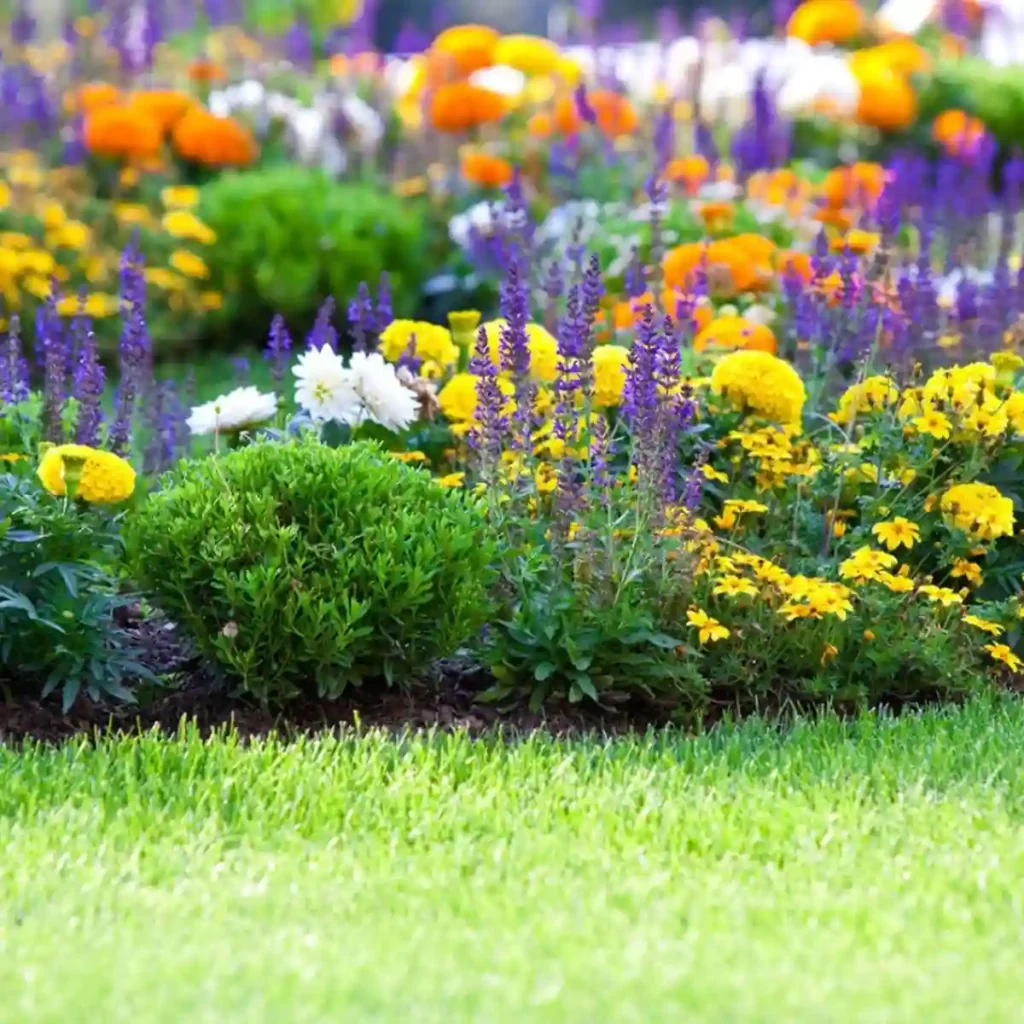

Flower gardening is one of the most enjoyable and rewarding activities you can start, even if you have no prior experience. Whether you want to add color to your home, create a peaceful outdoor space, or simply enjoy nature, growing flowers is a perfect hobby. With the right approach and a little patience, anyone can grow a beautiful and thriving flower garden.
This step-by-step guide will walk you through everything you need to know as a beginner, from choosing the right flowers to caring for them properly.
Table of Contents
ToggleWhy Flower Gardening is Perfect for Beginners
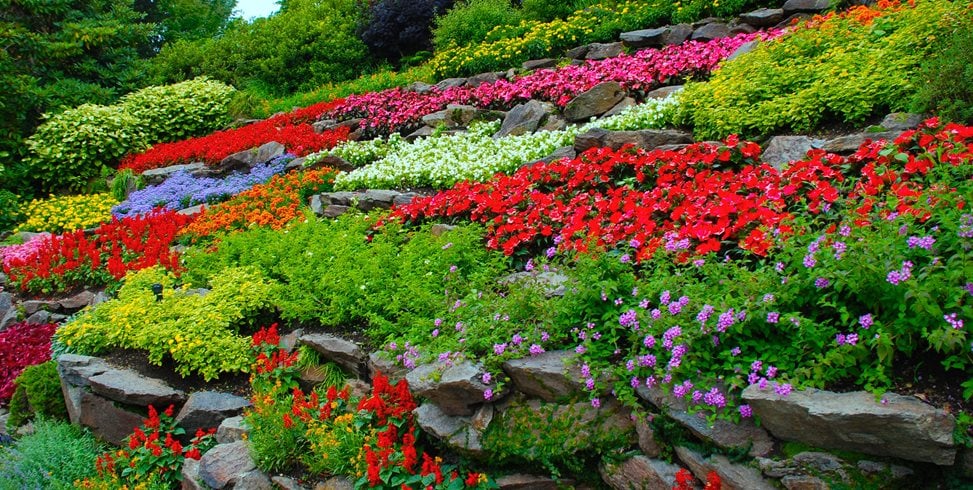
Flower gardening is ideal for beginners because it doesn’t require advanced skills or expensive tools. It’s a flexible hobby—you can start small with a few pots or expand into a full garden over time. Flowers grow relatively quickly compared to many plants, which makes the process exciting and motivating.
In addition, gardening has mental and physical benefits. It reduces stress, improves mood, and gives you a sense of accomplishment as you watch your plants grow and bloom.
Step 1: Choose the Right Location
The success of your flower garden starts with selecting the right location. Most flowering plants need plenty of sunlight to grow properly.
Look for a spot that:
- Receives at least 6–8 hours of sunlight daily
- Has good air circulation
- Drains water well after rain or watering
If you don’t have a garden, don’t worry. You can grow flowers on balconies, rooftops, or even windowsills using pots and containers.
Step 2: Select Easy-to-Grow Flowers
Choosing the right flowers is very important for beginners. Some plants are more forgiving and require less maintenance.
Best Flowers for Beginners:
- Marigolds
- Sunflowers
- Petunias
- Zinnias
- Cosmos
- Pansies
You should also consider the season when selecting flowers. For example:
- Winter flowers: Pansies, Petunias, Dianthus
- Summer flowers: Sunflowers, Zinnias, Cosmos
Growing seasonal flowers ensures better results and healthier plants.
Step 3: Prepare the Soil
Healthy soil is the backbone of a successful flower garden. Good soil provides nutrients, supports roots, and helps retain moisture.
How to Prepare Soil:
- Loosen the soil to improve air circulation
- Add compost or organic matter for nutrients
- Mix in sand if drainage is poor
If you are using pots, always use a high-quality potting mix instead of regular soil, as it is specially designed for plant growth.
Step 4: Planting Seeds or Seedlings
You can start your garden from seeds or buy small plants from a nursery.
Planting Seeds:
- Follow the instructions on the seed packet
- Plant seeds at the recommended depth
- Water lightly after planting
Planting Seedlings:
- Dig a hole slightly bigger than the root ball
- Place the plant gently into the hole
- Cover with soil and press lightly
Always leave enough space between plants to allow proper growth and airflow.
Step 5: Watering Your Plants
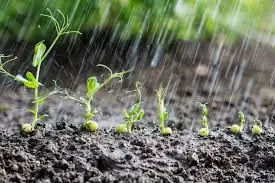
Watering is one of the most important aspects of flower gardening, but it must be done correctly.
Watering Tips:
- Water early in the morning or late in the evening
- Keep the soil moist but not waterlogged
- Check the soil before watering—if it’s still wet, wait
Different plants have different water needs, so observe your flowers regularly.
Step 6: Sunlight and Temperature Care
Sunlight is essential for photosynthesis, which helps plants grow and produce flowers. Make sure your plants receive enough sunlight based on their type.
Also, protect your plants from:
- Extreme heat
- Strong winds
- Heavy rainfall
You can move potted plants to safer areas when needed.
Step 7: Fertilizing for Healthy Growth
To produce vibrant blooms, flowers need nutrients. Fertilizers help improve plant health and flowering.
Types of Fertilizers:
- Organic compost
- Liquid fertilizers
- Balanced NPK fertilizers
Apply fertilizer every 2–3 weeks during the growing season. Be careful not to over-fertilize, as it can harm your plants.
Step 8: Maintenance and Weed Control
Regular maintenance keeps your garden healthy and attractive.
Important Tasks:
- Remove weeds that compete for nutrients
- Trim dead or damaged leaves
- Practice deadheading (removing faded flowers)
Deadheading encourages plants to produce more flowers and keeps your garden looking fresh.
Step 9: Pest and Disease Management
Pests and diseases can damage your flowers if not managed properly.
Common Garden Pests:
- Aphids
- Whiteflies
- Caterpillars
Natural Control Methods:
- Spray neem oil
- Use mild soap water solution
- Remove infected leaves manually
Check your plants regularly so you can act quickly if problems arise.
Step 10: Start Small and Stay Consistent
As a beginner, it’s best to start small. Don’t try to grow too many plants at once. Focus on learning and improving your skills gradually.
Consistency is key in gardening. Regular watering, feeding, and monitoring will lead to better results over time.
Common Mistakes to Avoid
Many beginners make simple mistakes that can affect plant growth. Avoid these to ensure success:
- Overwatering or underwatering
- Choosing difficult plants
- Ignoring sunlight needs
- Planting too close together
- Skipping regular maintenance
Learning from these mistakes will help you become a better gardener.
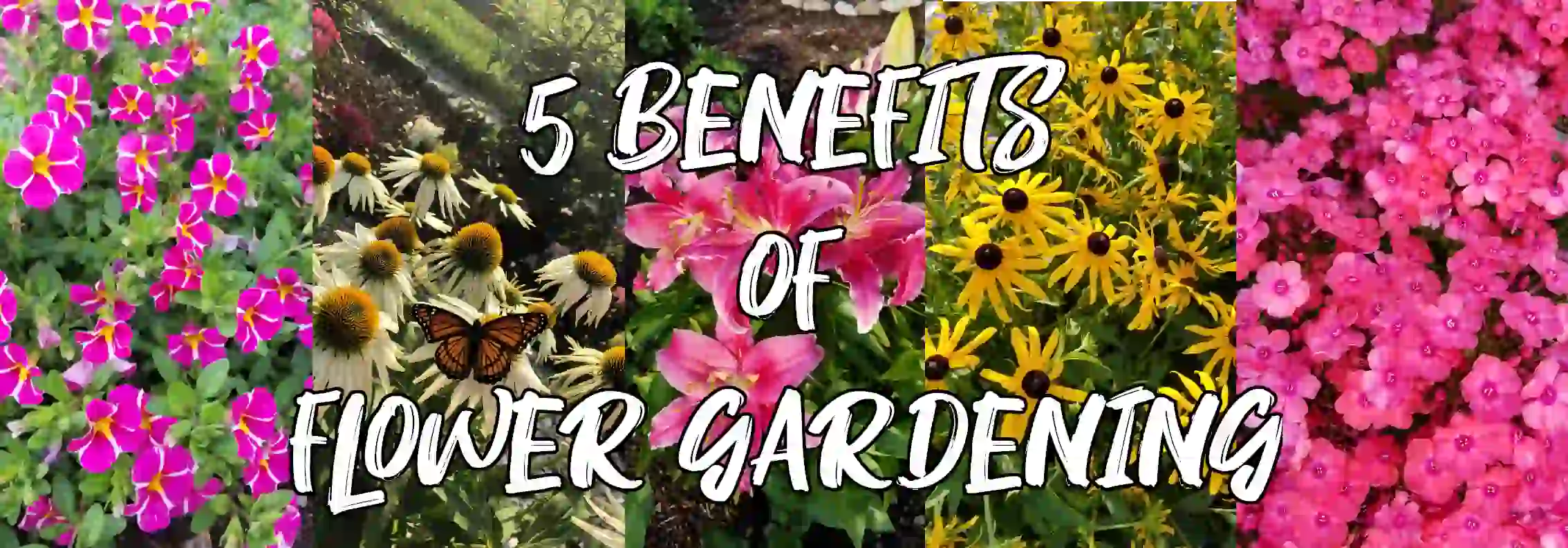
Flower gardening offers more than just visual beauty. It provides several benefits:
- Reduces stress and promotes relaxation
- Improves mental well-being
- Enhances the look of your home
- Supports pollinators like bees and butterflies
- Encourages a healthy outdoor lifestyle
It’s a hobby that benefits both you and the environment.
Conclusion
Flower gardening is a wonderful activity that anyone can begin with simple steps and a little dedication. By choosing the right location, selecting easy-to-grow flowers, preparing healthy soil, and providing proper care through watering, sunlight, and fertilization, you can create a beautiful and thriving garden even as a beginner. Regular maintenance, pest control, and avoiding common mistakes further ensure that your plants grow strong and bloom vibrantly.
With patience and consistency, flower gardening becomes more than just a hobby—it turns into a relaxing and fulfilling experience that brings joy, peace, and a sense of achievement. Every flower you grow reflects your effort and care, making your space more colorful and lively. Start small, keep learning, and enjoy the journey, because over time, your garden will flourish into a beautiful natural paradise.
1. What is the easiest way to start flower gardening for beginners?
The easiest way to start flower gardening is by choosing a sunny location, using good soil, and planting easy-to-grow flowers like marigolds or sunflowers. Start small and follow basic care routines like watering and sunlight.
2. Which flowers are best for beginner gardeners?
Beginner-friendly flowers include marigolds, petunias, zinnias, sunflowers, and cosmos. These plants are low-maintenance and grow well in different conditions.
3. How often should I water my flower plants?
Most flower plants need watering 2–3 times a week, depending on the weather. Always check the soil—if it feels dry, it’s time to water. Avoid overwatering to prevent root rot.
4. Can I grow flowers in pots at home?
Yes, many flowers can grow successfully in pots or containers. Just ensure proper drainage, use quality potting soil, and place the pots where they receive enough sunlight.
5. What are common mistakes beginners should avoid in flower gardening?
Common mistakes include overwatering, planting in low sunlight, choosing difficult plants, and not maintaining the garden. Proper care and regular monitoring help avoid these issues.