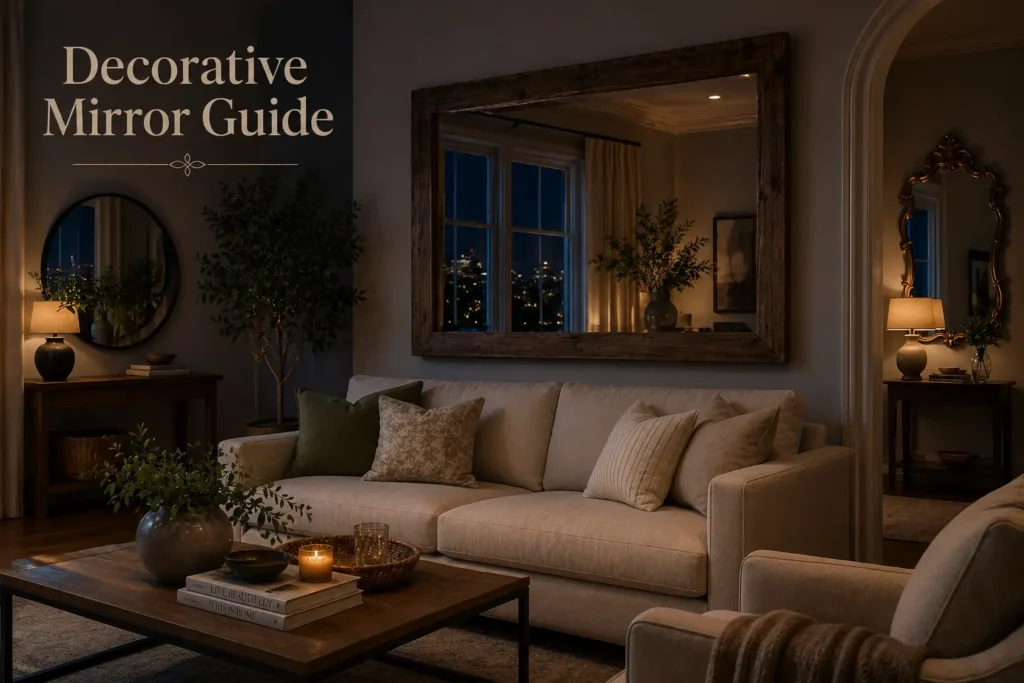
Wall Decor Styles

Best Modern Wall Decor Styles of 2025: A Buyer’s Guide

Best Modern Wall Decor Styles of 2025: A Buyer’s Guide

Buying wall decor without a clear style direction is how you end up with a home full of pieces that individually looked good but collectively say nothing. Modern wall decor styles in 2025 have matured well beyond the trend cycle of previous years. The strongest directions right now blend visual restraint with material richness, and personal expression with timeless composition.

This guide maps the dominant styles, breaks down who each suits best, and gives you the decision framework to invest confidently.

Why Style Clarity Matters Before You Buy

The difference between a room that looks designed and one that looks decorated often comes down to style coherence. You do not need every piece to match. You need every piece to belong to the same aesthetic world.

Before purchasing any contemporary wall art, identify the dominant style language of your existing furniture and architecture. Mid-century furniture pairs differently than industrial shelving. A plaster-walled rental property responds differently than a tiled Victorian terrace.

Style clarity does not limit your options. It focuses your investment so that every piece you buy earns its place permanently rather than rotating out in eighteen months.

Minimalist Wall Decor: Restraint as a Design Statement

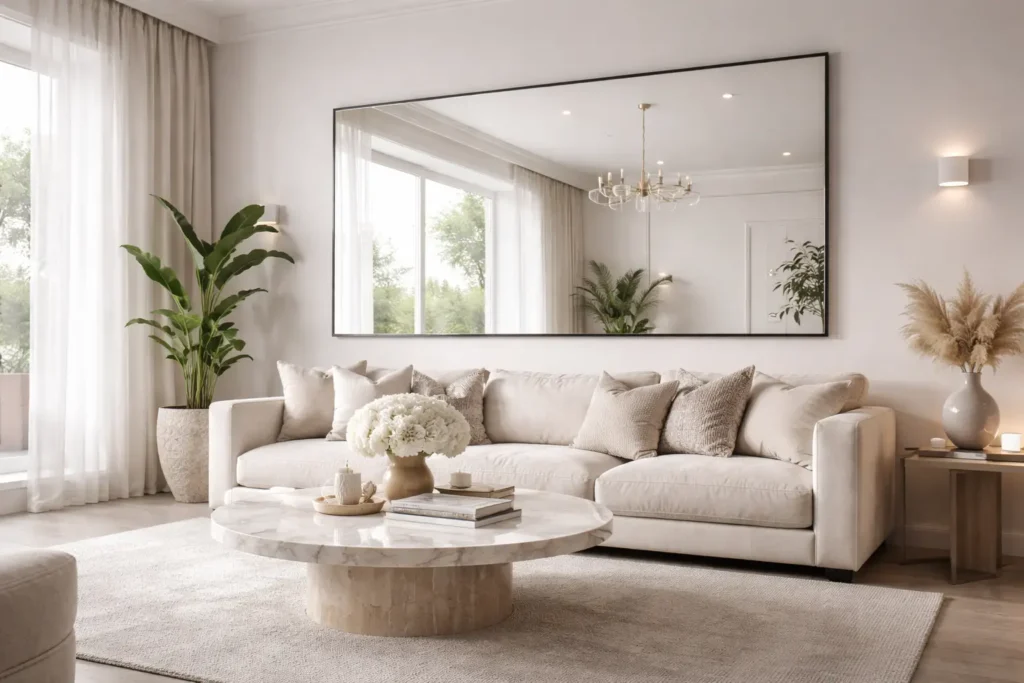
Minimalist wall decor remains one of the strongest performing directions in 2025 because it ages well and works across a wide range of interiors. It is not about buying less. It is about buying pieces with enough visual authority to hold space without requiring surrounding noise.

Characteristics of strong minimalist wall art:

A limited palette of two to three tones, typically grounded in neutrals with one deliberate accent. Clean geometric or organic forms with no illustrative complexity. High-quality materials, because minimalist pieces carry no decorative distraction and the material quality becomes the detail. Large scale, because minimalist pieces need adequate size to assert presence in a room.

This style suits homeowners who prefer interiors that feel calm, curated, and adaptable to seasonal refreshes through accessory changes rather than art replacement.

Best applications: Living rooms with neutral upholstery, master bedrooms, home offices, and open-plan spaces.

Abstract Wall Art: Emotional Range Within a Modern Frame

Abstract wall art has shifted in 2025 toward more gestural, handmade-feeling work and away from the printed digital abstracts that dominated the previous decade. The distinction matters because authentic texture and mark-making read differently in a room than a flat print of a digitally generated image.

What to look for in contemporary abstract work:

Visible texture, whether through canvas weave, layered paint, or mixed media application. Compositions that hold interest at close range and read clearly from across a room. Color relationships that complement rather than match your existing palette. Limited edition or original works where budget allows, as these retain or increase value and carry unique character.

Abstract art suits homeowners who want rooms with emotional warmth and creative energy. It is the most flexible style in terms of interior compatibility, provided the color relationships are managed with care.

Best applications: Living rooms, creative workspaces, dining rooms, and entryways where a strong first impression is the goal.

Organic and Nature-Inspired: Warmth Through Material and Form

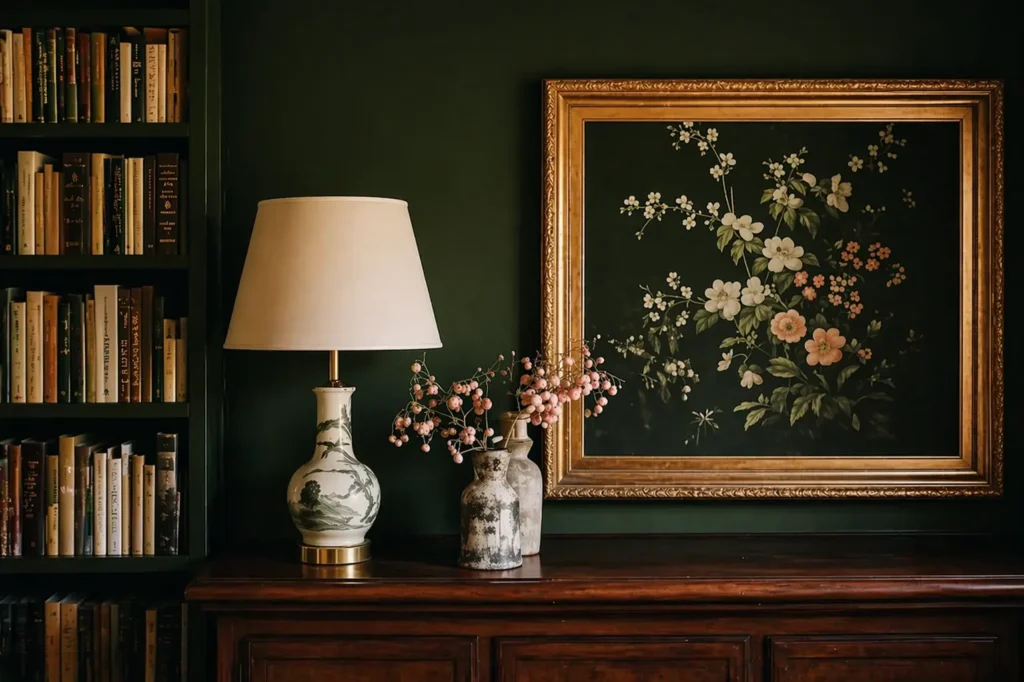
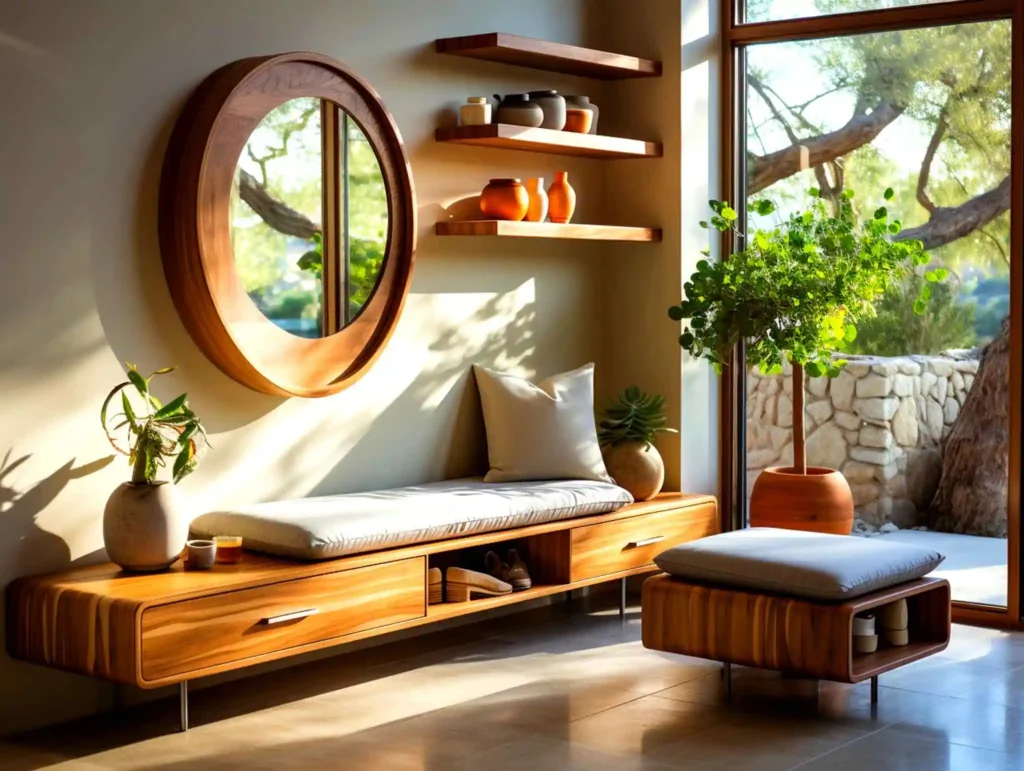
One of the clearest wall decor trends gaining momentum in 2025 is the move toward organic, nature-connected forms. This includes botanical prints with a graphic rather than illustrative quality, woven fiber art using natural materials, ceramic wall sculptures, and wood-based installations.

This direction responds directly to the broader interior design movement toward biophilic design, which prioritizes materials, forms, and textures that reference the natural world. It is proving particularly resonant in kitchens, dining areas, and bedrooms where warmth and tactile richness are priorities.

The risk with this style is leaning too heavily into the rustic register. The modern expression of nature-inspired decor is graphic and considered, not country-cottage. The distinction lies in restraint: one strong botanical print in a bold frame reads as modern. Four illustrated botanical prints in mismatched frames reads as dated.

Best applications: Kitchens, dining rooms, bedrooms, and any space where natural materials feature strongly in the furniture palette.

Industrial and Architectural: Structure as Aesthetic

For homes with exposed concrete, raw brick, steel fixtures, or open warehouse-style layouts, industrial wall decor provides the most cohesive direction. Architectural photography, typographic work in sans-serif fonts, metal-framed prints, and oversized blueprints or technical drawings all perform strongly in these environments.

The key principle in industrial-aesthetic spaces is that the wall decor should feel discovered rather than purchased. Pieces with visible age, provenance, or industrial process carry more weight than decorative imitations of those qualities.

This is not a style that works in softly decorated environments. It is specific to its architectural context and should be treated as such.

Best applications: Loft apartments, converted spaces, home offices with industrial furniture, and garages converted into functional rooms.

How to Choose Between Styles: A Decision Framework

If you are choosing between two or more of these directions, apply these three filters in sequence.

Filter 1: Existing architecture and furniture. Your wall decor does not exist in isolation. The dominant material and finish language of your room should confirm or rule out options before you consider anything else.

Filter 2: Longevity versus flexibility. Minimalist and abstract work tends to have greater longevity in a space. Nature-inspired and industrial styles are more specific and may require updating as the room evolves. Consider how frequently you like to refresh your interiors.

Filter 3: Investment level. Original and handmade work in any style outperforms printed reproductions over time, both in visual impact and in value retention. If your budget is limited, one strong original piece will outperform three affordable prints in almost every situation.

Final Considerations Before Purchasing

The best wall decor to buy is always the piece or set that solves a specific visual problem in your home, not the piece that looked impressive on a website or in a showroom. Before finalizing any purchase, view the piece against a reference photo of your room, ideally with the dimensions mapped to scale.

Return policies matter. Any reputable seller of contemporary wall art offers a return window. If they do not, factor that risk into your decision.

For room-by-room inspiration that puts these styles into context before you buy, our complete guide to wall decor inspiration for every room gives you the full picture across every space in your home.

Comments

No comments yet. Why don’t you start the discussion?

Leave a Reply

Your email address will not be published. Required fields are marked *