
The master bedroom is more than a place to sleep. It is the most personal room in the home, and its furniture should serve both comfort and character. Whether you are working with a compact urban layout or a generous suite, the core challenge is the same: choosing pieces that feel intentional, function well together, and leave the room feeling calm rather than crowded.
“The master bedroom is the one room in the house that should be designed entirely for you. Function and feeling must work together from the very first decision.” — Sarah Richardson, Interior Designer
The right master bedroom furniture ideas begin with a clear layout. Before selecting a bed frame, wardrobe, or dresser, measure the room precisely and mark the position of doors, windows, and fixed architectural features. Furniture that looks perfect online can disrupt the natural flow of a room when it arrives.
Once dimensions are clear, every other decision becomes easier.
Small Master Bedroom Furniture Ideas
“A small bedroom isn’t a limitation — it’s an invitation to be intentional. Every piece you choose should earn its place.” — Nate Berkus, Designer
A small master bedroom does not have to feel like a compromise. With careful selection and a few proven techniques, even a modest room can feel ordered, spacious, and quietly stylish.
Start with the bed placement. Place the bed frame against the most prominent wall, typically the one facing the entrance. Cantering the bed on this wall creates symmetry and leaves room on both sides for movement. Design professionals recommend maintaining at least two feet of clearance on either side of the bed for comfortable daily use.
Choose furniture that earns its place. In a small room, every piece must justify the space it occupies. A storage bed with built-in drawers is one of the most effective small master bedroom furniture ideas available. It eliminates the need for a separate chest, freeing up floor space while keeping the room tidy. A storage ottoman at the foot of the bed adds seating without requiring additional square footage.
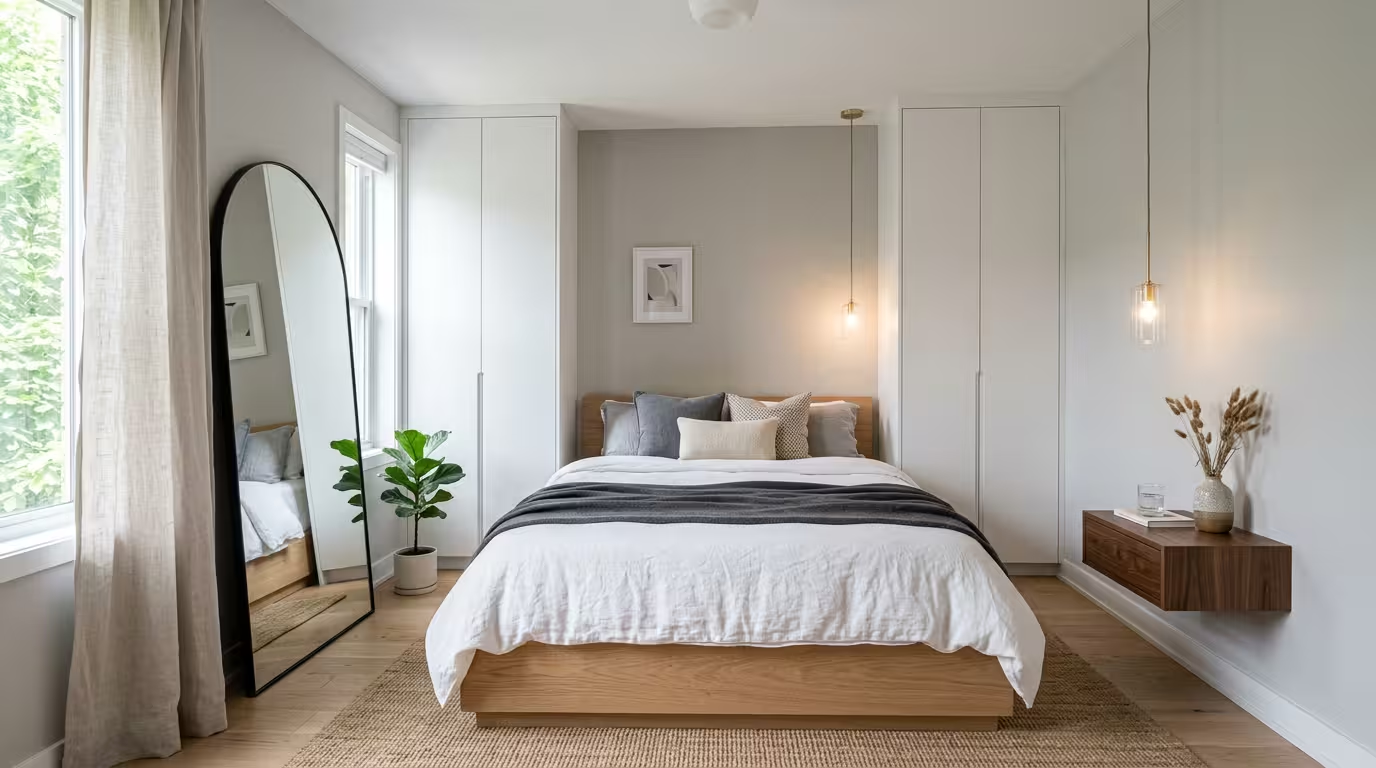
Use vertical space. Tall, narrow wardrobes and wall-mounted shelving draw the eye upward, which creates the impression of greater height. In rooms where a walk-in wardrobe is not possible, floor-to-ceiling fitted joinery offers a streamlined alternative that looks built into the architecture rather than added to it.
Keep the palette light. Soft whites, warm grays, and pale neutrals reflect natural light and make walls appear further apart than they are. Accent colour can be introduced through cushions, throws, and artwork without committing the walls to anything heavy.
Mirrors earn their keep. A full-length leaning mirror or mirrored wardrobe doors reflect both light and space, making a small bedroom appear noticeably larger. Sliding wardrobe doors deserve particular mention here: unlike hinged versions, they require no swing clearance, which is a practical advantage in tight layouts.
Bedroom Furniture and Decorating Ideas: Getting the Layout Right
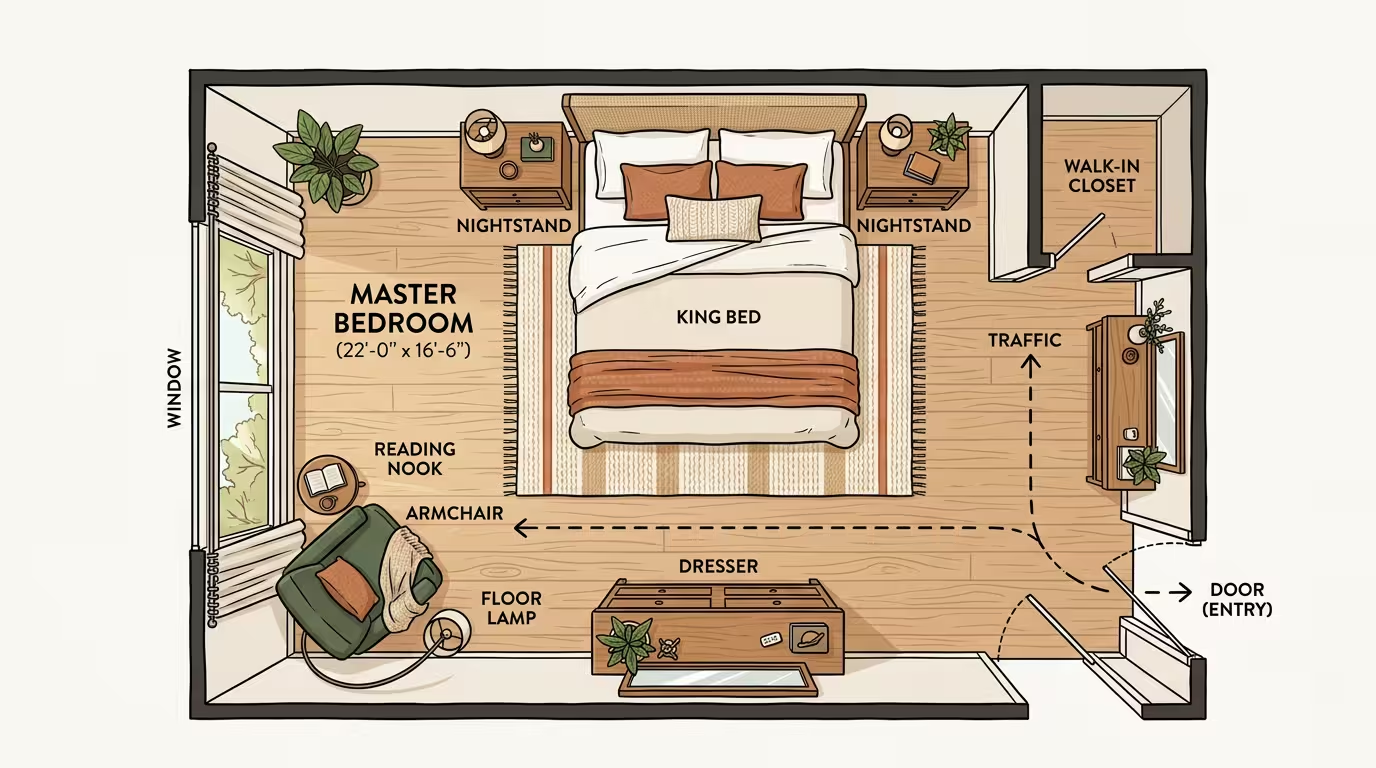
Beyond individual pieces, the arrangement of furniture determines how a room actually feels to live in. A well-considered layout affects lighting, traffic flow, and the psychological sense of rest.
There are several arrangement approaches that work across different room sizes:
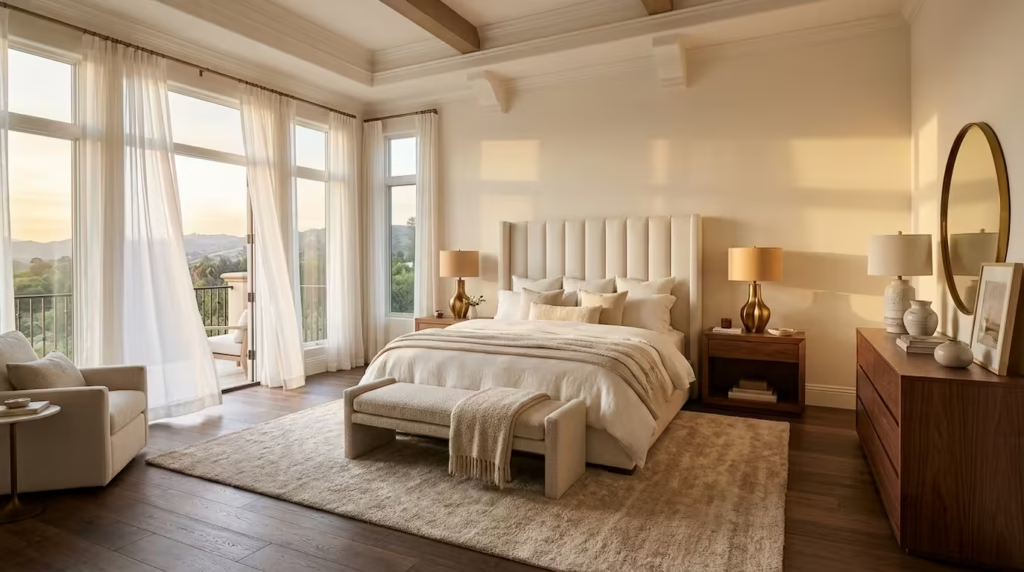
The symmetrical layout positions the bed at the center of the main wall, flanked by matching or coordinating nightstands. This is a time-tested arrangement that creates balance and a hotel-suite quality of order. It works especially well in master bedrooms where a calm atmosphere is the primary goal.
The floating layout pulls the bed away from the walls entirely, turning it into a sculptural centrepiece. This works best in larger rooms with at least three feet of clearance on all sides. It opens up wall space for storage, a reading chair, or a writing desk.
The zoned layout is useful when the bedroom serves multiple purposes. The sleeping area is defined by the bed, rug, and nightstands, while a separate corner accommodates a chair and side table for reading or quiet conversation. A well-placed area rug anchors each zone without physical partitions.
Interior designer Studio 1049 notes that avoiding the habit of lining all walls with furniture allows larger rooms to breathe and feel less like a storage facility. In a generously sized suite, increasing the scale of individual pieces and using fewer of them is often more effective than filling every available surface.
Master Bedroom Decorating Ideas with Dark Furniture
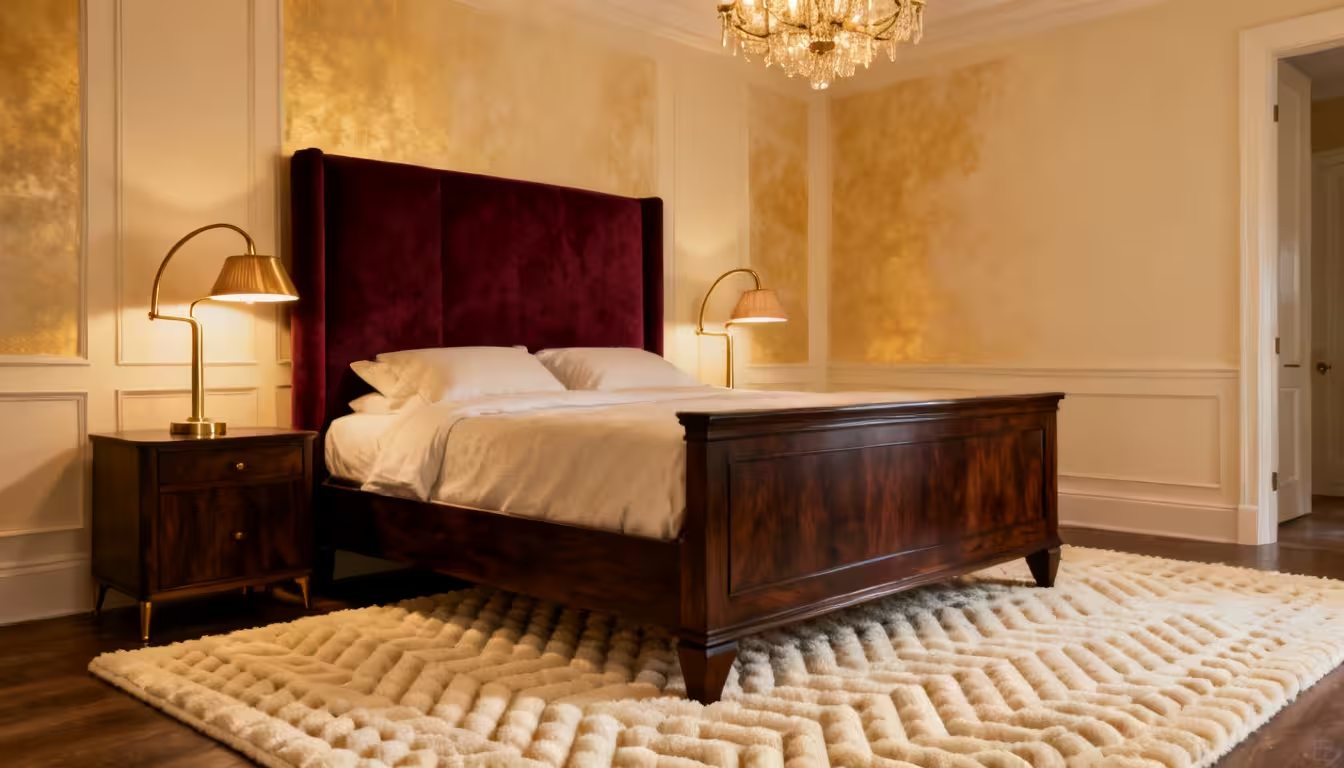
“Dark furniture is not the enemy of light. Used with intention, it brings a room depth and permanence that pale finishes simply cannot.” — Jonathan Adler, Designer
Dark furniture carries weight and authority that lighter pieces cannot replicate. Espresso, walnut, charcoal, and matte black finishes can anchor a bedroom with quiet sophistication. The challenge is preventing the room from feeling closed in or heavy.
Use lighter walls as a counterpoint. Cream, warm white, or soft sage walls reflect enough light to offset deep-toned furniture. The contrast draws attention to the richness of the dark pieces rather than letting them absorb the room’s light entirely.
Layer textures throughout the space. In a dark furniture bedroom, texture is what prevents the design from feeling flat. A woven rug, linen bedding, velvet cushions, and a knitted throw all introduce variation that keeps the eye engaged. Smooth surfaces alongside matte finishes create depth without adding visual clutter.
Introduce metallic accents. Warm brass, brushed gold, and antique bronze work particularly well with dark wood furniture. A brass-based lamp, gold drawer handles, or bronze picture frames lift the overall palette and add a refined finish.
Prioritize lighting. Rooms with dark furniture benefit from layered lighting more than most. Overhead fixtures provide ambient light, bedside lamps create warmth for evening reading, and wall sconces or accent lamps highlight architectural details. Placing a mirror opposite a window doubles the available natural light.
Combine dark pieces with natural materials. A dark walnut bed frame paired with a rattan pendant light or a jute rug creates a balance between moody and organic that is easy to live with. The natural materials soften the visual weight of deep finishes and prevent the space from feeling austere.
Master Bedroom Mix and Match Bedroom Furniture Ideas
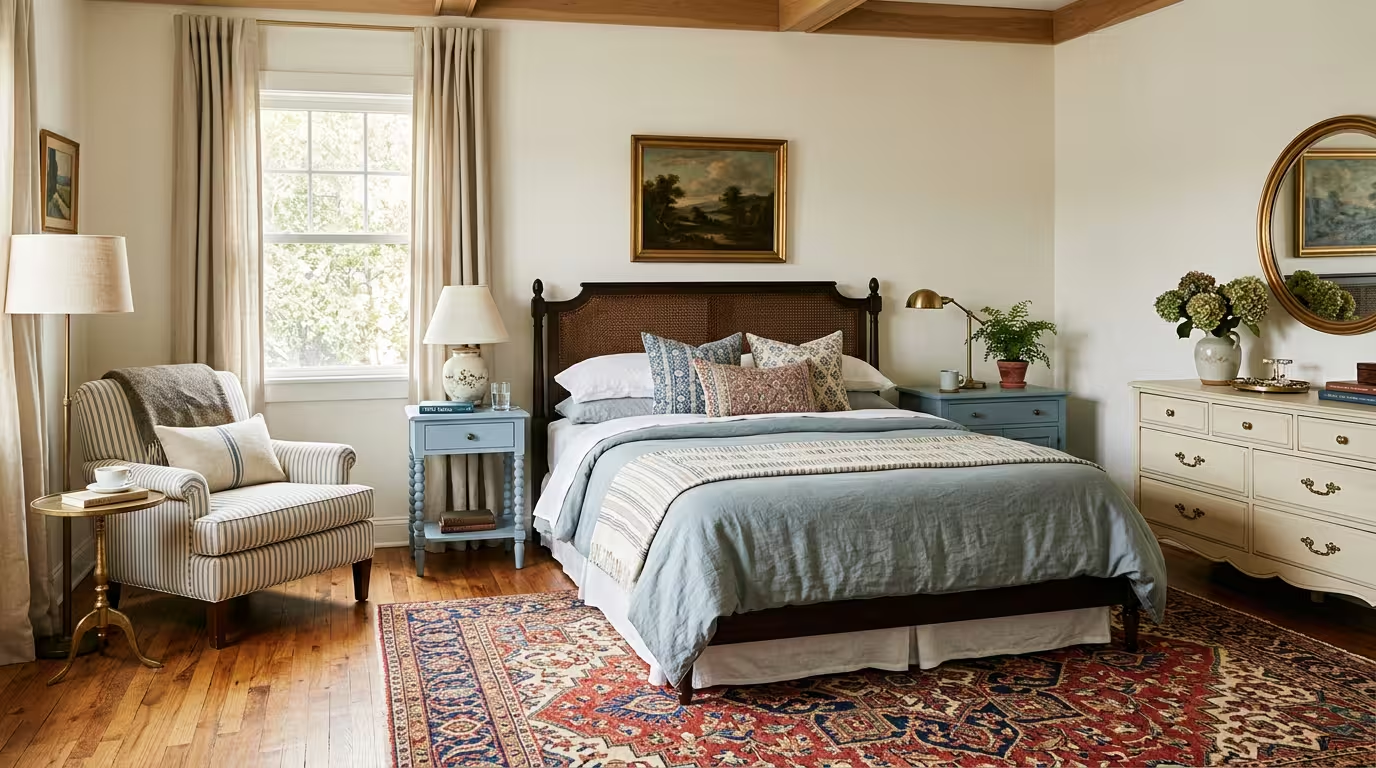
The era of matching bedroom sets has largely passed. Contemporary interiors favour a curated approach in which individual pieces from different sources come together around a shared color story or material theme.
“Matching sets belong in hotel catalogues. Real homes are built over time; one considered piece at a time.” — Bobby Berk, Interior Designer
Mixing furniture is not the same as selecting pieces at random. There are principles that make the difference between a room that feels intentionally eclectic and one that feels simply disorganized.
Organize furniture into material categories. Most bedroom pieces fall into one of four groups: wood tones, painted finishes, metal, and upholstered. Mixing within these categories, and between them, is generally more successful than trying to match pieces exactly. A dark wood bed frame can sit comfortably alongside blue-painted nightstands, provided both share a similar vintage-traditional character.
Keep adjacent pieces in contrasting tones. If two pieces of wood furniture share a similar tone, place them on opposite sides of the room rather than next to each other, where the difference becomes obvious. A dresser that is slightly lighter than the bed will read as intentional contrast when placed across the room.
Use hardware as a unifying thread. When furniture pieces come from different collections or periods, consistent hardware draws them into relationship. Matching brass drawer pulls across a dresser and nightstand of different styles creates cohesion without requiring the pieces themselves to match.
Introduce pattern and texture through soft furnishings. A striped armchair, a patterned rug, or a boldly upholstered headboard can bridge the gap between mixed pieces by introducing a common color that appears in each of them. The result is a room that feels layered and personal rather than assembled from a single catalog page.
Balance scale carefully. If the bed frame is substantial and heavy in visual weight, the nightstands should be slimmer to provide relief. Mixing a solid, statement-making bed with more delicate side tables and a narrow dresser keeps the room from feeling crowded on any side.
Furniture Ideas for the Bedroom: Pieces Worth Considering
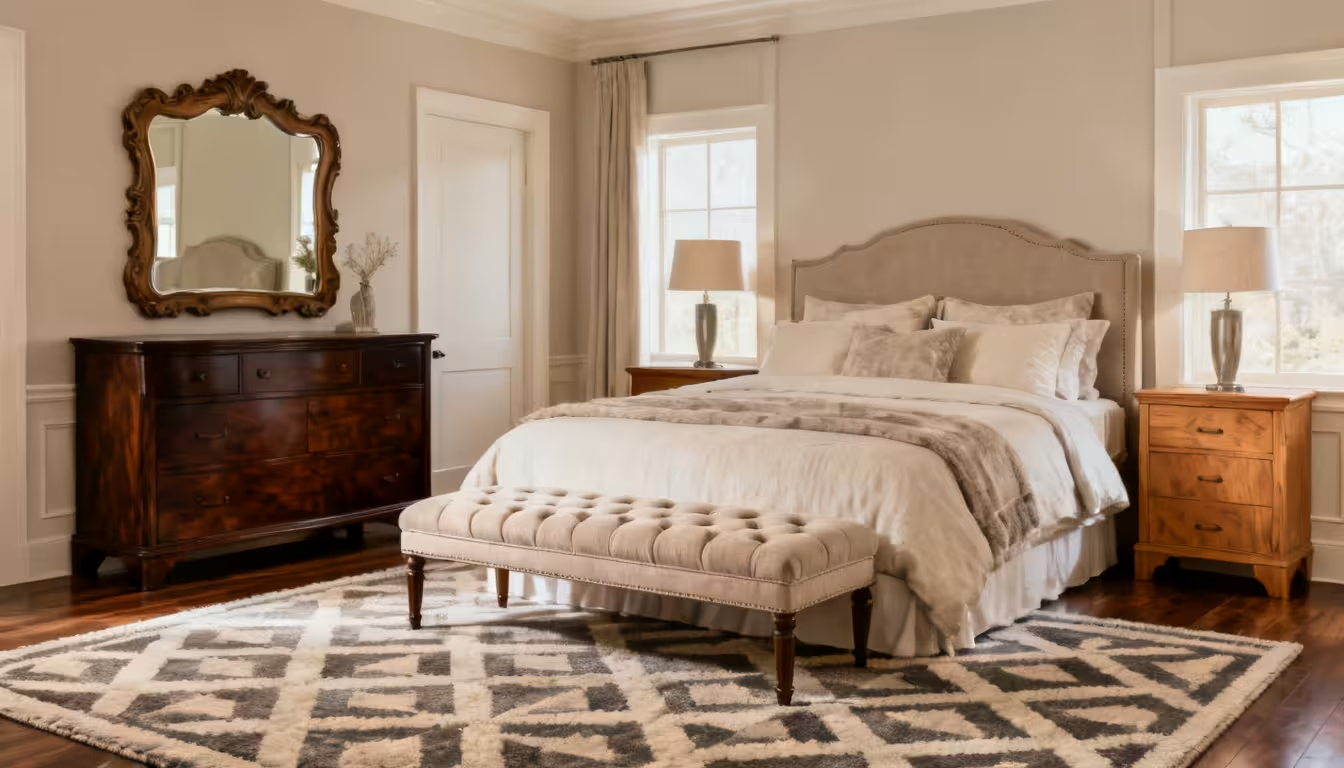
Beyond the bed, a master bedroom typically needs several supporting pieces. Choosing each thoughtfully, rather than defaulting to a boxed set, gives the room a more considered and personal character.
The dresser or chest of drawers remains one of the most functional bedroom pieces even in homes with walk-in wardrobes. A single wide dresser works in larger rooms, while two smaller chests placed on either side of the bed or on opposite walls distribute storage without concentrating it in one heavy block.
The bench at the foot of the bed serves both a practical and visual purpose. It provides a place to sit while dressing, can double as storage in upholstered versions, and gives the bed arrangement a finished quality that adds to the overall sense of order.
The reading chair is a natural addition to any bedroom that has room for it. A compact armchair in a corner, paired with a floor lamp and a small side table, creates a zone within the bedroom that is separate from sleep, which supports both reading and simple decompression at the end of the day.
Wall-mounted bedside lighting frees up the surface of nightstands for practical items rather than lamps. This is a particularly useful consideration in small rooms where nightstand space is limited.
Cupboard for Bed: Storage Solutions That Work With Your Space
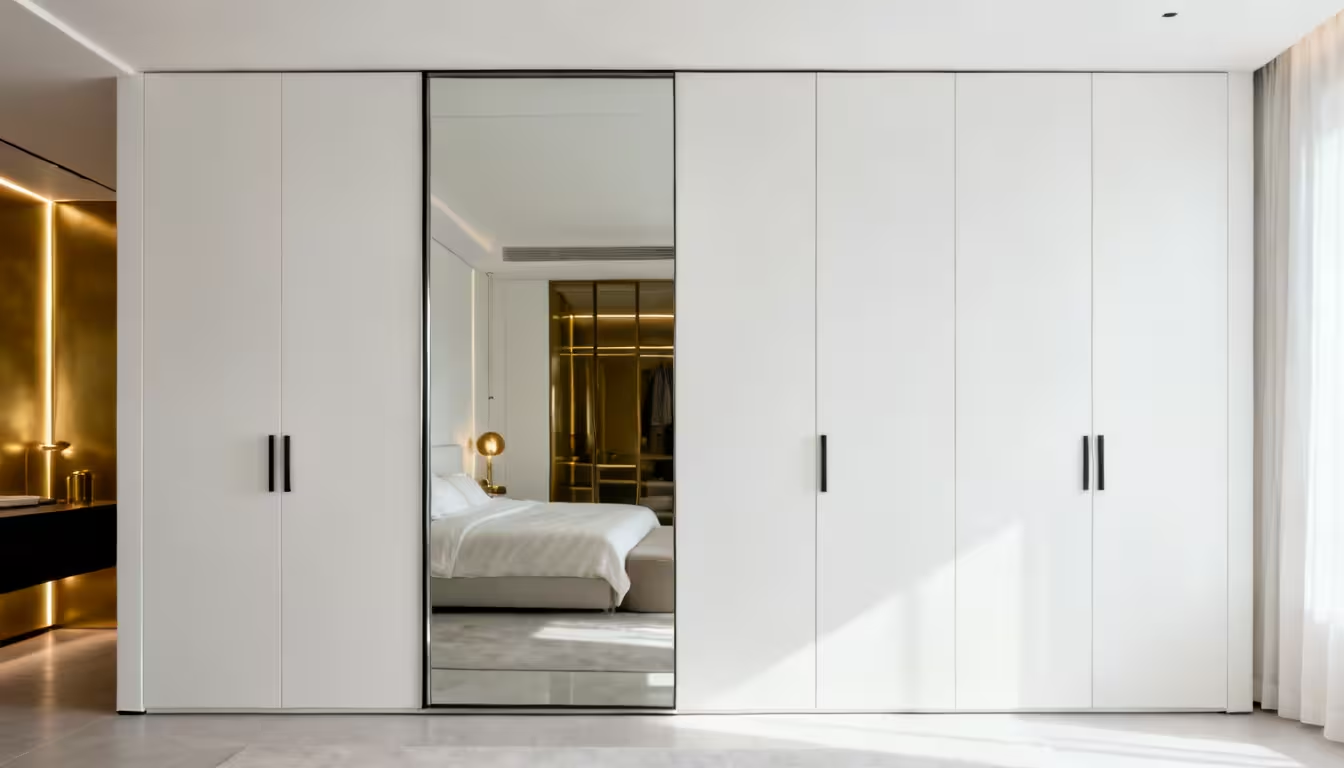
Storage is among the most practical concerns in any bedroom, and the type of cupboard or wardrobe chosen has a direct effect on how spacious and organized the room feels.
Fitted floor-to-ceiling wardrobes are the most space-efficient solution in rooms that lack a separate walk-in area. Their streamlined profile mimics the look of wall panelling, which makes the room appear more uniform and reduces the visual noise of freestanding furniture. Handle less doors reinforce this effect further.
Corner cupboards offer a solution for rooms with awkward angles or limited wall runs. An L-shaped wardrobe fitted into a corner uses space that would otherwise remain dead and provides generous storage without projecting far into the room.
The wardrobe-as-headboard is a more unusual approach that suits compact bedrooms particularly well. Some fitted designs incorporate sliding upper sections directly behind the bed, with drawer units at the base serving as nightstands. The result is a highly space-efficient arrangement that keeps storage close to where it is most needed.
Mirrored wardrobe doors deserve consideration not only for their storage function but for the visual effect they produce. In a room where the wardrobe occupies a significant wall, mirrored doors reflect the opposite side of the room and create a convincing sense of expanded space.
Under-bed storage should not be overlooked. Beds with built-in drawers or simply elevated enough to accommodate flat storage containers offer a practical home for seasonal items, extra bedding, and luggage that would otherwise compete for wardrobe space.
New Home Essentials: Building the Master Bedroom from the Ground Up
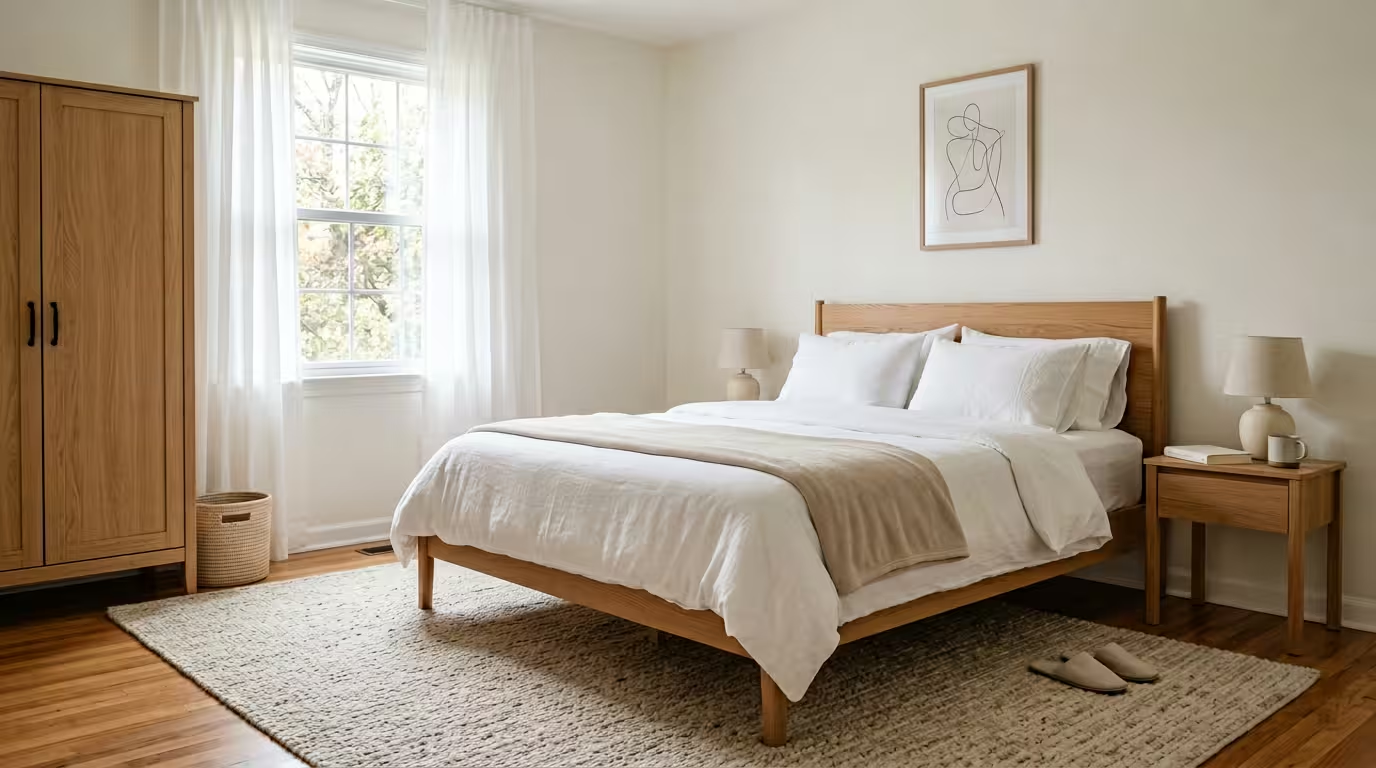
“Start with what you need, not what you want. A bedroom built on function first will always have room for beauty later.” — Emily Henderson, Designer
For those furnishing a bedroom for the first time, a clear order of priority helps avoid overspending on decorative pieces before the functional foundation is in place.
Begin with the bed frame and mattress. These are the pieces that will be used most and that anchor every other decision in the room. A quality frame and a mattress suited to your sleep preferences are the most valuable investments in the room.
Add storage next. A wardrobe, dresser, or combination of both should be chosen based on actual storage needs rather than aesthetics alone. Once adequate storage is in place, the room will remain organized without effort.
Lighting follows. Good bedroom lighting requires at least two layers: ambient light from an overhead fixture or pendant, and task or mood lighting from bedside lamps or sconces. Rooms that rely on a single overhead source tend to feel clinical rather than restful.
Only after these fundamentals are addressed should decorative elements such as rugs, artwork, cushions, and plants be introduced. At this stage, the character of the room is clear, and decorative choices can be made in direct response to what the space actually needs rather than guesswork.
Conclusion
A well-furnished master bedroom is the product of considered decisions rather than expensive ones. Starting with a clear layout, choosing pieces that serve genuine functions, and building toward a cohesive visual story produces results that are both practical and genuinely pleasing to live in.
Whether the room is compact or generous, decorated with dark finishes or light ones, furnished from a single source or assembled piece by piece over time, the principles remain the same: anchor the space with the bed, solve for storage early, balance visual weight throughout, and let the details accumulate gradually rather than all at once. A bedroom built on this foundation will remain functional and comfortable long after trends have moved on.
Frequently Asked Questions
What furniture should a master bedroom have? A master bedroom needs a bed frame, wardrobe, nightstand, dresser, and layered lighting as its core pieces.
What are the latest master bedroom trends? Statement headboards, warm earthy tones like terracotta and deep sage, free-standing furniture, and layered textures are the most prominent directions right now.
What are the 2026-bedroom trends? Warm neutrals with colour accents, pale greens, curvy upholstered forms, atmospheric lighting, and the return of free-standing furniture over fitted cabinetry define 2026-bedroom design.
How to make a master bedroom look luxurious? Layer high-quality bedding, choose a statement headboard, use bedside lamps instead of a single overhead light, and keep surfaces clear with only a few well-chosen objects.
What is the 3-5-7 rule of decorating? Group decorative objects in odd numbers three, five, or seven because odd groupings create a natural focal point and feel more dynamic than even arrangements.
What is the biggest mistake in the placement of furniture? Pushing every piece against the walls is the most common error, which leaves the centre empty and makes the room feel hollow rather than lived in.
What colour furniture is popular now? Warm walnut and light oak lead right now, with matte black for statement pieces and earthy painted finishes in sage, terracotta, and warm taupe replacing cool grey.
What are the 7 golden rules of design? Balance, rhythm, emphasis, contrast, scale and proportion, harmony, and unity these seven principles govern how a room’s elements work together to feel deliberate and cohesive.
What are the five rules of interior design? Establish a focal point, layer lighting, choose a colour palette first, respect scale and proportion, and introduce texture through mixed materials.
What are the 4 core design principles? Balance, contrast, emphasis, and unity these four principles ensure a space feels visually stable, interesting, focused, and coherent.