

Light plays a powerful role in how your home looks, feels, and functions. Choosing between warm white light vs cool white light is not just about style—it directly affects comfort, mood, productivity, and even sleep quality. Many people get confused when selecting LED bulbs because both options look similar in packaging, but they create completely different atmospheres.
In this article, we will clearly explain warm white vs cool white light, their differences, and most importantly—which type is best for each room in your home.
Understanding Warm White Light

Warm white light usually has a yellowish or soft golden tone. It typically falls in the color temperature range of 2700K to 3000K (Kelvin). Warm white light usually has a yellowish or soft golden tone. It typically falls in the color temperature range of 2700K to 3000K (Kelvin).
Key Features of Warm White Light:
- Soft and relaxing glow
- Yellowish or cozy tone
- Creates a comfortable and calm atmosphere
- Similar to traditional incandescent bulbs
- Easy on the eyes during evening hours
Emotional Effect:
Warm white light makes a space feel cozy, peaceful, and welcoming. It is often associated with relaxation and comfort, making it ideal for resting and unwinding.
Understanding Cool White Light
Cool white light has a bluish-white tone and is brighter and sharper in appearance. It usually ranges from 4000K to 6500K (Kelvin).
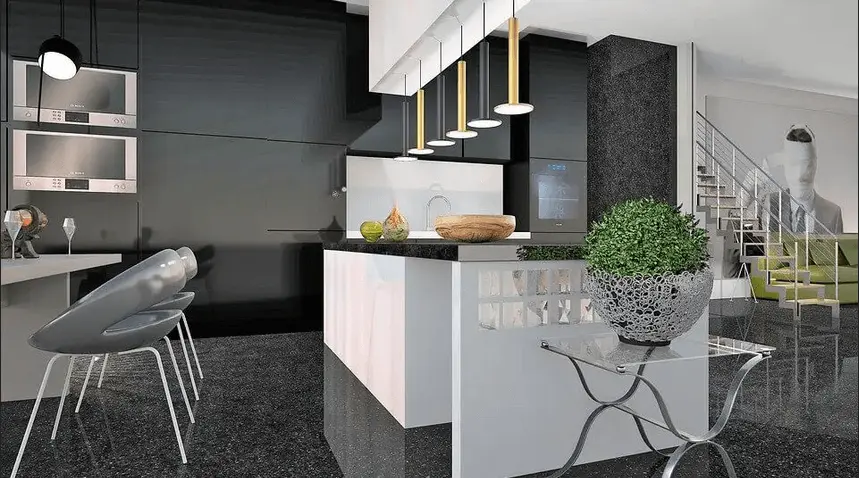
Cool white light has a bluish-white tone and is brighter and sharper in appearance. It usually ranges from 4000K to 6500K (Kelvin).
Key Features of Cool White Light:
- Bright and clear illumination
- Slight blue or daylight-like tone
- Enhances focus and visibility
- Modern and clean appearance
- Often used in work environments
Emotional Effect:
Cool white light creates a feeling of alertness, energy, and concentration. It is best for spaces where you need to stay active and productive.
Warm White vs Cool White Light: Key Differences
| Feature | Warm White Light | Cool White Light |
|---|---|---|
| Color Tone | Yellowish / soft | Bluish / bright |
| Kelvin Range | 2700K–3000K | 4000K–6500K |
| Mood | Relaxing & cozy | Energetic & focused |
| Best Use | Bedrooms, living rooms | Kitchens, offices |
| Eye Comfort | More comfortable at night | Better for daytime tasks |
Understanding these differences helps you choose the right lighting for each space in your home.
Best Lighting for Each Room in Your Home
Now let’s explore which type of light works best in different rooms.
1. Living Room – Warm White Light
The living room is where families relax, talk, and spend quality time together. It is a space for comfort, not stress.
Best Choice: Warm White Light
- Creates a cozy and welcoming environment
- Enhances relaxation after a long day
- Makes furniture and décor look soft and elegant
- Ideal for watching TV or social gatherings
Tip:
You can also use dimmable warm white lights to adjust brightness according to mood or time of day.
2. Bedroom – Warm White Light
Bedrooms should always use warm white (2700K-3000K). This space is about relaxation and sleep preparation.
Did you know cool white light suppresses melatonin production and makes falling asleep harder?
We recommend warm white for all bedroom lighting – ceiling fixtures, bedside lamps, and any decorative elements. The golden glow creates a cosy atmosphere that helps your body wind down.

For reading in bed, stick with warm white despite the common myth that you need bright, cool light. A properly positioned warm white lamp at 3000K provides plenty of illumination without disrupting your sleep patterns.
If you’re renovating and selecting bathroom vanities for an ensuite, remember to switch back to cool white lighting in that space. The temperature transition between bedroom and ensuite should be intentional.
3. Kitchen – Cool White Light
We typically recommend cool white (4000K-5000K) for kitchens. Food preparation demands accurate colour rendering. You need to see whether that chicken is properly cooked, whether those herbs are fresh, and whether you’ve cleaned every surface thoroughly.
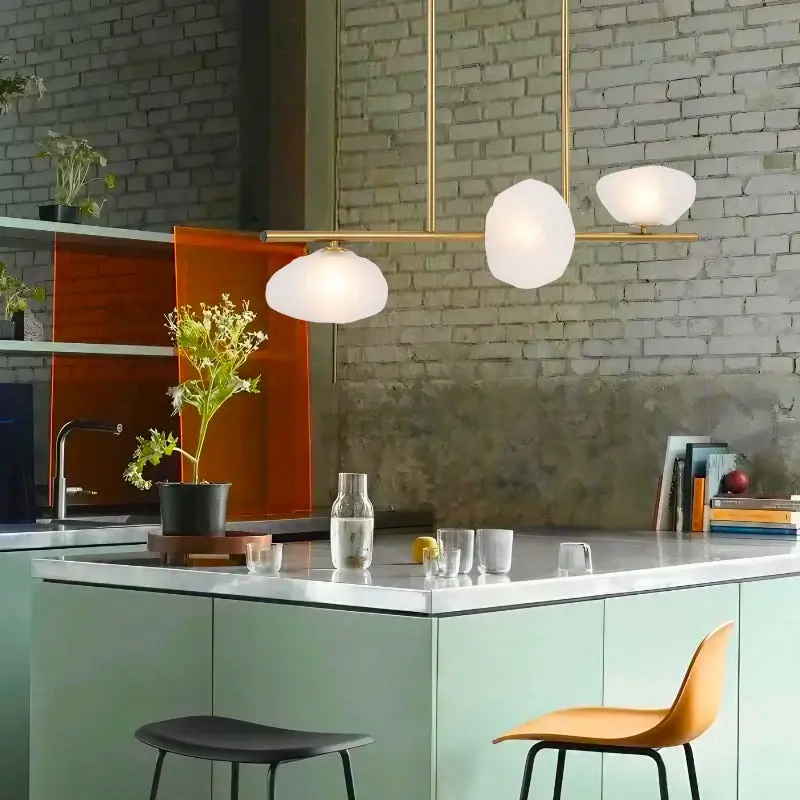
Cool white light makes kitchen tasks easier. It reduces eye strain when you’re chopping vegetables or reading recipes. The crisp illumination helps you spot spills and crumbs you’d miss under warm lighting.
4. Bathroom – Cool White Light
Bathrooms also need cool white light (4000K-5000K) for the same reasons as kitchens – accuracy matters. You’re applying makeup, shaving, or checking your skin. Warm light distorts colours and makes these tasks harder.
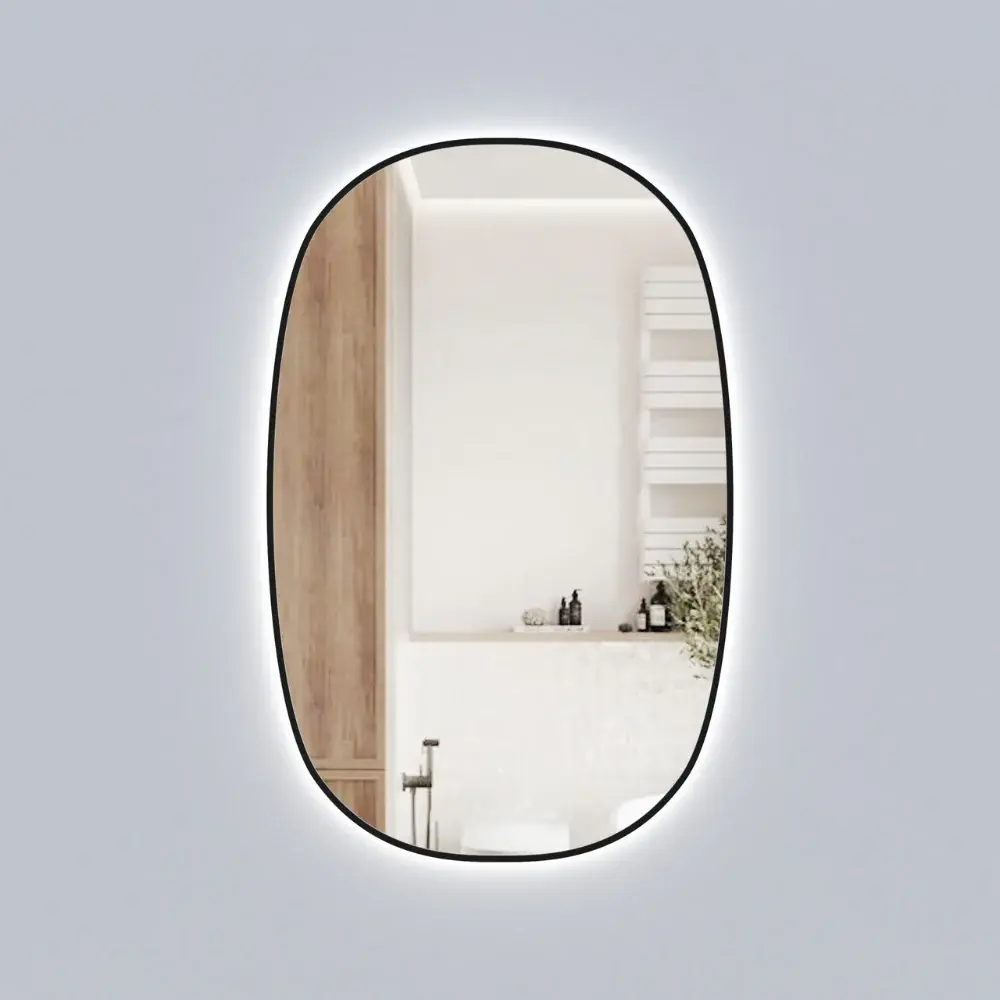
Bathrooms also need cool white light (4000K-5000K) for the same reasons as kitchens – accuracy matters. You’re applying makeup, shaving, or checking your skin. Warm light distorts colours and makes these tasks harder.
The best setup includes cool white downlights in the ceiling combined with vanity wall lights at face level. This eliminates shadows and provides even illumination for grooming tasks.
5. Study Room / Home Office – Cool White Light
A study room or home office benefits most from cool white light because it enhances focus and productivity. This type of lighting provides a bright, clean illumination that reduces eye strain during long reading or computer sessions. It helps improve concentration, making it easier to stay alert and complete tasks efficiently. Cool white light also creates a modern and professional atmosphere, ideal for work-related activities. Whether you’re studying, attending online meetings, or managing daily tasks, using cool white lighting ensures better visibility and a more energetic environment that supports mental clarity and consistent performance throughout the day.
Use a desk lamp with cool white light for better task lighting during study or work.
6. Dining Room – Warm White Light
A dining room feels more inviting and comfortable when illuminated with warm white light. This soft, yellow-toned lighting creates a cozy atmosphere that encourages relaxation and meaningful conversations during meals. It enhances the appearance of food, making dishes look more appetizing and visually appealing. Warm white light also adds a touch of elegance and warmth to the space, making it ideal for family dinners or gatherings with guests. By choosing this lighting style, you can transform your dining area into a welcoming and pleasant environment where people enjoy spending time together.
7. Hallways and Staircases – Neutral to Warm White Light
These are transition spaces in the home, so lighting should be balanced.
Best Choice: Warm White or Neutral White (around 3500K–4000K)
.Ensures safe movement
- Provides enough brightness without being harsh
- Creates a smooth visual transition between rooms
8. Outdoor Areas – Cool White Light
Outdoor lighting requirements vary by purpose. For entertaining areas like patios and decks, use warm white (2700K-3000K). This extends your interior’s comfortable ambiance outside.
For security lighting, outdoor wall lights in cool white (4000K-5000K) work better. The bright, clear light helps identify visitors and illuminates dark corners effectively.

Garden pathway lighting should use warm white. Cool white in gardens creates an unnatural, theatrical effect. Warm light integrates better with landscape lighting and feels more organic.
We recommend keeping all entertaining area lighting at the same warm white temperature. This includes overhead structures, wall-mounted fixtures, and any garden lights near seating areas.
Best Choice: Cool White Light
- Bright illumination for security
- Improves visibility at night
- Helps monitor surroundings clearly
- Ideal for driveways, gardens, and entrances
Can You Mix Warm and Cool Light in One Home?
Yes, absolutely. In fact, modern interior design often combines both types of lighting.
Smart Lighting Strategy:
- Warm white for relaxation areas (bedroom, living room, dining)
- Cool white for task areas (kitchen, bathroom, study room)
- Balanced lighting in hallways and shared spaces
This combination creates a perfect balance between comfort and functionality.
Simple Rule to Remember:
Relax = Warm Light | Work = Cool Light
By understanding this simple concept, you can design a home that is not only beautiful but also practical and comfortable for everyday living.
Conclusion
Choosing between warm white vs cool white light is not about which one is better overall—it is about where you use it.
- Warm white light is best for relaxation, comfort, and cozy environments
- Cool white light is best for focus, clarity, and productivity
When used correctly in different rooms, lighting can completely transform your home atmosphere, improve your mood, and even enhance your daily routine.
Frequently Asked Questions (FAQ)
1. How do I choose the right light for each room?
Choose warm white for relaxation areas like bedrooms and living rooms, and cool white for workspaces like kitchens, bathrooms, and study rooms.
2. Is cool white light good for the kitchen?
Yes, cool white light is ideal for kitchens because it provides bright, clear visibility, making cooking and cleaning easier and safer.
3. Which light is better for studying or working?
Cool white light is better for studying and working because it improves focus, alertness, and visibility.
4. Is warm white or cool white better for bathrooms?
Cool white light is generally better for bathrooms as it provides clear, natural-like brightness, which is helpful for grooming tasks.