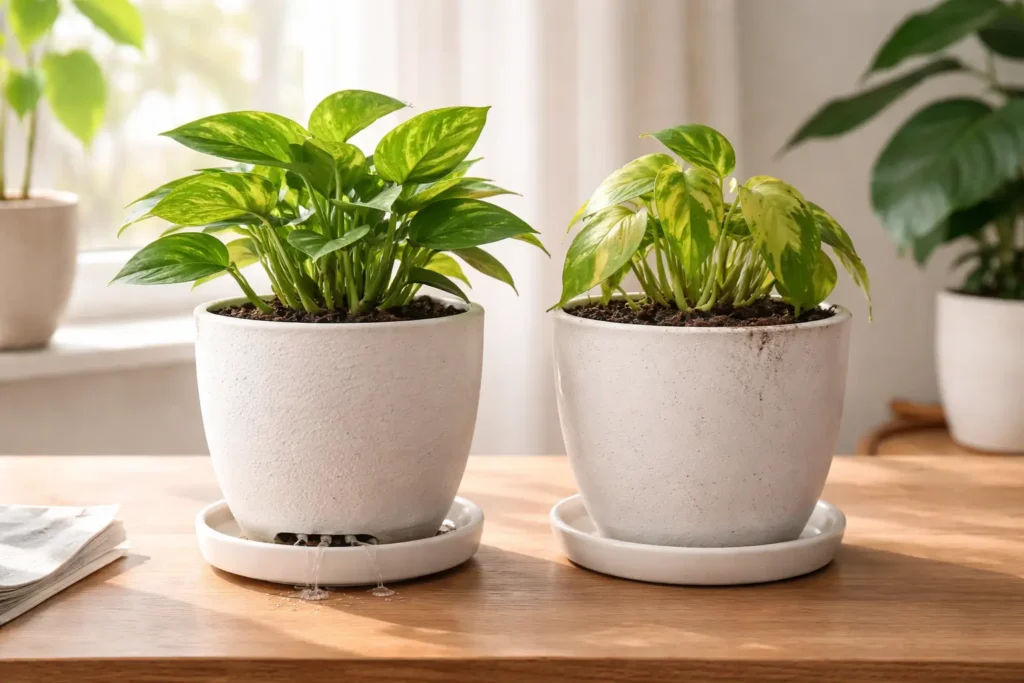

Do Indoor Plants Need Drainage Holes? A Complete Guide
When setting up your indoor plants, one common question comes up: do indoor plants need drainage holes? It might seem like a small detail, but it can make a big difference in how well your plants grow.
In simple terms, yes—most indoor plants need drainage holes to stay healthy and avoid common problems like overwatering.
Why Drainage Holes Are Important for Indoor Plants
Drainage holes allow excess water to flow out of the pot. Without them, water collects at the bottom and can damage your plant’s roots.
Here’s why they are essential:
-
Prevent water from sitting in the soil
-
Reduce the risk of root rot
-
Help maintain proper soil moisture
-
Improve airflow around roots
Healthy roots mean a healthier plant overall.
What Happens If There Are No Drainage Holes?
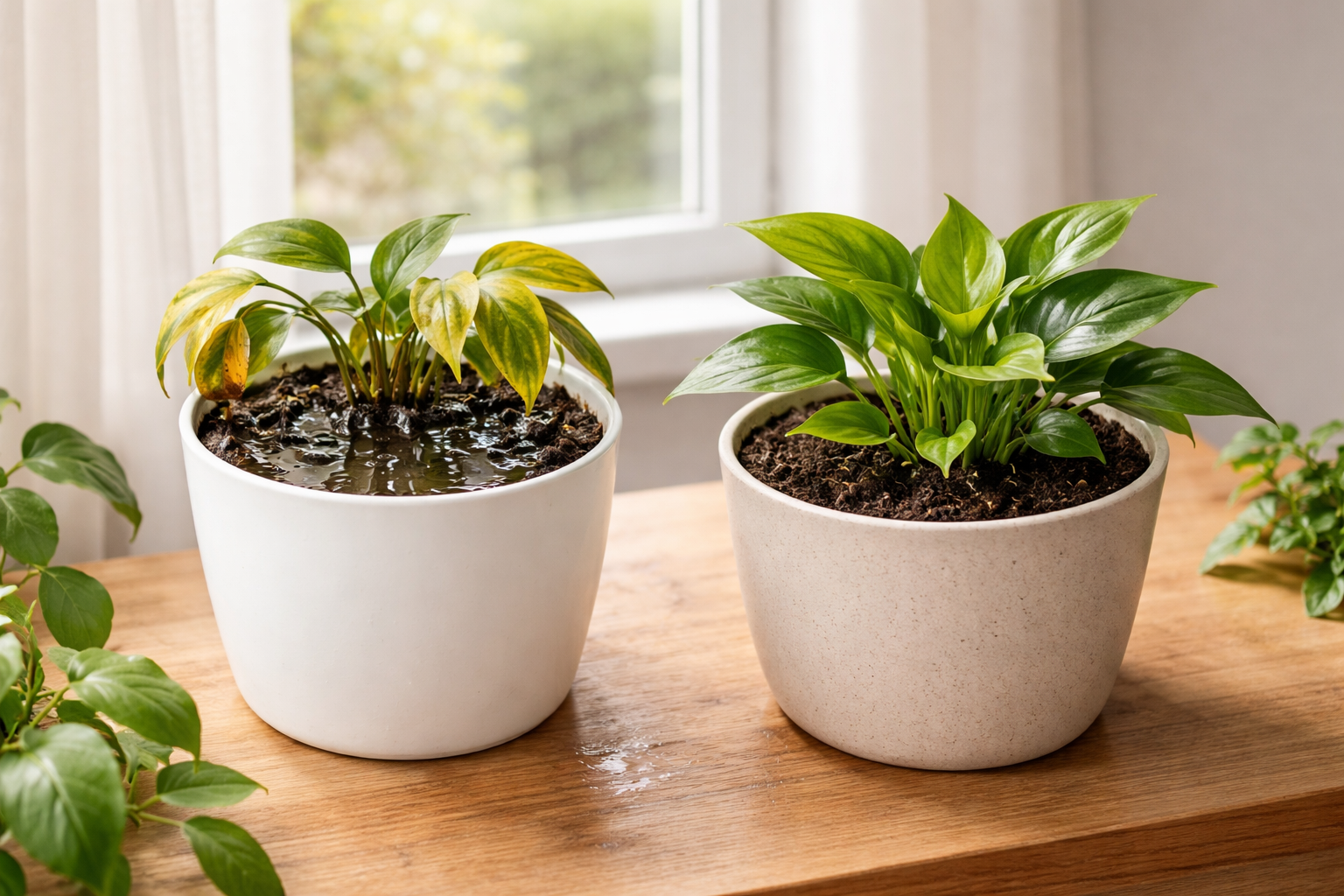
Using pots without drainage holes can create problems, especially for beginners.
Some common issues include:
-
Overwatering
-
Yellow or wilting leaves
-
Fungal growth or mold
-
Root rot
Even if you’re careful, it’s easy to give too much water when there’s nowhere for it to drain.
Can Indoor Plants Survive Without Drainage Holes?
Yes, indoor plants can survive without drainage holes, but it requires extra care and attention.
You’ll need to:
-
Water very lightly
-
Monitor soil moisture closely
-
Choose plants that tolerate dry conditions
This method is not ideal if you’re just starting out.
Best Ways to Grow Plants Without Drainage Holes
If you love decorative pots without holes, here are safer options:
1. Use the Double Pot Method
Place your plant in a nursery pot with drainage holes, then put it inside a decorative pot. This keeps your plant safe while maintaining aesthetics.
2. Add a Pebble Layer
A layer of stones at the bottom can help, but it doesn’t fully replace proper drainage.
3. Water Carefully
Always use small amounts of water and avoid soaking the soil.
Which Indoor Plants Handle Poor Drainage Better?
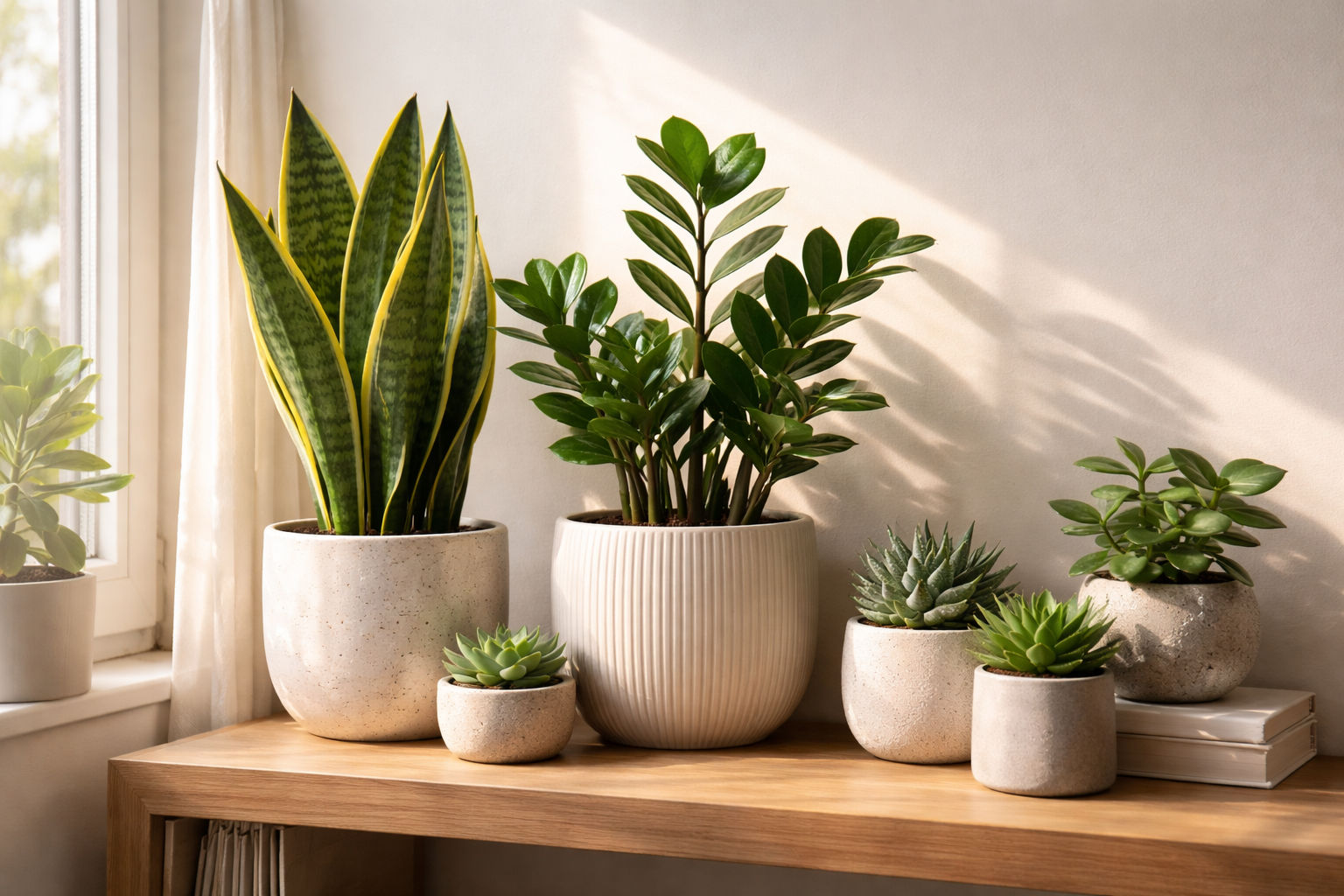
Some plants are more forgiving than others:
-
Snake plant
-
Pothos
-
Succulents
These plants store water and can tolerate occasional overwatering, but they still grow best with drainage holes.
Signs Your Plant Needs Better Drainage
Look out for these warning signs:
-
Soil staying wet for too long
-
Bad smell from the pot
-
Yellowing leaves
-
Slow growth
If you notice these, it’s time to improve drainage.
Conclusion
So, do indoor plants need drainage holes? In most cases, yes. They are one of the easiest ways to prevent overwatering and keep your plants thriving.
While it’s possible to grow plants without them, it requires more effort and experience. For best results, always choose pots with proper drainage.