
How to Start a Balcony Kitchen Garden (Step-by-Step Guide)
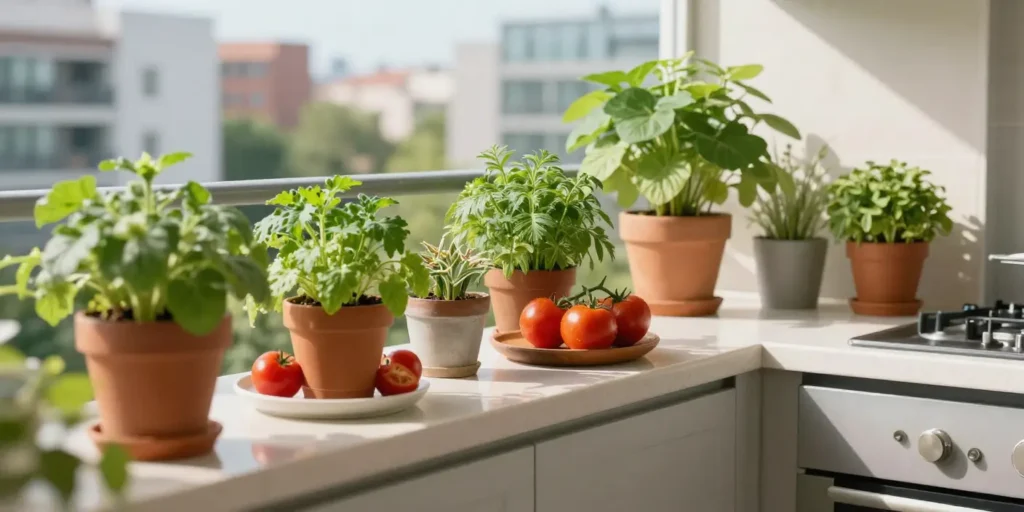
Starting a balcony kitchen garden is one of the simplest ways to grow fresh, organic food at home. Even if you live in a small apartment, you can turn a compact balcony into a productive green space.
With the right planning and a few basic supplies, you can enjoy homegrown herbs and vegetables without needing a backyard.
At New Home Essentials, we believe that small spaces can produce big results when used wisely. This step-by-step guide will help you start confidently.
Why Start a Balcony Kitchen Garden?
A balcony kitchen garden offers more than just fresh produce.
-
It reduces grocery expenses.
-
It gives you chemical-free herbs and vegetables.
-
It improves air quality around your home.
-
It creates a calming green environment.
Most importantly, it allows you to reconnect with nature, even in an urban setting.
Step 1: Assess Your Balcony Space
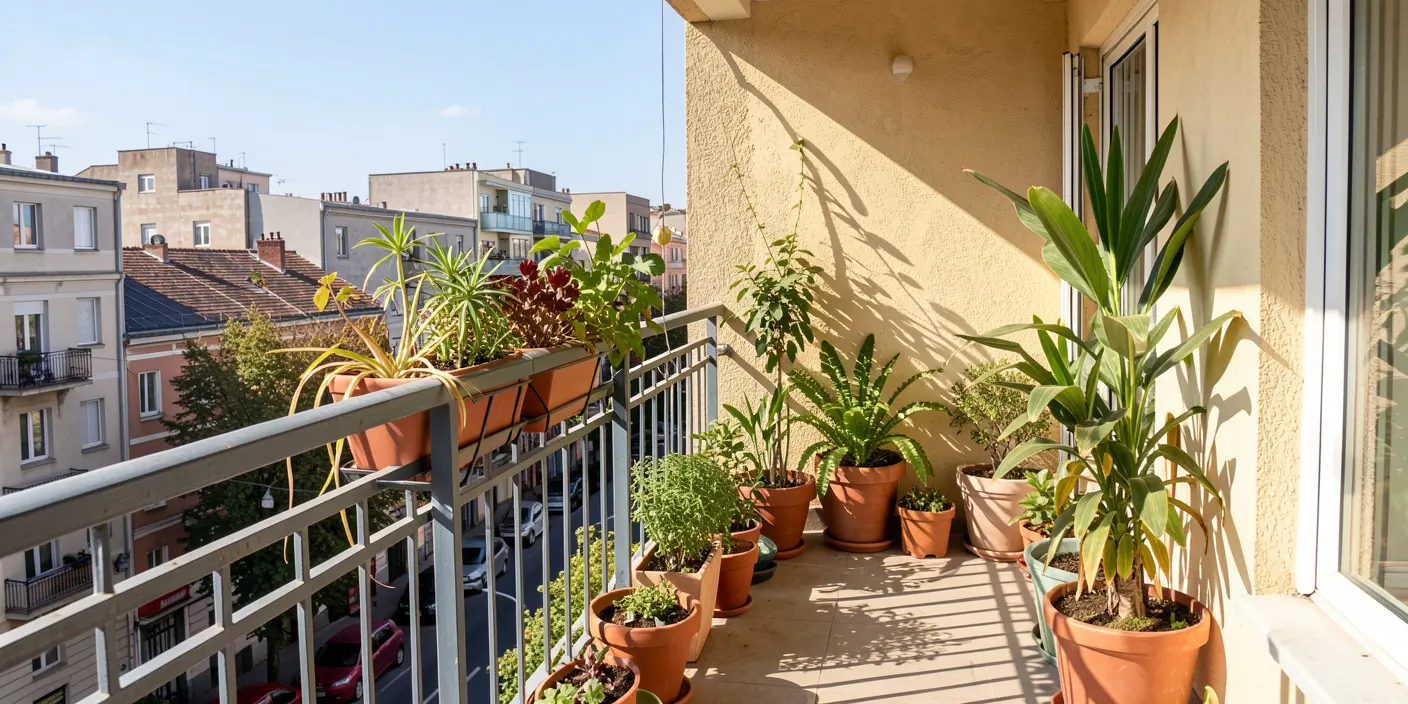
Before buying pots or seeds, observe your balcony carefully.
-
How many hours of sunlight does it receive?
-
Is it windy?
-
How much space is available?
For example, leafy greens need moderate sunlight, while tomatoes require at least 6 hours of direct sun. Therefore, understanding light conditions helps you choose the right plants.
If you are unsure about sunlight needs, you can explore guidelines from Royal Horticultural Society for plant-specific advice.
Step 2: Choose the Right Containers
Containers are the foundation of your kitchen garden.
You can use:
-
Clay pots
-
Plastic containers
-
Grow bags
-
Hanging planters
However, always make sure they have drainage holes. Without proper drainage, roots may rot.
For small balconies, vertical planters are a smart option. They save space while increasing planting capacity.
You may also like our guide on Best Soil Mix for Balcony Plants for healthier growth.
Step 3: Prepare the Ideal Soil Mix
Container plants need a lightweight and well-draining soil mix.
A simple blend includes:
-
Coco peat
-
Organic compost
-
Perlite or coarse sand
This mixture allows proper airflow and nutrient retention. As a result, plants grow stronger and healthier in limited space.
Step 4: Start with Easy Plants
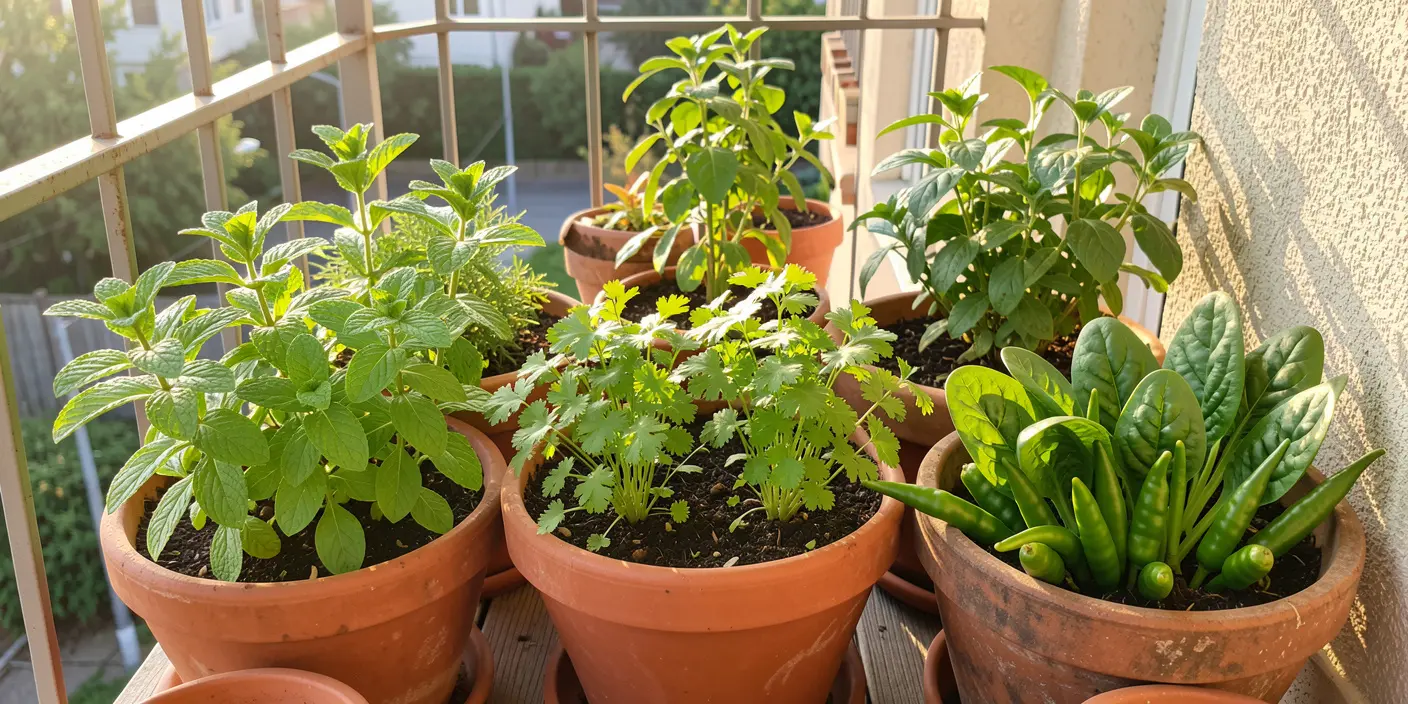
Beginners should always start small.
Here are some low-maintenance options:
-
Mint
-
Coriander
-
Spinach
-
Lettuce
-
Green chilies
These plants grow quickly and require minimal care. Consequently, they help build confidence for new gardeners.
Step 5: Water Smartly
Overwatering is one of the most common mistakes in balcony gardening.
Instead of watering daily, check the top inch of soil. If it feels dry, water gently. Additionally, ensure excess water drains out completely.
Balanced watering keeps roots healthy and prevents fungal problems.
Step 6: Feed and Maintain Regularly
Because container soil loses nutrients faster, regular feeding is important.
-
Add compost every 3–4 weeks.
-
Remove dead leaves promptly.
-
Rotate pots for even sunlight exposure.
These small habits improve plant productivity over time.
Step 7: Protect from Pests Naturally
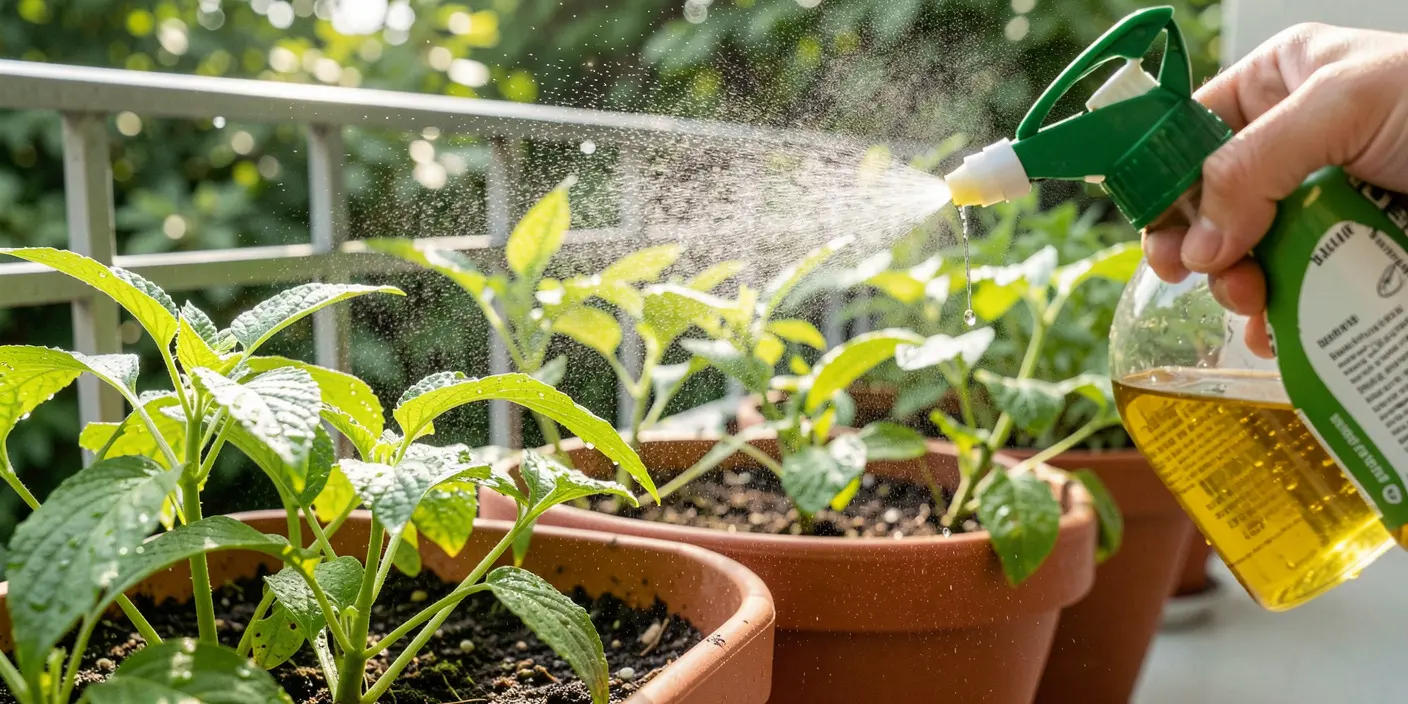
Balcony plants can attract insects. However, chemical sprays are not necessary.
Instead, use:
-
Neem oil spray
-
Garlic water solution
-
Manual removal of pests
For more natural pest control tips, you can refer to <u>EPA Safe Pest Control Guide</u>.
Common Mistakes to Avoid
-
Starting with too many plants
-
Using heavy garden soil
-
Ignoring sunlight direction
-
Skipping regular pruning
Avoiding these mistakes increases your chances of success.
How New Home Essentials Supports Small-Space Gardening
At New Home Essentials our goal is to help apartment dwellers create functional and beautiful living spaces. From balcony garden ideas to home organization tips, we provide practical solutions that work in real life.
A balcony kitchen garden is not just about plants — it is about building a healthier lifestyle within limited space.
Final Thoughts
Starting a balcony kitchen garden may seem challenging at first. However, once you understand sunlight, soil, and watering basics, the process becomes simple and rewarding.
With patience and consistency, even the smallest balcony can produce fresh herbs and vegetables throughout the year.
If you are ready to transform your space, begin today — one pot at a time
Frequently Asked Questions (FAQs)
1. How much sunlight is required for a balcony kitchen garden?
Most vegetables need 4–6 hours of direct sunlight daily. However, leafy greens can grow well in partial shade.
2. What is the best soil for balcony vegetables?
A lightweight mix of coco peat, compost, and perlite works best. It ensures proper drainage and nutrient retention.
3. Can I grow vegetables in a small balcony?
Yes. Even a small balcony can support herbs, leafy greens, and compact vegetables using vertical planters and containers.
4. How often should I water balcony plants?
Water only when the top layer of soil feels dry. Overwatering can damage roots and reduce plant health.
5. Is a balcony kitchen garden expensive to start?
No. You can begin with a few basic pots, seeds, and homemade compost. Over time, the savings on fresh produce make it cost-effective.