
Introduction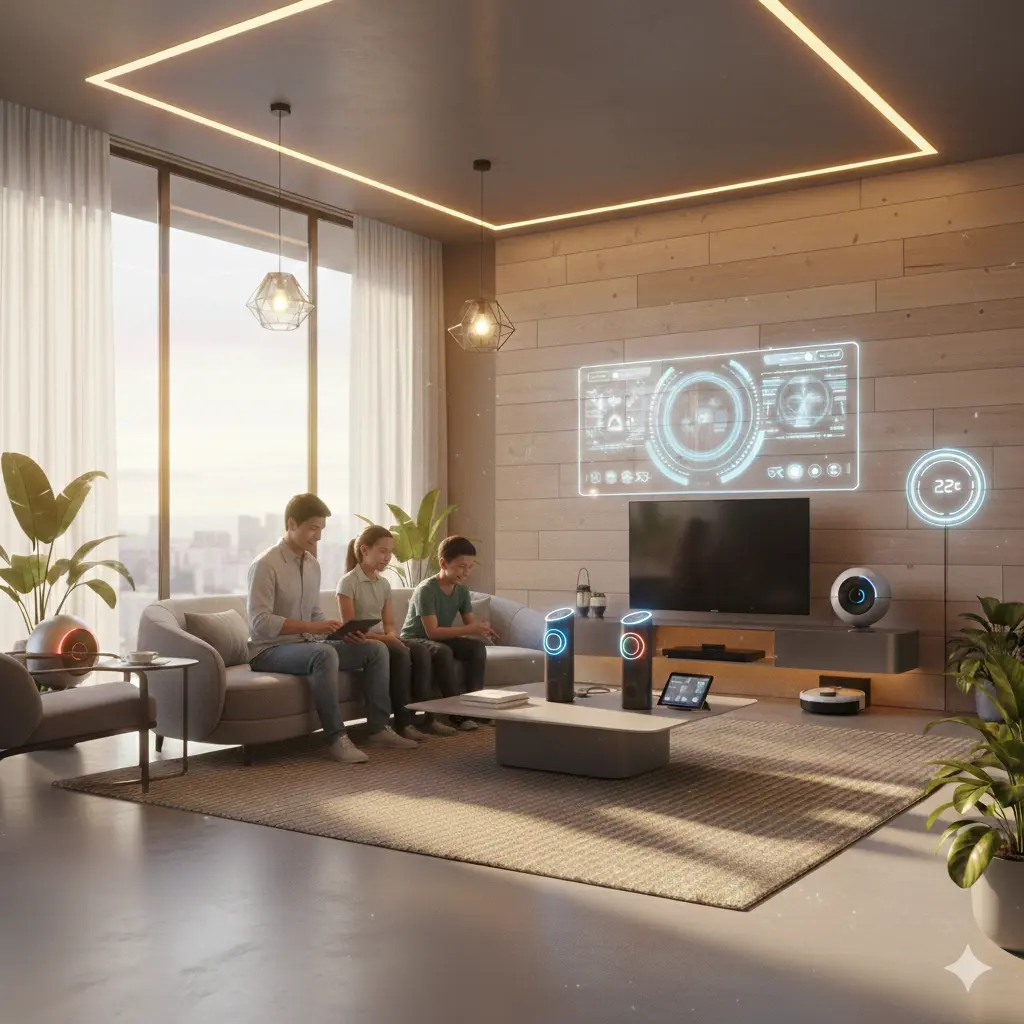
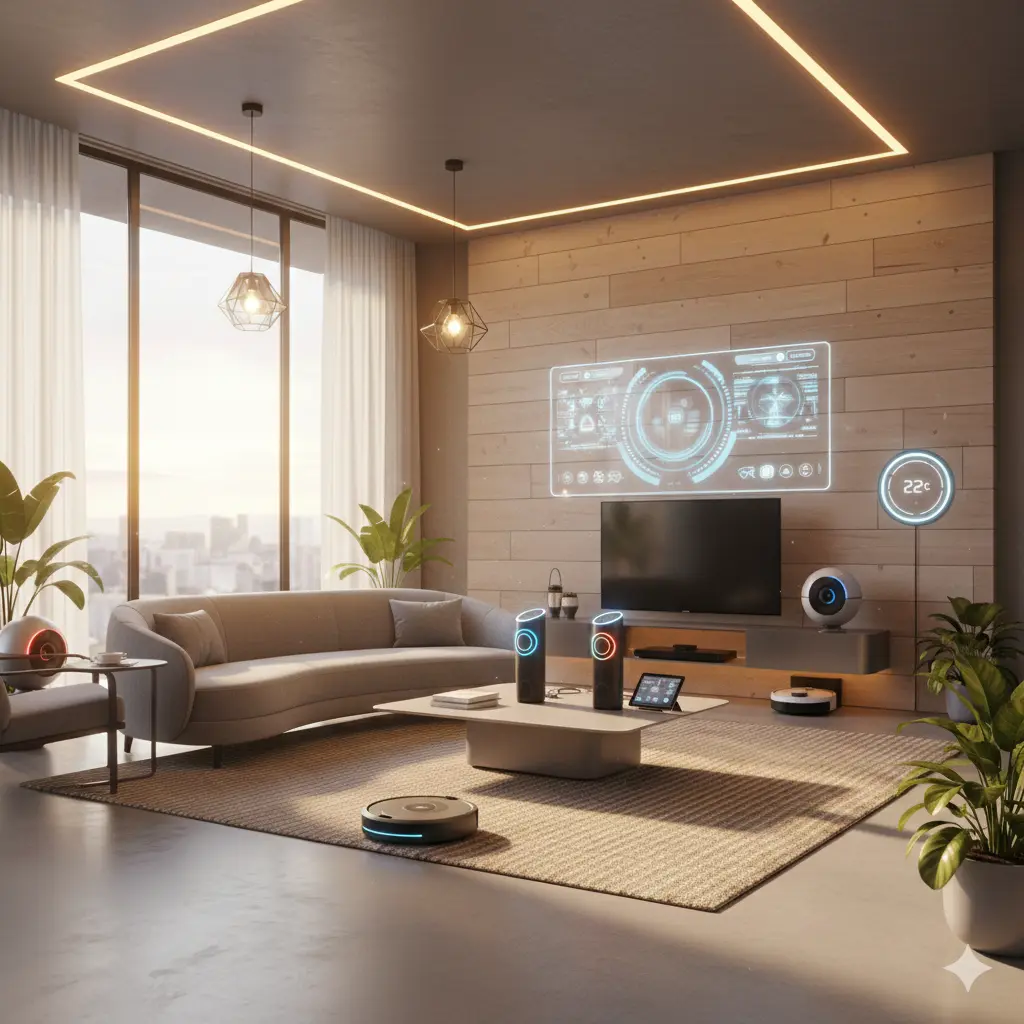
Smart Home Devices are revolutionizing modern living by delivering enhanced convenience, improved security, and greater energy efficiency. What was once considered futuristic innovation is now a practical and increasingly essential component of contemporary homes. From voice-activated assistants to advanced surveillance systems, smart home technology empowers homeowners to manage their living environments with precision and ease.
As we move further into 2026, Smart Home Devices are becoming more sophisticated, accessible, and seamlessly integrated. This comprehensive guide explores the fundamentals of smart home technology, its various categories, key benefits, potential challenges, and the future of home automation.
What Are Smart Home Devices?
Smart Home Devices are internet-connected systems designed to automate, monitor, and control various household functions such as lighting, heating, cooling, security, and appliances. These devices typically operate through Wi-Fi or centralized hubs and can be managed remotely using mobile applications or voice-controlled assistants.
Leading ecosystems such as Amazon Alexa, Google Home, and Apple HomeKit enable seamless communication between devices. Through these platforms, homeowners can create automated routines—for example, adjusting the thermostat before arriving home or turning off all lights with a single command.
Types of Smart Home Devices
Smart Home Devices encompass a wide range of technologies designed to enhance comfort, efficiency, and safety.
1. Smart Speakers and Voice Assistants
Smart speakers function as centralized control units within many smart homes. Devices such as the Amazon Echo and Google Nest Hub allow users to manage connected systems through voice commands.
These devices enable users to:
-
Control lighting and temperature
-
Access real-time information
-
Manage daily schedules
-
Operate security systems
-
Stream entertainment
Powered by artificial intelligence, voice assistants continuously improve by learning user preferences and usage patterns.
2. Smart Lighting Systems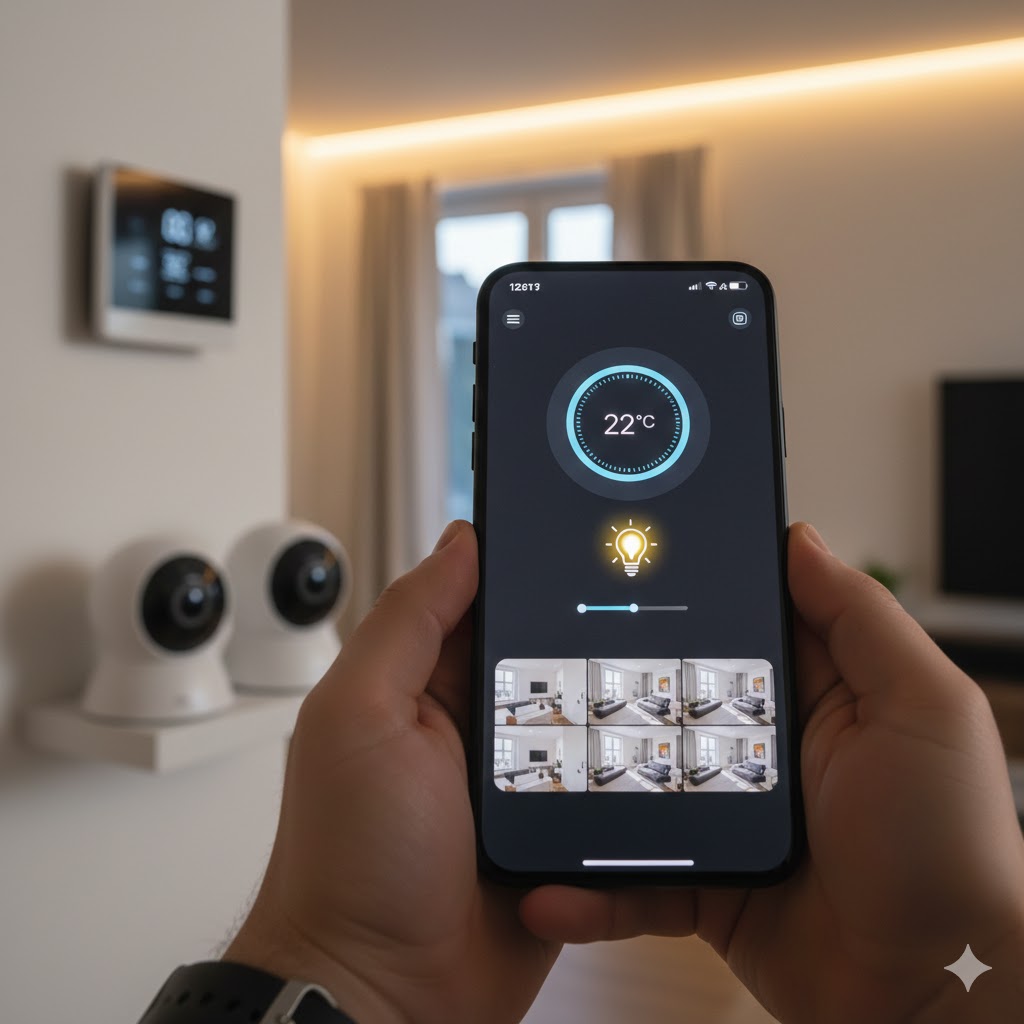
Smart lighting systems, including solutions like Philips Hue, provide advanced control over brightness, color temperature, and scheduling.
Key advantages include:
-
Reduced energy consumption
-
Remote operation from any location
-
Personalized lighting environments
-
Increased security through automated illumination
Smart lighting is often considered the most accessible entry point into smart home technology.
3. Smart Thermostats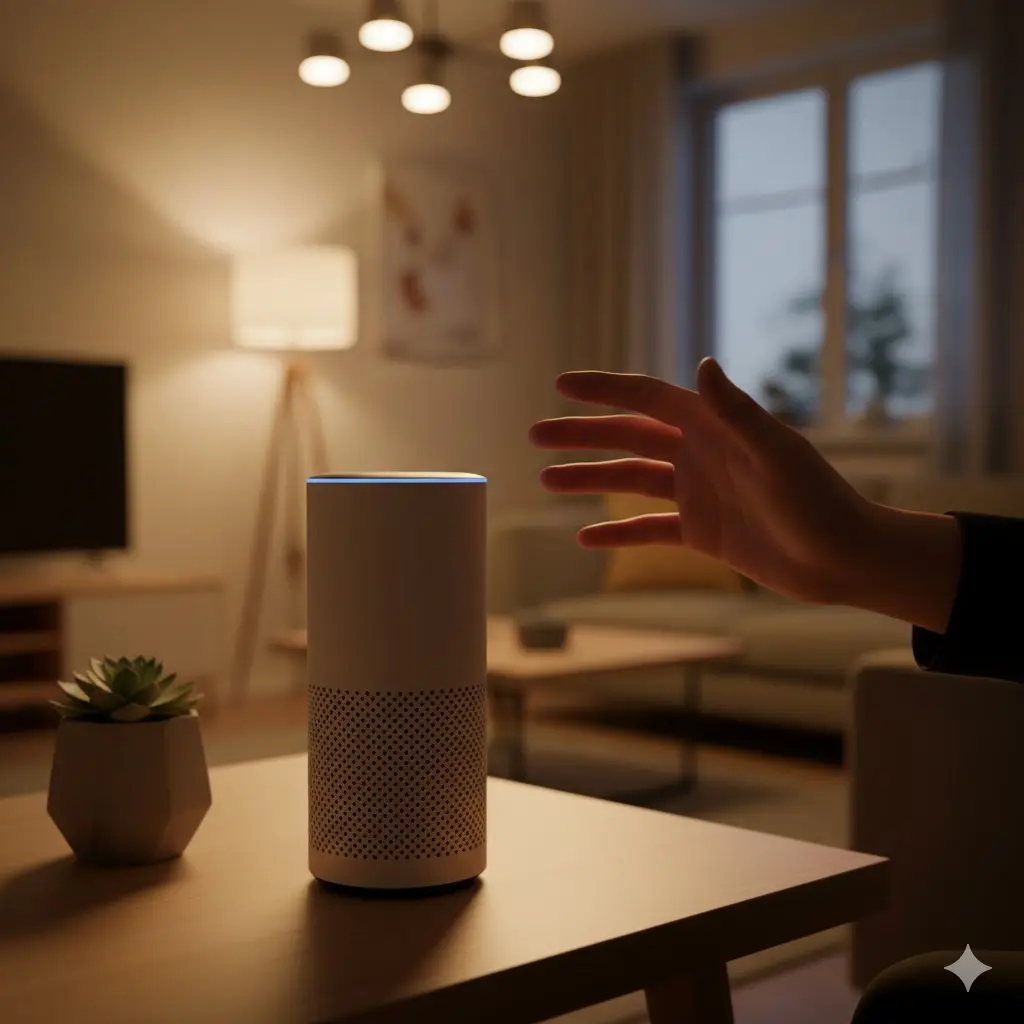
Smart thermostats represent a significant advancement in energy management. The Nest Thermostat intelligently adapts to user behavior, automatically adjusting temperature settings to optimize both comfort and efficiency.
Core features typically include:
-
Remote climate control
-
Detailed energy usage insights
-
Automated scheduling
-
Integration with broader smart ecosystems
Over time, these devices can deliver measurable reductions in energy expenses.
4. Smart Security Systems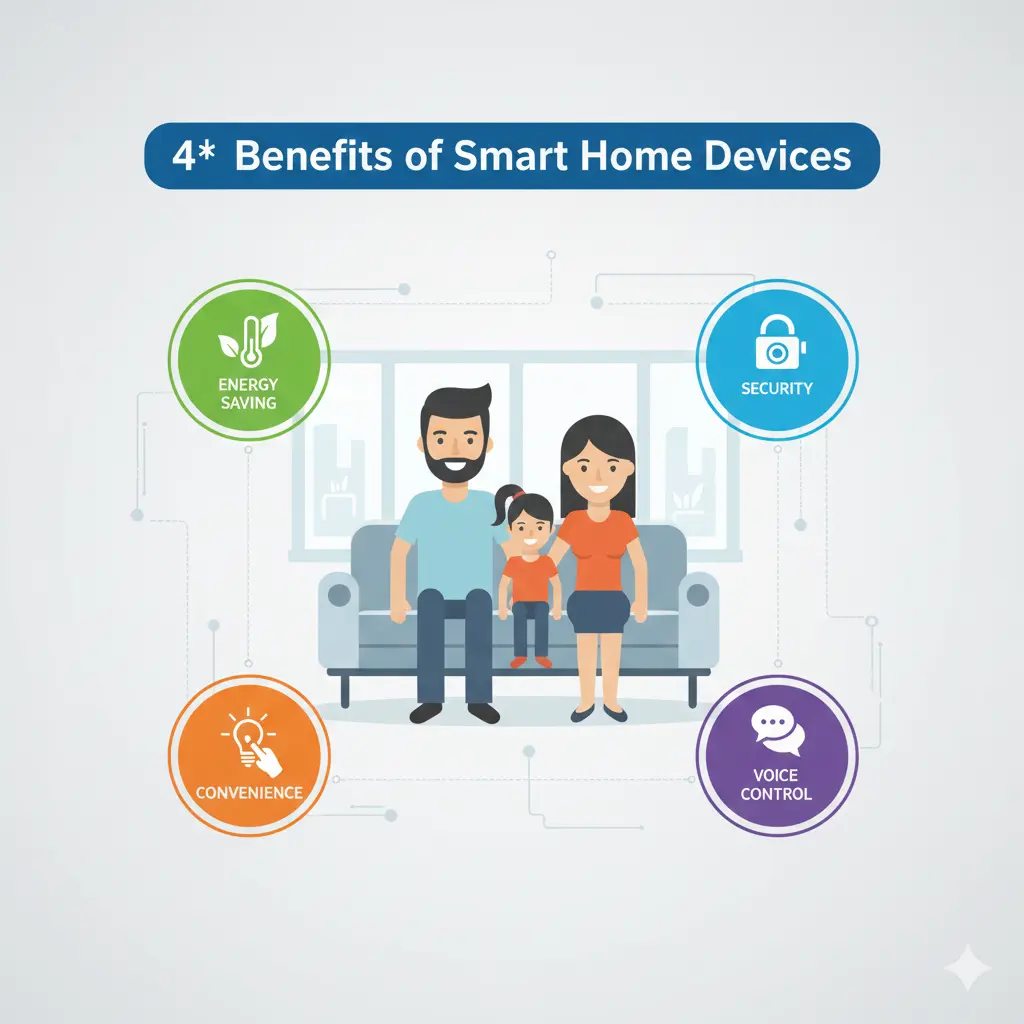
Security remains one of the primary drivers behind the adoption of Smart Home Devices. Solutions such as the Ring Video Doorbell and Arlo Pro offer advanced monitoring capabilities and real-time notifications.
Comprehensive smart security systems may include:
-
Video doorbells
-
Indoor and outdoor surveillance cameras
-
Smart locks
-
Motion detectors
-
Door and window sensors
These technologies provide enhanced visibility and immediate alerts, strengthening residential safety.
5. Smart Appliances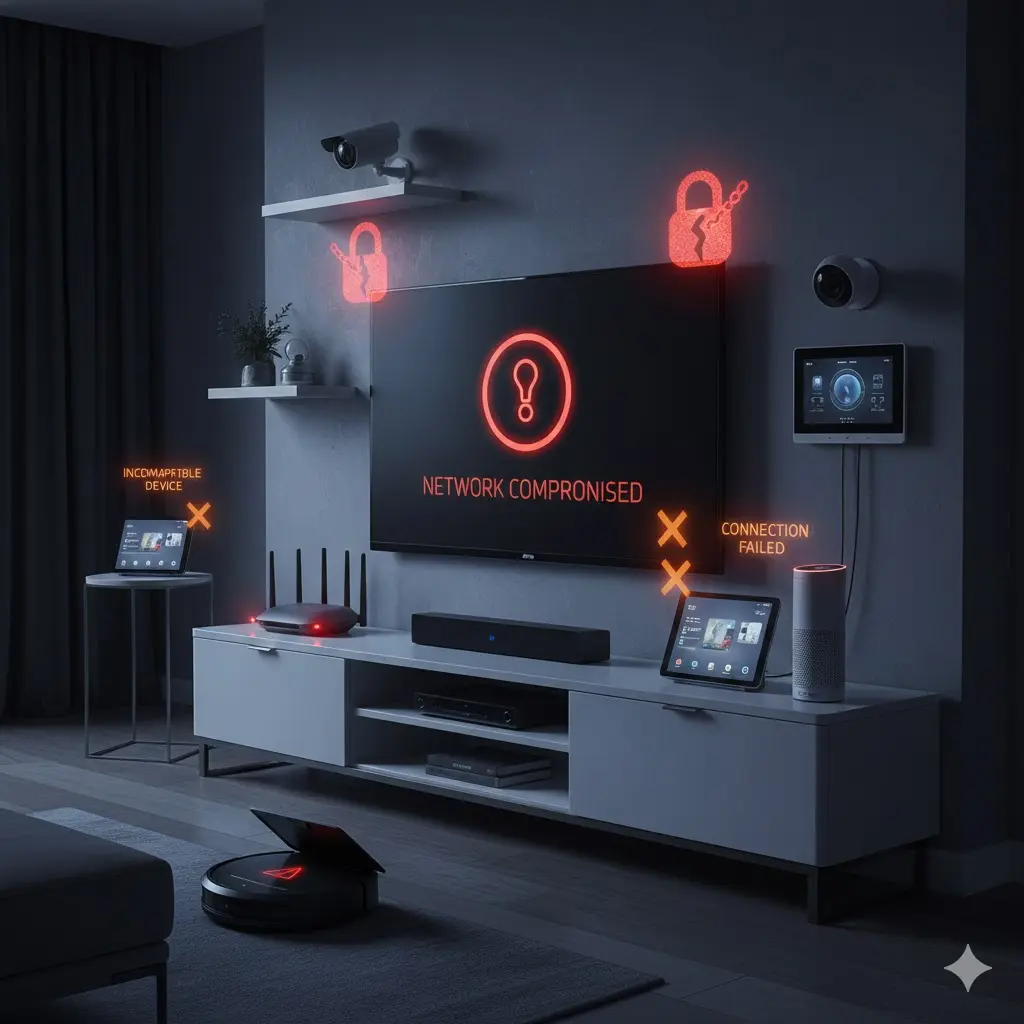
Smart appliances are increasingly integrated into modern households. From refrigerators with inventory monitoring capabilities to washing machines controlled via mobile applications, these devices enhance operational efficiency and user convenience.
Examples include:
-
Refrigerators with grocery tracking features
-
Robotic vacuum cleaners with autonomous navigation
-
Connected washing machines with cycle notifications
Smart appliances streamline daily tasks while offering improved functionality and maintenance diagnostics.
Benefits of Smart Home Devices
Enhanced Convenience and Automation
Smart Home Devices enable comprehensive automation of everyday routines. Homeowners can configure integrated scenarios—such as activating a “Good Night” mode that locks doors, dims lights, and adjusts temperature simultaneously.
Improved Energy Efficiency
By intelligently managing heating, cooling, and lighting, smart devices minimize unnecessary energy consumption. This contributes to lower utility costs and supports environmentally responsible living.
Advanced Security
Real-time monitoring, instant alerts, and remote access provide homeowners with greater control and peace of mind. Smart security systems significantly enhance overall household protection.
Increased Property Value
Homes equipped with modern smart home technology often command greater market appeal. Integrated automation and energy-efficient systems can positively influence property valuation.
Greater Accessibility
Voice-controlled systems and automation features support elderly individuals and those with mobility challenges, enabling safer and more independent living environments.
Challenges of Smart Home Devices
While Smart Home Devices offer numerous advantages, certain considerations must be addressed.
Privacy and Data Protection
Because these devices collect and transmit data, robust cybersecurity measures are essential. Homeowners should secure their Wi-Fi networks, implement strong passwords, and maintain up-to-date firmware.
Compatibility Limitations
Not all devices operate seamlessly across different ecosystems. Ensuring compatibility before purchase is critical for achieving optimal integration.
Initial Investment
Although entry-level devices are relatively affordable, establishing a fully integrated smart home system may require a substantial upfront investment.
The Future of Smart Home Technology
The evolution of Smart Home Devices is increasingly driven by artificial intelligence and predictive analytics. Future systems will not only respond to commands but proactively anticipate user preferences and behaviors.
Emerging developments include:
-
AI-powered personalization
-
Integration with renewable energy systems
-
Enhanced interoperability across platforms
-
Advanced connectivity through next-generation networks
As innovation accelerates, smart homes will become more intelligent, efficient, and seamlessly interconnected.
Conclusion
Smart Home Devices are redefining residential living by combining technology, efficiency, and security into a cohesive ecosystem. Whether implementing a single smart lighting solution or developing a fully automated home environment, the advantages are substantial.
As smart home technology continues to advance beyond 2026, these systems will become increasingly intuitive and integrated. Investing in Smart Home Devices today positions homeowners at the forefront of innovation, ensuring a smarter, safer, and more efficient future.
Frequently Asked Questions FAQs
1. What are Smart Home Devices?
Smart Home Devices are internet-connected technologies designed to automate and control residential systems such as lighting, security, climate control, and appliances.
2. Are Smart Home Devices a worthwhile investment?
Yes. They provide long-term benefits including convenience, improved security, and energy savings, often offsetting initial costs.
3. Do Smart Home Devices require an internet connection?
Most devices rely on a stable Wi-Fi connection to enable remote control and automation features.
4. How secure are Smart Home Devices?
Security depends largely on user practices. Implementing strong passwords, secure networks, and regular updates significantly enhances protection.
5. Is professional installation necessary?
Many devices are designed for straightforward self-installation; however, more complex systems may benefit from professional setup.