Curtains play an important role in interior design because they influence both the style and functionality of a room. They control natural light, provide privacy, and add warmth and personality to a space. One common question homeowners often ask is whether curtains should touch the floor or hang above it.
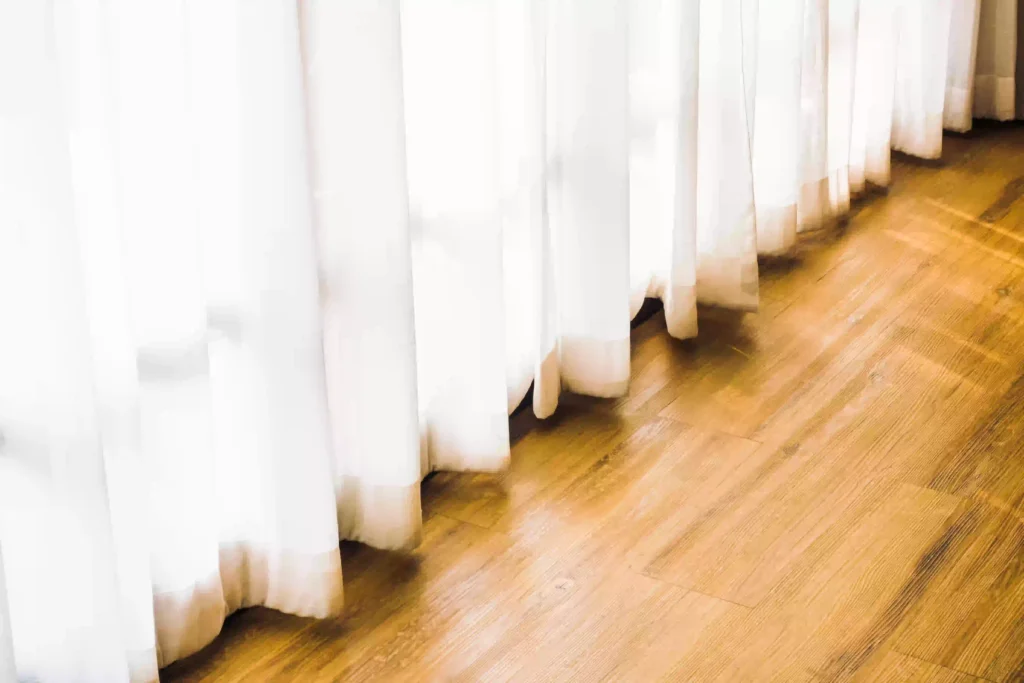
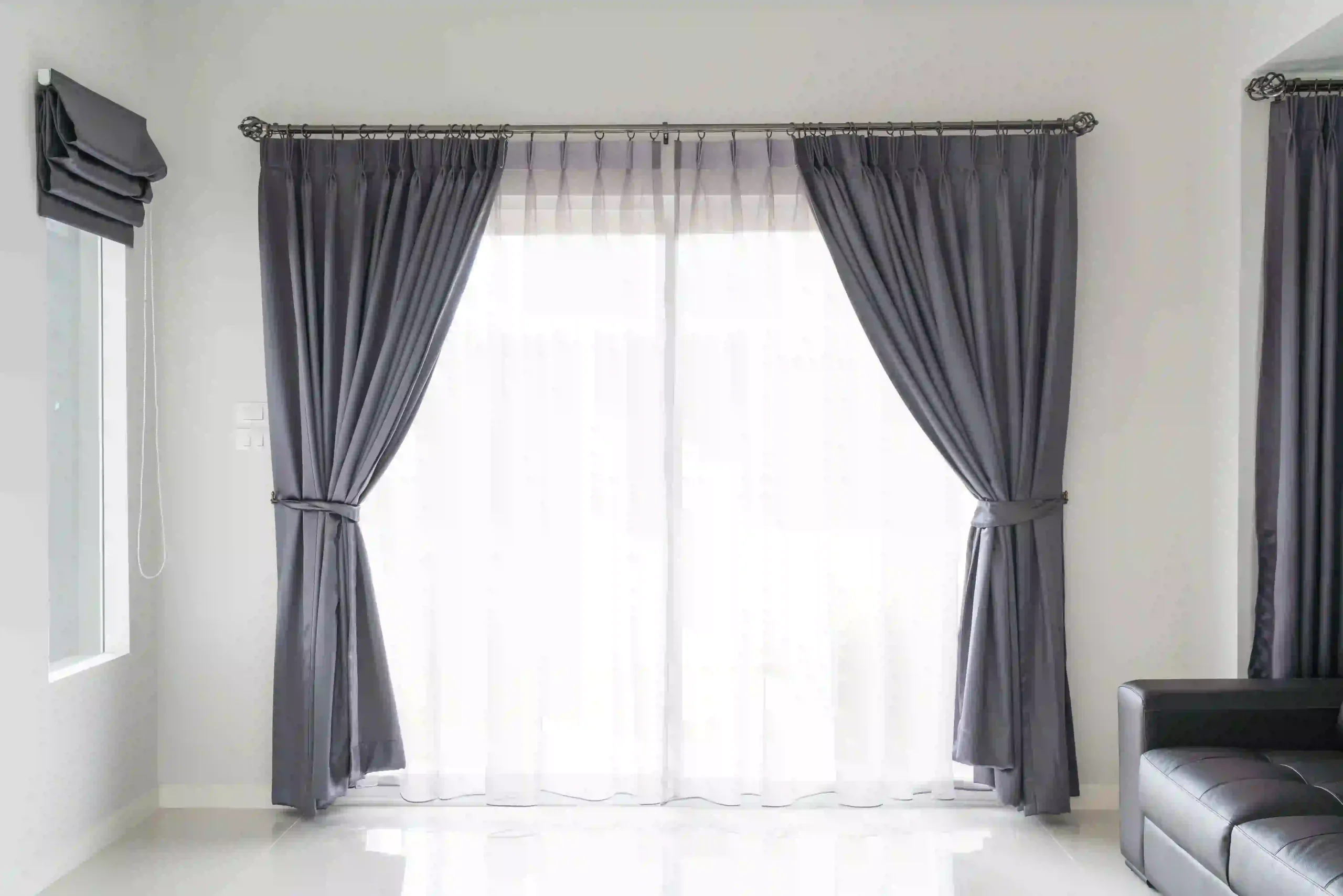
In most modern interiors, floor-length curtains are considered the best choice. They create a clean, elegant, and balanced appearance that instantly improves the overall look of a room. When curtains extend all the way to the floor, they make the space appear more polished and professionally designed.
Another advantage of floor-length curtains is that they create the illusion of taller ceilings and larger windows, which can make a room feel more spacious and open. Because of these benefits, many interior designers recommend installing curtains that either lightly touch the floor or hang slightly above it for a neat and modern finish.
Benefits of Floor-Length Curtains
1. Creates a More Elegant Look
Curtains that reach the floor give a room a sophisticated and complete appearance. Short curtains can sometimes make the space look unfinished or poorly designed. Floor-length curtains, on the other hand, create a smooth and flowing visual effect that enhances the overall décor.
2. Makes the Room Feel Taller
One of the most effective interior design tricks is to hang curtains closer to the ceiling and allow them to fall to the floor. This technique draws the eye upward and makes ceilings appear higher. As a result, even smaller rooms can feel larger and more open.
3. Better Light and Privacy Control
Long curtains cover the entire window area, which helps block sunlight more effectively. This is especially useful in bedrooms or living rooms where controlling light levels is important. They also provide better privacy by preventing outside views into the home.
4. Matches Modern Interior Design
Most modern homes prefer long curtains because they blend well with both minimalist and traditional décor styles. Whether the interior design is contemporary, classic, or transitional, floor-length curtains add a balanced and refined look.
5. Enhances Window Appearance
Even if a window is small, long curtains can make it appear larger. By placing the curtain rod slightly wider than the window frame and allowing the fabric to fall to the floor, the window becomes a stronger visual feature in the room.
Curtain Length Styles
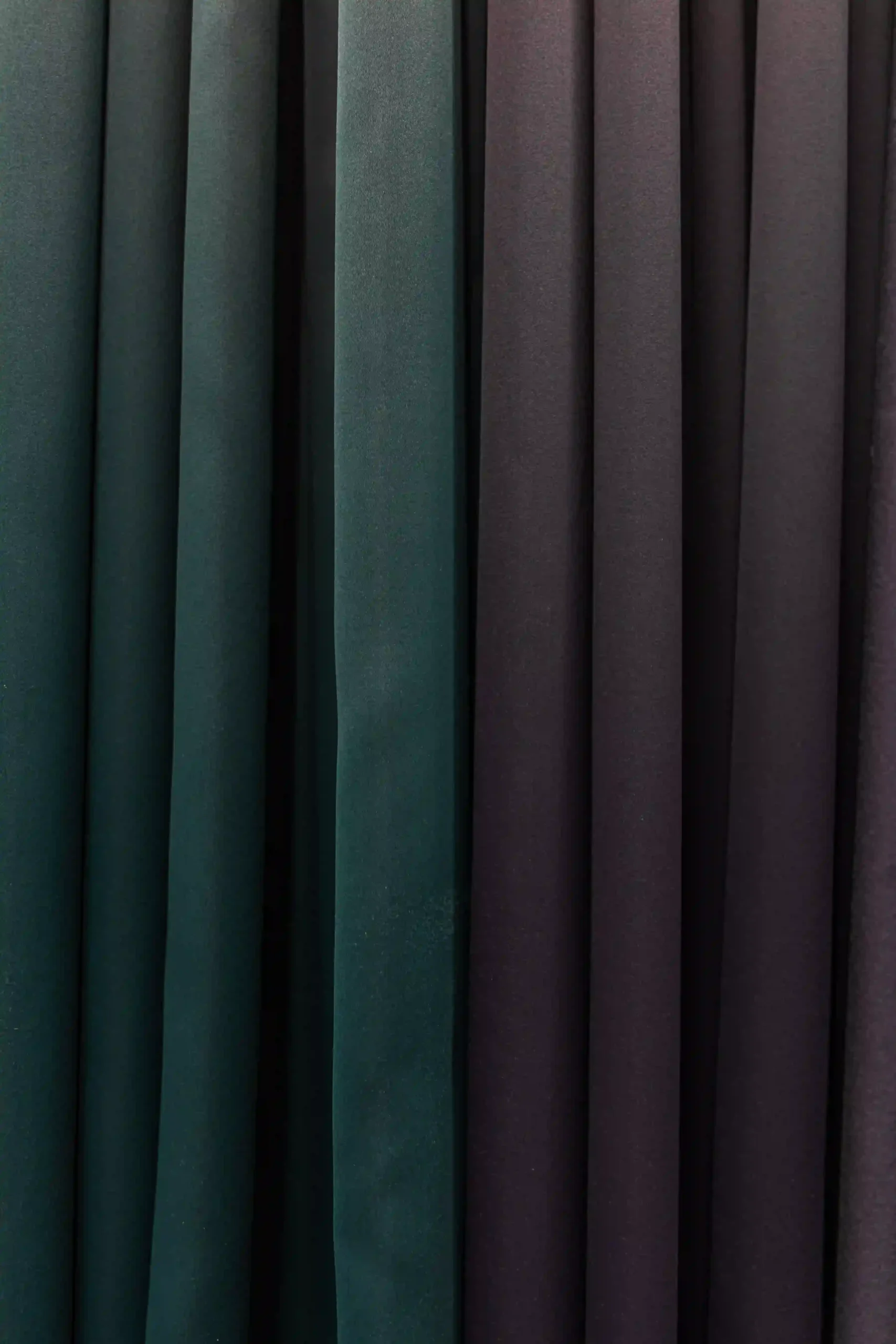
Interior designers usually choose curtain lengths depending on the desired style and the function of the room. Each style creates a different visual effect.
Floating Curtains
Floating curtains hang about half an inch above the floor. This style creates a neat and modern appearance while preventing the fabric from collecting dust. It is also a practical option for homes where frequent cleaning is required.
Just-Touching Curtains
This is the most popular curtain style in modern homes. The fabric lightly touches the floor without extra folds. It creates a clean, tailored look that feels both elegant and easy to maintain.
Puddling Curtains
In this style, extra curtain fabric rests on the floor, forming soft folds or “puddles.” This creates a dramatic and luxurious appearance often used in formal living rooms, master bedrooms, or decorative spaces where elegance is the main goal.
Sill-Length Curtains
Sill-length curtains stop at the bottom of the window frame or window sill. These are typically used in kitchens, bathrooms, or smaller rooms where long curtains may not be practical.
When Curtains Should Not Touch the Floor
Although floor-length curtains are usually preferred, there are certain situations where shorter curtains are more practical.
For example, in kitchens, long curtains can easily become dirty from cooking activities. Bathrooms also require shorter curtains because humidity and moisture may damage long fabrics. In some cases, furniture such as a desk, bed, or radiator may block the lower part of the window, making shorter curtains a better choice.
In these situations, sill-length or apron-length curtains can provide a more functional solution without affecting the overall design of the room.
Are Curtains Out of Style?
Some homeowners wonder whether curtains are still fashionable today. The simple answer is no—curtains are not out of style. In fact, they remain one of the most widely used window treatments in modern homes.
Curtains continue to be popular because they combine practical benefits with decorative value. They help control light, provide privacy, and add softness to interior spaces. Unlike some window treatments that focus only on function, curtains also contribute significantly to the aesthetic appeal of a room.
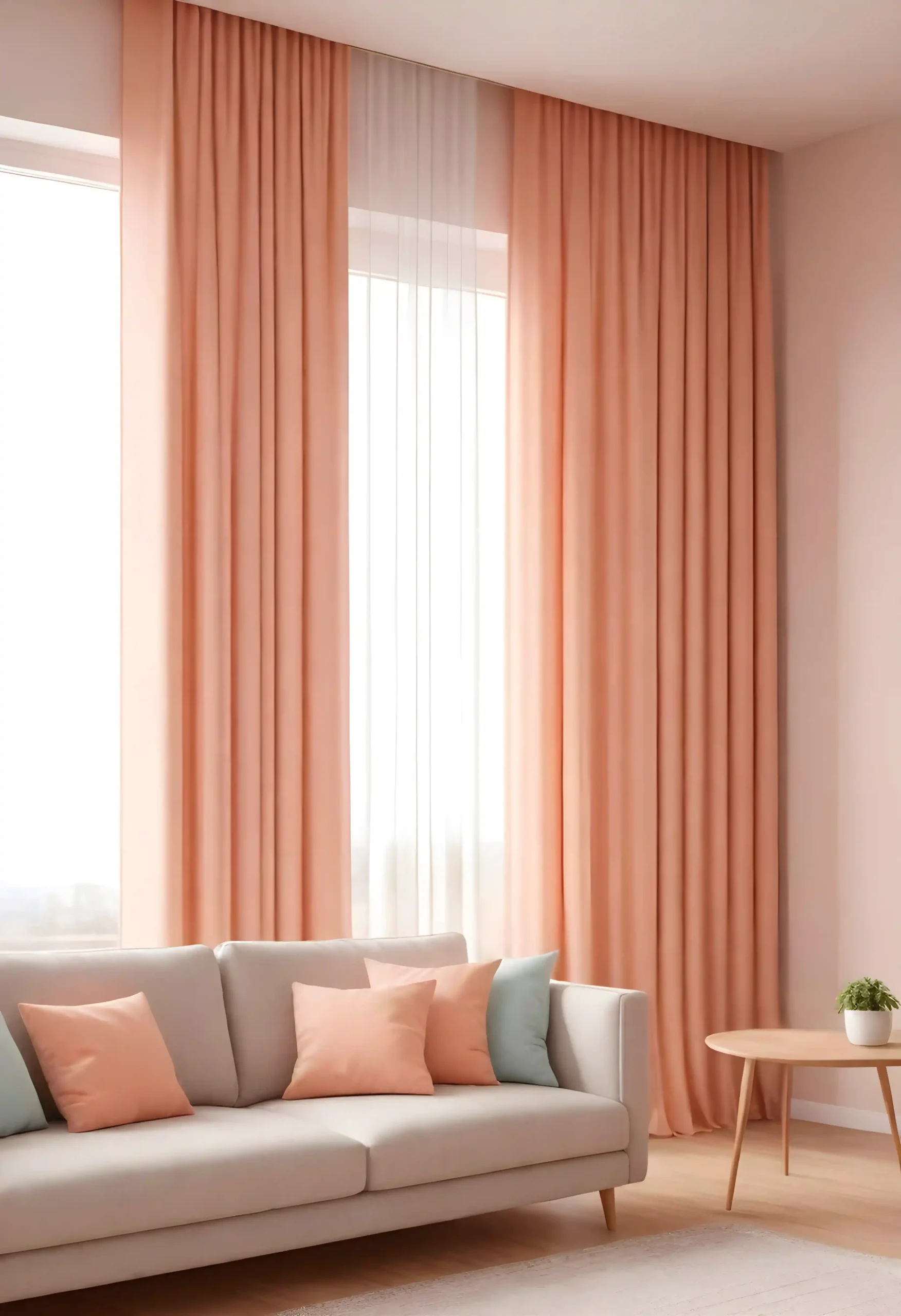
Today, many designers combine curtains with blinds or shades to create a layered window treatment. This approach improves both functionality and visual style. For example, sheer curtains can allow soft natural light during the day, while blackout curtains or blinds can provide privacy and darkness when needed.
Modern Curtain Trends
Curtain styles have evolved over time, and modern homes often follow certain design trends that emphasize simplicity and elegance.
Some of the most popular modern curtain trends include:
-
Neutral colors such as white, beige, grey, and soft earth tones
-
Lightweight fabrics like linen or cotton that create a relaxed atmosphere
-
Ceiling-mounted curtain rods to make rooms appear taller
-
Layered curtains, combining sheer and heavier fabrics
-
Minimalist designs that focus on clean lines and simple textures
These trends help create a modern, stylish, and comfortable interior environment while maintaining the practical benefits of curtains.
Tips for Choosing the Right Curtains
Selecting the right curtains can make a significant difference in how a room looks and feels. Here are a few helpful tips:
-
Hang curtains higher than the window frame to create the illusion of height.
-
Choose light fabrics for bright spaces and heavier fabrics for privacy.
-
Use neutral colors if you want a timeless and versatile design.
-
Ensure curtains are wide enough to fully cover the window when closed.
-
Consider layering curtains with blinds or shades for better light control.
These simple choices can help improve both the comfort and the appearance of a room.
Conclusion
In most homes, curtains that touch the floor create the most elegant and balanced look. They enhance the overall design of a room, improve light control, and provide better privacy. Floor-length curtains also help make windows appear larger and ceilings look taller, which adds to the visual appeal of the space.
Although interior design trends continue to change, curtains remain a timeless and practical choice for modern homes. When selected carefully and installed correctly, they can significantly improve both the beauty and functionality of any living space.