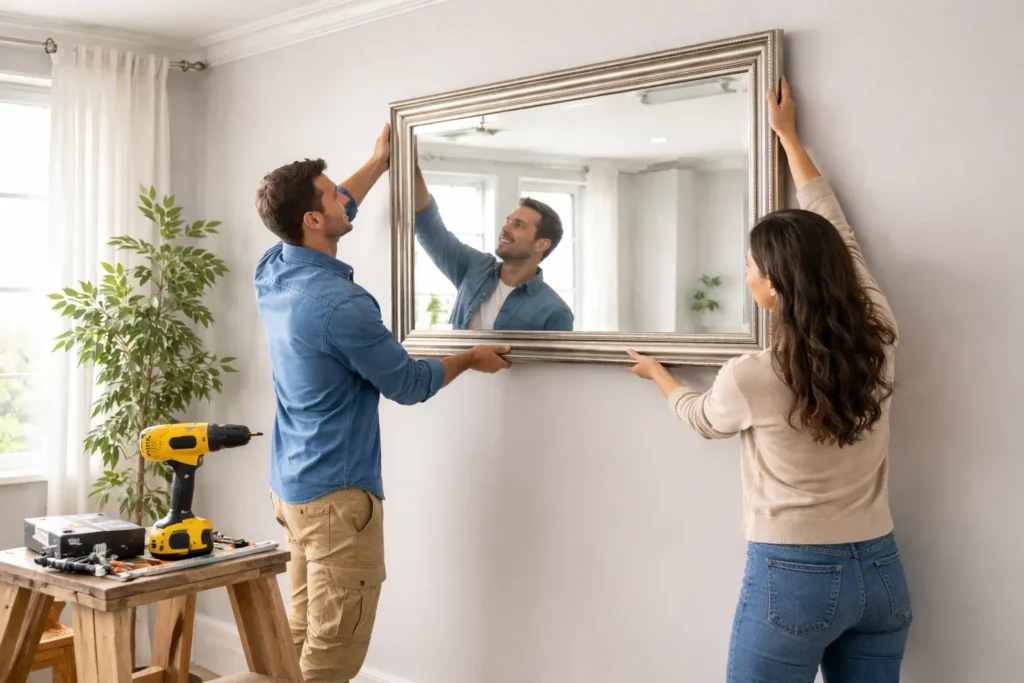

How to Hang a Heavy Mirror on Wall Safely (Complete Guide)
Heavy mirrors are a beautiful addition to any home. They make rooms look bigger, brighter, and more elegant. However, installing a heavy mirror incorrectly can damage your wall or even cause the mirror to fall.
If you want to hang a heavy mirror safely, you need the right tools, proper wall support, and correct installation techniques. In this complete guide, you’ll learn step-by-step how to securely mount a heavy mirror on any wall type.
Why Proper Mirror Installation is Important
A heavy mirror usually weighs 10 kg to 40 kg or more, depending on its size and frame. Without proper support, it can fall and cause:
-
Damage to walls
-
Broken mirrors
-
Safety hazards for family members
-
Costly repairs
That’s why using strong wall anchors, studs, and mounting hardware is essential for safe installation.
Types of Walls for Mirror Installation
Different walls require different mounting techniques.
1. Drywall: Drywall is common in modern homes, but it cannot hold heavy weight alone. Use wall anchors or studs for proper support.
2. Concrete or Brick Wall: Concrete walls are strong but require drilling with masonry bits.
3. Wooden Wall: Wooden walls are easier to drill into and can hold screws directly.
Understanding your wall type helps you choose the correct mounting hardware.
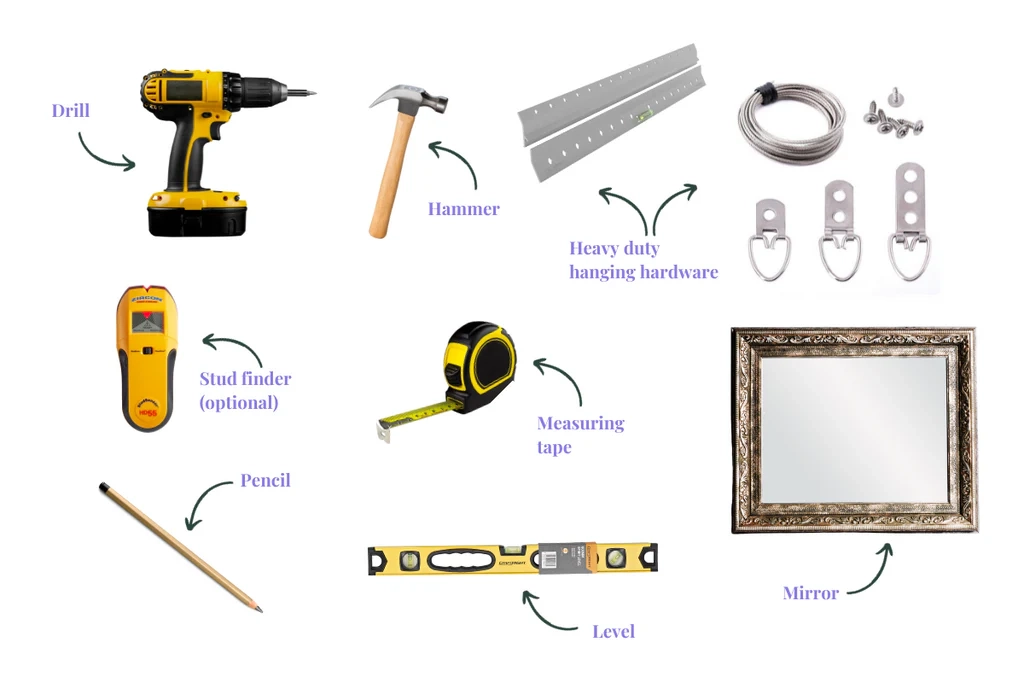
Tools & Materials You Will Need
Before installing your mirror, gather these tools:
-
Measuring tape
-
Pencil for marking
-
Level tool
-
Drill machine
-
Wall anchors
-
Screws or mounting brackets
-
Stud finder
-
Safety gloves
Using the right tools will make the installation easier and safer.
Complete Guide to Hang a Heavy Mirror
Follow these steps carefully to install your mirror securely.
Step 1: Choose the Right Location
Select a wall where the mirror will enhance the room’s design.
Common locations include:
-
Living room
-
Bedroom
-
Hallway
-
Above console tables
Make sure the mirror is centered and at eye level for the best visual effect.
Step 2: Find Wall Studs
Wall studs provide strong support for heavy items.
Use a stud finder to locate them behind the wall.
Mark the stud position with a pencil.
If the studs align with your mirror brackets, installation becomes much safer.
Step 3: Measure and Mark the Position
Use a measuring tape to determine the correct height.
Mark the hanging points carefully.
Tips for accurate placement:
-
Use a level tool to keep the mirror straight
-
Measure twice before drilling
-
Maintain equal spacing from nearby furniture
Step 4: Install Wall Anchors or Screws
If studs are available:
-
Drill screws directly into the studs.
If studs are not available:
-
Drill holes
-
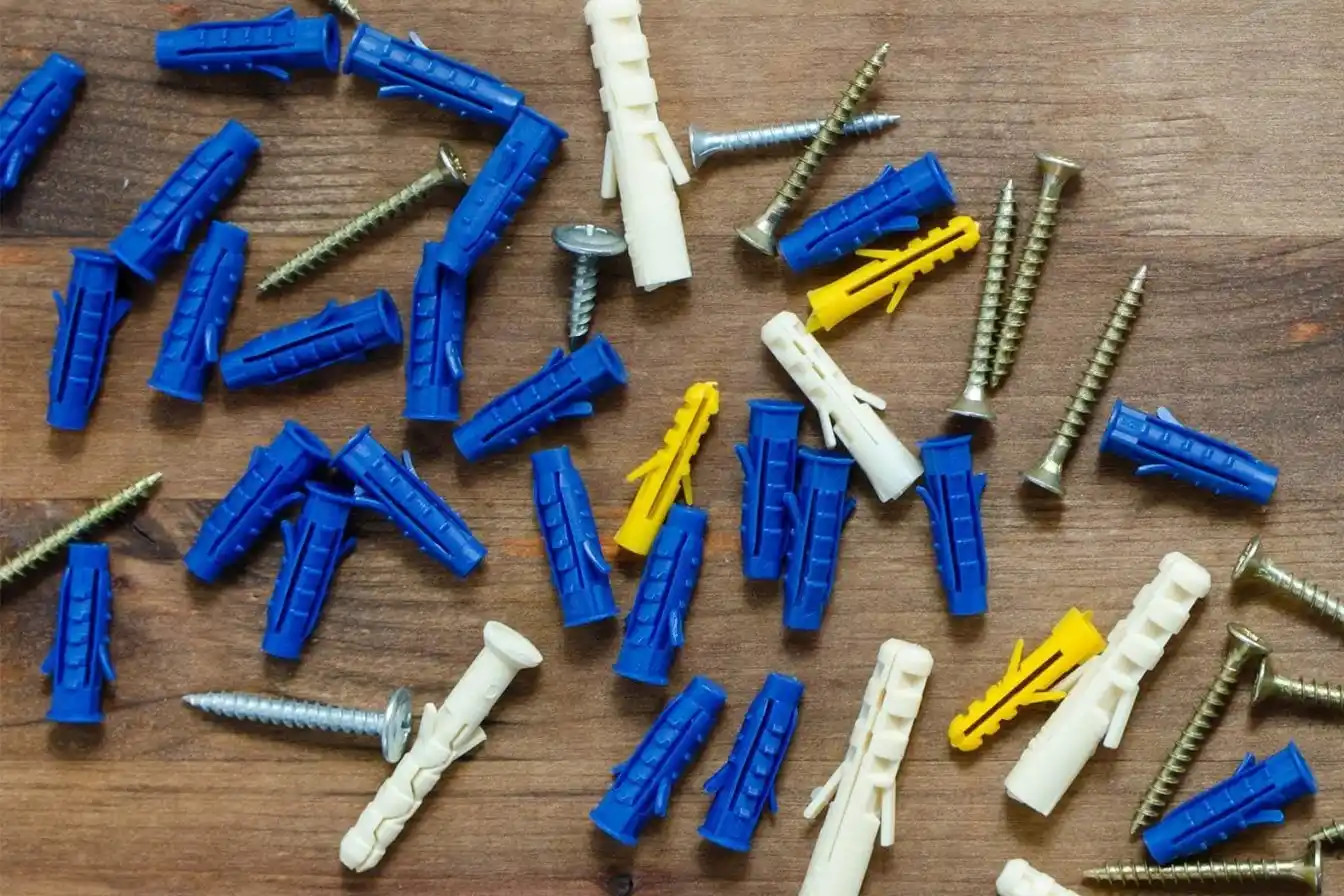
Insert heavy-duty wall anchors
-
Tighten screws into anchors
These anchors distribute the mirror’s weight evenly.
For professional mounting hardware recommendations, you can check this guide:
https://www.thisoldhouse.com/walls/how-to-hang-a-heavy-mirror
Step 5: Attach the Mirror Mounting Hardware
Heavy mirrors usually include mounting hardware such as:
-
D-rings
-
Wire hangers
-
French cleats
-
Metal brackets
Attach the hardware securely to the back of the mirror.
Make sure screws are tight and aligned.
Step 6: Hang the Mirror Carefully
Now lift the mirror and place it on the screws or mounting brackets.
For large mirrors:
-
Ask another person to help
-
Lift slowly
-
Ensure hooks are properly seated
Once hung, use a level tool again to confirm the mirror is straight.
Safety Tips for Hanging Heavy Mirrors
To avoid accidents, follow these safety tips:
✔ Always use heavy-duty anchors
✔ Avoid hanging mirrors with weak adhesive hooks
✔ Double-check screw tightness
✔ Use two mounting points for large mirrors
✔ Keep mirrors away from high-traffic areas
Proper installation ensures long-term stability and safety.
Best Rooms to Hang Large Mirrors
Heavy mirrors can transform different spaces in your home.
Living Room: A large mirror above a sofa or console table adds depth and elegance.
Bedroom: Full-length mirrors are perfect for dressing areas.
Dining Room: Mirrors reflect light and make the space feel larger.
Hallway: Mirrors help narrow hallways look more spacious and bright.
Common Mistakes to Avoid
Many people make mistakes when installing mirrors.
Avoid these common errors:
-
Using small nails for heavy mirrors
-
Ignoring wall studs
-
Incorrect measurements
-
Hanging mirrors too high
-
Using weak wall hooks
Taking time for proper installation prevents damage and accidents.
Conclusion
Hanging a heavy mirror on the wall may seem difficult, but with the right tools and proper installation methods, it becomes a simple task. The key is to identify the wall type, locate studs, use strong anchors, and measure carefully. A securely mounted mirror not only enhances your home décor but also ensures safety for everyone in the house. Whether you install it in your living room, bedroom, or hallway, a well-placed mirror can make your space look larger, brighter, and more stylish.
By following the steps in this guide, you can confidently hang a heavy mirror and enjoy its beauty for years to come.
Frequently Asked Questions (FAQs)
1. Can drywall hold a heavy mirror?
Yes, drywall can hold a heavy mirror if you use strong wall anchors or mount it into studs. Without anchors, drywall alone cannot support a heavy weight.
2. What is the best hardware for hanging heavy mirrors?
The best options include:
-
French cleats
-
Heavy-duty wall anchors
-
D-ring hangers
-
Metal mounting brackets
These provide strong support and stability.
3. How high should a wall mirror be hung?
A mirror should typically be hung at eye level, which is about 57–65 inches from the floor, depending on the room layout.
4. Is it safe to hang a mirror with a wire?
Yes, mirror wire is safe if combined with strong screws and anchors that support the mirror’s weight.
5. Can I hang a heavy mirror without drilling?
For very heavy mirrors, drilling is recommended. Adhesive hooks are usually not strong enough for large mirrors.
For more information, please visit www.newhomeessentials.com.