
Introduction
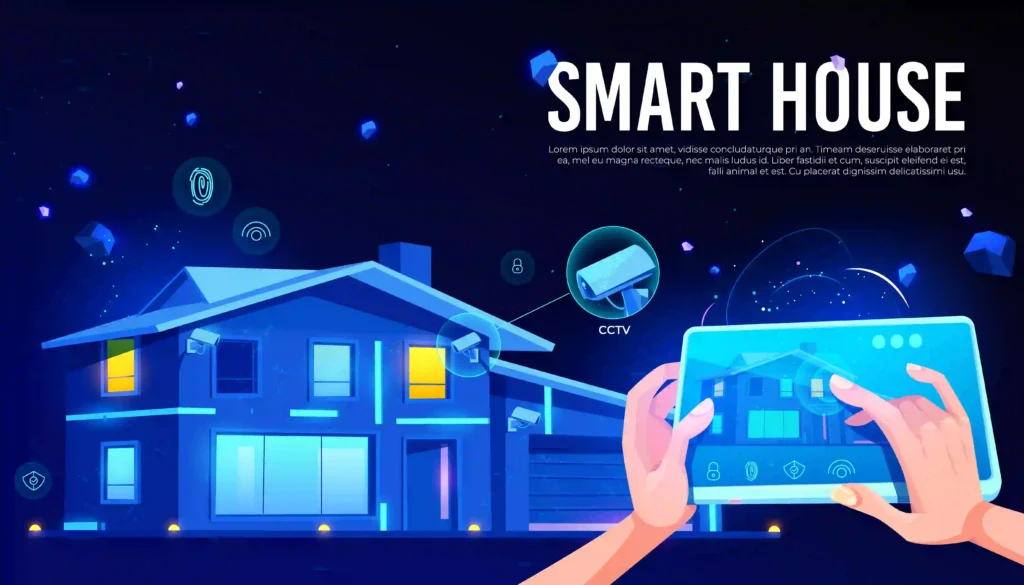
In today’s fast-paced world, home security has become more important than ever. Whether you live in a small apartment, a suburban house, or a large villa, protecting your home, family, and valuables is a top priority. A home security system is no longer considered a luxury—it is a necessity. With increasing crime rates and advancements in technology, modern security systems offer smart, reliable, and affordable protection solutions for homeowners.
This comprehensive guide will explain everything you need to know about home security systems, including types, components, benefits, installation, costs, and tips for choosing the best system for your needs.
What Is a Home Security System?
A home security system is a network of electronic devices designed to protect your property from intruders, theft, fire, and other emergencies. These systems use sensors, cameras, alarms, and control panels to detect suspicious activity and alert homeowners or authorities.
Modern home security systems are often connected to the internet, allowing homeowners to monitor their property remotely using smartphones or computers.
Why Is a Home Security System Important?
A home security system is important because it plays a vital role in protecting your property, family, and valuable belongings.
- One of the main benefits is protection against theft, as the primary purpose of a security system is to prevent burglaries. Visible security cameras and alarm systems act as strong deterrents, discouraging criminals from targeting your home.
- In addition, many systems offer 24/7 monitoring, ensuring that your property remains protected at all times, even when you are away or asleep.
- Modern security systems also include advanced features such as fire and gas detection, which can identify smoke, fire, or carbon monoxide leaks early and help prevent serious disasters.
Types of Home Security Systems
- These systems use physical wires to connect all components. They are reliable but require professional installation.
- Wireless systems use Wi-Fi or radio signals to connect devices.
- These systems are connected to a professional monitoring center. If an alarm is triggered, the monitoring team contacts emergency services.
- In these systems, the alarm sounds locally, and the homeowner receives notifications.
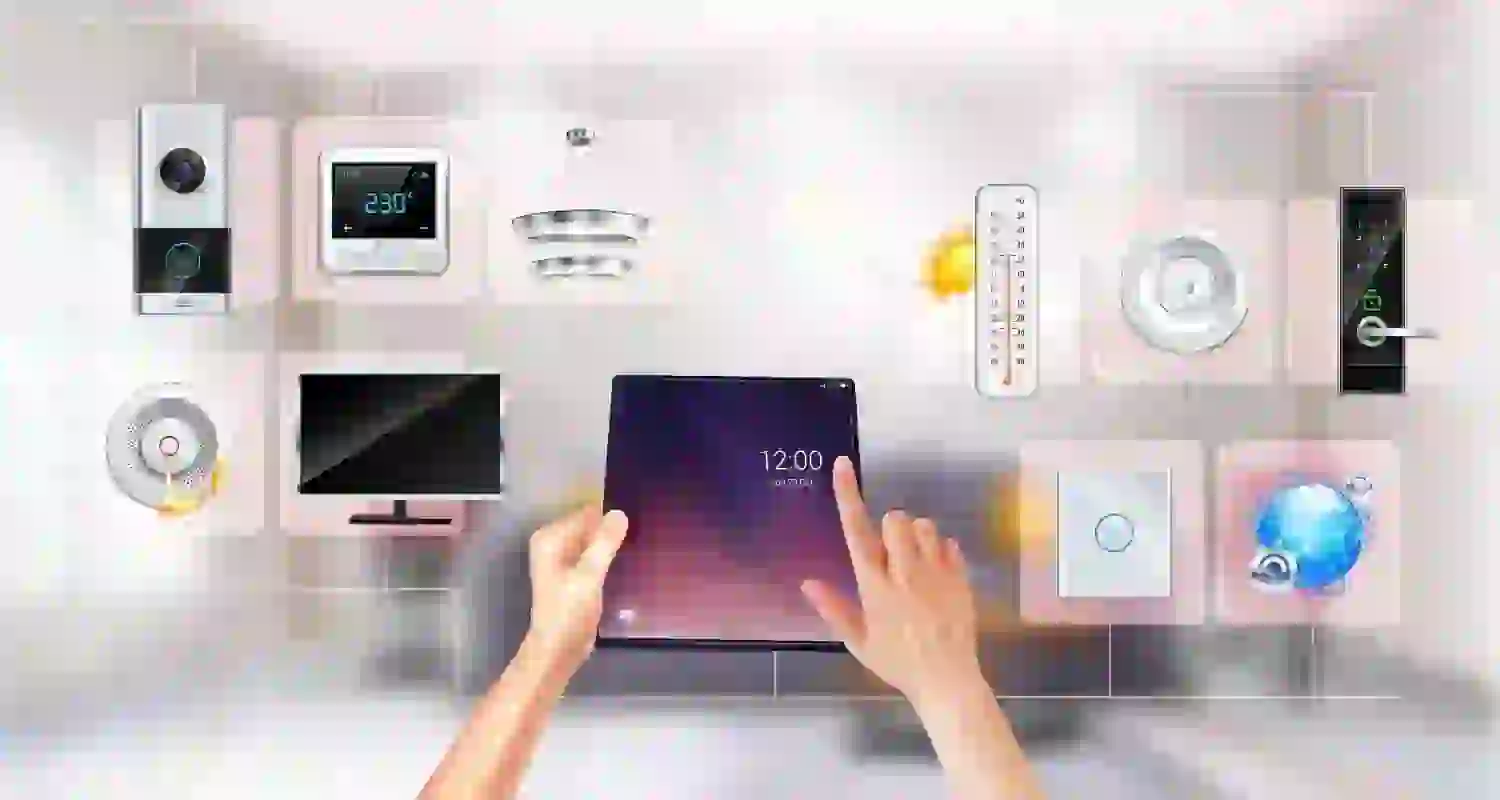
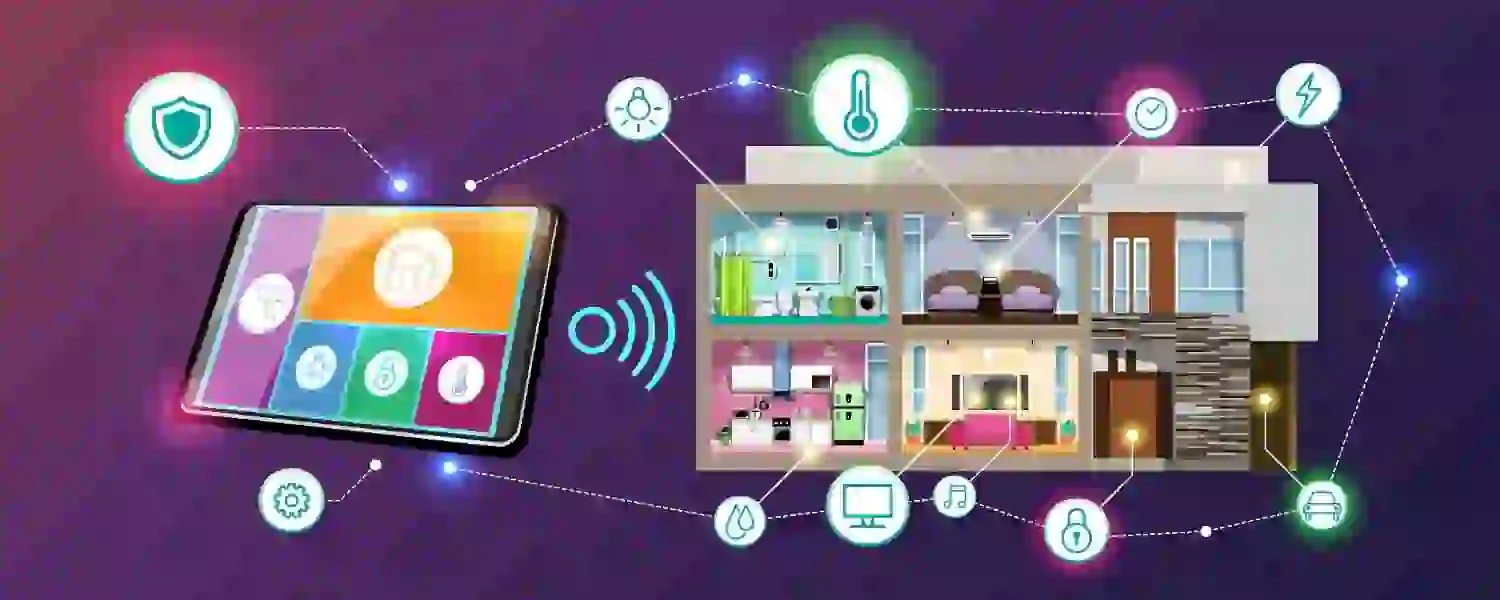
- Smart systems integrate with home automation devices like smart locks, lights, and voice assistants.
Main Components of a Home Security System
- The control panel is the main hub that connects all devices. It allows you to arm and disarm the system.
- Security cameras monitor activity both inside and outside your home, helping you keep a close watch on your property at all times. They can record video footage for later review and also provide live streaming, allowing you to see what is happening in real time through your smartphone or computer. There are different types of cameras designed for specific purposes, including indoor cameras for monitoring rooms and hallways, outdoor cameras built to withstand weather conditions, doorbell cameras that let you see and communicate with visitors at your door, and night vision cameras that capture clear footage even in low-light or dark conditions.
- Motion detectors identify movement within a specific area and trigger alarms.
- These sensors detect when doors or windows are opened.
- A loud alarm alerts homeowners and scares off intruders.
- Smart locks allow remote locking and unlocking of doors.
- These sensors detect fire and harmful gases.
How Does a Home Security System Work?
When the system is armed, sensors monitor doors, windows, and rooms. If unusual activity is detected:
- The sensor sends a signal to the control panel.
- The alarm siren is activated.
- A notification is sent to the homeowner’s smartphone.
- If monitored, the monitoring center contacts authorities.
Smart systems store footage in cloud storage and allow remote viewing.
Benefits of Smart Home Security Systems
- Remote Access can control your security system from anywhere using a mobile app.
Costs vary depending on features and services:
- Basic system: $100 – $300
- Advanced system: $500 – $1,500
- Monthly monitoring: $20 – $60
- Smart features and cloud storage may increase the cost.
Tips to Improve Home Security
Even with a security system, follow these additional tips:
- Install strong door locks.
- Use outdoor lighting.
- Keep valuables out of sight.
- Do not share vacation plans publicly.
- Regularly update passwords.
Common Mistakes to Avoid
- Ignoring system updates
- Using weak passwords
- Placing cameras in wrong positions
- Not testing alarms regularly
Future of Home Security Systems
- Technology is continuously evolving. Future security systems will include:
- Artificial Intelligence (AI) for facial recognition
- Advanced motion detection
- Smart home automation integration
- Faster emergency response systems
- Biometric access and improved cloud storage solutions are becoming more popular.
Conclusion
A home security system is a powerful tool for protecting your home, belongings, and loved ones. With various types available—from basic alarm systems to advanced smart home integrations—you can choose a system that fits your needs and budget.
By understanding the components, benefits, and installation options, you can make an informed decision. In today’s world, safety should never be compromised. Investing in a reliable home security system ensures peace of mind and long-term protection.
Protect your home today, because security is not an option—it is a necessity.
Also read more about new home essentials