
Home Security System
ToggleIntroduction
Your home is more than just a building—it is where your family lives, where your valuables are kept, and where you should feel safest. However, with rising concerns about burglary, package theft, fire hazards, and even cyber threats, homeowners must take proactive steps to protect their property. A home security system is one of the most effective ways to ensure safety, prevent crime, and gain peace of mind.
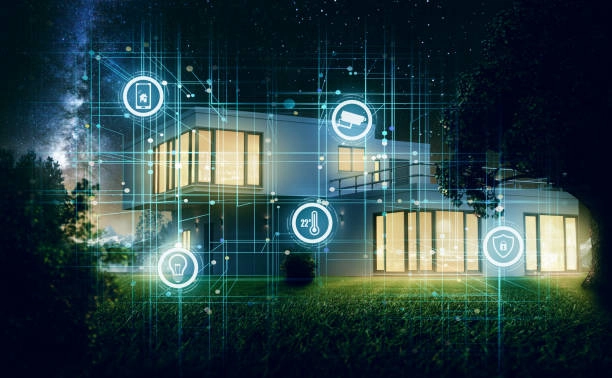
Modern security systems have evolved far beyond simple alarm bells. Today’s systems integrate smart technology, artificial intelligence, and mobile connectivity to offer real-time monitoring and control from anywhere in the world. In this detailed guide, we will explore everything you need to know about home security systems, including their components, types, benefits, installation options, costs, and future trends.
What Is a Home Security System?
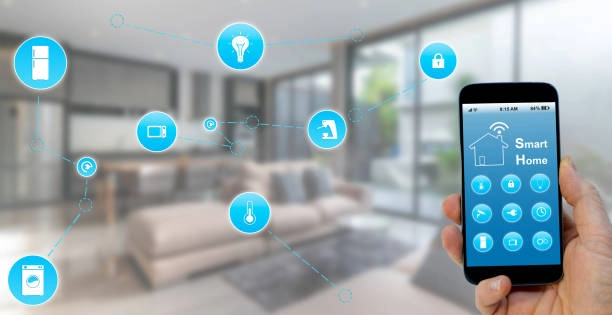
A home security system is a network of electronic devices designed to detect unauthorized entry, monitor suspicious activity, and alert homeowners or authorities during emergencies. These systems work together to protect against burglary, fire, gas leaks, and sometimes even flooding.
When a sensor is triggered—such as a door opening unexpectedly—the system activates an alarm and may send notifications to your smartphone or a professional monitoring center.
Key Components of a Home Security System
Understanding the essential components helps you choose the right setup for your needs.
- The control panel is the brain of the system. It connects all devices and allows you to arm or disarm the security system. Many modern panels come with touchscreens and mobile app integration.
- Security cameras monitor both indoor and outdoor areas of your home. They often include features such as HD video recording, night vision, motion detection, two-way audio, and cloud storage for footage backup. Popular brands like Ring and Arlo Technologies offer reliable camera solutions with advanced features.
- These sensors detect when doors or windows are opened while the system is armed.
- Motion sensors identify movement within a room. Advanced versions can differentiate between pets and humans.
- When triggered, the siren emits a loud sound to scare off intruders and alert neighbors.
- Smart locks allow you to lock and unlock doors remotely via smartphone apps.
- Integrated fire and gas detection systems add an extra layer of protection.
Types of Home Security Systems
Different homes require different levels of protection. Below are the main types available:
1. Monitored Security Systems
These systems connect to a professional monitoring center. If an alarm is triggered, trained operators contact you and dispatch emergency services if needed. Companies like ADT and Vivint provide professional monitoring services.
2. Unmonitored Security Systems
These rely on loud alarms and smartphone notifications but do not automatically contact authorities.
3. Wired Systems
Wired systems connect through physical cables. They are reliable but harder to install and less flexible.
4. Wireless Systems
Wireless systems use Wi-Fi or cellular networks. They are easier to install and ideal for renters.
5. Smart Home Security Systems
Smart systems integrate with voice assistants and automation platforms like Google Nest and Amazon Alexa for convenient voice control and automation.
Benefits of Installing a Home Security System
Visible cameras and alarm signage discourage criminals from targeting your home, reducing the risk of break-ins and theft. With 24/7 monitoring, whether self-monitored or professionally managed, your home remains under constant supervision at all times. Remote access allows you to view live camera feeds, lock or unlock doors, and arm or disarm the system directly from your smartphone, no matter where you are. Integrated smoke and carbon monoxide detection provides life-saving protection by alerting you immediately in case of fire or gas leaks. Many insurance providers offer reduced premiums for homes equipped with security systems, helping you save money in the long run. Most importantly, knowing that your property and loved ones are protected gives you peace of mind and emotional comfort, especially when you are away from home.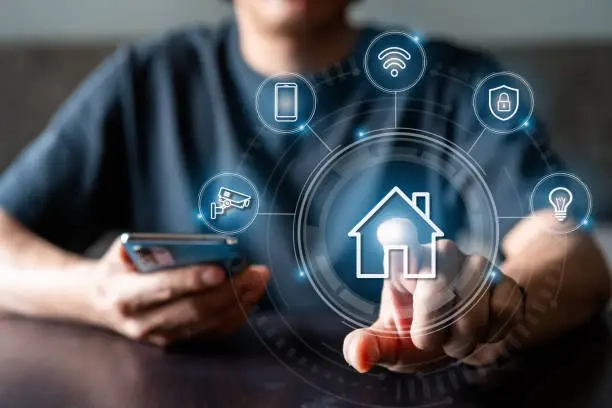
Smart Home Integration and Automation
Modern security systems are now part of the larger smart home ecosystem. Integration allows automation such as:
-
Turning on lights when motion is detected
-
Locking doors automatically at night
-
Receiving alerts when packages are delivered
-
Using voice commands to arm the system
For example, you can say, “Alexa, arm my home,” and your system activates instantly.
This level of automation enhances both security and convenience.
DIY vs Professional Installation
DIY Installation
Easy to install and often more affordable. They are ideal for small homes and apartments. Many brands provide step-by-step instructions and mobile app guidance.
Advantages:
-
Lower cost
-
No long-term contracts
-
Flexible relocation
Disadvantages:
-
Limited technical support
-
Requires self-setup
Professional Installation
Professional installation ensures proper placement and system configuration.
Advantages:
-
Expert setup
-
Optimized coverage
-
Reliable performance
Disadvantages:
-
Higher upfront cost
-
Possible contract requirements
How Much Does a Home Security System Cost?
Costs vary depending on features and services:
-
Basic DIY systems: Moderate one-time equipment cost
-
Advanced systems: Higher equipment cost
-
Professional monitoring: Monthly subscription fees
Factors affecting price include:
-
Number of cameras
-
Smart features
-
Monitoring service
-
Installation fees
Investing in quality equipment often saves money long term by preventing losses.
Tips for Choosing the Right Home Security System
When choosing the right home security system, it is important to first assess your security needs. Consider factors such as the crime rate in your neighborhood, the size of your property, and the number of entry points that need protection. These details will help you determine the level of security and the number of devices required.
You should also set a clear budget before making a decision. Make sure to include both the cost of equipment and any potential monthly monitoring fees, so you understand the total investment involved.
It is equally important to check compatibility with your existing smart home devices. Ensure that the security system can integrate smoothly with devices such as smart lights, locks, or voice assistants for better convenience and automation.
Reviewing storage options is another key step. Decide whether you prefer cloud storage or local storage for saving camera footage, depending on your privacy preferences and accessibility needs.
Finally, read customer reviews to research the reliability of the brand, the performance of its mobile app, and the quality of customer service. This will help you choose a system that is dependable and well-supported.
Maintenance and Best Practices
To keep your system functioning properly:
-
Test alarms monthly
-
Replace batteries regularly
-
Update firmware and apps
-
Clean camera lenses
-
Secure your Wi-Fi network
Proper maintenance ensures your system works effectively during emergencies.
Future Trends in Home Security
Home security technology continues to advance rapidly. Key trends include:
- AI-powered cameras can distinguish between humans, animals, and vehicles, reducing false alarms.
- Some systems can identify family members and notify you of unknown visitors.
- Secure cloud storage improves remote access and data protection.
- As systems become more connected, encryption and secure networks are becoming critical.
The future of home security is smarter, more automated, and more personalized.
Conclusion
A home security system is no longer just an optional upgrade—it is a necessity in today’s world. From basic alarms to advanced AI-powered smart systems, there are solutions available for every home and budget.
By understanding system components, types, installation methods, and benefits, you can choose a security setup that protects your home effectively.
Also read more about new home essentials
FAQs
1. Are wireless home security systems reliable?
Yes, modern wireless systems are highly reliable and use encrypted Wi-Fi or cellular connections to ensure security and stability.
2. Do home security systems work during power outages?
Most systems include backup batteries that keep the system operational during power failures.
3. Can I monitor my home while traveling?
Yes, most smart home security systems provide mobile apps that allow real-time monitoring from anywhere in the world.
4. Is professional monitoring necessary?
It depends on your preference. Professional monitoring offers faster emergency response, while self-monitoring saves monthly fees.
5. How often should I maintain my security system?
You should test your system monthly, replace batteries when needed, and update software regularly to ensure optimal performance.