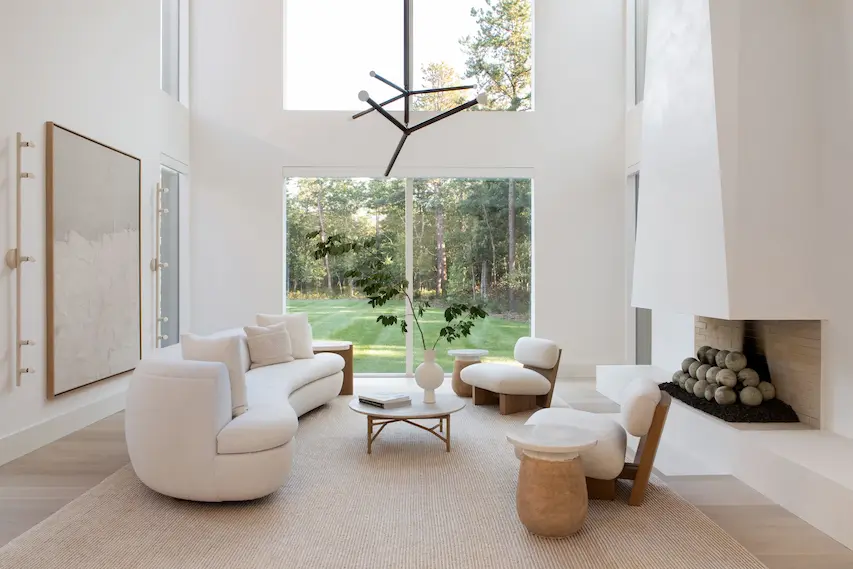

Minimalist home design is all about simplicity, functionality, and a clutter-free environment. By integrating floating furniture, you can make spaces look more open, airy, and modern. From floating shelves to wall-mounted TV units, these pieces not only enhance style but also maximize usable space. If you’re planning a home makeover, minimalist interiors with floating furniture offer both elegance and practicality.
Understanding Minimalist Home Design
Minimalism is more than a trend it’s a lifestyle choice that focuses on intentional living. It emphasizes simplicity, clean lines, and high functionality.
Key Features of Minimalist Interiors
- Neutral color palettes like white, beige, and grey
- Open floor plans for free movement
- Functional furniture with multiple purposes
- Natural light emphasis
- Simple and clean décor
When floating furniture is added to these elements, the result is a visually balanced and spacious home. Explore more tips and inspiration at our homepage.
What is Floating Furniture?
Floating furniture refers to wall-mounted units that do not touch the floor, giving the illusion that they are “floating.” This style is perfect for modern minimalist homes because it reduces visual clutter and improves space utilization.
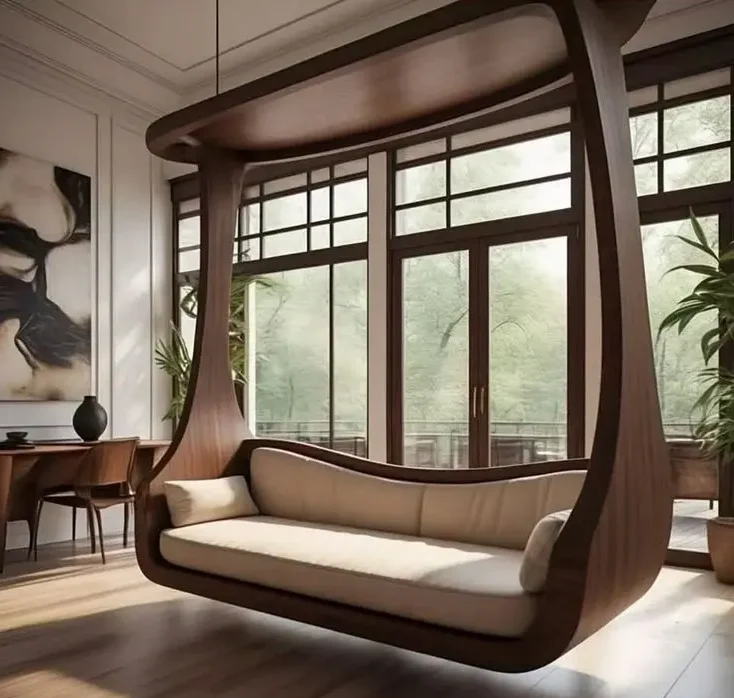
Types of Floating Furniture
- Floating TV units
- Wall-mounted shelves
- Floating bed frames
- Floating bathroom vanities
- Floating desks
These designs maintain a clean look while keeping the floor area open and easy to maintain.
Benefits of Floating Furniture in Minimalist Homes
1.Creates a Spacious Look
Since the furniture doesn’t touch the floor, rooms feel larger and more open, which is ideal for apartments and smaller homes.
2.Reduces Visual Clutter
Traditional bulky furniture can dominate a space. Floating furniture keeps the visual weight light and airy.
3.Easy Maintenance
Cleaning becomes simpler without legs or bases blocking the floor.
4.Enhances Functionality
Floating units often come with hidden storage options, making them both practical and stylish.
Popular Floating Furniture Ideas for Minimalist Homes
Floating TV Units
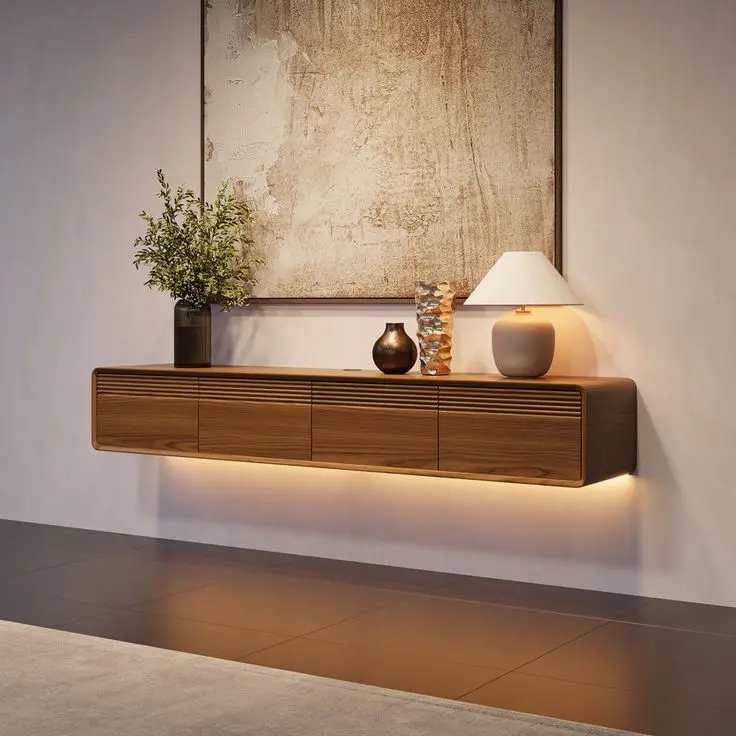
A wall-mounted TV console hides wires and keeps the living area organized. Pair it with minimal décor for a sleek, modern look.
Floating Shelves
Ideal for books, indoor plants, or decorative pieces. Avoid overcrowding shelves to maintain a minimalist vibe.
Floating Bed Frames
A floating bed frame adds elegance and gives the bedroom a modern, luxurious feel. Soft LED lights underneath enhance the effect.
Floating Bathroom Vanities
Perfect for small bathrooms, these vanities create more floor space while maintaining style and functionality.
Choosing the Right Colors and Materials
Neutral Color Palette
Stick to whites, soft greys, and earthy beige tones to maintain lightness and openness.
Natural Materials
Wood textures like oak or walnut add warmth without compromising minimalism.
Matte Finishes
Glossy surfaces can distract from the minimalist aesthetic. Matte textures are preferable.
Lighting Tips to Enhance Floating Furniture
Lighting plays a critical role in minimalist design.
Recessed and LED Lighting
Install recessed ceiling lights or LED strips under floating units to highlight the floating effect.
Maximize Natural Light
Use large windows and sheer curtains to allow daylight to illuminate the clean lines of furniture.
Common Mistakes to Avoid
Over-decorating Shelves
Too many items on shelves destroy the clean minimalist look.
Ignoring Wall Strength
Ensure walls are strong enough to support floating units to avoid accidents.
Mixing Too Many Materials
Keep materials cohesive for a calm, balanced space.
Is Floating Furniture Suitable for Small Homes?
Yes, floating furniture is ideal for compact spaces. It frees up floor area, making rooms appear larger, and provides smart storage solutions without compromising style.
Studio apartments and urban flats benefit the most from wall-mounted furniture pieces, which optimize both space and aesthetics.
Conclusion
Minimalist home design with floating furniture combines style, functionality, and modern elegance. By using wall-mounted units, neutral colors, and simple décor, you can transform any space into an organized, visually appealing, and comfortable home. Start with floating shelves, a wall-mounted TV unit, or a floating bed frame, and gradually build a cohesive minimalist interior.
FAQs
Q1: What is floating furniture and why is it popular in minimalist homes?
A: Floating furniture refers to wall-mounted pieces that don’t touch the floor, creating the illusion of more space. It’s popular in minimalist homes because it reduces visual clutter, enhances openness, and adds a modern, elegant touch to interiors.
Q2: How does floating furniture make small homes look bigger?
A: Floating furniture keeps the floor area visible, which creates a sense of openness. This makes rooms feel more spacious, improves movement flow, and allows for clever storage solutions, ideal for apartments and compact living spaces.
Q3: What types of floating furniture can I use in my home?
A: Common types include floating TV units, wall-mounted shelves, floating bed frames, floating bathroom vanities, and floating desks. Each piece is designed to maintain a clean, airy look while adding functionality to your space.
Q4: What colors and materials work best for a minimalist home with floating furniture?
A: Neutral colors like white, soft grey, and beige maintain lightness and openness. Natural materials like oak or walnut add warmth, and matte finishes complement minimalist aesthetics while avoiding visual distraction.
Q5: Are there any common mistakes to avoid when using floating furniture?
A: Yes! Avoid over-decorating shelves, don’t ignore wall strength before installation, and keep materials consistent. Overcrowding or mixing too many textures can ruin the minimalist balance and the airy feel of your space.