

Outdoor rugs are a stylish and practical addition to patios, balconies, decks, and gardens. They add comfort underfoot and help define outdoor seating or dining areas. However, one of the most common questions homeowners ask is: Are outdoor rugs waterproof?
The short answer is: most outdoor rugs are water-resistant, not fully waterproof. In this detailed guide, we’ll explain what that means, how different materials react to water, and how to choose the best outdoor rug for your space.
Table of Contents
ToggleWaterproof vs Water-Resistant
-
Waterproof means water cannot penetrate the material at all.
-
Water-resistant means the material can resist water for a certain period but may allow moisture through if exposed for too long.
Most outdoor rugs fall into the water- water resistant category. They are designed to handle rain and moisture, but they are not completely sealed against water.
Are All Outdoor Rugs Waterproof?
No, not all outdoor rugs are waterproof.
Outdoor rugs are designed to withstand outdoor conditions like sunlight, dirt, and light rain. However, their performance in wet conditions depends largely on the material they are made from.
Some rugs repel water and dry quickly, while others absorb moisture and take longer to dry. Always check the product description before buying.
Common Materials Used in Outdoor Rugs
The material of the rug determines how well it handles water.
Nylon Rugs
Nylon is durable but not the best for heavy moisture exposure.
-
Strong and long-lasting
-
Suitable for high-traffic areas
-
May absorb some water
Nylon rugs are better for covered outdoor areas where they won’t be exposed to constant rain.
Polypropylene Rugs
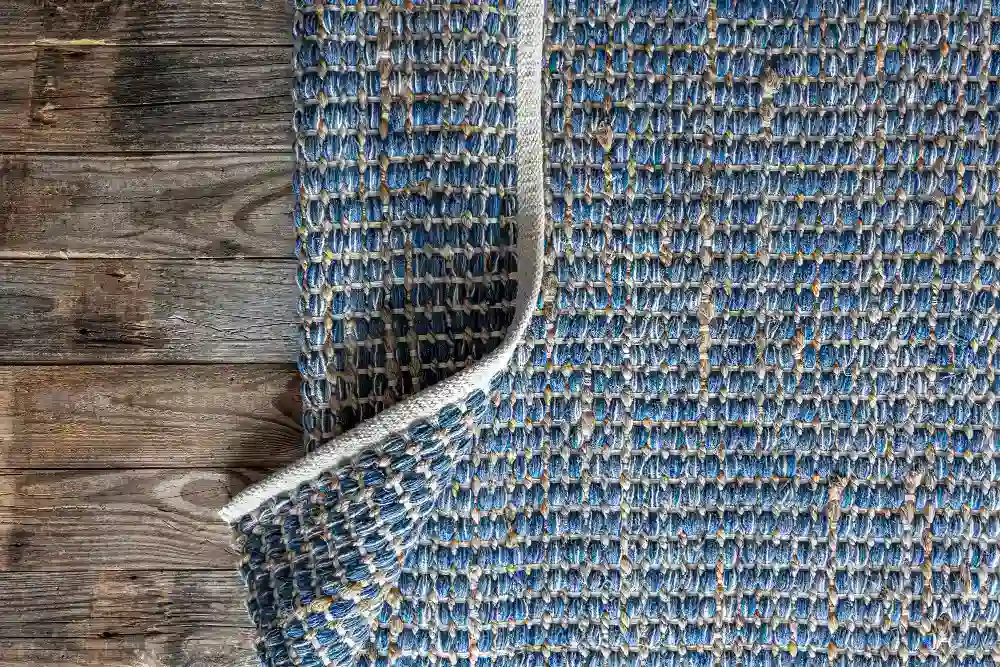
Polypropylene is the most popular material for outdoor rugs.
-
Highly water-resistant
-
Quick-drying
-
Resistant to mold and mildew
-
Durable and affordable
Polypropylene fibers do not absorb water easily. Instead, water passes through or evaporates quickly. This makes them ideal for rainy climates or uncovered patios.
Polyester Rugs
Polyester is another common synthetic material.
-
Good resistance to water
-
Fade-resistant in sunlight
-
Soft and comfortable
While polyester can handle moisture, it may take slightly longer to dry compared to polypropylene.
Natural Fiber Rugs
Natural fiber rugs such as jute, sisal, and bamboo are generally not waterproof.
-
Eco-friendly and stylish
-
Absorb moisture easily
-
Prone to mold and mildew
These rugs are best suited for covered patios or indoor use rather than open outdoor spaces.
How Do Outdoor Rugs Handle Rain?
Most synthetic outdoor rugs are designed to handle light to moderate rain. Water typically drains through the woven fibers instead of pooling on the surface.
However, heavy rain can still cause problems if:
-
The rug sits on a non-draining surface like concrete.
-
Water gets trapped underneath.
-
The rug remains wet for several days.
To prevent damage, lift the rug occasionally and allow it to dry fully after heavy rainfall.
Can Outdoor Rugs Develop Mold or Mildew?
Even water-resistant materials can experience mold growth if moisture gets trapped underneath the rug. Mold thrives in warm and humid environments.Yes, outdoor rugs can develop mold or mildew if they remain damp for extended periods. Even though many outdoor rugs are made from water-resistant synthetic materials, constant exposure to moisture—especially in humid or shaded areas—can create the perfect environment for mold growth.
To prevent mold and mildew, it’s important to let the rug dry completely after rain or cleaning. Placing it in a well-ventilated area, lifting it occasionally to allow airflow underneath, and cleaning it regularly can significantly reduce the risk of fungal buildup and unpleasant odors.
How to Prevent Mold Growth
-
Allow the rug to dry completely after rain.
-
Place it in a well-ventilated area.
-
Use a breathable outdoor rug pad.
-
Clean it regularly to remove dirt and debris.
Synthetic rugs are usually treated to resist mold, but proper maintenance is still important.
Are Outdoor Rugs Suitable for Pool Areas?
Yes, many outdoor rugs are suitable for poolside areas—especially those made from polypropylene.
A good poolside rug should:
-
Repel water
-
Dry quickly
-
Resist chlorine damage
-
Provide slip resistance
Avoid natural fiber rugs near pools, as they absorb water and may deteriorate quickly.
How to Tell if an Outdoor Rug Is Waterproof
When shopping for an outdoor rug, consider these factors:
Check the Product Label
Look for terms such as:
-
Waterproof
-
Water-resistant
-
Mold-resistant
-
Quick-drying
Manufacturers typically specify the rug’s water performance.
Examine the Material
Synthetic fibers like polypropylene offer the best water resistance.
Read Customer Reviews
Customer feedback can give you real-life insights into how the rug performs in rainy conditions.
Do Outdoor Rugs Protect Your Flooring?

Outdoor rugs can effectively protect decks, tiles, and concrete surfaces from scratches, scuffs, and everyday wear caused by furniture and foot traffic. They act as a protective layer between heavy outdoor furniture and the flooring, helping to extend the life of your surface. However, if moisture becomes trapped underneath the rug—especially after rain or frequent washing.
To prevent these issues, it is highly recommended to use a breathable outdoor rug pad. A quality rug pad improves airflow between the rug and the surface, allowing water to evaporate more quickly. This reduces the risk of moisture buildup, protects your flooring, and helps maintain both the rug and the surface underneath in good condition.
Are Outdoor Rugs UV-Resistant?
In addition to water resistance, many outdoor rugs are also UV-resistant.
Sunlight can cause fading over time, especially in bright, sunny climates. Synthetic materials like polypropylene and polyester are usually treated to resist UV damage.
If your rug will be placed in direct sunlight for long hours, choose one specifically labeled as UV-protected.
How to Maintain an Outdoor Rug
Proper care can significantly extend the life of your outdoor rug.
Regular Cleaning
-
Vacuum or shake out dirt weekly.
-
Rinse with a garden hose.
-
Use mild soap for deep cleaning.
-
Allow it to dry completely before placing it back.
Seasonal Storage
If you live in an area with heavy rain or snow:
-
Roll up the rug during extreme weather.
-
Store it in a dry area.
-
Avoid folding to prevent creases.
Maintenance is key to preventing water damage and mold growth.
When Should You Avoid Using an Outdoor Rug?
There are certain conditions where an outdoor rug may not perform well, no matter how durable or water-resistant it is. For example, areas with constant standing water can cause continuous moisture exposure, preventing the rug from drying properly. Flood-prone spaces create even bigger problems, as repeated soaking can weaken the fibers and increase the risk of mold and mildew growth.
Similarly, extremely humid environments with poor ventilation can trap moisture within the rug and underneath it, leading to unpleasant odors and long-term damage. In such situations, even high-quality water-resistant rugs may struggle to stay dry and maintain their durability over time. Proper drainage, airflow, and occasional lifting of the rug are essential to reduce these risks.
Final Verdict: Are Outdoor Rugs Waterproof?
Most outdoor rugs are water-resistant rather than fully waterproof. They are built to handle moisture, rain, and humidity, but they may not completely block water penetration.
For the best performance:
-
Choose polypropylene material.
-
Ensure proper drainage underneath.
-
Maintain and clean the rug regularly.
With the right selection and care, an outdoor rug can last for years while enhancing the beauty and comfort of your outdoor space.
Conclusion
Outdoor rugs are a smart investment for anyone looking to upgrade their patio, balcony, or garden area. While not all of them are completely waterproof, many are designed to resist water and dry quickly.
Understanding the materials, maintenance requirements, and environmental factors will help you make the right decision. By choosing a high-quality water-resistant rug and caring for it properly, you can enjoy style, comfort, and durability in your outdoor space without worrying about rain or moisture damage.
Read more about us on New Home Essentials.
FAQS
1. Are outdoor rugs completely waterproof?
Most outdoor rugs are water-resistant rather than completely waterproof. They are designed to handle rain and moisture, but prolonged exposure to water may allow some moisture to pass through.
2. What is the best material for a waterproof outdoor rug?
Polypropylene is considered the best material for water-resistant outdoor rugs because it repels moisture, dries quickly, and resists mold and mildew.
3. Can outdoor rugs stay outside in the rain?
Yes, most synthetic outdoor rugs can stay outside in light to moderate rain. However, it’s important to let them dry completely after heavy rainfall to prevent mold growth.
4. Do outdoor rugs get moldy?
Outdoor rugs can develop mold if they remain wet for long periods, especially in humid conditions. Choosing mold-resistant materials and ensuring proper airflow can help prevent this issue.
5. Are outdoor rugs safe for wooden decks?
Yes, outdoor rugs can protect wooden decks from scratches and wear. However, using a breathable rug pad is recommended to prevent moisture from getting trapped underneath and damaging the wood.