
Choosing the right tile is one of the most important decisions when starting a DIY tiling project. If you’re a beginner, the type of tile you select can make the difference between a smooth installation and a frustrating experience. Some tiles are easier to cut, place, and maintain, while others require advanced tools and professional skills. In this guide, we’ll explore the best tile types for beginners and help you decide which option is best for your project.
Table of Contents
ToggleCeramic Tiles, The Most Beginner-Friendly Option
Ceramic tiles are widely considered the best choice for beginners. They are affordable, easy to cut, and available in many sizes, colors, and designs. Ceramic tiles are made from natural clay and baked in a kiln, making them durable but not too hard to work with.
Why ceramic tiles are great for beginners:
-
Easy to cut with a manual tile cutter
-
Lightweight and simple to handle
-
Budget-friendly
-
Available in glossy and matte finishes
-
Suitable for walls and light-traffic floors
Ceramic tiles are perfect for small DIY projects like bathroom walls, kitchen backsplashes, or laundry rooms. Since they are softer than porcelain, they don’t require heavy-duty tools.
If you are tiling for the first time, ceramic tiles give you room for small mistakes and are easier to adjust during installation.
For more details about ceramic tiles, you can visit New Home Essentials.
Porcelain Tiles, Durable but Slightly Challenging
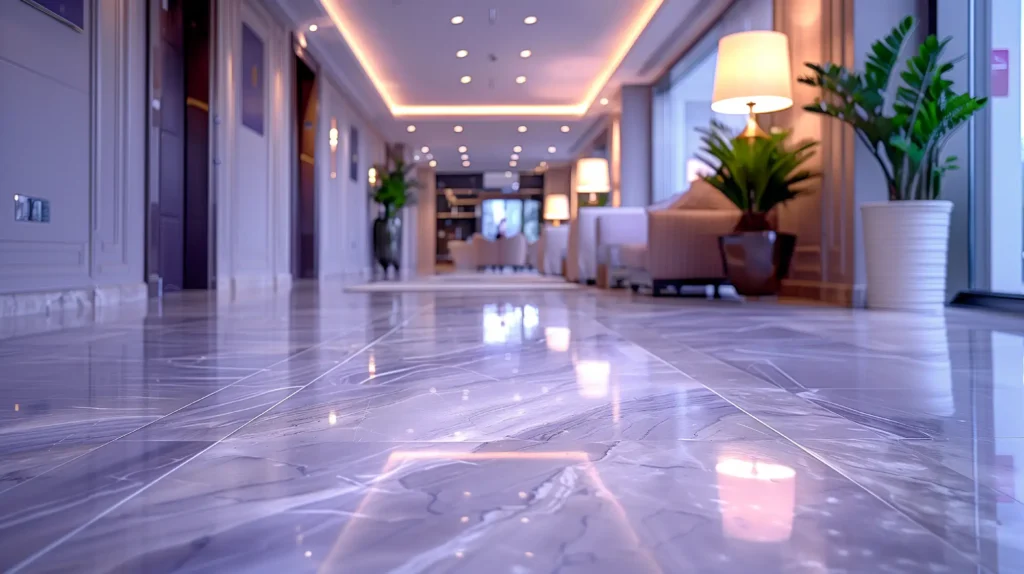
Porcelain tiles are similar to ceramic tiles but are denser and more durable. They are made from refined clay and fired at higher temperatures, which makes them more water-resistant and stronger.
While porcelain is a great flooring option, it can be slightly more challenging for beginners because:
-
It is harder and heavier
-
Requires a stronger tile cutter or wet saw
-
Cutting mistakes are more difficult to fix
However, if you are working on a floor project and want long-lasting results, porcelain tiles are a good investment. For beginners, it’s recommended to start with smaller porcelain tiles, as large-format tiles can be harder to align properly.
Peel-and-Stick Tiles, Easiest for DIY Starters
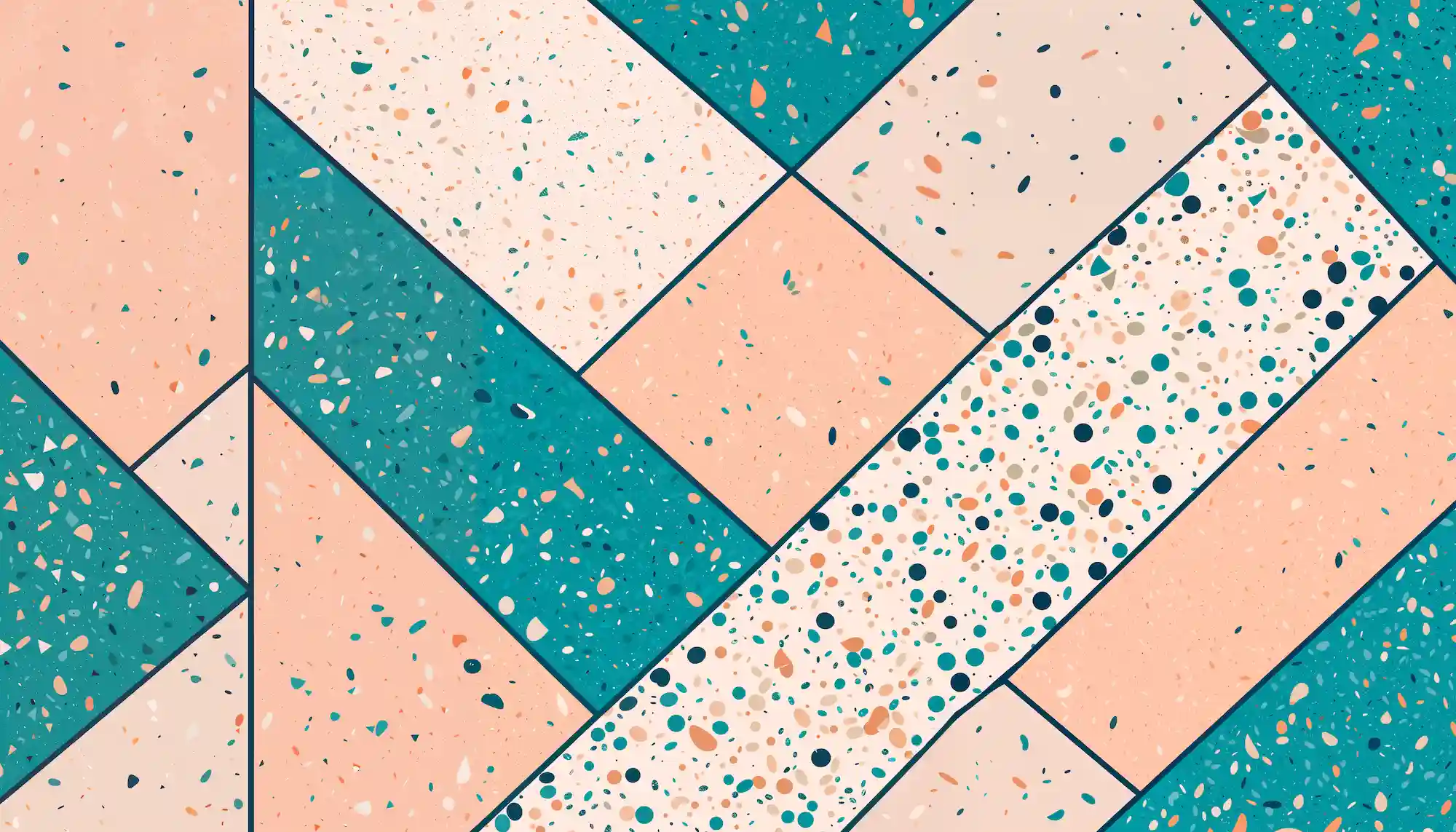
If you want the simplest option with no mortar or grout, peel-and-stick tiles are ideal. These tiles come with adhesive backing, so you simply peel off the protective layer and stick them to the surface.
They are perfect for:
-
Kitchen backsplashes
-
Rental homes
-
Quick home upgrades
-
Decorative wall projects
Peel-and-stick tiles don’t require professional tools or special skills. However, they may not be as durable as traditional tiles and are better suited for walls rather than floors.
For absolute beginners who feel nervous about mixing mortar or applying grout, this is the easiest way to start.
Vinyl Tiles, Affordable and Flexible
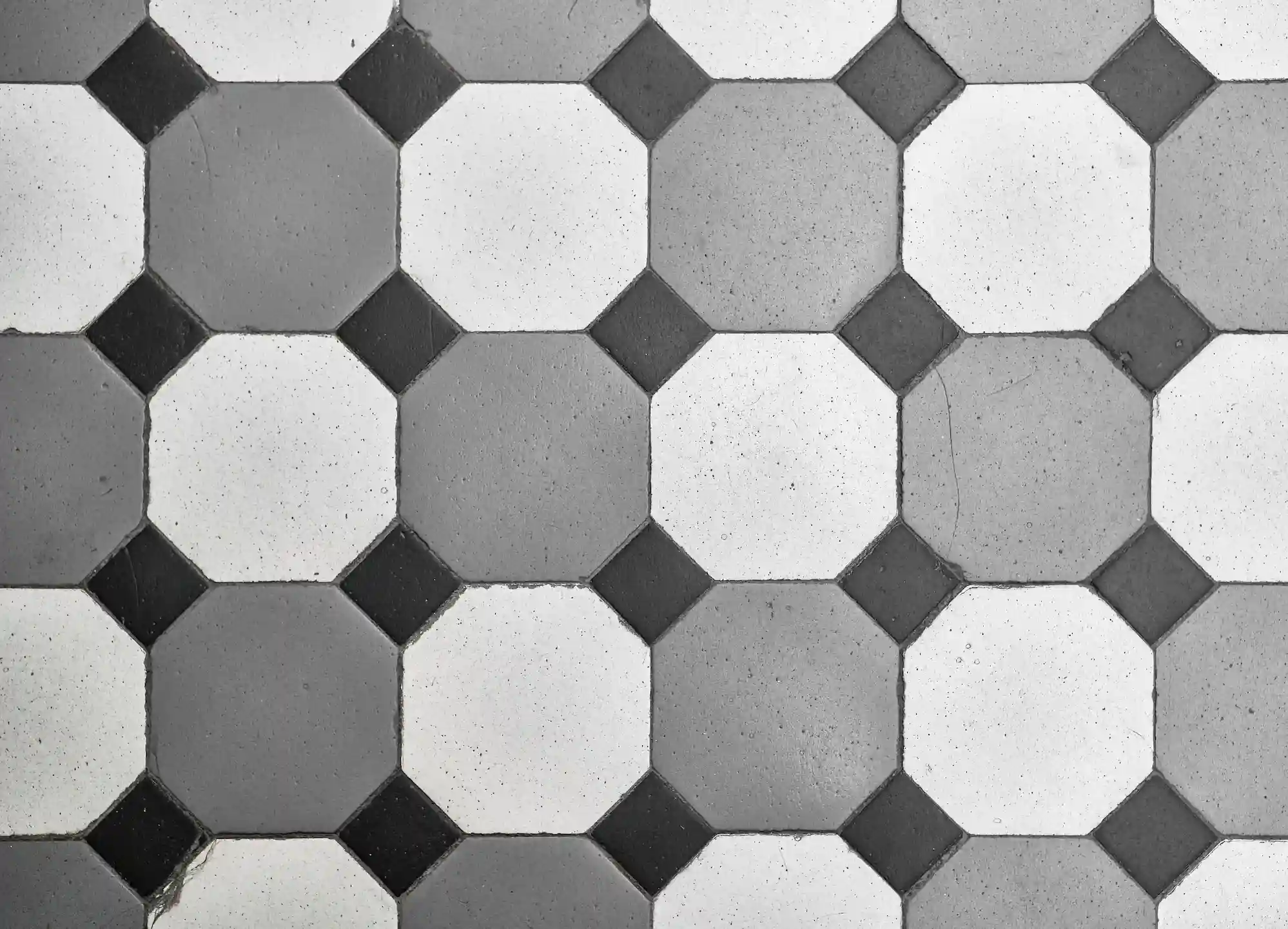
Vinyl tiles are another beginner-friendly option. They are soft, flexible, and easy to cut with a utility knife. Vinyl tiles are often used for temporary or budget-friendly flooring solutions.
Benefits of vinyl tiles:
-
Water-resistant
-
Comfortable underfoot
-
Easy installation
-
Low cost
-
No heavy tools required
They are a great choice for kitchens, bathrooms, and small rooms. While they don’t offer the same durability as ceramic or porcelain, they are forgiving during installation and perfect for first-time DIYers.
Mosaic Tiles, Good for Small Decorative Areas
Mosaic tiles come in small pieces attached to mesh sheets. These sheets make installation easier because they allow you to place multiple tiles at once. They are commonly used for backsplashes and shower accents.
For beginners, mosaic tiles are helpful because:
-
They come pre-aligned on sheets
-
Easy to fit into small spaces
-
Great for creative designs
However, grouting mosaic tiles can take extra time because of the many grout lines. If you’re patient and working on a small space, mosaic tiles can be a fun and manageable project.
Large Format Tiles, Not Ideal for Beginners
Large format tiles look modern and stylish, but they are not the best option for beginners. They require:
-
Perfectly level surfaces
-
Strong adhesive
-
Careful alignment
-
Specialized tools
Handling large tiles can be tricky, especially if you’re working alone. For your first project, it’s better to choose standard-sized tiles (12×12 inches or smaller).
Natural Stone Tiles, Best Left for Later
Natural stone tiles like marble, granite, and slate offer luxury and beauty, but they are not beginner-friendly. These tiles are heavy, expensive, and require sealing. Cutting natural stone also demands professional tools and skills.
If you’re just starting, avoid natural stone until you gain more experience.
Read our complete guide on new home essentials.
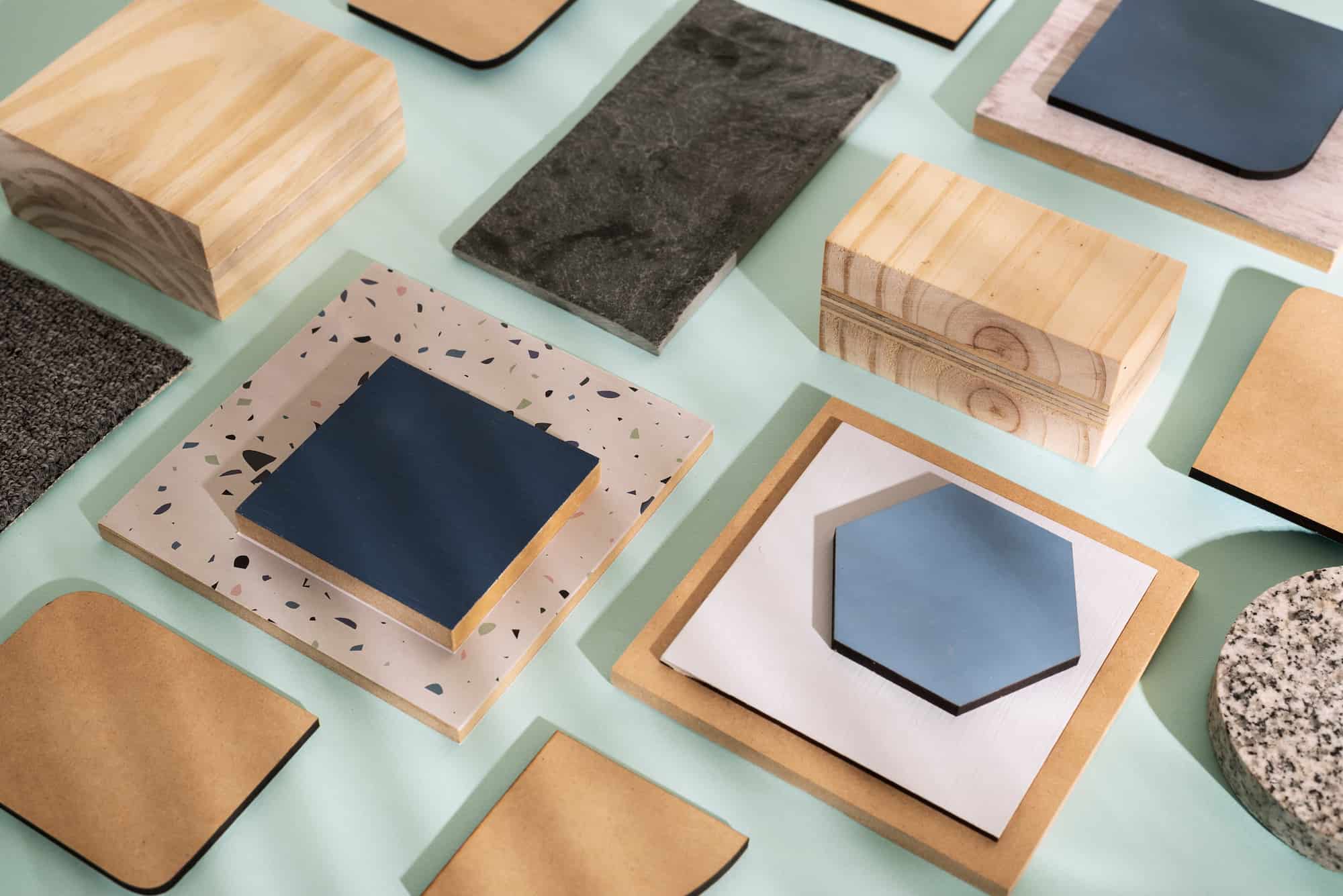
Best Tile Size for Beginners
Tile size also matters. Smaller and medium-sized tiles are easier to install compared to very large ones.
Recommended sizes for beginners:
-
12×12 inches
-
8×8 inches
-
Standard subway tiles (3×6 inches)
These sizes are manageable, easier to align, and don’t require advanced leveling systems.
Best Tile Finish for Beginners
For your first project, matte or textured finishes are better than high-gloss tiles. Glossy tiles show adhesive marks, scratches, and uneven grout lines more clearly. Matte finishes hiding minor mistakes and looks more natural.
Tips for Choosing the Right Tile as a Beginner
-
Start small – Choose a small room or wall area.
-
Select easy materials – Ceramic or vinyl are the safest options.
-
Avoid complex patterns – Straight layouts are easier.
-
Buy extra tiles – Always purchase 10% extra for mistakes and cuts.
-
Use proper tools – Even beginner-friendly tiles require basic tools like spacers and a level.
Final Recommendation
If you’re new to tiling, ceramic tiles are the best overall choice. They balance affordability, ease of installation, and durability. For an even simpler project, peel-and-stick or vinyl tiles are excellent starter options.
As you gain confidence and experience, you can move on to porcelain or natural stone tiles for more advanced projects.
Starting with the right tile type will help you build skills, avoid frustration, and achieve professional-looking results. Remember, every expert was once a beginner. Choose wisely, work patiently, and your DIY tiling project will be a success.
FAQS
1. What is the best type of tile for beginners?
Ceramic tiles are usually the best choice for beginners because they are easy to cut, affordable, and simple to install.
2. Are ceramic tiles better than porcelain for beginners?
Yes. Ceramic tiles are softer and easier to cut compared to porcelain, making them more beginner-friendly.
3. Are peel-and-stick tiles good for beginners?
Yes, peel-and-stick tiles are ideal for beginners because they don’t require mortar or grout, making installation quick and simple.
4. What is the easiest tile to cut for DIY projects?
Ceramic tiles are the easiest to cut using a basic manual tile cutter.
5. Which tiles require the least maintenance?
Glazed ceramic tiles require minimal maintenance because they resist stains and moisture.
6. Are large-format tiles good for beginners?
Large-format tiles can be tricky to align properly, so beginners may find medium-sized tiles easier to manage.
7. Can beginners install floor tiles themselves?
Yes, beginners can install floor tiles with proper tools, preparation, and guidance. Starting with a small area is recommended.
8. What finish should beginners choose?
Matte finish tiles are often better for beginners because they hide minor installation imperfections and are less slippery.
9. Are natural stone tiles suitable for beginners?
Natural stone tiles are generally not recommended for beginners because they require sealing and careful installation.