

Energy-efficient appliances are no longer a luxury—they are a smart investment for homeowners who want to reduce electricity bills and minimize environmental impact. With rising energy costs and increasing awareness about sustainability, more consumers are searching for eco-friendly appliances that combine performance with lower power consumption.
An energy-efficient appliance website focuses on educating buyers, comparing products, and guiding them toward smarter purchasing decisions. Whether it’s refrigerators, air conditioners, washing machines, or water heaters, people want appliances that save money over time while being environmentally responsible.
Why Energy-Efficient Appliances Matter
Traditional appliances consume significant amounts of electricity, which increases both monthly bills and carbon emissions. Energy-efficient appliances are designed to perform the same tasks using less power, water, or fuel.
Programs like Energy Star help consumers identify products that meet strict efficiency standards. Appliances with such certifications often use 10–50% less energy than standard models.
Switching to energy-efficient appliances can:
-
Lower electricity bills
-
Reduce greenhouse gas emissions
-
Increase home value
-
Qualify for rebates or incentives
-
Improve long-term savings
For SEO websites, this topic attracts high-intent visitors who are ready to compare, buy, or upgrade appliances.
Best Categories for an Eco Appliance Website
To build a successful energy-efficient appliance website, focus on high-demand categories:
1. Energy-Efficient Refrigerators
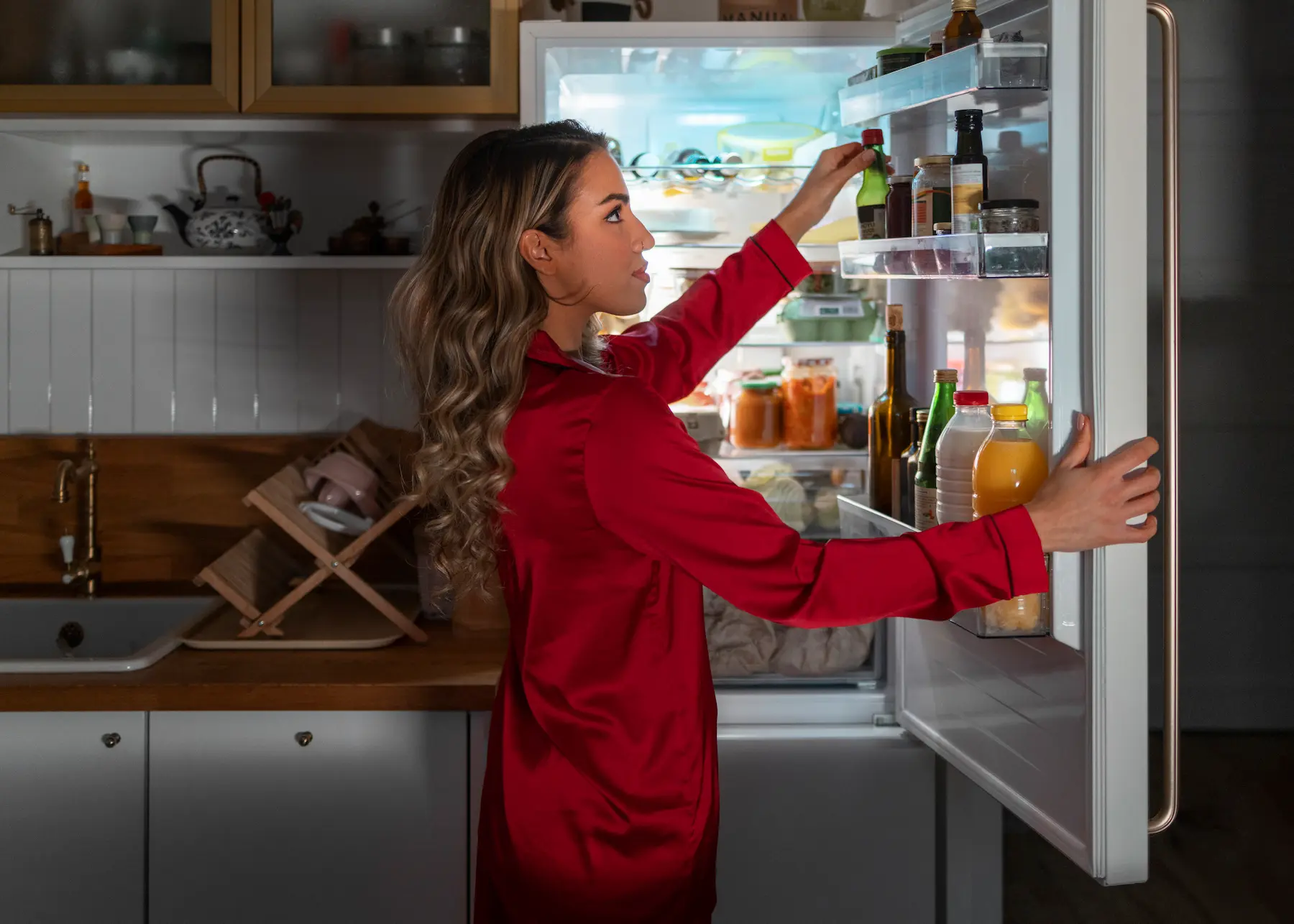
Modern inverter refrigerators from brands like Samsung and LG use advanced compressors that adjust cooling based on usage. This reduces power consumption significantly compared to traditional models.
Popular SEO topics:
-
Best energy-efficient refrigerator for small homes
-
Inverter vs conventional refrigerator
-
Top Energy Star rated fridges
2. Inverter Air Conditioners
Cooling systems consume a large portion of household electricity. Inverter ACs regulate compressor speed instead of turning on and off repeatedly, saving energy and maintaining stable temperatures.
High-ranking keyword ideas:
-
Best inverter AC for low electricity consumption
-
5-star AC vs 3-star AC comparison
-
How much electricity does an inverter AC use?
3. Front-Load Washing Machines
Front-load washers generally use less water and energy than top-load machines. Many models now include eco-wash modes that optimize power usage.
SEO content angles:
-
Most energy-efficient washing machine 2026
-
Front load vs top load electricity comparison
-
Best washing machine for low water usage
4. Solar Water Heaters
Solar-powered systems reduce dependency on electricity or gas. These systems use renewable energy, making them a top choice for eco-conscious homeowners.
Content ideas:
-
Solar water heater cost and savings
-
Is solar water heating worth it?
-
Government rebates for solar appliances
SEO Strategy for an Energy-Efficient Appliance Website
If you’re building this as a niche website, here’s a practical structure:
1. Focus on Buyer-Intent Keywords
Target phrases like:
-
“Best energy-efficient refrigerator under $1000”
-
“Top eco-friendly appliances for apartments”
-
“Low electricity consumption washing machine”
These keywords attract users ready to make purchasing decisions.
2. Create Comparison Articles
Comparison content ranks well and converts strongly. Examples:
-
Samsung vs LG energy-efficient refrigerator
-
Inverter AC vs normal AC electricity usage
-
Energy Star vs non-certified appliances

3. Publish Cost-Saving Calculations
Users love practical numbers. Create articles that calculate:
-
Annual electricity savings
-
Return on investment (ROI)
-
Payback period for eco appliances
This builds trust and increases engagement.
How Energy Efficiency Impacts Long-Term Savings
While energy-efficient appliances may cost slightly more upfront, they reduce operational expenses over time. For example, a high-efficiency refrigerator can save hundreds of dollars in electricity over its lifespan.
Key long-term benefits include:
-
Reduced maintenance costs
-
Longer appliance lifespan
-
Lower environmental footprint
-
Increased resale value of home
When creating SEO content, include charts, energy comparison tables, and real-world examples to enhance authority.
For more information about Home Appliances
Monetization Opportunities
An eco appliance website offers multiple monetization options:
-
Affiliate marketing through online retailers
-
Sponsored product reviews
-
Display ads
-
Lead generation for solar installers
-
Partnerships with local appliance stores
Because energy-efficient appliances are high-ticket products, commissions can be substantial.
Final Thoughts
An energy-efficient / eco appliance website is a powerful niche with long-term growth potential. As electricity prices continue to rise and environmental awareness increases, consumers are actively searching for smarter, greener solutions.
By focusing on certified products, real savings data, and detailed comparisons, you can build authority, rank for valuable keywords, and generate consistent income.
Energy efficiency is not just a trend—it’s the future of home appliances.
To read more visit New Home Essentials
FAQS
1. What are energy-efficient appliances?
Energy-efficient appliances are devices designed to use less electricity, water, or gas while delivering the same or better performance than standard models. Products certified by programs like Energy Star meet strict energy-saving guidelines and help reduce utility bills.
2. Do energy-efficient appliances really save money?
Yes. Although they may cost more upfront, energy-efficient appliances reduce monthly electricity and water bills. Over time, the savings often outweigh the initial investment, making them more cost-effective in the long run.
3. What is the difference between inverter and non-inverter appliances?
Inverter appliances adjust their power usage based on demand, rather than constantly turning on and off. For example, inverter air conditioners and refrigerators consume less energy and maintain consistent performance compared to traditional models.
4. How can I identify an eco-friendly appliance?
Look for energy ratings, efficiency certifications, and eco-modes. Labels like Energy Star, high star ratings, and inverter technology indicators help you identify appliances that consume less power.
5. Are energy-efficient appliances better for the environment?
Yes. These appliances reduce electricity consumption, which lowers carbon emissions from power plants. Using eco-friendly appliances helps conserve natural resources and supports sustainable living.
6. Which home appliances consume the most electricity?
Typically, air conditioners, refrigerators, water heaters, and washing machines use the most electricity in a home. Choosing energy-efficient models in these categories can significantly reduce overall power consumption.