
Wall Art Ideas for Every Room in Your Home
A blank wall is one of the most powerful design opportunities in your home — and one of the most commonly wasted. The right wall art ideas don’t just fill empty space; they establish atmosphere, anchor furniture arrangements, and tell visitors something true about the people who live there. This guide covers the most effective wall decor ideas room by room, so every surface in your home works as hard as the furniture beneath it.
Why Wall Art Is the Last Decision That Shapes Every Room
Most homeowners buy furniture first, then paint, then scramble for wall decor as an afterthought. That sequence produces walls that feel patched together rather than intentional. The rooms that stop people in their tracks are designed the other way around: the art sets the emotional register, and everything else supports it.
Wall art ideas work best when they serve a clear function — visual anchoring, scale correction, mood setting, or focal-point creation. Before selecting a single piece, understand what job that wall needs to do.
Living Room: Command the Space with Scale
The living room carries the highest visual pressure of any room in the home. It is where first impressions form and where your design choices get the most scrutiny.
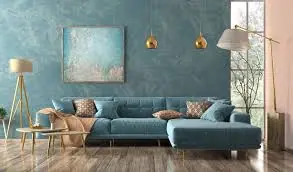
For most living rooms, the defining wall is the one behind or above the sofa. Wall decor ideas for this space fall into two high-impact categories: a single oversized canvas that creates an immediate focal point, or a curated gallery wall that rewards sustained attention. Large-scale botanical prints, abstract landscapes, and bold monochromatic canvases are dominating living rooms right now — and for good reason. They communicate confidence and fill the proportional demand of large furniture without competing with it.
The 2/3 rule applies here without exception: your art or arrangement should span approximately two-thirds of the sofa’s width. A 90-inch sofa calls for art in the 55–65 inch range. Go narrower and the wall looks unfinished. Go wider and the room feels crowded at the top.
For a deeper breakdown of living room-specific choices, explore our living room wall decor ideas guide.
Bedroom: Earn the Calm
Bedrooms are the most intimate rooms in the home, and home wall decor here should prioritize atmosphere over statement. The goal is not drama — it is a sense of arrival and rest.
Above the bed is the dominant placement point. A large horizontal canvas, a pair of vertical prints flanking the headboard, or a minimal textile hanging all work well. The key is restraint in subject matter: abstract forms, soft landscapes, botanical studies, and texture-forward pieces perform better than high-contrast imagery or busy compositions.
Color plays an outsized role in bedroom wall art. Cool tones — muted blues, sage greens, warm whites, and dusty terracottas — reinforce the psychological cues your space is already sending. Bold, saturated pieces belong elsewhere unless your bedroom is designed to energize rather than restore.
Kitchen and Dining Room: Function Meets Character
The kitchen is the room where most homeowners underinvest in wall art — and where a single strong piece can have disproportionate impact precisely because the bar is so low.
Decorating walls in a kitchen requires practicality first: avoid paper-backed prints near cooking zones and prioritize canvas, metal, ceramic, or sealed frames. Beyond material choices, the kitchen rewards wit, warmth, and personality. Food-themed prints, botanical herb illustrations, vintage culinary maps, and typographic pieces with meaning all work. The dining room, by contrast, benefits from something more considered — an anchor piece above a sideboard or a curated arrangement that holds the eye during meals.
Lean into contrast here. If your kitchen cabinetry is neutral, introduce color through art. If your cabinetry is bold, keep art restrained.
Entryway and Hallway: The Overlooked First Impression
The entryway is the first and last thing people see in your home — and most homeowners treat it like a corridor rather than a design opportunity. A single strong piece of wall art in an entryway sets the entire emotional tone of the home before anyone reaches the living room.
Vertical formats work best in narrow hallways because they extend the eye upward and make low ceilings feel taller. A large-format portrait, a vertical abstract, or a full-length mirror with an art-forward frame are all strong choices. For longer hallways, a linear arrangement of identically framed prints creates continuity without monotony.
Wall art for home entries should also be practical: avoid highly fragile works near high-traffic zones and choose pieces that can handle the temperature and light fluctuations near exterior doors.
Home Office: Design for Focus and the Frame Behind You
The home office wall has gained new significance as video calls turned your background into part of your professional presentation. Wall decor ideas for offices serve a dual audience now: you during working hours, and everyone on the other side of the screen.
Choose pieces that communicate clarity and intention. Geometric prints, framed architectural drawings, world maps, and curated black-and-white photography all convey competence without distraction. Avoid busy gallery walls behind your desk — they compete with your face on camera and feel cluttered in screenshots.
The wall in your line of sight while working is equally important. Art that you find genuinely engaging — something with complexity that rewards repeated viewing — is preferable to decorative filler.
Bathroom: The Unexpected Canvas
Bathrooms are the rooms where design risk pays the highest dividends. Because they are small and transient, a single bold or surprising piece of wall art creates outsized impact.
Material constraints matter: humidity-resistant framing, canvas prints, or metal art should be prioritized in steam-prone zones. Subject matter, however, can be anything — and this is where personality can take full expression. A framed vintage map, an unexpected abstract in a jewel tone, or a small cluster of botanical prints all transform a utilitarian space into a room with point of view.
Children’s Rooms: Invest in Adaptability
Children’s rooms are often over-themed and under-considered. The most durable approach to wall art ideas for kids’ spaces is to invest in art that grows with the child: illustrated maps, alphabet-free abstract prints, and nature-themed pieces remain relevant far longer than character-based decor.
Consider framing flexibility as an active design decision. Ledge-style picture rails allow art to be swapped without repainting or patching — a significant advantage as children’s tastes evolve rapidly.
The Through-Line: Cohesion Across Every Room
The homes that feel most considered aren’t decorated room by room in isolation — they use wall decor ideas that carry through in consistent color temperature, scale logic, and subject matter sensibility. This doesn’t mean every room matches. It means every room belongs to the same world.
Start with a dominant palette that appears in at least two art pieces per room. Repeat that palette across rooms in varying proportions. Let scale vary to suit each space’s function — large and commanding in social rooms, smaller and personal in private ones.
For help matching your art choices to your existing interior style, read our guide on how to choose wall decor that fits your interior style. To understand how current design movements should inform your selections, see our breakdown of wall decor trends shaping homes this year. And when you’re ready to hang, our how to arrange wall art guide will take you through every layout decision with precision.
Your walls are not background. Treat them like the design layer they are.