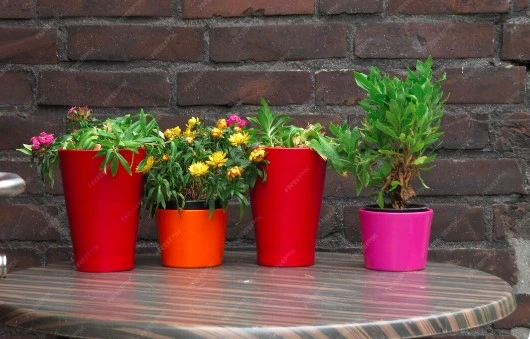

Plastic pots are one of the most popular and versatile options for indoor and outdoor gardening. Whether you are growing flowers, herbs, vegetables, or decorative plants, plastic plant pots offer affordability, durability, and convenience. Their lightweight design and wide availability make them a preferred choice for both beginner and professional gardeners.
In this guide, we will explore the benefits, types, uses, and buying tips for plastic pots to help you choose the best option for your gardening needs.
Why Plastic Pots Are a Popular Choice
Plastic pots have become a staple in gardening due to their practical advantages. Compared to clay, ceramic, or concrete planters, they provide flexibility and ease of use.
Lightweight and Easy to Move
One of the biggest advantages of plastic pots is their lightweight structure. Unlike heavy ceramic or cement pots, plastic planters can be easily moved around your home, balcony, or garden. This makes them ideal for renters, balcony gardeners, or anyone who frequently rearranges plants.
Affordable and Budget-Friendly
Plastic plant pots are cost-effective, making them perfect for large gardening projects or commercial nurseries. If you are planting multiple flowers, herbs, or vegetables, plastic pots help you stay within budget without compromising functionality.
Durable and Weather-Resistant
High-quality plastic garden pots are designed to withstand various weather conditions. They resist cracking, chipping, and breaking better than clay or ceramic pots. Many modern plastic planters are also UV-resistant, preventing fading and brittleness from sun exposure.
Better Moisture Retention
Plastic pots retain moisture longer than porous materials like terracotta. This feature benefits plants that require consistent soil moisture. It also reduces the frequency of watering, making maintenance easier.
Types of Plastic Pots for Plants
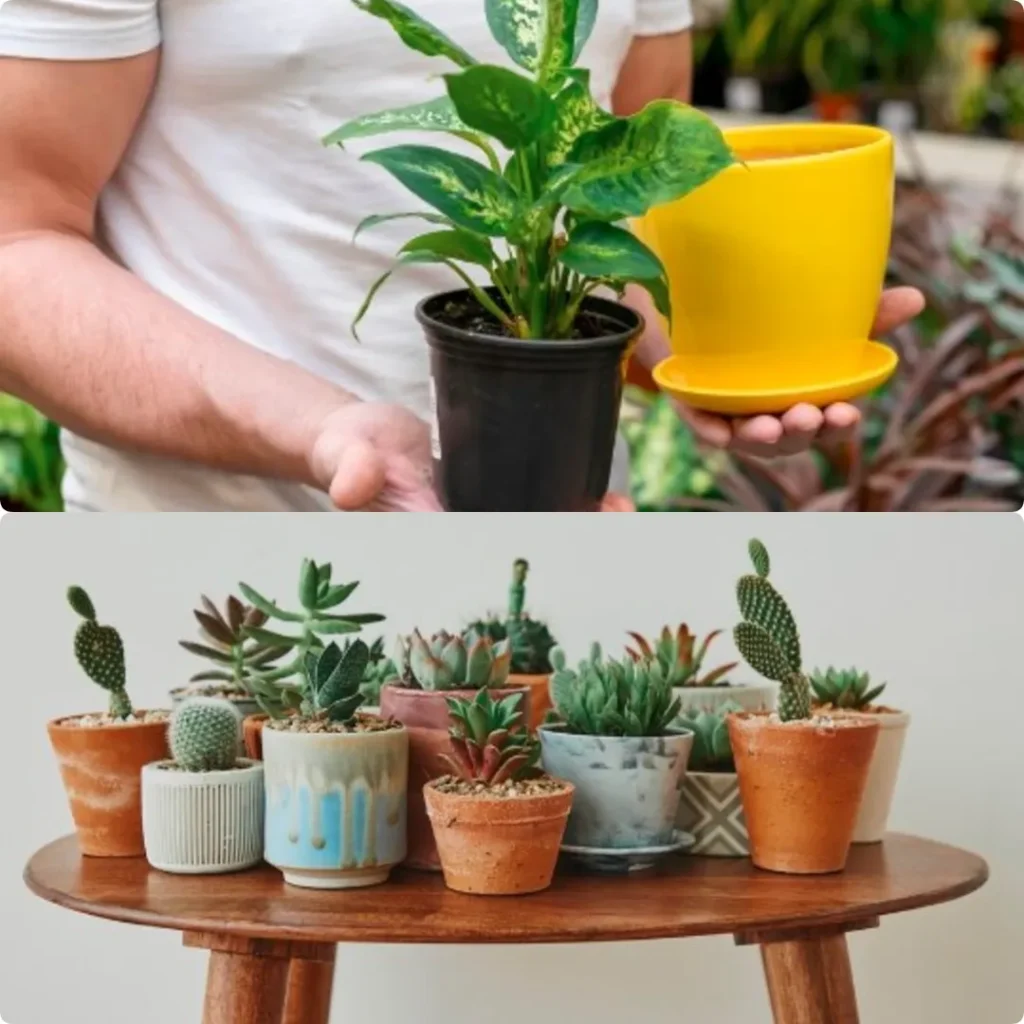
Plastic pots come in a wide range of designs, sizes, and styles. Understanding the different types helps you select the right planter for your specific plant.
Standard Nursery Pots
These are the basic black plastic pots commonly used for plant propagation and nursery plants. They are lightweight, functional, and usually have multiple drainage holes.
Decorative Plastic Planters
Decorative plastic pots are designed for indoor décor. They come in various colors, textures, and finishes that mimic ceramic or stone. These pots combine style with practicality.
Hanging Plastic Pots
Hanging plastic planters are ideal for trailing plants such as pothos, ivy, or petunias. They are lightweight enough to suspend safely on balconies, patios, or ceilings.
Self-Watering Plastic Pots
Self-watering plastic pots feature a built-in reservoir system that supplies water gradually to the plant roots. These are excellent for busy individuals who may forget regular watering.
Large Outdoor Plastic Planters
Large plastic garden pots are perfect for patios, entryways, and outdoor landscapes. They are durable yet much lighter than concrete alternatives.
Best Uses for Plastic Pots
Plastic pots are suitable for a variety of gardening applications. Their versatility makes them ideal for:
-
Indoor houseplants
-
Balcony gardens
-
Herb planters
-
Vegetable seedlings
-
Flower beds
-
Commercial nurseries
-
Temporary plant arrangements
Because they are easy to clean and reuse, plastic plant pots are also a practical choice for seasonal gardening.
Plastic Pots vs. Other Materials
When comparing plastic pots to other planter materials, each has unique advantages. However, plastic often stands out for convenience.
-
Compared to clay pots: Plastic retains more moisture and is less likely to crack.
-
Compared to ceramic pots: Plastic is lighter and more affordable.
-
Compared to concrete pots: Plastic is easier to move and manage.
While clay pots provide better airflow to roots, plastic pots offer better water retention and portability.
How to Choose the Right Plastic Pot
Selecting the right plastic planter depends on your plant type and location.
Consider Drainage
Always choose plastic pots with proper drainage holes. Good drainage prevents waterlogging and root rot.
Select the Correct Size
The pot should be slightly larger than the plant’s root ball. Oversized pots can hold excess moisture, while undersized pots restrict growth.
Check UV Protection
For outdoor use, ensure the plastic pot is UV-resistant. This prevents fading and cracking due to prolonged sun exposure.
Choose Quality Over Thin Plastic
Thicker, high-quality plastic pots last longer and provide better insulation for plant roots.
Are Plastic Pots Eco-Friendly?
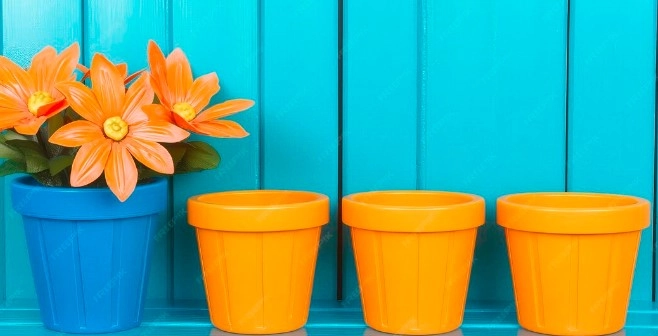
Although plastic is often associated with environmental concerns, many manufacturers now produce recycled plastic pots. Reusing plastic plant pots for multiple planting cycles reduces waste. Additionally, choosing durable plastic pots that last for years minimizes the need for frequent replacement.
For environmentally conscious gardeners, look for planters labeled as made from recycled materials.
Maintenance Tips for Plastic Pots
Maintaining plastic pots is simple:
-
Clean pots between plantings to prevent disease spread.
-
Avoid placing thin plastic pots in extreme heat.
-
Ensure drainage holes remain unclogged.
-
Store unused pots in shaded areas to extend lifespan.
Proper care can significantly increase the durability of plastic planters.
Conclusion
Plastic pots are a practical, affordable, and versatile solution for gardeners of all experience levels. Their lightweight design, moisture retention capabilities, and weather resistance make them suitable for both indoor and outdoor plants.
From nursery pots and decorative planters to self-watering and hanging options, plastic pots offer flexibility for every gardening style. Whether you are building a balcony garden, decorating your living room, or managing a commercial nursery, plastic plant pots remain one of the most reliable choices available.
If you are looking for durable, low-maintenance, and cost-effective plant containers, plastic pots are an excellent investment for your gardening needs.
Read more New Home Essentials
FAQS:
1. What are the benefits of using plastic pots for plants?
Plastic pots are lightweight, durable, affordable, and easy to move. They retain moisture better than clay pots, are resistant to weather changes, and come in a wide variety of sizes and designs suitable for indoor and outdoor gardening.
2. Are plastic pots good for indoor plants?
Yes! Plastic pots are ideal for indoor plants because they are lightweight, easy to clean, and available in decorative designs. They help retain soil moisture, making watering less frequent, which is perfect for houseplants.
3. Do plastic pots have proper drainage?
Many plastic pots come with pre-made drainage holes to prevent waterlogging. If your pot doesn’t have holes, you can easily drill some yourself to protect plant roots from rot.
4. Can plastic pots be used outdoors?
Absolutely! Outdoor plastic planters are durable, UV-resistant, and weatherproof. They are suitable for patios, balconies, gardens, and large decorative plants.
5. Are plastic pots eco-friendly?
Yes, many plastic pots are now made from recycled materials and can be reused multiple times, making them more environmentally friendly than single-use alternatives.