
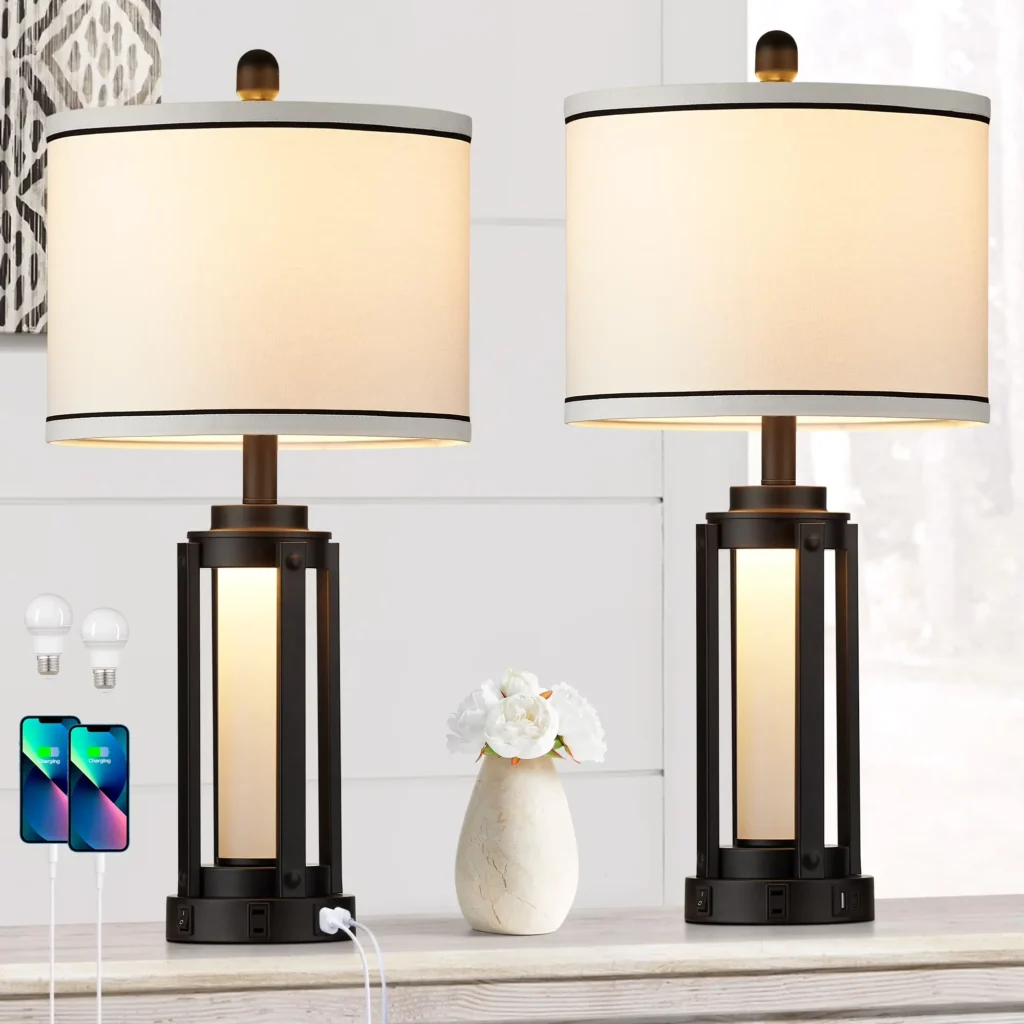

Lighting plays a powerful role in transforming a house into a warm and welcoming home. When decorating a new space, many homeowners find themselves confused between two popular lighting options: table lamps and floor lamps. Both serve functional and decorative purposes, but which one is right for your home?
In this complete guide by New Home Essentials, we’ll compare table lamps and floor lamps based on design, functionality, space requirements, cost, and style impact, helping you make the best decision for your space.
What Are Table Lamp
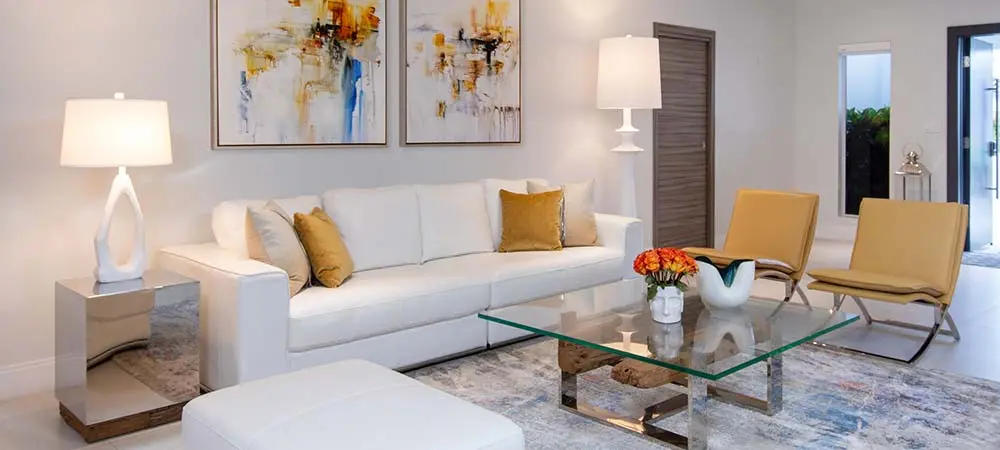
Table lamps are compact lighting fixtures designed to sit on surfaces such as bedside tables, desks, consoles, or side tables. They provide localized lighting and are ideal for focused tasks like reading, studying, or creating cozy ambiance.
Key Features of Table Lamps:
-
Compact and space-friendly
-
Decorative and stylish
-
Ideal for bedside or desk use
-
Easy to move and reposition
-
Available in various materials (ceramic, glass, metal, wood)
Best Places to Use Table Lamps:
-
Bedroom nightstands
-
Study desks
-
Living room side tables
-
Entryway consoles
If you’re styling a bedroom, pairing matching table lamps on both sides of the bed creates symmetry and elegance.
Related guide: Types of Lamps for Room in Home
What Are Floor Lamps?
Floor lamps are tall, freestanding lighting fixtures that stand directly on the floor. They are perfect for adding vertical lighting and enhancing the overall aesthetics of a room.
Key Features of Floor Lamps:
-
Tall and space-enhancing
-
Great for corners and empty spaces
-
Provide ambient or task lighting
-
No need for additional furniture support
-
Available in arc, tripod, torchiere, and minimalist designs
Best Places to Use Floor Lamps:
-
Living room corners
-
Beside sofas or armchairs
-
Reading nooks
-
Home offices
A well-placed floor lamp can instantly elevate a dull corner into a cozy reading area.
👉 Related guide: Living Room Lighting Ideas for New Homes
Table Lamps vs Floor Lamps: Side-by-Side Comparison
| Feature | Table Lamps | Floor Lamps |
|---|---|---|
| Space Requirement | Needs table or surface | Freestanding |
| Best For | Focused lighting | Ambient or task lighting |
| Portability | Easy to move | Moderate |
| Room Impact | Decorative accent | Statement piece |
| Height | Short | Tall |
| Ideal Rooms | Bedrooms, desks | Living rooms, corners |
1. Space & Room Size Consideration
If you live in a small apartment, table lamps may be more practical because they don’t take up floor space. However, if you have empty corners or large living areas, floor lamps help fill vertical space beautifully.
For compact bedrooms → Choose table lamps.
For spacious living rooms → Choose floor lamps.
2. Lighting Purpose
Ask yourself: What type of lighting do I need?
-
For reading or studying → Table lamps work best.
-
For soft ambient lighting → Floor lamps are ideal.
-
For layered lighting → Use both.
According to the U.S. Department of Energy, layered lighting (ambient + task + accent) improves both comfort and energy efficiency in homes.
You can learn more about lighting energy efficiency from Energy.gov .
3. Style & Aesthetic Impact
Table lamps often serve as decorative accents. They come in luxurious designs like crystal, ceramic, or fabric shades that complement furniture.
Floor lamps, on the other hand, act as statement pieces. Modern arc floor lamps or minimalist tripod styles instantly enhance contemporary interiors.
If your goal is:
-
Subtle decor enhancement → Table lamps
-
Bold design statement → Floor lamps
4. Budget Consideration
Generally:
-
Table lamps are more budget-friendly.
-
Floor lamps can be slightly more expensive due to size and structure.
However, pricing depends on material, brand, and technology (like smart lighting).
If you are furnishing a new home on a budget, starting with table lamps might be a smart choice.
5. Energy Efficiency
Both table and floor lamps can use LED bulbs, which are highly energy efficient. According to the International Energy Agency, LED lighting can reduce energy consumption by up to 75% compared to traditional bulbs.
Choose:
-
LED-compatible lamps
-
Dimmable options
-
Smart lighting features
This reduces electricity bills and increases bulb lifespan.
6. Can You Use Both Together?
Absolutely! In fact, interior designers recommend combining table lamps and floor lamps for balanced lighting.
Example setup:
-
Floor lamp in corner for ambient light
-
Table lamp beside sofa for reading
-
Bedside table lamps for symmetry
This layered approach adds depth and warmth to your new home.
When to Choose Table Lamps
Choose table lamps if:
✔ You have limited floor space
✔ You need bedside or desk lighting
✔ You prefer decorative accents
✔ You are on a tight budget
When to Choose Floor Lamps
Choose floor lamps if:
✔ You want to fill empty corners
✔ You need ambient lighting
✔ You want a bold statement piece
✔ You don’t have space for side tables
Final Verdict: Which One Should You Choose?
There is no one-size-fits-all answer. The right choice depends on:
-
Room size
-
Lighting purpose
-
Budget
-
Interior design style
If you want functional, compact lighting → Table Lamps
If you want dramatic, space-enhancing lighting → Floor Lamps
If you want perfect home lighting → Use both
For new homeowners, starting with one floor lamp for the living room and two table lamps for the bedroom creates a balanced lighting setup.
Conclusion
Choosing between table lamps and floor lamps doesn’t have to be complicated. Both options offer unique advantages, and the best choice depends on your home’s layout and personal style.
At New Home Essentials, we recommend layering different light sources to create warmth, comfort, and functionality in every room.
Explore more lighting guides on our website:
-
Complete Guide to Lamps
-
Energy Efficient Lighting for Homes
-
How to Choose the Right Lamp Size
Make your new home shine with the perfect lighting choice.
Frequently Asked Questions (FAQs)
1. Which is better: table lamps or floor lamps?
Neither is universally better — it depends on your needs.
-
Table lamps are ideal for task lighting and bedrooms.
-
Floor lamps provide broader illumination and work best in living rooms or large spaces.
For balanced lighting, many interior designers recommend using both.
2. Are table lamps good for small rooms?
Yes, table lamps are perfect for small rooms and apartments. They take up less visual space and can be placed on existing furniture like nightstands, desks, or console tables.
3. Do floor lamps provide enough light for a living room?
Yes, especially when paired with LED bulbs. Modern floor lamps can provide sufficient ambient lighting for living rooms, especially in corners or next to sofas. For better lighting balance, follow recommendations from the American Lighting Association on layered lighting.
4. Which lamp is more energy efficient?
Energy efficiency depends on the bulb, not the lamp type. According to the U.S. Department of Energy, LED bulbs use up to 75% less energy than traditional incandescent bulbs. Both table and floor lamps can be energy-efficient when fitted with LED bulbs.
5. Can I use a floor lamp in a bedroom?
Yes, but table lamps are usually more practical for bedside use. Floor lamps work well in larger bedrooms or reading corners where additional ambient lighting is needed.
6. Are floor lamps safe for homes with children?
Yes, but stability matters. Choose sturdy, heavy-base floor lamps and avoid placing them in high-traffic areas to prevent tipping.
7. Should I match my table lamps with my furniture?
Not necessarily, but coordination helps create a cohesive look. You can match colors, materials, or shapes to complement your interior style.



Pingback: Best Lamps for Small Apartments