Interior design has gradually moved away from heavy, floor-bound furniture toward cleaner and lighter arrangements. One of the clearest examples of this change is floating furniture. The term appears often in modern design discussions, yet many people misunderstand it. Some assume the furniture literally hangs without support, while others think it is only a decorative trend. In practice, floating furniture is a practical design method that combines structure, engineering, and visual psychology.
This article explains what floating furniture truly means, how it works, and why designers increasingly prefer it.
Table of Contents
ToggleThe Basic Definition
Floating furniture refers to furniture pieces that are mounted to a wall or supported in a way that leaves visible open space beneath them. The item does not rest directly on the floor with legs or a base. Instead, its support is concealed inside the wall, behind the furniture, or in a hidden bracket system.
Common examples include:
-
Floating shelves
-
Wall-mounted TV consoles
-
Floating bathroom vanities
-
Floating bedside tables
-
Floating desks
-
Wall-mounted cabinets
The important detail is not that the furniture lacks support. It is supported securely. The difference is that the support is hidden, creating the visual effect that the piece is suspended.
Why It Is Called “Floating”
The word “floating” describes appearance rather than physics. The furniture does not levitate. It is anchored using brackets, cleats, steel rods, or reinforced mounting plates fixed into wall studs, brick, or concrete.
Because the floor remains visible underneath, the human eye interprets the furniture as lighter and less bulky. The brain perceives uninterrupted floor space as openness. Designers use this visual trick to make rooms feel larger and calmer.
The Purpose of Interior Design
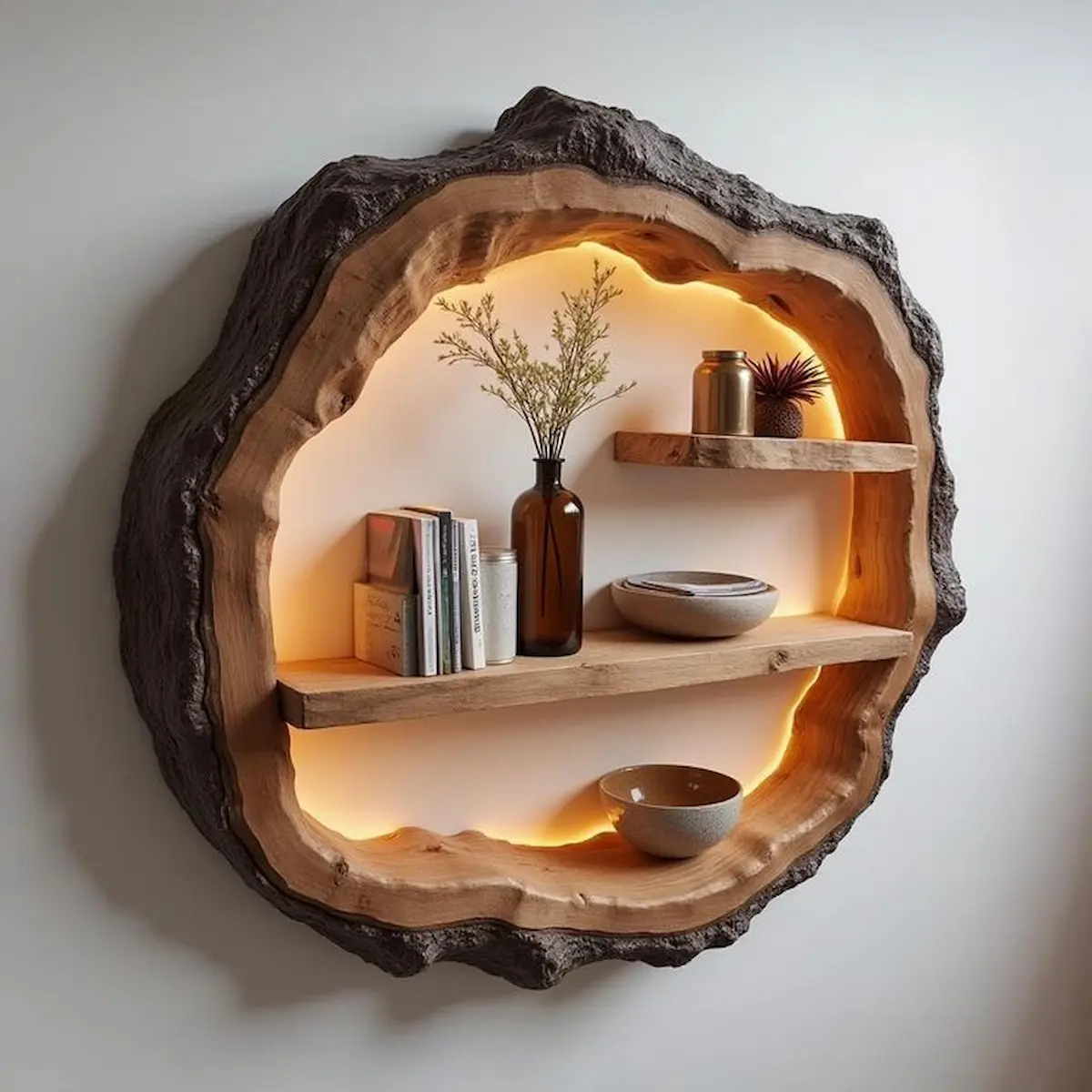
Floating furniture serves three main purposes: visual space, functionality, and organization.
1. Creating Visual Space
Traditional furniture sits on the floor and blocks the view across the room. When multiple items do this, the room appears crowded. Floating furniture exposes more flooring, which makes the area look wider even if the room size remains unchanged.
This is especially helpful in:
-
Apartments
-
Studio flats
-
Compact bedrooms
-
Narrow living rooms
2. Improving Functionality
Floating furniture allows flexible use of the area below. For example:
-
Shoes can be stored under a floating console
-
A robot vacuum can clean underneath
-
Laundry baskets can slide below a floating vanity
Nothing traps dust against the floor, which also improves hygiene and cleaning efficiency.
3. Better Organization
Wall-mounted pieces often encourage intentional storage. Because space is limited, people keep only necessary items. The result is a cleaner and more organized environment.
Structural Support and Safety
A common concern is whether floating furniture is safe. The answer depends on installation, not the concept itself.
Floating furniture relies on load distribution. The weight transfers into the wall structure rather than the floor. Strong installations usually attach to:
-
Wooden studs
-
Concrete walls
-
Brick walls
Drywall alone cannot support heavy weight unless proper anchors or backing boards are installed. When correctly mounted, a floating unit can hold significant load. For example, well-installed floating shelves often support books, kitchen appliances, or decorative objects safely.
Safety depends on:
-
Correct anchors
-
Proper bracket type
-
Accurate leveling
-
Suitable wall material
Poor installation causes most failures, not the furniture design.
Also read more about floating furnitures
Common Types of Floating Furniture
Floating Shelves
The most familiar form. Used in kitchens, offices, and living rooms for books or decoration.
Floating TV Units
Wall-mounted consoles that hide media devices and wires. They create a clean entertainment wall and eliminate bulky cabinets.
Floating Vanities
Popular in modern bathrooms. They expose floor tiles, making small bathrooms appear larger while simplifying cleaning.
Floating Desks
Used in home offices or study areas. They provide workspace without occupying much room.
Floating Beds
The bed frame attaches to the wall or uses a concealed base positioned inward from the edges. Lighting beneath them often enhances the floating illusion.
Design Styles That Use Floating Furniture
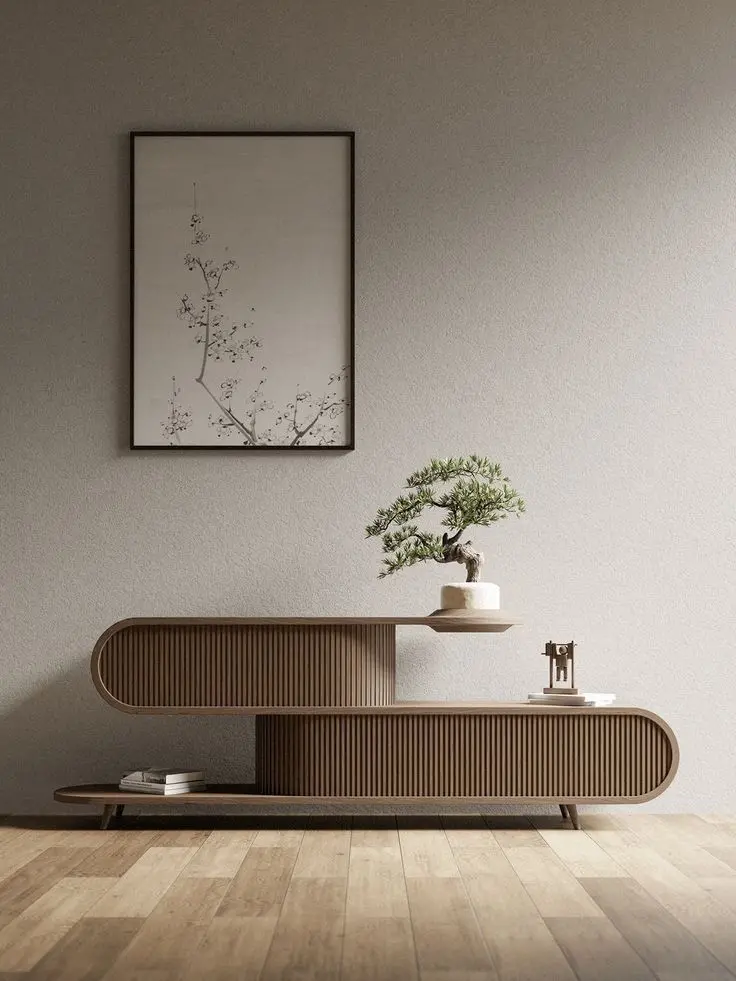
Floating furniture fits naturally into several design styles.
Minimalist Design
Minimalism values simplicity and uncluttered surfaces. Floating furniture supports this by removing heavy visual elements.
Modern Contemporary Design
Modern interiors favor straight lines and open layouts. Wall-mounted units keep the space structured without appearing dense.
Scandinavian Interiors
Scandinavian design emphasizes light, air, and functionality. Floating shelves and wall-mounted storage reflect these principles perfectly.
Advantages of Floating Furniture
-
Makes small rooms look larger
-
Easier floor cleaning
-
Reduces visual clutter
-
Improves lighting flow
-
Encourages organized storage
-
Works well with modern lighting systems
-
Helps conceal wiring
Another overlooked advantage is lighting. When light passes under furniture, shadows soften. The room appears brighter without adding more fixtures.
Possible Limitations
Floating furniture is not suitable for every situation.
-
Weak walls may require reinforcement
-
Installation needs precision
-
Moving the furniture later can leave wall marks
-
Heavy storage requires proper planning
Older buildings sometimes lack internal studs or solid masonry, which complicates installation. In such cases, a hybrid design with partial support may be necessary.
Psychological Effect on Space
Designers often consider how people feel inside a room, not only how it looks. Floating furniture reduces visual weight. When objects do not touch the floor, the environment feels calmer and less restrictive.
Humans naturally prefer open sight lines. Visible floor area signals freedom of movement. Even in a small apartment, floating furniture can make the environment feel less confined.
When to Use It
Floating furniture works best in:
-
Small homes
-
Rental apartments
-
Modern renovations
-
Home offices
-
Bathrooms with limited area
It is less suitable for:
-
Rustic interiors
-
Very heavy storage requirements
-
Temporary walls
Conclusion
Floating furniture in interior design does not refer to magical suspension. It describes a mounting method that conceals support and reveals floor space beneath the furniture. The result is a lighter appearance, better organization, and improved usability of compact spaces.
By combining structural engineering with visual perception, floating furniture changes how a room feels without changing its actual size. Proper installation remains essential, but when executed correctly, it offers both practical and aesthetic benefits. For modern living environments where space is limited and cleanliness matters, floating furniture is not simply a trend. It is a functional design solution grounded in both practicality and visual balance.
Also read more about New Home Essentials
Faqs
1. What is floating furniture in interior design?
Floating furniture refers to furniture pieces that are mounted to a wall or supported in a concealed way that leaves open space underneath. Unlike traditional furniture that rests on legs or a base, floating furniture hides its support system inside the wall or behind the unit. The furniture is securely anchored, but it creates the visual effect of being suspended.
2. Is floating furniture actually safe?
Yes, floating furniture is safe when installed correctly. Its weight is distributed into the wall structure using proper anchors, brackets, or mounting systems. It must be attached to solid supports such as wooden studs, concrete, or brick walls. Most safety issues occur due to poor installation rather than the design concept itself.
3. Why do designers prefer floating furniture?
Designers prefer floating furniture because it makes rooms appear larger, cleaner, and less cluttered. By exposing more floor space, it creates visual openness. It also improves functionality by allowing easier cleaning, better lighting flow, and flexible use of the space beneath the furniture.
4. Where is floating furniture most effective?
Floating furniture works especially well in small apartments, studio flats, compact bedrooms, narrow living rooms, bathrooms, and home offices. It is ideal for spaces where maximizing visual openness and improving organization are important.
5. Are there any disadvantages to floating furniture?
Floating furniture may require wall reinforcement in older buildings or homes with weak walls. Installation must be precise, and relocating the furniture later can leave wall marks. It may also not be suitable for very heavy storage needs or rustic interior styles that rely on traditional floor-based pieces.