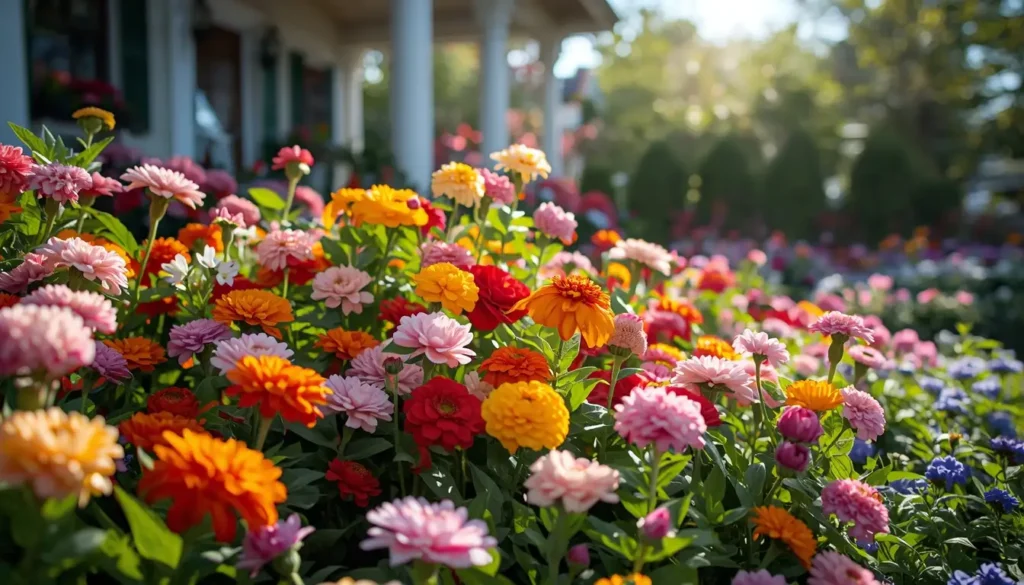

Flower gardening is one of the most peaceful and rewarding hobbies anyone can start. It not only improves the beauty of your home but also brings freshness, positive energy, and relaxation to your daily life. Bloom Bright: A Simple Flower Gardening Journey is about learning how to start, grow, and maintain a beautiful flower garden in a simple and easy way, even if you are a beginner.
Table of Contents
ToggleGetting Started with Flower Gardening
Starting a flower garden does not require a big space or expensive tools. You can begin in your backyard, rooftop, balcony, or even small pots inside your home. The most important step is choosing the right place where sunlight is available for at least 4–6 hours daily, because most flowers need sunlight to grow properly.
Next, prepare the soil. Healthy soil is the foundation of a successful garden. Mix garden soil with compost or natural fertilizer to make it rich in nutrients. Good soil helps flowers grow faster and healthier.
Choosing the Right Flowers
For beginners, it is always better to start with easy-growing flowers. Some popular choices include roses, marigolds, sunflowers, and petunias. These flowers are not only beautiful but also easy to maintain.
When selecting flowers, always consider your climate and season. Some flowers grow better in summer, while others prefer winter or spring. Choosing the right flower at the right time increases your chances of success.
Planting the Seeds or Saplings
Once you have selected your flowers, it’s time to plant them. You can either use seeds or small plants (saplings). Make small holes in the soil, place the seed or plant gently, and cover it with soil. Water it lightly after planting.
Avoid overwatering, because too much water can damage the roots. The key is to keep the soil moist, not soaked.
Daily Care and Maintenance
A flower garden needs regular care. Water your plants in the morning or evening when the sun is not too strong. Remove weeds regularly, as they can take nutrients away from your flowers.
Adding organic fertilizer once every two weeks helps flowers grow healthier and bloom beautifully. Also, trim dry leaves and dead flowers to encourage new growth.
Dealing with Common Problems
Sometimes plants face problems like pests or diseases. If you notice insects on your plants, you can use natural sprays like neem oil instead of harmful chemicals. Keeping your garden clean and healthy reduces most of these problems.
Yellow leaves or slow growth usually indicate a lack of nutrients or improper watering. Adjusting care routines can quickly fix these issues.
Benefits of Flower Gardening
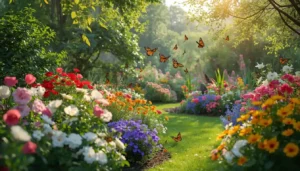
Flower gardening is not just about beauty; it has many benefits. It reduces stress, improves mental health, and gives you a sense of achievement. Watching your flowers grow and bloom brings happiness and satisfaction.It also helps the environment by improving air quality and supporting bees and butterflies, which are important for nature.
Conclusion
Bloom Bright: A Simple Flower Gardening Journey teaches us that gardening is simple, relaxing, and rewarding. With the right care, patience, and love, anyone can create a beautiful flower garden. Start small, stay consistent, and enjoy the journey of watching your garden bloom bright every day.
FAQs
Q1: What is flower gardening for beginners?
Ans: Flower gardening for beginners means growing flowers using simple steps like choosing the right plants, preparing soil, and proper watering.
Q2: Which flowers are best for beginners?
Ans: Easy flowers like roses, marigolds, sunflowers, and petunias are best for beginners because they require less
Q3: How often should I water my flower garden?
Ans: You should water your flower garden once a day or when the soil feels dry, usually in the morning or evening.
Q4: What type of soil is best for flower gardening?
Ans: Well-drained soil mixed with organic compost is best for healthy flower growth.
Q5: How can I protect my plants from pests?
Ans: You can use natural solutions like neem oil and keep your garden clean to protect plants from pests.