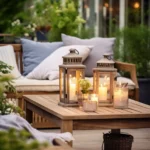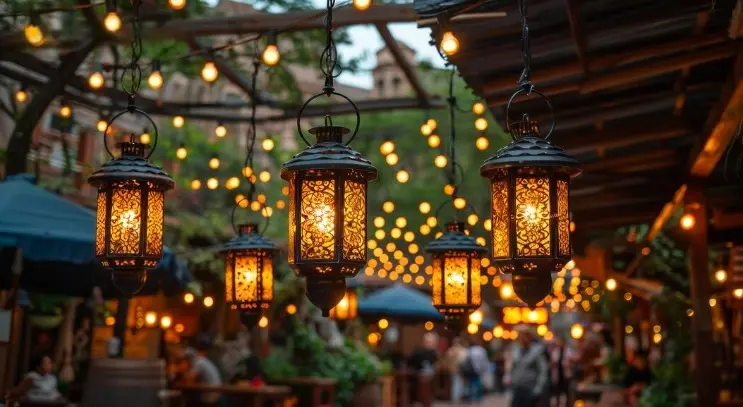

Outdoor lanterns are an essential element of garden and exterior lighting, combining both functionality and style. They provide illumination for pathways, patios, and entrances while enhancing the overall appearance of outdoor spaces. However, one of the most important factors to consider when choosing outdoor lanterns is the material they are made from. The right material ensures durability, weather resistance, and long-lasting beauty.
Different materials offer different advantages in terms of strength, appearance, and maintenance. Understanding these materials can help you choose outdoor lanterns that suit your garden design and withstand outdoor conditions. This guide explores the top materials used in outdoor lanterns and their benefits.
Why Material Matters in Outdoor Lanterns
Outdoor lanterns are constantly exposed to environmental conditions such as rain, sunlight, wind, and temperature changes. Choosing lanterns made from durable materials ensures they remain functional and attractive over time.
High-quality materials can prevent problems such as rust, fading, cracking, and corrosion. They also reduce the need for frequent maintenance and replacement. In addition, the material of a lantern influences its style, making it an important factor in overall garden design.
By selecting the right material, you can ensure that your outdoor lanterns remain reliable and visually appealing for many years.
-
Metal Outdoor Lanterns
Metal is one of the most common and reliable materials used in outdoor lanterns. Metal lanterns are known for their strength and durability, making them ideal for long-term outdoor use.
-
Aluminum Lanterns
Aluminum is a popular choice because it is lightweight and resistant to rust. Aluminum lanterns can withstand rain and humidity without corroding, making them suitable for most climates.
Another advantage of aluminum lanterns is their low maintenance requirements. They typically only need occasional cleaning to maintain their appearance. Aluminum lanterns are often available in modern and traditional designs, making them a versatile option.
-
Stainless Steel Lanterns
Stainless steel lanterns offer a sleek and modern appearance. This material is highly resistant to rust and corrosion, which makes it ideal for outdoor environments.
Stainless steel lanterns are particularly suitable for contemporary garden designs. They are strong and long-lasting, although they may require occasional polishing to maintain their shine.
-
Iron Lanterns
Iron lanterns provide a classic and traditional look. They are often used in vintage or rustic garden designs.
Iron is extremely strong and durable, but it may be prone to rust if not properly coated or maintained. Protective finishes such as powder coating or paint can help prevent corrosion and extend the lifespan of iron lanterns.
-
Glass Lanterns
Glass is an essential component of many outdoor lanterns. It protects the light source while allowing illumination to shine through clearly.
-
Clear Glass
Clear glass is commonly used because it provides maximum brightness. It allows light to spread evenly, making it ideal for functional lighting such as pathways and entrances.
Clear glass lanterns are elegant and timeless, but they may require regular cleaning to remove dust and water spots.
-
Frosted Glass
Frosted glass creates a softer and more diffused glow. This type of glass is ideal for creating a relaxing and cozy atmosphere in gardens and patios.
Frosted glass also helps reduce glare, making it more comfortable for outdoor seating areas.
-
Tempered Glass
Tempered glass is stronger than regular glass and is designed to resist breakage. It is often used in high-quality outdoor lanterns because of its durability and safety.
Lanterns with tempered glass are better suited for areas exposed to strong winds or accidental impacts.
-
Plastic and Resin Lanterns
Plastic and resin lanterns are becoming increasingly popular due to their affordability and versatility. These materials are lightweight and easy to move, making them ideal for portable lanterns.
High-quality outdoor plastics are designed to resist fading and cracking caused by sunlight. They are also resistant to moisture, which makes them suitable for rainy environments.
Resin lanterns can be designed to resemble materials such as wood or metal, offering a decorative appearance at a lower cost.
Another advantage of plastic and resin lanterns is that they require very little maintenance. Simple cleaning is usually enough to keep them looking new.
-
Wooden Lanterns
Wooden lanterns add a natural and warm touch to outdoor spaces. They are often used in rustic or traditional garden designs.
Wood blends beautifully with plants and natural surroundings, creating a harmonious look. Wooden lanterns are particularly popular in gardens that emphasize natural materials and organic design.
However, wood requires more maintenance than other materials. It should be treated with protective coatings to prevent damage from moisture and insects. Regular maintenance helps preserve the appearance and durability of wooden lanterns.
-
Copper and Brass Lanterns
Copper and brass lanterns are known for their elegant and luxurious appearance. These materials develop a natural patina over time, giving lanterns a unique and antique look.
Copper lanterns are highly resistant to corrosion, making them suitable for outdoor use. Brass lanterns are also durable and can maintain their beauty for many years.
These materials are often used in decorative lanterns that serve as focal points in garden design. Although copper and brass lanterns can be more expensive, they are considered a long-term investment due to their durability.
Choosing the Best Material for Your Outdoor Lanterns
Selecting the right material depends on several factors, including climate, style preferences, and budget.
- If durability and low maintenance are your priorities, aluminum and stainless steel lanterns are excellent choices. They provide strong weather resistance and long-lasting performance.
- For decorative purposes, materials like copper, brass, and wood can add character and charm to your outdoor space. These materials work well when appearance is just as important as functionality.
- Plastic and resin lanterns are ideal for those looking for affordable and lightweight options. They are especially suitable for temporary or portable lighting solutions.
- It is also important to consider the weather conditions in your area. Lanterns exposed to heavy rain or humidity should be made from corrosion-resistant materials such as aluminum or stainless steel.
Conclusion
The material of an outdoor lantern plays a crucial role in its durability, appearance, and performance. From sturdy metals like aluminum and stainless steel to elegant materials like copper and glass, each option offers unique benefits.
Choosing the right material ensures that your outdoor lanterns remain attractive and functional despite exposure to changing weather conditions. By understanding the advantages of different materials, you can make an informed decision that suits both your garden design and practical needs.
Investing in high-quality materials will help you enjoy beautiful and reliable outdoor lighting for years to come. Well-chosen outdoor lanterns not only improve visibility but also enhance the overall charm and comfort of your outdoor space.
Explore our homepage for more inspiring ideas and stylish variations to enhance the beauty and aesthetics of your home and garden: NewHomeEssentials
For more ideas on enhancing your outdoor space, check out our guide on transforming your garden with beautiful outdoor lanterns