There are several types of ceiling lights, each designed to serve specific purposes and complement different interior styles:
-
Chandeliers: These decorative fixtures are often used in dining rooms, entryways, or formal living areas. Chandeliers act as statement pieces while providing general illumination. They can range from classic crystal designs to modern artistic creations, instantly elevating the look of any space.
-
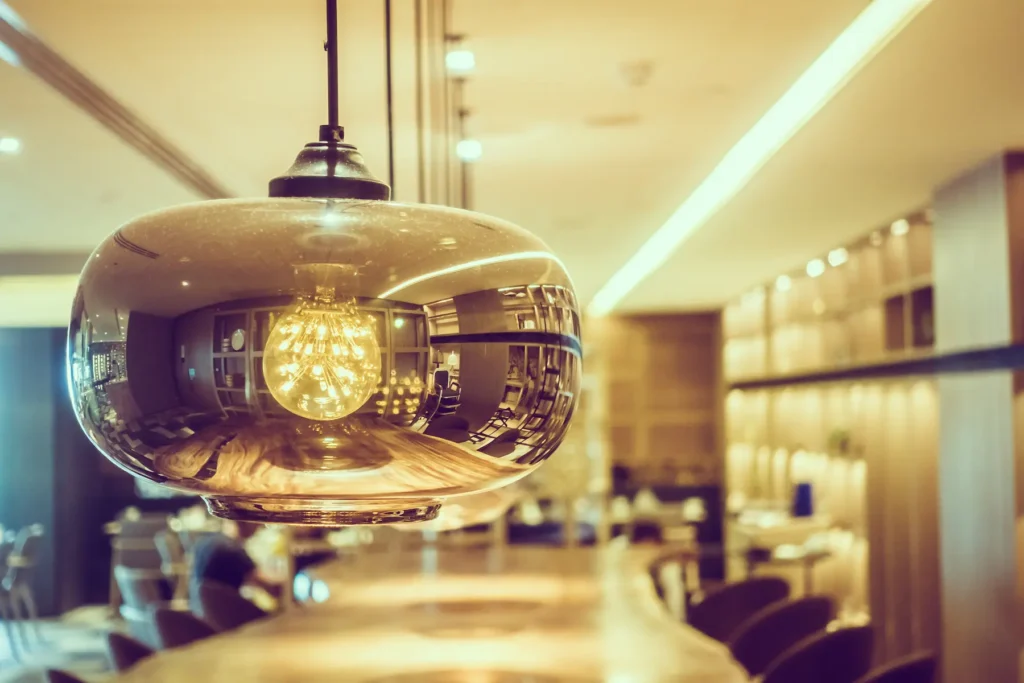
Pendant Lights: Suspended from the ceiling, pendant lights provide focused illumination. They are ideal for over kitchen islands, dining tables, or workspaces. Single or multiple pendant fixtures can create dramatic visual effects and define specific zones in a room.
-
Flush and Semi-Flush Mount Lights: These are practical solutions for rooms with lower ceilings. Flush mounts sit directly against the ceiling, while semi-flush mounts hang slightly below. Both offer efficient lighting without taking up vertical space.
-
Recessed Lighting: Installed within the ceiling, recessed lights provide a clean, modern, and minimalist appearance. They are ideal for creating even illumination across the room and can be used in combination with other lighting fixtures for layered effects.
-
LED Panel Lights: Popular in offices, commercial spaces, and modern homes, LED panel lights deliver uniform, glare-free lighting. They are highly energy-efficient and suitable for large areas where consistent brightness is needed.
Choosing the right type of ceiling light depends on factors such as room size, ceiling height, purpose, and desired aesthetic. In many cases, combining multiple types of fixtures creates layered lighting that enhances both ambience and functionality.To learn more about the different types of ceiling and other light fixtures in detail, check out this comprehensive explanation on Wikipedia
Choosing the Right Ceiling Light for Your Space
Selecting the right ceiling light requires thoughtful consideration of both practical requirements and design preferences. Begin by evaluating the function of the room. Determine whether the space needs bright task lighting, soft ambient lighting, or a combination of both.
Next, assess the room’s size and ceiling height. Large rooms may require multiple fixtures or layered lighting to ensure even illumination. For high ceilings, pendant lights or chandeliers can fill vertical space effectively. In rooms with lower ceilings, flush mount or recessed lighting may be more appropriate.
Energy efficiency should also guide your decision. LED ceiling lights are highly recommended due to their durability and low energy consumption. Additionally, consider features such as dimmers or smart lighting systems, which allow you to adjust brightness levels according to time of day and activity.
Finally, ensure that the chosen ceiling light complements your interior style. The fixture should enhance the room’s overall theme without overpowering it. By balancing functionality, efficiency, and aesthetic appeal, you can create a space that is both beautiful and practical.
Design and Aesthetic Appeal
Ceiling lights are not just functional—they are also essential design elements. The style, material, finish, and size of a fixture can significantly influence the appearance and feel of a space.
Modern interiors often feature minimalist designs with clean lines and neutral finishes, while traditional spaces may incorporate ornate chandeliers with metallic or wooden accents. Industrial interiors often favor exposed bulbs and raw metal finishes for a bold, contemporary look.
Color temperature also plays a key role in aesthetic appeal. Warm white light (2700–3000K) creates a cozy and intimate atmosphere, perfect for living rooms and bedrooms, whereas cool white or daylight tones (4000–5000K) convey energy and clarity, ideal for kitchens, offices, and workspaces.
The placement of ceiling lights can highlight architectural features, artwork, or furniture, adding depth and sophistication. A carefully chosen fixture can become a focal point, blending style and functionality seamlessly. By harmonizing design with light quality, ceiling lights can transform a room into a visually balanced, comfortable, and inviting environment.
Conclusion
Ceiling lights are far more than functional fixtures—they are transformative elements that define how a space looks, feels, and functions. From providing essential illumination to enhancing design, ambience, and modern smart features, ceiling lights play a vital role in any interior.
By understanding the types of ceiling lights, their design impact, and the latest smart technologies, and by carefully selecting the right fixture for each room, you can create spaces that are functional, attractive, and adaptable. Thoughtful ceiling lighting transforms ordinary rooms into environments that are comfortable, stylish, and inviting, proving that the right light can truly elevate the way we experience a space.