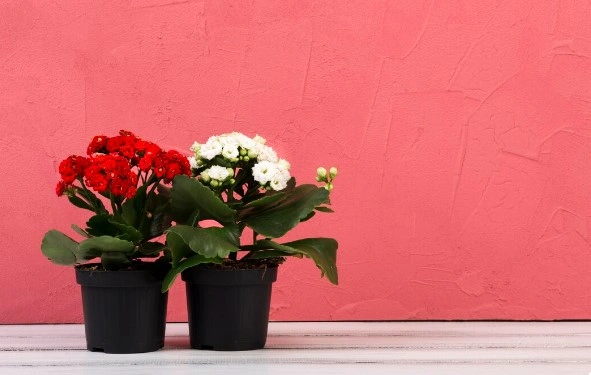

In today’s environmentally conscious world, gardeners are rethinking every aspect of their planting practices—including the containers they use. Eco-friendly and sustainable flowerpots are becoming increasingly popular as people look for ways to reduce plastic waste and lower their environmental footprint. While plants naturally contribute to cleaner air and healthier ecosystems, the pots they grow in can either support or harm the environment.
This comprehensive guide explores sustainable flowerpot options, their benefits, and how to choose the right one for your gardening needs.
Why Choose Eco-Friendly and Sustainable Flowerpots?
Traditional plastic flowerpots are often made from non-renewable petroleum-based materials. Although they are lightweight and inexpensive, many are used temporarily and then discarded. Unfortunately, a large percentage of these pots end up in landfills because they are difficult to recycle due to soil contamination.
Switching to sustainable flowerpots offers several environmental advantages:
-
Reduces single-use plastic waste
-
Conserves natural resources
-
Supports recycling and circular economy practices
-
Lowers overall carbon footprint
-
Promotes responsible consumer habits
By making small, eco-conscious choices in gardening, individuals can collectively create a significant positive environmental impact.
Types of Eco-Friendly Flowerpots
There are several sustainable alternatives to conventional plastic pots. Each type offers unique features suited to different gardening styles.
1. Biodegradable Flowerpots
Biodegradable pots are made from natural materials such as coconut coir, rice husks, peat, bamboo fiber, or recycled paper pulp. These pots naturally decompose over time, especially when planted directly into soil.
Key Benefits:
-
Ideal for seedlings and vegetable starters
-
Reduce transplant shock
-
Enrich soil as they break down
-
Eliminate plastic disposal
These pots are perfect for seasonal planting and organic gardening enthusiasts.
2. Recycled Plastic Pots
Recycled plastic flowerpots are manufactured using post-consumer plastic waste, such as bottles and packaging materials. Instead of producing new plastic, manufacturers reuse existing materials.
Advantages include:
-
Durable and weather-resistant
-
Long-lasting for multiple seasons
-
Prevent plastic waste from entering landfills
-
Lightweight and affordable
This option balances sustainability with practicality, especially for long-term indoor and outdoor plants.
3. Terracotta and Clay Pots
Terracotta and natural clay pots have been trusted by gardeners for centuries. Made from earth-based materials, these pots are biodegradable and free from synthetic chemicals.
Why they’re sustainable:
-
Naturally breathable, allowing airflow to roots
-
Prevent overwatering by absorbing excess moisture
-
Long lifespan when properly maintained
-
Fully recyclable and biodegradable
Although energy is required for kiln firing, their durability makes them a sustainable long-term investment.
4. Wooden Planters
Wooden flowerpots and planters made from responsibly sourced or reclaimed wood are another eco-friendly option.
Benefits include:
-
Renewable and biodegradable material
-
Strong and sturdy for larger plants
-
Natural insulation for roots
-
Rustic and aesthetic appeal
For best sustainability results, choose FSC-certified or reclaimed wood products.
5. Upcycled and DIY Containers
One of the most environmentally friendly solutions is repurposing items you already have at home. Old buckets, tin cans, wooden crates, ceramic bowls, and even glass jars can be transformed into creative plant containers.
Why upcycling works:
-
No additional manufacturing required
-
Reduces household waste
-
Cost-effective gardening solution
-
Adds personality and charm to spaces
With proper drainage holes and preparation, almost any sturdy container can become a sustainable flowerpot.
Environmental Benefits of Sustainable Flowerpots
Choosing eco-friendly flowerpots supports more than just waste reduction. Here’s how they positively impact the planet:
Reduced Landfill Waste
Biodegradable and reusable pots prevent unnecessary accumulation of plastic waste.
Lower Carbon Emissions
Recycled and renewable materials reduce the need for energy-intensive raw material extraction.
Healthier Soil
Compostable pots improve soil structure as they decompose naturally.
Conservation of Resources
Sustainable production methods require fewer non-renewable inputs.
These benefits contribute to long-term environmental preservation and responsible gardening practices.
How Sustainable Flowerpots Improve Plant Health
Eco-friendly containers are not only good for the environment—they also benefit plants.
Better Drainage
Clay and fiber pots allow excess moisture to escape, reducing the risk of root rot.
Improved Air Circulation
Breathable materials enhance oxygen flow to plant roots.
Temperature Regulation
Natural materials provide better insulation compared to thin plastic pots.
Healthy roots lead to stronger growth, improved nutrient absorption, and more resilient plants.
How to Choose the Right Sustainable Flowerpot
When selecting the best eco-friendly flowerpot, consider the following factors:
Plant Type
-
Seedlings thrive in biodegradable pots.
-
Large indoor plants need durable clay or recycled plastic containers.
Climate
-
Humid climates benefit from breathable pots.
-
Windy outdoor spaces may require heavier materials like terracotta.
Longevity
-
For temporary use, compostable pots work well.
-
For long-term decorative plants, choose sturdy sustainable materials.
Drainage
Always ensure the pot has adequate drainage holes to protect plant health.
Making the right choice ensures both environmental benefits and successful plant growth.
The Future of Sustainable Gardening
As sustainability continues to influence consumer choices, eco-friendly gardening products are becoming more innovative and accessible. Manufacturers are developing new biodegradable composites, plant-based plastics, and zero-waste packaging solutions to meet growing demand.
Home gardeners play an essential role in this shift. By supporting sustainable products, they encourage companies to invest in greener production methods and environmentally responsible practices.
Conclusion: Grow Green with Sustainable Flowerpots
Eco-friendly and sustainable flowerpots are more than just a gardening trend—they are a practical step toward environmental responsibility. From biodegradable fiber pots to recycled plastic and timeless terracotta, there is a sustainable option for every gardening need.
By choosing greener containers, you reduce waste, conserve resources, and promote healthier plant growth. Every small change contributes to a larger environmental impact. When you plant in a sustainable pot, you’re not just growing flowers—you’re cultivating a more sustainable future.
Read more new home essentials