
Are Terracotta Pots Good for Indoor Plants? Benefits and Tips
Indoor plants bring life, freshness, and calmness to a home. While choosing the right plant is important, selecting the right pot can also make a big difference. One popular option among plant lovers is the terracotta pot. Known for its natural appearance and earthy texture, it has been used for centuries in gardening.
But the question many people ask is: are terracotta pots good for indoor plants? The answer is generally yes, but understanding how they work can help you decide if they are the right choice for your plants.
What Are Terracotta Pots?
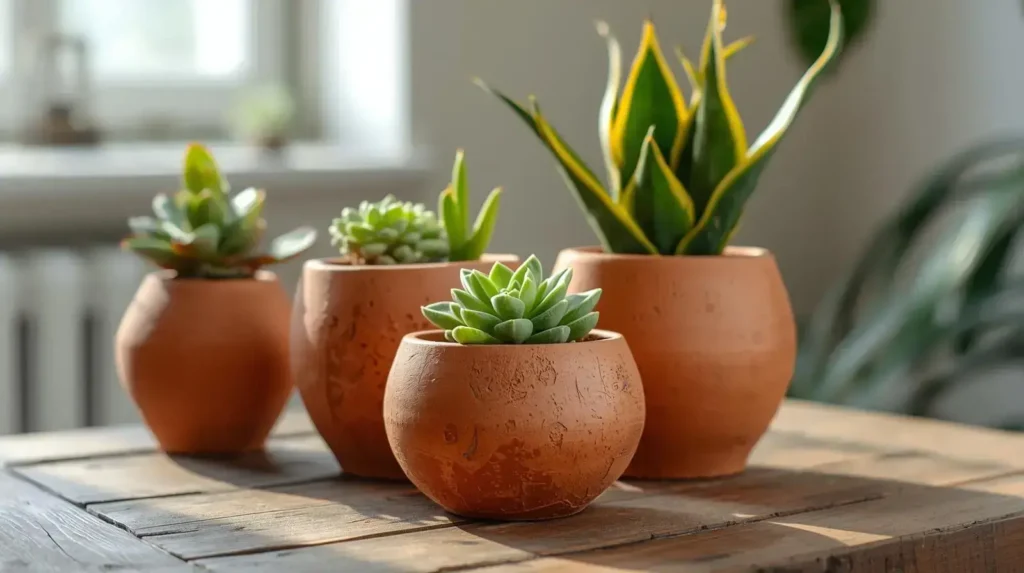
Terracotta pots are plant containers made from natural clay that is baked in a kiln. The word terracotta means “baked earth,” which reflects the material used to create these pots.
Because they are made from clay, terracotta pots have a porous surface. This means air and moisture can move through the pot walls, helping plant roots breathe and preventing excessive moisture buildup.
Their natural reddish-brown color also adds a warm and organic feel to indoor spaces.
Benefits of Using Terracotta Pots for Indoor Plants
1. Better Airflow for Plant Roots
Terracotta pots allow air to circulate through the pot’s walls. This airflow keeps plant roots healthy and reduces the risk of root rot.
2. Prevents Overwatering
Because terracotta absorbs excess moisture, it helps protect plants from being overwatered. This makes it especially helpful for beginners who may accidentally water plants too often.
3. Natural and Aesthetic Look
Terracotta pots complement almost any interior style. Their earthy color and simple texture blend beautifully with greenery, making indoor plants look more natural and decorative.
4. Supports Healthy Soil Conditions
The porous material allows moisture to evaporate gradually. This keeps soil conditions balanced and prevents overly soggy soil.
5. Environmentally Friendly Choice
Since terracotta pots are made from natural clay, they are considered an eco-friendly option compared to plastic containers.
Possible Drawbacks of Terracotta Pots
While terracotta pots offer many benefits, they also have a few limitations.
They Dry Out Quickly
Because terracotta absorbs water, soil may dry faster. Plants that need constant moisture may require more frequent watering.
They Can Be Fragile
Terracotta pots are made from baked clay, so they can crack or break if dropped.
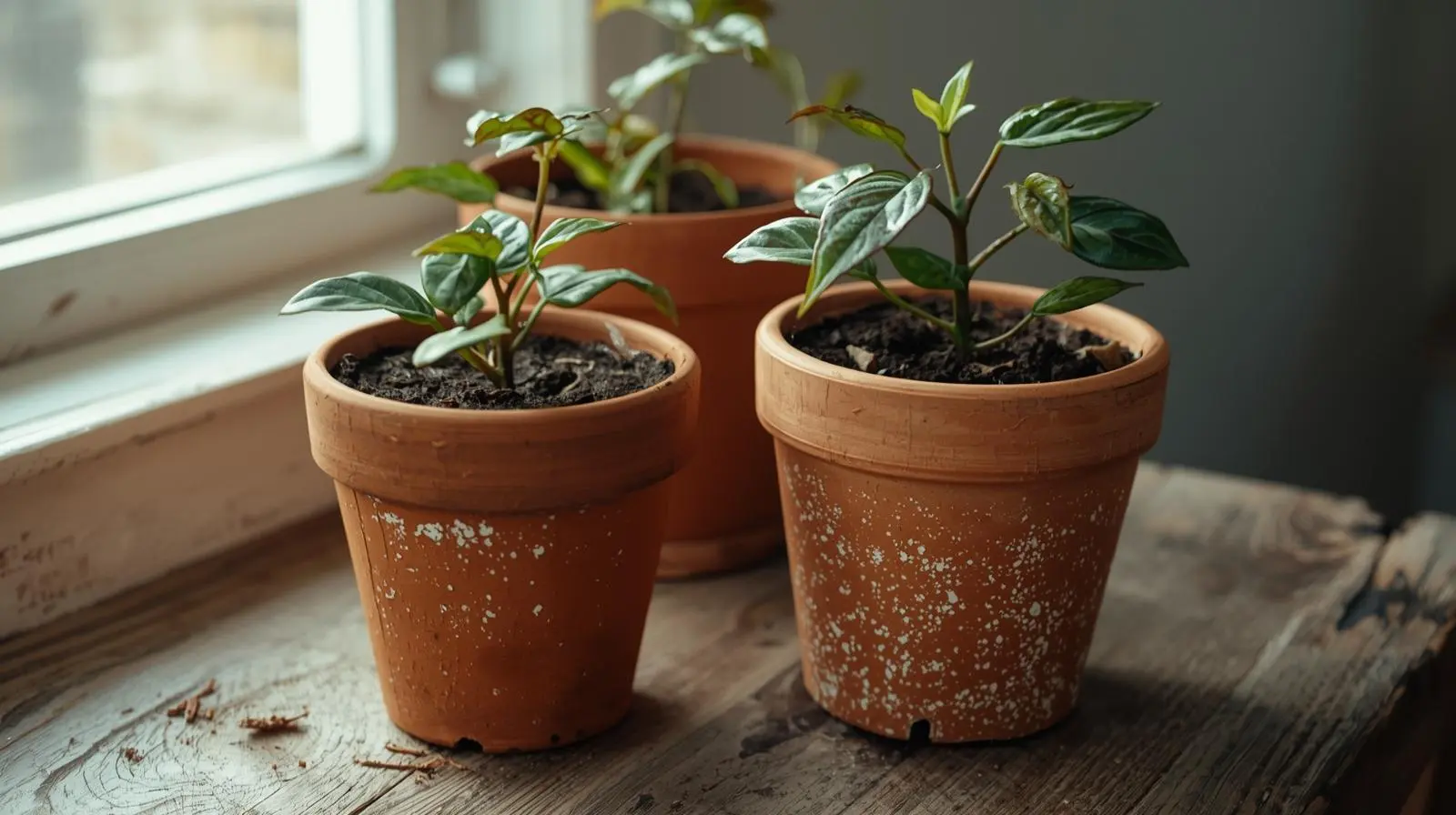
Salt Stains May Appear
Over time, minerals from water and fertilizer can leave white marks on the surface of the pot. However, many gardeners see this as part of the pot’s natural character.
Best Indoor Plants for Terracotta Pots
Some indoor plants grow particularly well in terracotta containers because they prefer well-drained soil.
Examples include:
-
Snake plants
-
Succulents
-
Cactus
-
Aloe vera
-
ZZ plants
These plants benefit from the moisture control that terracotta provides.
Tips for Using Terracotta Pots Indoors
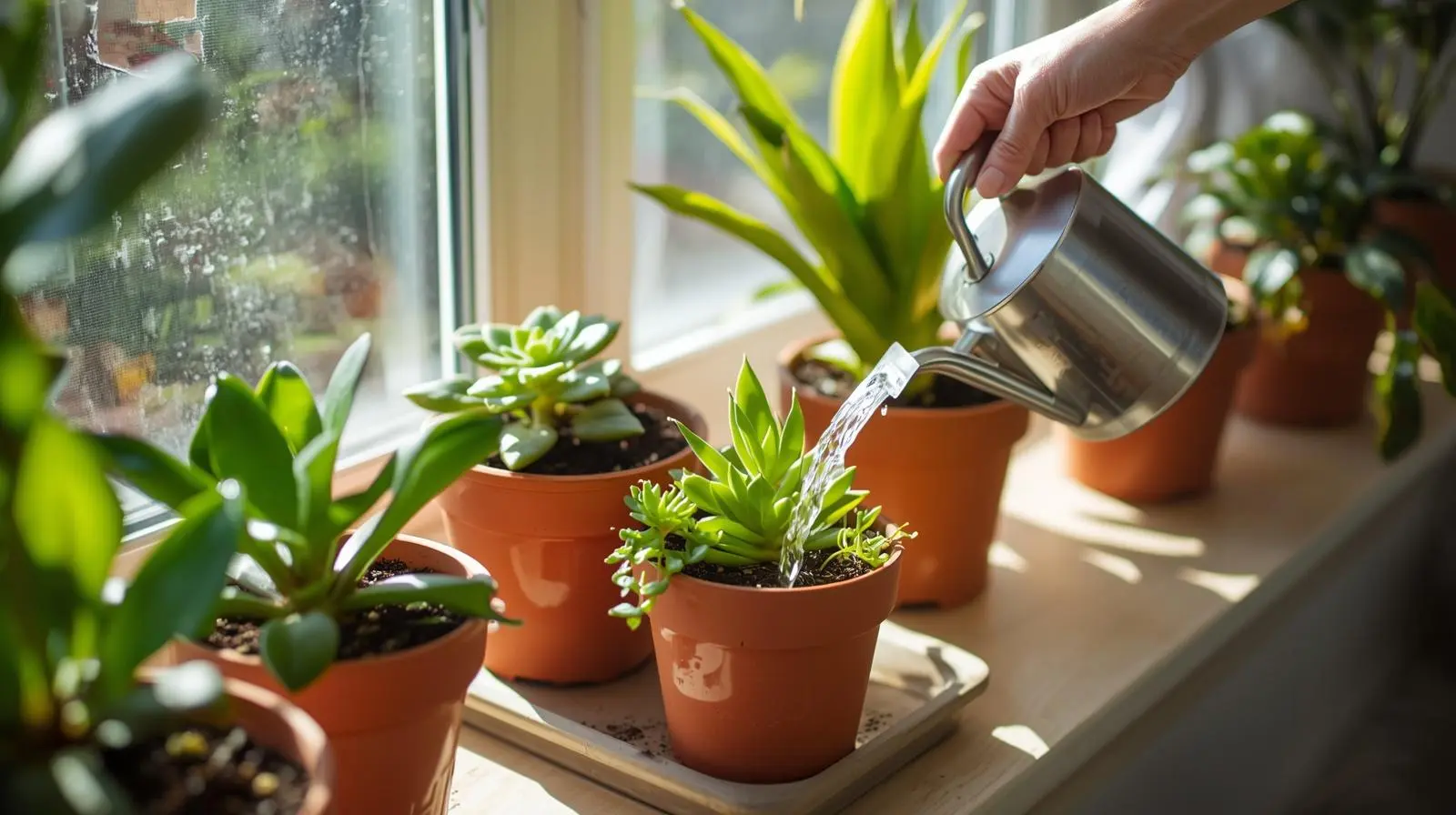
To get the best results when using terracotta pots for indoor plants, consider these simple tips:
-
Place a saucer under the pot to catch excess water.
-
Water plants slightly more often if the soil dries quickly.
-
Seal the inside of the pot if you want to reduce moisture loss.
-
Clean the pots occasionally to remove mineral buildup.
-
Choose the right pot size for your plant’s root system.
These small adjustments can help keep your indoor plants healthy and thriving.
Conclusion
Terracotta pots are an excellent option for many indoor plants. Their breathable clay material promotes healthy roots, prevents overwatering, and adds a timeless natural aesthetic to indoor spaces. While they may require slightly more frequent watering and careful handling, their benefits often outweigh the drawbacks.
For plant lovers who value both plant health and interior design, terracotta pots remain one of the most reliable and attractive choices.
FAQs About Terracotta Pots for Indoor Plants
1. Are terracotta pots better than plastic pots for indoor plants?
Terracotta pots provide better airflow and drainage, which helps prevent overwatering. Plastic pots retain more moisture but may not offer the same breathability.
2. Do terracotta pots dry soil faster?
Yes. Because terracotta is porous, it absorbs water and allows moisture to evaporate, which can make soil dry more quickly.
3. Which plants grow best in terracotta pots?
Plants that prefer dry soil conditions, such as succulents, cactus, snake plants, and aloe vera, grow well in terracotta containers.
4. Can terracotta pots be used inside the house?
Yes. Terracotta pots work well indoors, but it is recommended to place a tray or saucer underneath to catch excess water.
5. How do you clean terracotta pots?
Terracotta pots can be cleaned using water and a soft brush. For deeper cleaning, soaking them in a mild vinegar solution helps remove mineral stains.