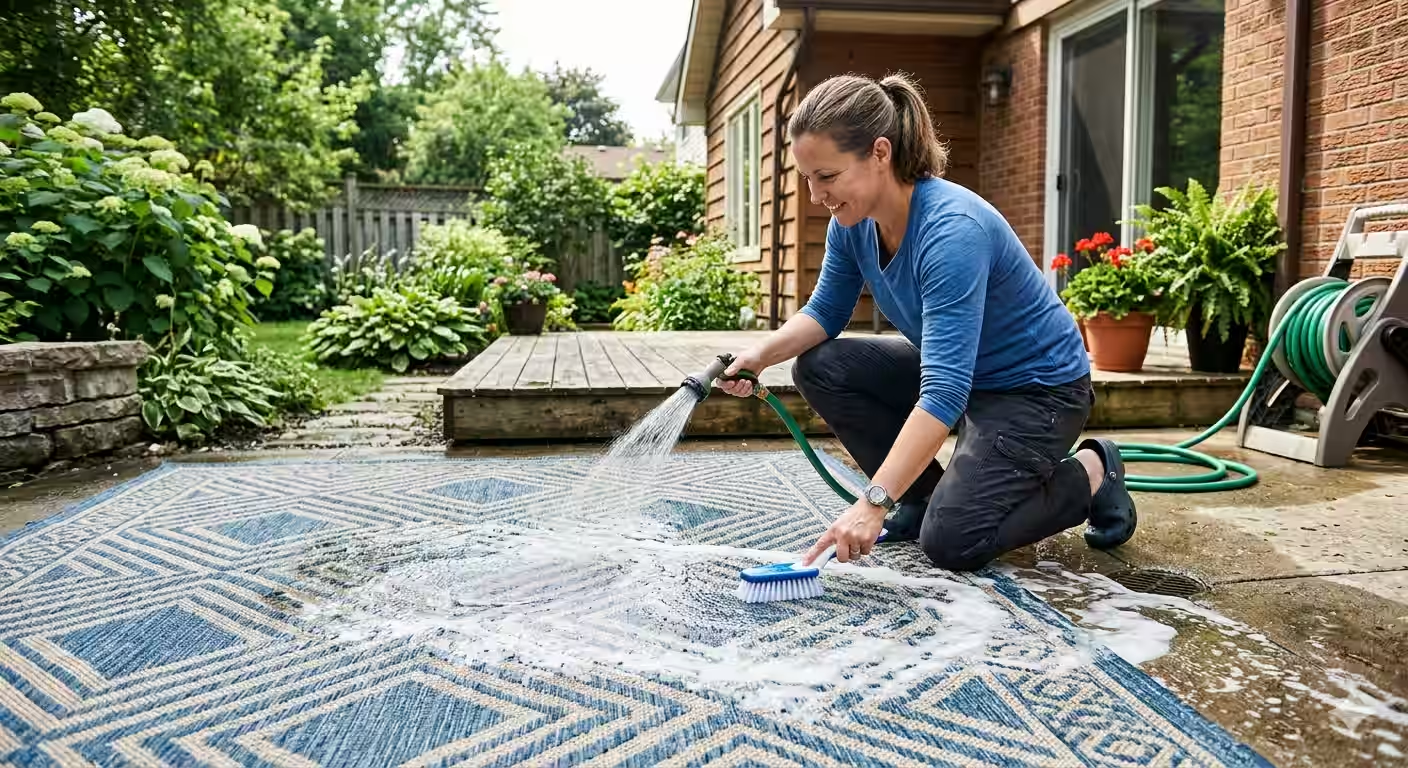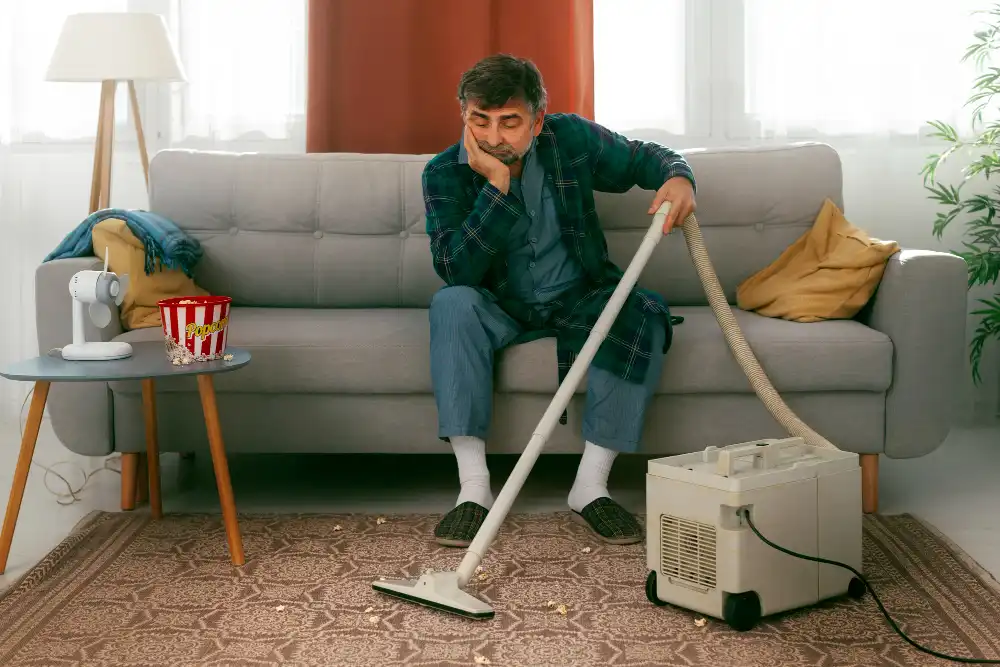

Rugs add warmth, style, and comfort to any home. They define spaces, protect flooring, and make rooms feel cozy. However, over time, dirt, spills, and general wear can make rugs look worn, dull, or even unhygienic. Knowing how to clean a dirty rug properly is essential to maintain your home’s aesthetic and ensure your rugs last for years.
Whether you have a wool rug, a Persian rug, or a standard area rug, cleaning techniques differ. A rug’s material, construction, and level of soiling all determine the best approach. This guide will walk you through safe and effective cleaning methods, show you how to remove stubborn stains, and provide maintenance tips to keep your rugs fresh. We’ll also cover common concerns like outdoor mold, stains from hair dye, and the cost to clean area rug professionally.
Why Cleaning Your Rug is Important
Rugs are more than decorative pieces—they can affect the health and comfort of your home. Dirt, dust, and spills can accumulate deep in the fibers, making the rug look old and potentially causing allergens to build up. Moisture from spills or outdoor exposure can lead to outdoor mold, especially in humid climates or damp areas.
Regular cleaning helps:
-
Maintain the rug’s appearance, color, and texture
-
Remove dust, allergens, and bacteria
-
Prevent unpleasant odors
-
Protect your investment, particularly for handmade or high-quality rugs
Even rugs in low-traffic areas benefit from regular attention. Dirt can slowly damage fibers, while accumulated grime may make stains more difficult to remove later. Understanding your rug’s material and cleaning requirements is crucial for long-term care.
How Often Should You Clean Your Rugs?
Cleaning frequency depends on traffic, exposure, and rug type:
-
Vacuuming: Once or twice a week for high-traffic areas; bi-weekly for low-traffic areas
-
Spot cleaning: Immediately after spills or stains
-
Deep cleaning: Every 6–12 months
-
Professional cleaning: Every 2–3 years, or sooner for delicate rugs like silk or antique Persian rugs
High-traffic areas, like living rooms, hallways, and entryways, may need more frequent cleaning. Rugs placed near doors or windows, or outdoors, are also more prone to dirt and moisture, which can increase the risk of outdoor mold.
Even regular vacuuming cannot remove deep-seated dirt or stubborn stains, so occasional deep cleaning is essential. Knowing when to do it and which methods to use ensures your rug stays both beautiful and hygienic.
Step-by-Step Guide to Cleaning a Dirty Rug
Cleaning a dirty rug at home is manageable if you follow a careful, methodical approach. Each step ensures your rug is cleaned effectively without damaging the fibers or colors.
1. Vacuum Thoroughly
Vacuuming is the first and most important step in cleaning a rug. It removes loose dust, dirt, and small debris that can wear down fibers over time.
Tips for vacuuming safely:
-
Use a vacuum with adjustable suction settings
-
Avoid rotating brushes on delicate rugs like a wool rug
-
Vacuum both sides if possible
-
Move furniture slightly to reach edges and corners
Vacuuming not only cleans but also refreshes the rug, lifting fibers and maintaining its softness.
2. Remove Stains Quickly
Spills and stains are inevitable, especially in homes with children or pets. Acting fast can prevent permanent damage and reduce the cost to clean area rug later.
Best practices for stain removal:
-
Blot, don’t scrub: Scrubbing pushes the stain deeper into the fibers
-
Use mild cleaners: Avoid harsh chemicals that can fade colors or damage fibers
-
Test first: Always test cleaners on a small hidden area
Common stains include coffee, wine, food, mud, and even hair dye. For hair dye, immediate blotting with a clean cloth and a mild cleaning solution can prevent permanent discoloration. Avoid water if the dye is fresh, as it may spread the stain.
3. Test for Color Bleeding
Before using water or soap on any rug, especially vibrant or handmade pieces, perform a color bleed test. Dampen a white cloth with water and press it gently on a corner of the rug. If the color transfers, professional cleaning is recommended.
This step is particularly important for rugs that require a how to clean a Persian rug approach. Persian rugs often have hand-dyed fibers, and water or soap can cause bleeding if tested incorrectly.

4. Wash with Mild Soap or Rug Cleaner
If your rug passes the color test, you can proceed to wash it. Use gentle cleaning solutions to protect fibers and preserve color.
Steps for home washing:
-
Lay the rug flat on a clean, dry surface.
-
Mix a mild soap or rug shampoo with cold or lukewarm water.
-
Use a soft brush or sponge to clean the rug in the direction of the fibers.
-
Rinse thoroughly to remove all soap residue.
For delicate rugs like a clean a wool area rug, use only wool-safe detergents and avoid soaking the rug excessively. Over-wetting can weaken fibers and lead to outdoor mold growth if the rug isn’t dried properly.
5. Dry the Rug Properly
Proper drying is essential to prevent damage, odors, and mold.
Drying tips:
-
Lay the rug flat or hang it in a shaded, well-ventilated area
-
Avoid direct sunlight for long periods to prevent fading
-
Flip the rug occasionally for even drying
-
Press gently with towels to remove excess water; never twist or wring
Proper drying prevents outdoor mold and ensures your rug maintains its softness and structure.
6. Professional Cleaning
Home cleaning is sufficient for most dirt and stains, but professional cleaning is necessary in some cases:
-
Old or stubborn stains
-
Excessive dirt buildup
-
Delicate rugs such as silk or antique Persian rugs
-
Rugs that failed color bleeding tests
Knowing how much to clean a rug professionally helps homeowners plan their budget. Professional cleaning not only restores the rug but also extends its lifespan.
Tips for Maintaining a Clean Rug
Routine care is key to reducing deep cleaning frequency and preserving your rug’s appearance.
-
Vacuum regularly to prevent dirt accumulation
-
Rotate the rug every 3–6 months to even out wear
-
Use rug pads to protect the rug’s bottom and prevent slipping
-
Keep shoes off rugs when possible
-
Treat spills immediately, especially hair dye or other staining substances
-
Avoid exposing rugs to damp areas to prevent outdoor mold
These small habits can dramatically reduce cleaning effort and professional costs over time.
Types of Rugs and Specific Care Tips
Different rugs require different cleaning methods.
Wool Rugs:
Durable but sensitive to harsh cleaning. Stick to mild soap and water, and avoid soaking. Regular vacuuming and immediate stain treatment are ideal. Check our clean a wool area rug guide for detailed instructions.
Persian Rugs:
Handmade Persian rugs require gentle care. Avoid scrubbing and use mild cleaning solutions. Learn more in our how to clean a Persian rug article for step-by-step guidance.
Outdoor Rugs:
Even outdoor rugs need maintenance. Regular washing with mild soap and careful drying prevents outdoor mold and keeps colors vibrant.
Synthetic Rugs:
Easy to clean and more durable. Most stains can be handled with mild soap and water. Avoid excessive heat which can warp fibers.
Common Mistakes to Avoid
Many homeowners unintentionally damage their rugs with these mistakes:
-
Using harsh chemicals that fade colors
-
Scrubbing instead of blotting stains
-
Over-soaking delicate rugs like wool or silk
-
Not drying completely, leading to outdoor mold
-
Ignoring regular vacuuming, allowing dirt to settle deep into fibers
Avoiding these mistakes preserves your rug’s beauty and reduces the cost to clean area rug over time.
When to Call a Professional
Even with proper home care, some situations require professional attention:
-
Stubborn stains that resist home cleaning
-
Antique or delicate rugs with valuable fibers
-
Strong odors or outdoor mold issues
-
Large rugs that are difficult to handle at home
Professional cleaners have specialized equipment and cleaning solutions that safely restore even heavily soiled rugs.
Conclusion
A dirty rug doesn’t have to ruin your home’s look. By following proper cleaning techniques, you can remove dirt, treat stains, and prevent outdoor mold. Routine maintenance, quick action on spills like hair dye, and occasional professional cleaning keeps rugs in top condition.
Whether you need to clean a wool area rug, tackle stubborn stains, or learn how to clean a Persian rug, this guide provides practical steps to keep your rugs looking beautiful. Understanding how much to clean a rug professionally can help budget for occasional deep cleaning, ensuring your investment lasts for years.
With proper care, every rug in your home can remain a comfortable, stylish, and healthy part of your living space.
Know more about us on New Home Essentials.
FAQS
1. Do outdoor rugs get moldy?
Yes, outdoor rugs can develop mold if exposed to moisture for long periods. Regular cleaning and proper drying help prevent outdoor mold.
2. How do I clean a wool area rug?
Use mild soap and water, avoid soaking, and gently brush in the direction of the fibers. Vacuum regularly to remove dust and dirt. See our guide on clean a wool area rug for detailed tips.
3. How much does it cost to clean a rug?
The cost to clean area rug varies based on size, material, and level of dirt. On average, professional cleaning ranges from $50 to $200.
4. Can I remove hair dye from rug at home?
Yes, quickly blot the stain with a clean cloth and mild soap. Avoid rubbing, as it can push the color deeper. For stubborn stains, see our guide to remove hair dye from rug.
5. How do I clean a Persian rug safely?
Vacuum gently, test a small corner for color bleeding, clean with mild soap, rinse carefully, and dry flat in shade. Learn more in our how to clean a Persian rug guide.