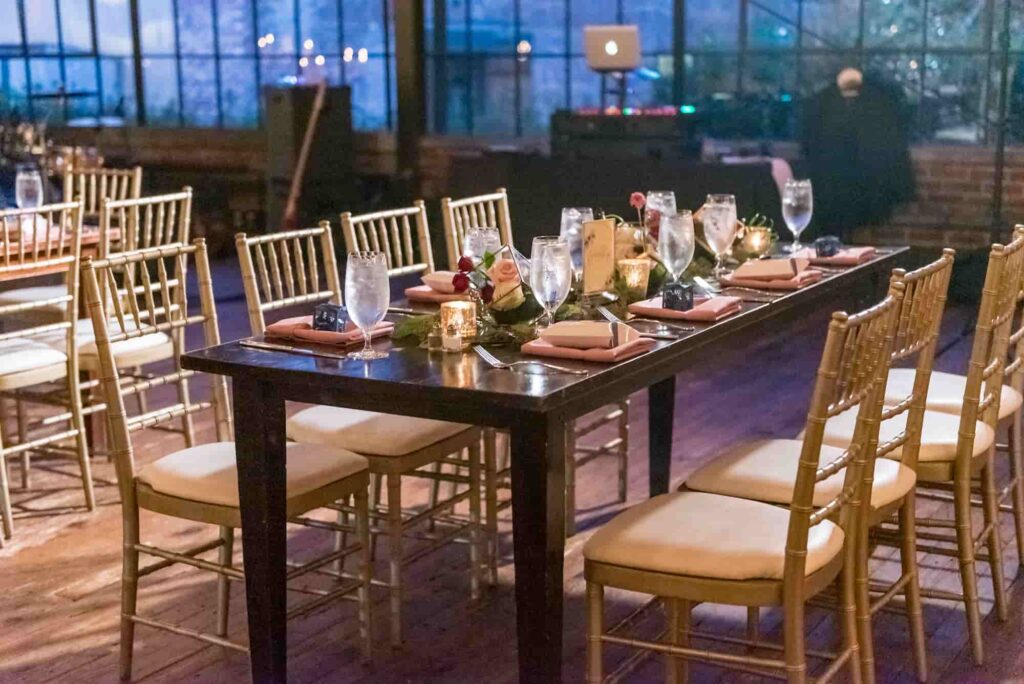

Designing a dining area is more than just placing a table and chairs together. Modern home décor trends now focus on mixing different seating styles to create a balanced, stylish, and functional space. One of the most popular dining room trends today is pairing dining chairs with benches. This combination not only improves the visual appeal of your dining room but also maximizes seating and flexibility.
If you are decorating a new home or upgrading your dining space, understanding how to pair dining chairs with benches properly will help you create a dining setup that is both comfortable and visually appealing.
Why Mix Dining Chairs with Benches?
Traditionally, dining tables were paired with identical chairs. However, interior design trends have shifted toward mix-and-match seating arrangements.
Here are a few reasons why pairing chairs with benches is a smart design choice.
1. Maximizes Seating Space
Benches can seat more people than individual chairs. This is especially useful for families or people who often host guests. A bench provides flexible seating for two to three people.
2. Creates a Modern Look
Mixing chairs and benches gives your dining space a contemporary and designer-style appearance. Many modern homes use this style because it breaks the monotony of identical furniture.
3. Perfect for Small Dining Rooms
Benches can easily slide under the table when not in use. This saves space and makes them ideal for small dining rooms or apartments.
4. Family-Friendly Seating
Benches are great for families with children. Kids can easily sit together without worrying about separate chairs.
Different Ways to Pair Dining Chairs with Benches
There are several creative ways to combine chairs and benches, depending on the size of your dining table and room layout.
1. Bench on One Side, Chairs on the Other
This is the most common and balanced setup.
How it works:
-
Place a bench along one side of the table.
-
Use dining chairs on the opposite side.
-
Add chairs at the head of the table.
This layout works well for rectangular dining tables and keeps the dining area visually balanced.
2. Bench on Both Sides with Head Chairs
In larger dining spaces, you can place benches on both long sides of the table.
Then add two statement chairs at the ends of the table to create a focal point. This design works well for farmhouse or rustic dining rooms.
3. Corner Bench with Chairs
If your dining area is near a wall, a corner bench or banquette seating can be a smart solution.
Place the bench along the wall and add chairs on the opposite side. This setup is perfect for maximizing space in small homes.
4. Mixed Materials Setup
You can pair wooden benches with upholstered chairs to create contrast.
For example:
-
Wooden bench + fabric chairs
-
Metal bench + wooden chairs
-
Upholstered bench + modern chairs
This mix adds depth and personality to the dining area.
Choosing the Right Bench for Your Dining Table
Not every bench will work well with every table. Here are a few factors to consider when selecting a bench.
1. Bench Height
The height of the bench should match the dining table.
Standard dining table height: 28–30 inches
Bench seat height should be: 17–19 inches
This ensures comfortable seating and proper legroom.
2. Bench Length
The bench should be slightly shorter than the table length.
Example:
If your table is 72 inches long, a bench between 60 and 66 inches works best.
This prevents the bench from sticking out awkwardly.
3. Bench Style
Choose a bench style that complements your table.
Some popular styles include:
-
Farmhouse wooden benches
-
Upholstered dining benches
-
Industrial metal benches
-
Storage benches
Matching the style helps maintain harmony in your dining room décor.
How to Match Dining Chairs with Benches
When mixing seating types, balance is very important.
Match Colors
Choose chairs and benches that share a similar color palette.
For example:
-
Dark wood chairs with a dark wood bench
-
White chairs with a light oak bench
-
Neutral fabric chairs with a wooden bench
This keeps the dining room looking cohesive.
Balance Materials
Combining different materials can make the room more interesting.
Examples include:
-
Wooden bench + fabric chairs
-
Upholstered bench + metal chairs
-
Wooden chairs + leather bench
Just make sure the materials complement each other.
Keep the Table as the Anchor
The dining table should be the main focal point. Chairs and benches should support the table’s design rather than compete with it.
Benefits of Using a Dining Bench
Adding a bench to your dining setup provides several practical advantages.
Flexible Seating
Benches allow you to seat extra guests when needed. If more people arrive, they can easily fit on the bench.
Space Efficiency
Unlike chairs, benches can be pushed completely under the table, making the room feel more spacious.
Stylish Appearance
Benches bring a casual yet stylish look to the dining room, especially in modern and farmhouse interiors.
Multi-Purpose Furniture
Many benches also come with built-in storage, which is useful for storing table linens, cushions, or dining accessories.
Common Mistakes to Avoid
While pairing dining chairs with benches can look beautiful, there are a few mistakes homeowners should avoid.
Using the Wrong Bench Size
A bench that is too long or too short can ruin the balance of the table setup.
Ignoring Comfort
If you choose a hard wooden bench, consider adding cushions for comfort.
Mixing Too Many Styles
Stick to two or three materials or colors. Too many design elements can make the dining space look cluttered.
Blocking Walkways
Always make sure there is enough space behind chairs and benches for people to move comfortably.
 Styling Tips for a Beautiful Dining Setup
 Styling Tips for a Beautiful Dining Setup
To complete your dining area, consider these styling ideas.
Add Seat Cushions
Bench cushions improve comfort and add color to the dining space.
Use a Table Runner
A table runner helps tie the seating styles together visually.
Add Lighting Above the Table
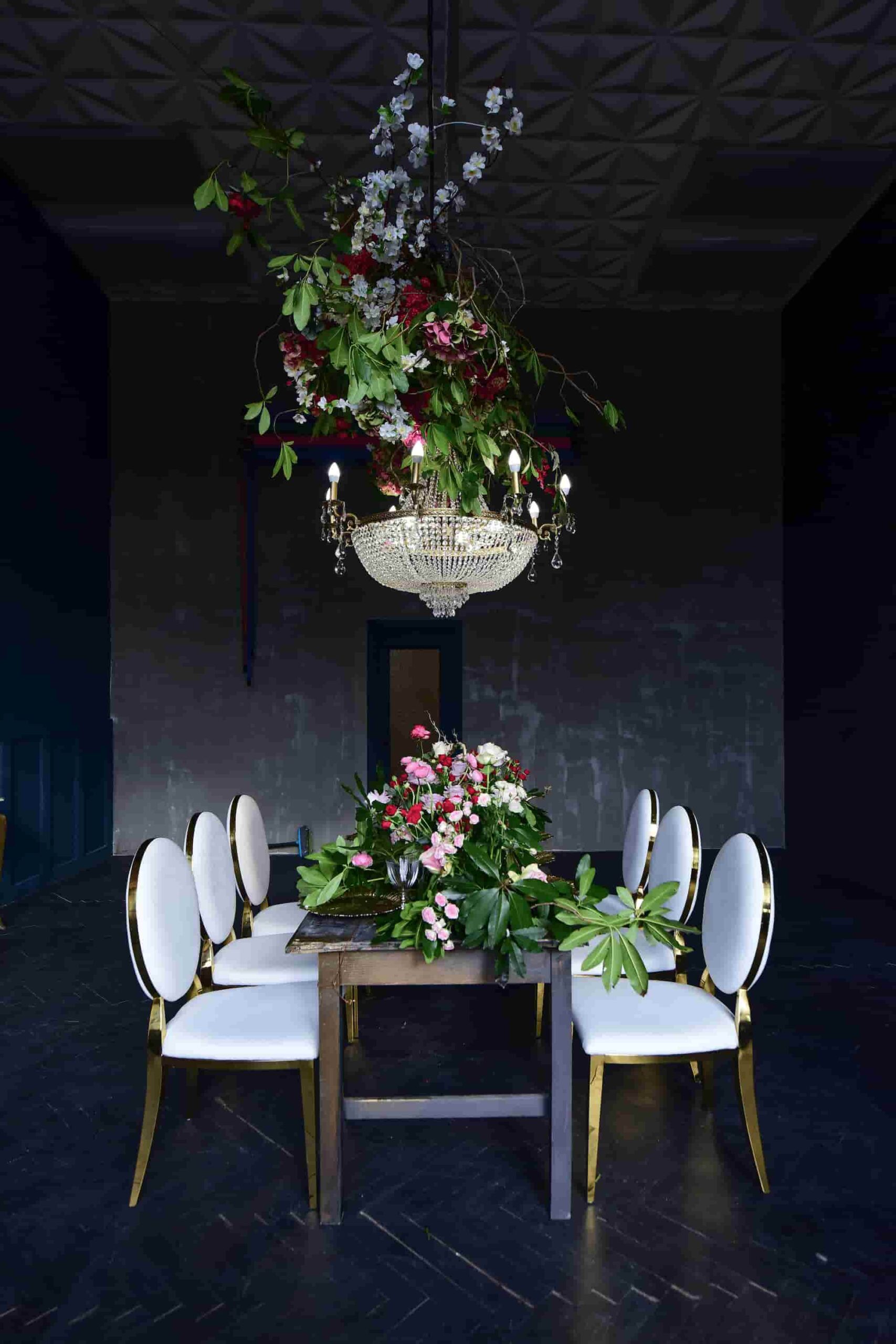
Pendant lights or chandeliers above the table enhance the overall dining atmosphere.
Decorate with Centerpieces
Simple centerpieces like flowers, candles, or decorative bowls can make the dining table more inviting.
Final Thoughts
Pairing dining chairs with benches is a smart and stylish way to design a modern dining space. This seating combination offers flexibility, saves space, and adds visual interest to your dining room. By carefully choosing the right bench size, matching materials, and balancing colors, you can create a dining setup that is both functional and beautiful.
Whether you prefer a farmhouse, modern, or minimalist style, mixing chairs with benches allows you to personalize your dining area while keeping it practical for everyday use.
If you are setting up a new dining room or upgrading your existing one, this approach can transform your dining table into a welcoming space where family and friends can gather comfortably.
FAQs
1. Can you mix dining chairs with a bench?
Yes, mixing dining chairs with a bench is a popular dining room design idea. It creates a modern and stylish look while also providing flexible seating. A bench can seat multiple people and works well with chairs placed on the opposite side or at the ends of the table.
2. How long should a dining bench be compared to the table?
A dining bench should usually be 6 to 12 inches shorter than the dining table. This allows the bench to fit neatly under the table and prevents it from sticking out from the edges.
3. Is a dining bench comfortable for everyday use?
Yes, a dining bench can be comfortable for daily use, especially when it includes seat cushions or padding. Many people prefer benches because they allow more flexible seating and can easily accommodate extra guests.
4. Should dining chairs match the bench?
Dining chairs do not have to match the bench exactly, but they should complement each other in style, color, or material. For example, wooden benches can pair well with upholstered chairs or chairs with similar wood tones.
5. Is using a dining bench good for small dining rooms?
Yes, dining benches are great for small dining spaces because they can be pushed completely under the table when not in use. This saves space and makes the dining area look less crowded.