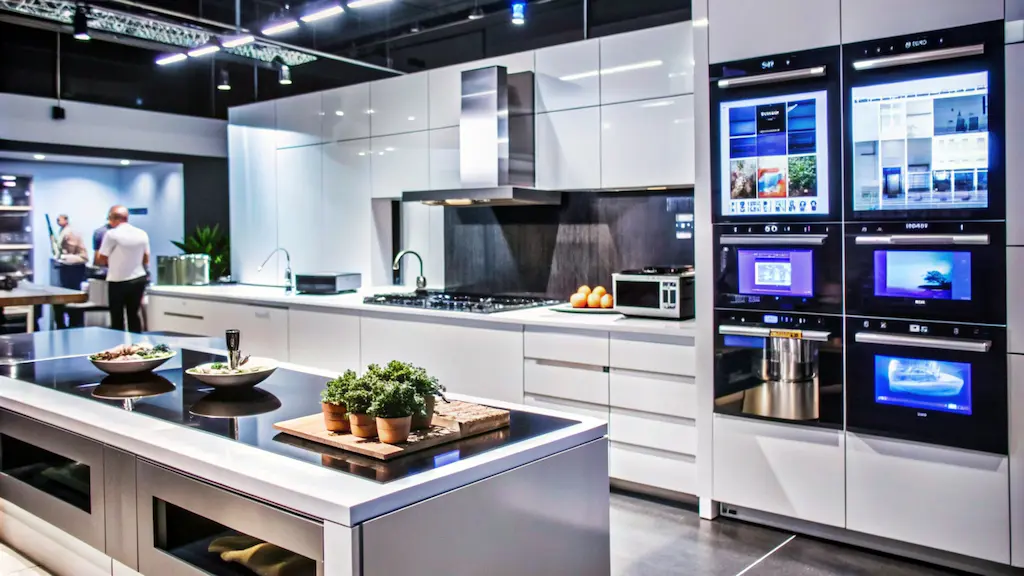

Home automation is becoming increasingly popular as people look for ways to make their homes smarter, more efficient, and more convenient. By automating home appliances, homeowners can control devices such as lights, fans, air conditioners, refrigerators, and security systems with their smartphones or voice commands. With modern technology, managing household appliances has never been easier. This article explains how to automate home appliances, the technologies involved, and the benefits of creating a smart home.
What Is Home Automation?
Home automation refers to the use of technology to control household appliances automatically or remotely. A home automation system connects different devices through the internet or a central hub, allowing users to monitor and manage appliances from anywhere.
For example, instead of manually turning off lights or adjusting the thermostat, you can schedule them to operate automatically. Voice assistants such as Amazon Alexa, Google Assistant, and Apple HomeKit make it even easier by allowing users to control devices through simple voice commands.
Home automation not only improves convenience but also helps save energy and enhances home security.
Benefits of Automating Home Appliances
Automating home appliances offers several advantages for homeowners.
1. Convenience and Comfort
One of the biggest benefits of home automation is convenience. You can control multiple devices with a single app or voice command. For example, you can turn off all lights and appliances before going to bed without moving around the house.
2. Energy Efficiency
Smart appliances help reduce energy consumption. Automated systems can turn off devices when they are not in use or adjust settings based on your daily routine. This can significantly lower electricity bills.
For more information about Reduce Energy Consumption
3. Improved Security
Home automation systems can include smart locks, cameras, and motion sensors. These features help protect your home by sending alerts if unusual activity is detected.
4. Remote Access
With a smartphone and internet connection, you can control your home appliances from anywhere in the world. For example, you can turn on the air conditioner before arriving home on a hot day.
5. Time Saving
Automation reduces the need to perform repetitive tasks. Scheduling appliances to work automatically saves time and effort.
Technologies Used in Home Automation
Several technologies make home automation possible. These technologies allow appliances to communicate with each other and with the user.
Smart Devices
Smart devices are appliances equipped with built-in connectivity features. They can connect to the internet and be controlled through mobile applications.
For more about Home Appliances
Wireless Communication
Home automation systems rely on wireless communication technologies such as Wi-Fi, Bluetooth, and Zigbee. These technologies enable devices to communicate without the need for complicated wiring.
Smart Hubs
A smart hub acts as the central control system for all connected devices. It allows different appliances to communicate and work together. Popular hubs include devices compatible with Samsung SmartThings.
Voice Assistants
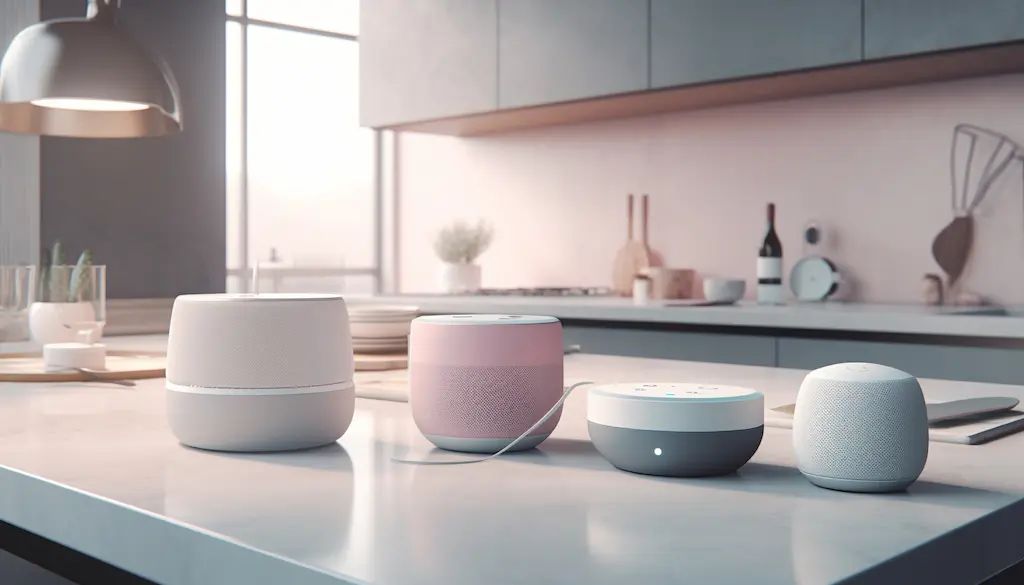
Voice assistants allow users to control appliances using spoken commands. They integrate with many smart devices and make automation easier and more accessible.
Ways to Automate Home Appliances
There are several ways to automate home appliances depending on your budget and technical knowledge.
1. Using Smart Plugs
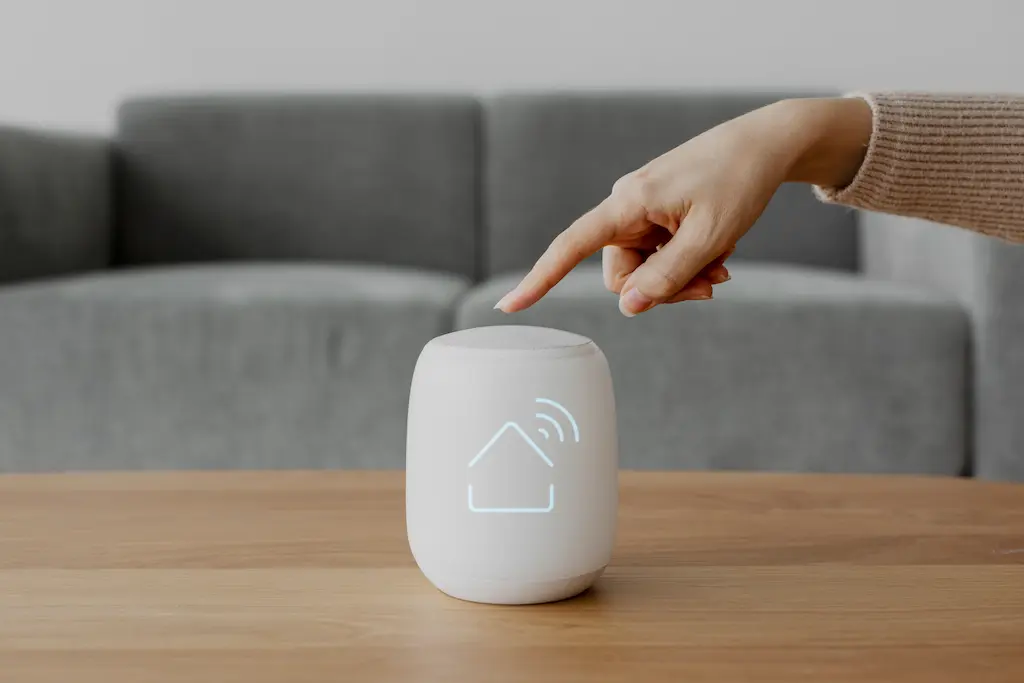
Smart plugs are one of the easiest ways to automate existing appliances. These plugs connect to your power outlet and allow you to control devices through a mobile app. For example, you can connect a fan or coffee maker to a smart plug and schedule it to turn on automatically.
2. Installing Smart Switches
Smart switches replace traditional wall switches and allow you to control lighting and appliances remotely. They can also be programmed to turn on or off at specific times.
3. Using Smart Sensors
Smart sensors detect motion, temperature, or light levels. These sensors can trigger actions automatically. For instance, lights can turn on when someone enters a room and turn off when the room is empty.
4. Using Smart Appliances
Many modern appliances come with built-in smart technology. Examples include smart refrigerators, washing machines, and air conditioners. These appliances can connect directly to your home network and be controlled using mobile apps.
5. Creating Automation Routines
Automation routines allow multiple devices to perform actions simultaneously. For example, a “Good Morning” routine can open curtains, turn on lights, and start the coffee machine automatically.
Steps to Set Up Home Automation
Setting up a home automation system does not have to be complicated. Here are some basic steps to get started.
Step 1: Choose a Platform
Select a home automation platform that supports most of your devices. Voice assistants or smart hubs can serve as the main control system.
Step 2: Start with Basic Devices
Begin with simple devices such as smart plugs or smart bulbs. This allows you to understand how automation works before expanding the system.
Step 3: Connect Devices to the Network
Install the required apps and connect the devices to your home Wi-Fi network.
Step 4: Configure Automation Rules
Create schedules or routines for your appliances. For example, set lights to turn off automatically at midnight.
Step 5: Expand Your Smart Home
Once you become comfortable with the system, you can add more smart devices such as security cameras, thermostats, and smart locks.
Tips for Successful Home Automation
To get the most out of your home automation system, consider the following tips:
-
Choose devices that are compatible with the same platform.
-
Ensure your Wi-Fi network is strong and reliable.
-
Regularly update device software for security and performance.
-
Start small and gradually add more smart devices.
The Future of Home Automation
The future of home automation looks very promising. Advances in artificial intelligence and the Internet of Things (IoT) are making smart homes more intelligent and efficient. In the coming years, appliances will become even more connected and capable of learning user preferences automatically.
For example, smart systems may adjust lighting, temperature, and appliance usage based on your daily habits without requiring manual input.
For more information New Home Essentials
Conclusion
Automating home appliances is an excellent way to improve convenience, energy efficiency, and security in modern homes. With smart devices, wireless communication, and voice assistants, homeowners can easily control appliances from anywhere. Whether you start with smart plugs or invest in a complete smart home system, home automation offers many practical benefits.
As technology continues to evolve, smart homes will become more common, making everyday life easier and more efficient for homeowners around the world.
FAQs
Q#1. What is the easiest way to automate home appliances?
Ans. The easiest way is to use smart plugs or smart bulbs. These devices can be installed quickly and controlled through a smartphone app or voice assistant.
Q#2. Do I need the internet for home automation?
ans. Yes, most smart home devices require an internet connection to work properly and allow remote access through mobile apps.
Q#3. Are smart home systems expensive?
Ans. Home automation can fit different budgets. You can start with affordable devices like smart plugs and gradually upgrade to more advanced systems.
Q#4. Can I control home appliances with voice commands?
Ans. Yes. Voice assistants such as Amazon Alexa and Google Assistant allow users to control lights, fans, and other appliances using voice commands.
Q#5. Is home automation safe?
Ans. Yes, but it is important to use secure Wi-Fi networks, strong passwords, and regular software updates to protect your devices from security risks.
Q#6. What appliances can be automated?
Ans. Many appliances can be automated, including lights, fans, air conditioners, televisions, refrigerators, washing machines, and security systems.