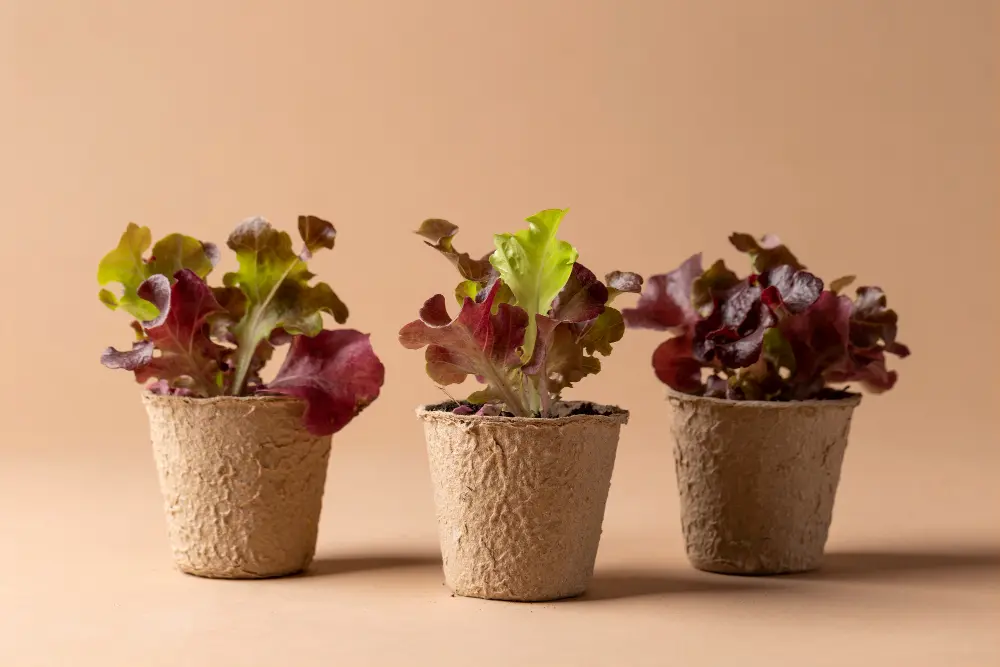

Sustainability is no longer optional—it’s a necessity. As environmental awareness grows, consumers are seeking alternatives to single-use plastics, especially in the gardening and home décor sectors. Biodegradable pots offer a practical and eco-conscious solution, providing beauty, functionality, and environmental responsibility in one package.
What Are Biodegradable Pots?
Biodegradable pots are containers designed to break down naturally into non-toxic components when exposed to soil, water, and microorganisms. Unlike traditional plastic pots, which can take hundreds of years to decompose, biodegradable pots leave no harmful residue, helping reduce landfill waste and pollution.
Common materials used for biodegradable pots include:
-
Peat: A natural, organic material often used for seedling pots.
-
Coconut coir: Made from coconut husks, it’s sturdy, renewable, and breaks down in soil.
-
Rice husk and wheat straw: Byproducts of agriculture, ideal for creating lightweight, eco-friendly pots.
-
Bioplastics: Derived from natural materials like cornstarch, offering compostable alternatives to plastic.
These materials ensure that your planting solutions are both practical and sustainable.
Benefits of Using Biodegradable Pots
Choosing biodegradable pots goes beyond reducing plastic waste—it benefits both gardeners and the environment.
1. Environmental Impact
Biodegradable pots reduce the need for petroleum-based plastics and minimize landfill waste. They return organic matter to the soil, enhancing fertility and promoting healthy plant growth.
2. Ease of Planting
Unlike plastic pots, biodegradable pots can be planted directly into the soil. This reduces transplant shock and root disturbance, helping plants establish faster and healthier.
3. Sustainable Gardening
By incorporating biodegradable pots into your gardening routine, you contribute to a circular economy. These pots utilize renewable resources and decompose naturally, closing the loop in eco-friendly gardening.
4. Convenience and Aesthetic Appeal
Modern biodegradable pots are designed to look stylish while being functional. From rustic peat pots to chic coconut coir containers, these pots complement any home or garden décor.
Types of Biodegradable Pots
There is a wide variety of biodegradable pots suitable for different gardening needs:
-
Seedling Pots: Small peat or coir pots ideal for starting seeds indoors.
-
Herb and Vegetable Pots: Medium-sized biodegradable containers for kitchen gardens.
-
Flower Pots: Decorative biodegradable options that enhance home or balcony aesthetics.
-
Hanging Pots: Lightweight, eco-friendly hanging planters made from coir or bioplastics.
-
Custom Shapes and Sizes: Biodegradable pots now come in innovative shapes for niche gardening purposes.
How to Choose the Right Biodegradable Pot
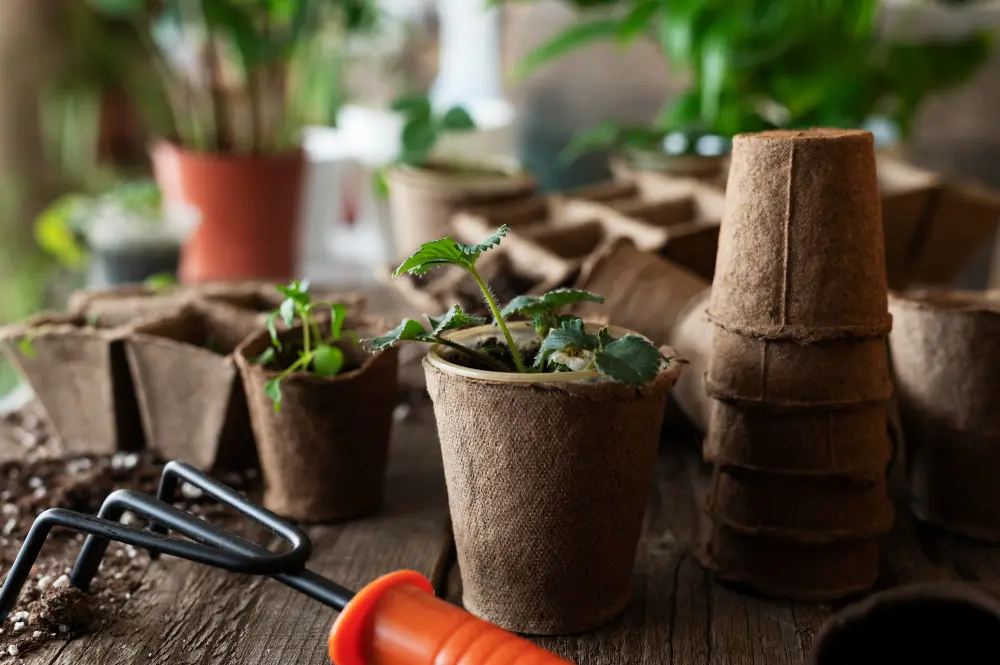
When selecting biodegradable pots, consider the following factors:
-
Material Composition: Ensure it is truly biodegradable and non-toxic.
-
Decomposition Time: Different materials break down at different rates; match the pot to your planting schedule.
-
Durability: Choose a pot that can hold soil and water without disintegrating prematurely.
-
Size and Shape: Select according to plant type and growth needs.
Understanding these factors ensures your gardening efforts are efficient, sustainable, and aesthetically pleasing.
The Environmental Benefits of Biodegradable Pots
Biodegradable pots provide long-term environmental advantages beyond just reducing plastic waste:
-
Improved Soil Health: As they decompose, they add organic matter, improving soil structure.
-
Reduced Carbon Footprint: Using renewable materials minimizes greenhouse gas emissions compared to plastic production.
-
Support for Biodiversity: Non-toxic decomposition promotes a healthy ecosystem for soil microorganisms and insects.
-
Waste Reduction: Biodegradable pots eliminate the need for disposal of plastic containers.
These benefits make biodegradable pots an essential tool for eco-conscious gardeners and plant enthusiasts.
Tips for Using Biodegradable Pots Effectively
To maximize the benefits of biodegradable pots, follow these practical tips:
-
Plant Directly When Possible: Avoid removing plants from the pot; place it directly in the soil.
-
Monitor Watering: Some biodegradable materials absorb water differently, so adjust irrigation accordingly.
-
Use Fertile Soil: As the pot decomposes, nutrient-rich soil will enhance plant growth.
-
Compost Leftovers: If pots do not decompose completely in your garden, add them to a compost pile.
-
Store Properly Before Use: Keep pots dry to prevent premature decomposition.
These simple practices ensure your plants thrive while supporting environmental sustainability.
Trends in Biodegradable Gardening
The market for biodegradable pots is evolving rapidly, with trends that reflect growing consumer interest in sustainability:
-
Innovative Materials: Manufacturers are exploring hemp, bamboo, and sugarcane for stronger, eco-friendly pots.
-
Customizable Designs: From printed patterns to unique shapes, biodegradable pots are becoming more visually appealing.
-
Integration with Smart Gardening: Biodegradable pots compatible with irrigation systems and indoor gardening kits are gaining popularity.
-
Community and Urban Gardening: Eco-friendly pots are widely adopted in schools, urban farms, and community gardens.
These trends indicate a shift toward greener, smarter, and more accessible gardening practices worldwide.
Conclusion
Biodegradable pots are more than just containers—they are a statement of environmental responsibility. They combine sustainability, convenience, and aesthetic appeal, allowing gardeners and plant enthusiasts to cultivate greenery while protecting the planet.
By choosing biodegradable pots, you can reduce waste, improve soil health, and support eco-friendly practices in your home and garden. Making the switch to biodegradable pots is a small step with a significant impact—a simple way to ensure your gardening is beautiful, sustainable, and truly planet-friendly.
Read more At New Home Essentials
FAQS
1. What are biodegradable pots?
Biodegradable pots are plant containers made from natural or compostable materials that break down safely in soil, leaving no harmful residue.
2. What materials are commonly used for biodegradable pots?
Popular materials include peat, coconut coir, rice husk, wheat straw, and bioplastics made from cornstarch—all eco-friendly and compostable.
3. How do biodegradable pots benefit the environment?
They reduce plastic waste, improve soil fertility, lower carbon footprint, support biodiversity, and eliminate non-biodegradable landfill waste.
4. Can plants be planted directly in biodegradable pots?
Yes, most biodegradable pots can be planted directly into the soil, reducing transplant shock and helping roots establish faster.
5. How do I choose the right biodegradable pot for my plants?
Consider material composition, decomposition time, durability, and size/shape suitable for the type of plant and gardening purpose.