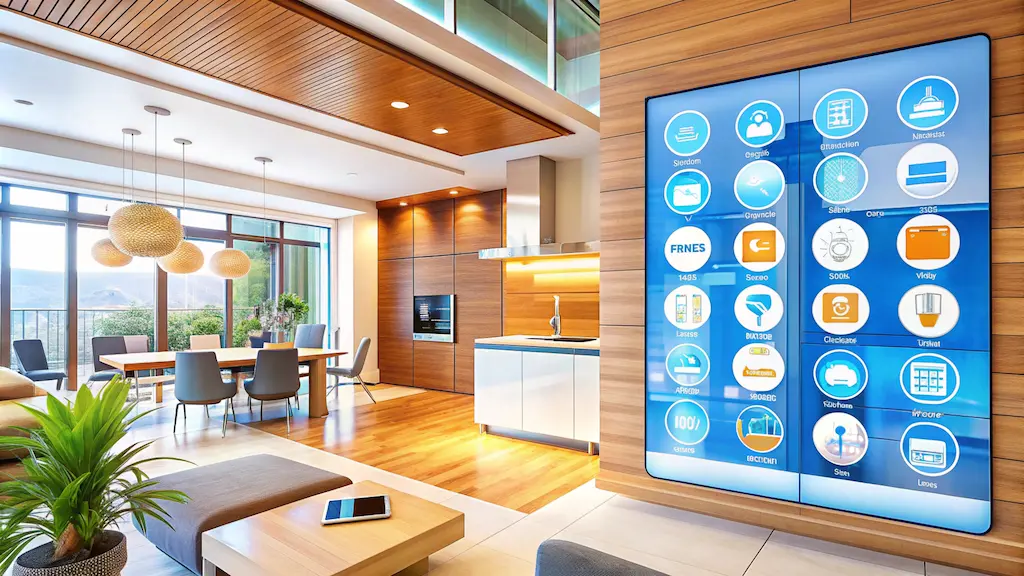

Smart home appliances are transforming the way we live, cook, clean, and manage our homes. With Wi-Fi connectivity, mobile app control, and voice assistant integration, these devices bring convenience, efficiency, and automation into everyday life. Whether you are upgrading your kitchen or building a fully connected home, smart appliances offer a seamless blend of technology and comfort.
What Are Smart Home Appliances?
Smart home appliances are electronic devices that connect to the internet and can be controlled remotely using a smartphone, tablet, or voice assistant. Unlike traditional appliances, smart devices collect data, learn user preferences, and allow automation for better performance and energy efficiency.
Most smart appliances integrate with major platforms such as Amazon Alexa, Google Assistant, and Apple HomeKit. This integration allows users to control multiple devices using simple voice commands like turning on the air conditioner or starting the washing machine.
Types of Smart Home Appliances
Smart technology is available across nearly every category of home appliances. Here are the most popular types:
1. Smart Kitchen Appliances
The kitchen is one of the most common areas for smart upgrades. Smart refrigerators can monitor food inventory, suggest recipes, and display internal cameras through mobile apps. Brands like Samsung offer models with touchscreens and family hubs that function as control centers.
Smart ovens and microwaves allow users to preheat remotely, adjust temperature settings, and receive cooking notifications. Meanwhile, smart coffee makers can brew coffee automatically at your scheduled time.
For more information visit New Home Essential
2. Smart Laundry Appliances
Smart washing machines and dryers provide remote monitoring and alerts when cycles are complete. Companies such as LG design washers that can detect fabric types and adjust water levels automatically for better cleaning and energy savings.
Users can start or pause laundry cycles from their smartphones, making laundry management more convenient than ever.
3. Smart Climate Control
Smart thermostats and air conditioners help reduce energy consumption by learning daily routines. Devices from Nest Labs, for example, adjust temperatures automatically based on occupancy and usage patterns.
Smart air purifiers monitor indoor air quality and adjust filtration levels accordingly. These appliances not only improve comfort but also contribute to healthier living environments.
4. Smart Cleaning Devices
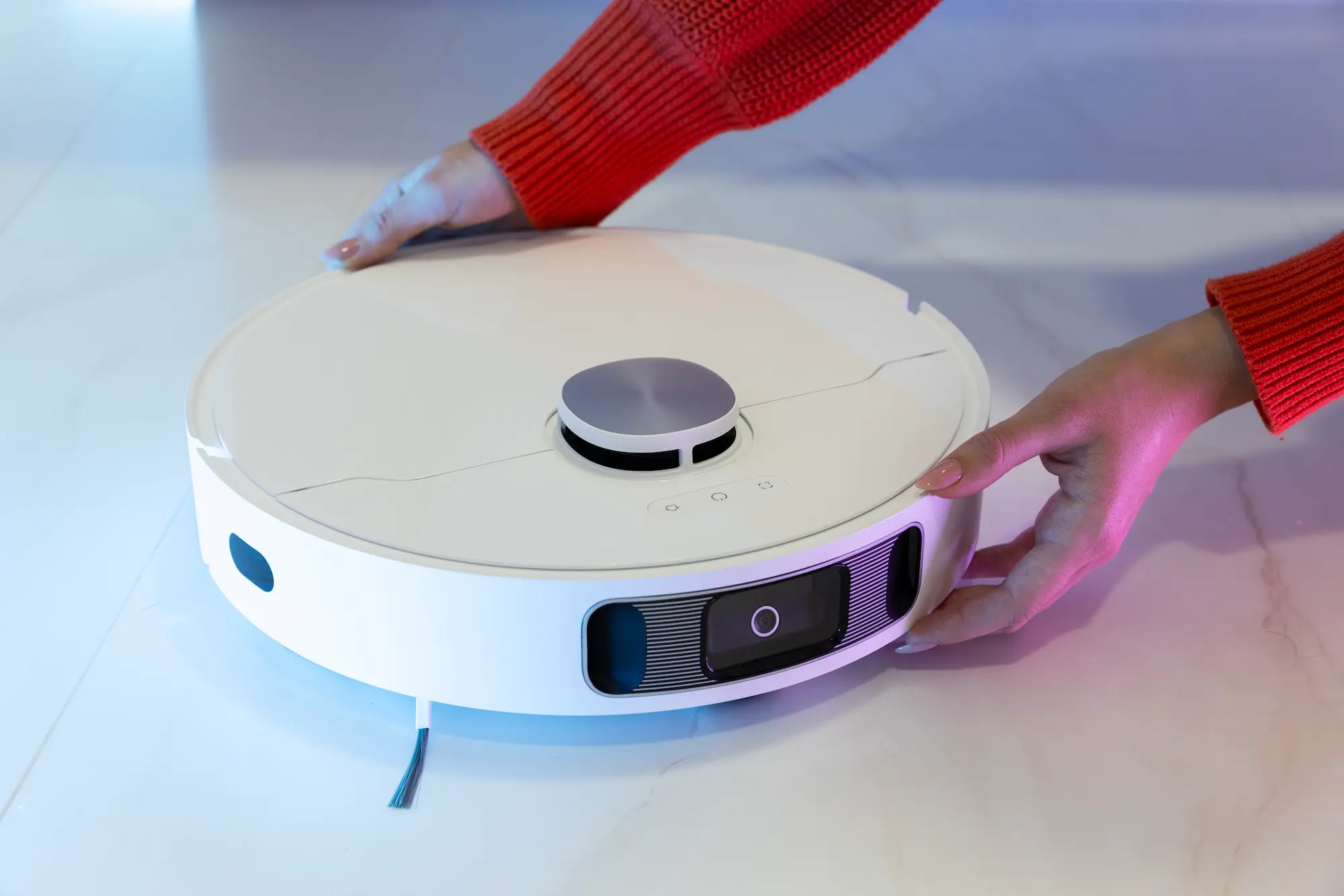
Robot vacuums have become increasingly popular for automated home cleaning. Products from iRobot can map rooms, avoid obstacles, and operate on scheduled cleaning cycles. Some models even empty their own dustbins, reducing manual effort.
Smart mops and window-cleaning robots further simplify routine cleaning tasks, saving time and effort.
Benefits of Smart Home Appliances
Convenience
The biggest advantage of smart appliances is convenience. Remote access allows users to control devices from anywhere. You can start your oven while commuting home or adjust your thermostat from your office.
Energy Efficiency
Many smart appliances are designed to optimize energy usage. Features such as automatic scheduling, energy reports, and adaptive settings help reduce electricity bills. Over time, these savings can offset the higher initial cost of smart devices.
Enhanced Safety
Smart appliances offer added safety features like automatic shut-off, real-time alerts, and malfunction notifications. For example, a smart oven can send alerts if left on for too long.
Better Monitoring and Maintenance
Users receive maintenance reminders, filter replacement alerts, and system diagnostics through mobile apps. This proactive approach extends the lifespan of appliances and prevents costly repairs.
For more information visit Home Appliances
Are Smart Home Appliances Worth It?
While smart appliances often cost more than traditional models, the long-term benefits can justify the investment. Energy savings, increased home value, convenience, and improved lifestyle make them attractive for modern households.
However, it’s important to consider compatibility. Before purchasing, ensure that the appliance works with your preferred smart ecosystem and home Wi-Fi setup.
Buying Tips for Smart Appliances
-
Check Connectivity: Ensure stable Wi-Fi coverage in your home.
-
Verify Compatibility: Confirm integration with your voice assistant or smart hub.
-
Look for Energy Ratings: Choose energy-efficient models to maximize savings.
-
Prioritize Security: Opt for brands that provide regular software updates and data protection features.
-
Read Reviews: Compare user feedback and performance ratings before making a decision.
The Future of Smart Homes
Smart home appliances continue to evolve with artificial intelligence and automation. Future models are expected to offer deeper personalization, predictive maintenance, and improved energy management systems. As technology advances, homes will become more interconnected and intuitive.
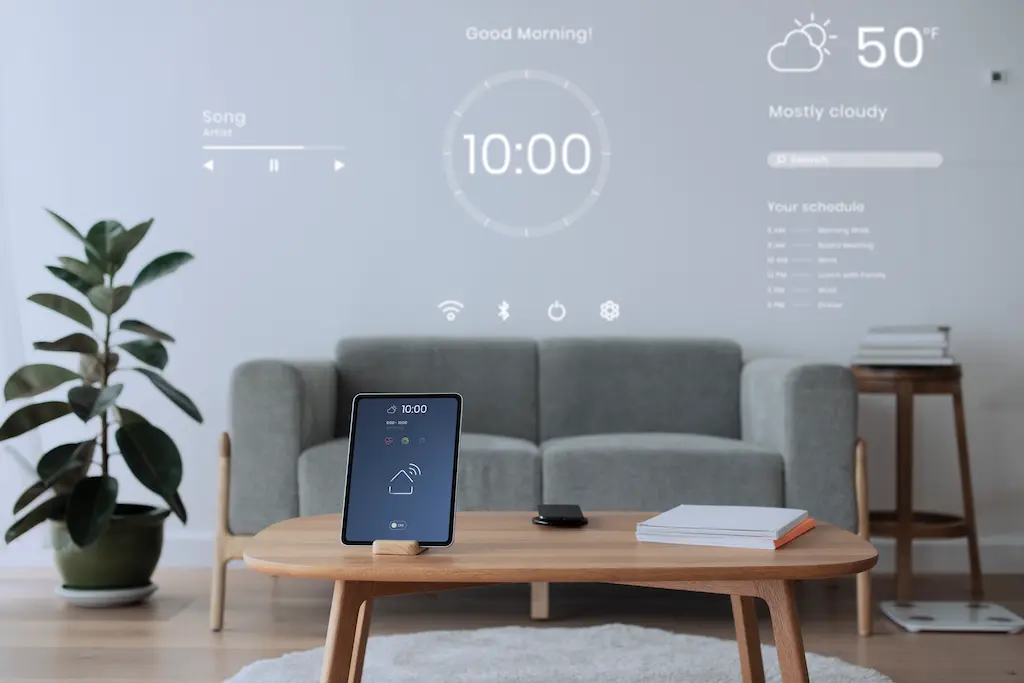
In conclusion, smart home appliances are no longer luxury items—they are becoming essential components of modern living. By combining innovation, efficiency, and convenience, these devices redefine how we interact with our homes. Investing in smart technology today can create a more comfortable, energy-efficient, and future-ready household.
FAQS
Q#1: What are smart home appliances?
Ans. Smart home appliances are internet-connected devices that can be controlled remotely using a smartphone app or voice assistant. They offer automation, monitoring, and energy-saving features.
Q#2: How do smart home appliances work?
Ans. They connect to your home Wi-Fi network and communicate through mobile apps or smart home platforms. Many integrate with systems like Amazon Alexa, Google Assistant, or Apple HomeKit for voice control.
Q#3: Are smart appliances energy efficient?
Ans. Yes, most smart appliances are designed to optimize energy usage. Features like scheduling, automation, and energy reports help reduce electricity consumption and lower utility bills.
Q#4: Do smart home appliances need Wi-Fi?
Ans. Yes, Wi-Fi is required for remote access, real-time monitoring, and voice control features. However, many devices can still function manually without internet access.
Q#5: Are smart home appliances secure?
Ans. Reputable brands use encryption and regular software updates to protect user data. To improve security, use strong passwords, enable two-factor authentication, and keep firmware updated.